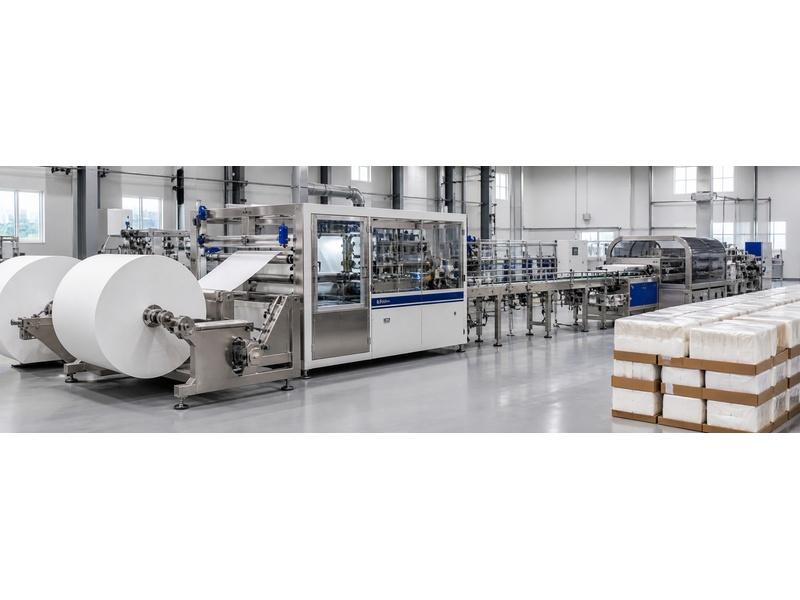
This napkin tissue production solution coordinates the converting, stacking, transfer, and packing stages around your required sheet count and pack format. It is planned as a continuous process from jumbo roll input through automatic stack transfer, single-pack wrapping, and optional case packing, with a modular architecture that supports a practical start-up configuration and a clear path toward higher automation.
Solution Overview
This solution is designed for food service, hospitality, retail, supermarket, and OEM tissue converting operations. It converts jumbo roll tissue into folded napkin stacks and connects production with automatic transfer, single-pack wrapping, and optional case packing. The equipment scope is organized around three core functions: converting, stacking, and packing.
Production Flow: Jumbo Roll to Finished Pack
-
Jumbo roll feeding and web handling: Parent rolls are introduced to the converting section. Roll diameter, web width, ply count, and basis weight are confirmed against the project specification.
-
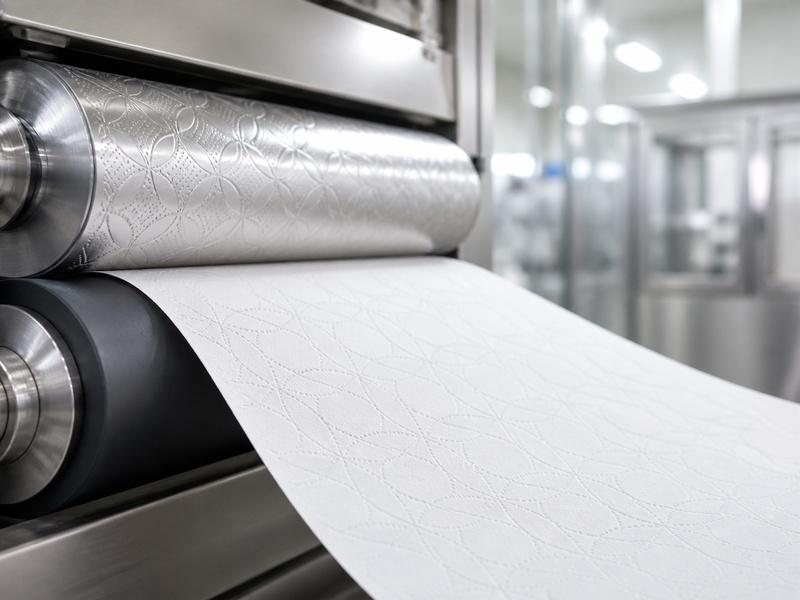
Optional embossing: The DB-E-1500 Steel-to-Rubber Tissue Embossing Unit creates a surface pattern to support product feel, perceived quality, and brand differentiation.
-
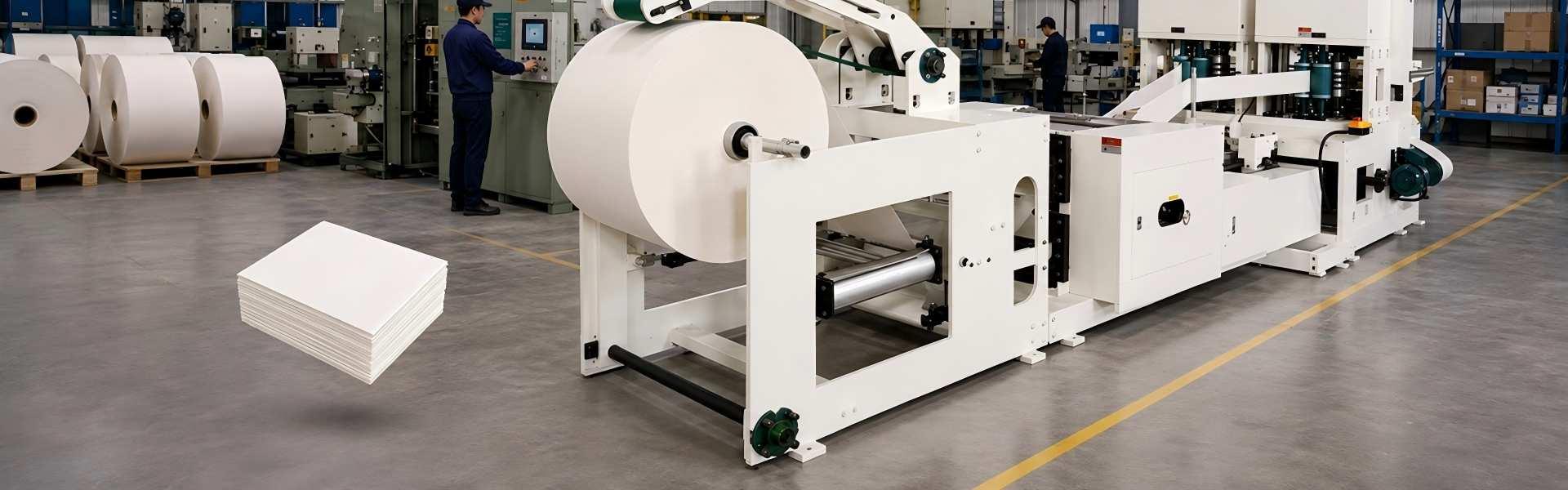
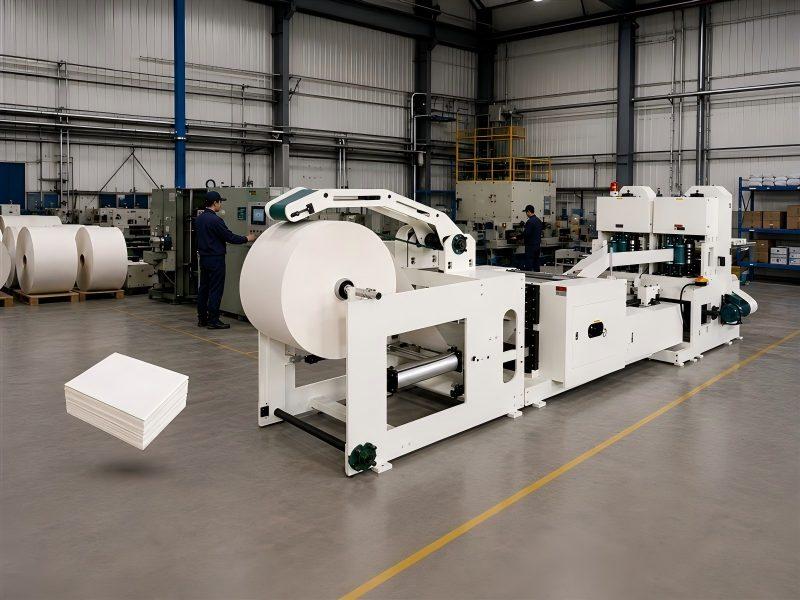
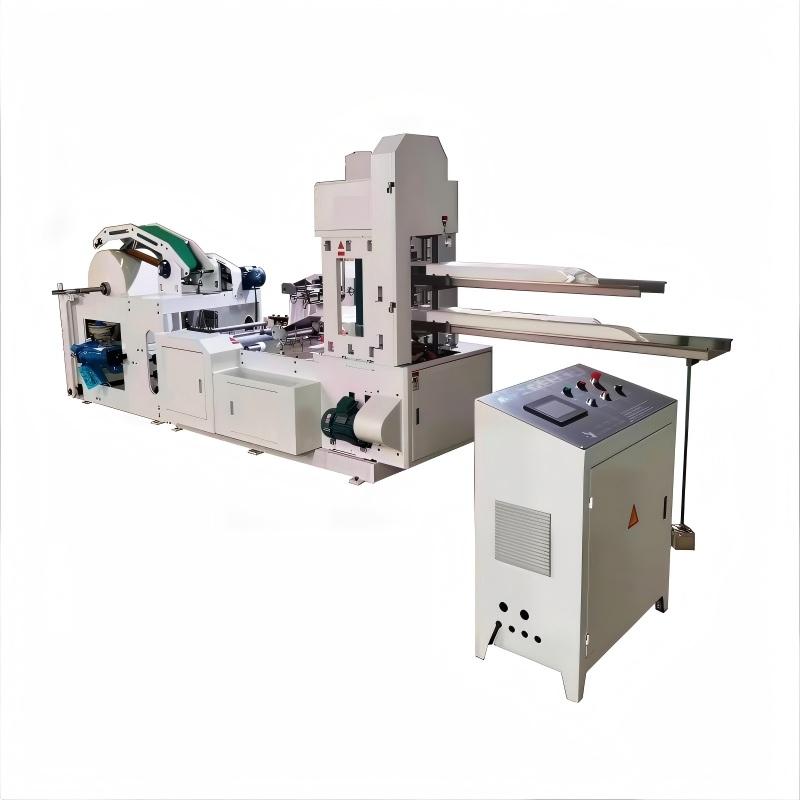
Napkin converting: The DB-NK-230 or DB-NK-260 Automatic Napkin Tissue Machine completes the core napkin tissue folding and converting process and delivers finished stacks.
-
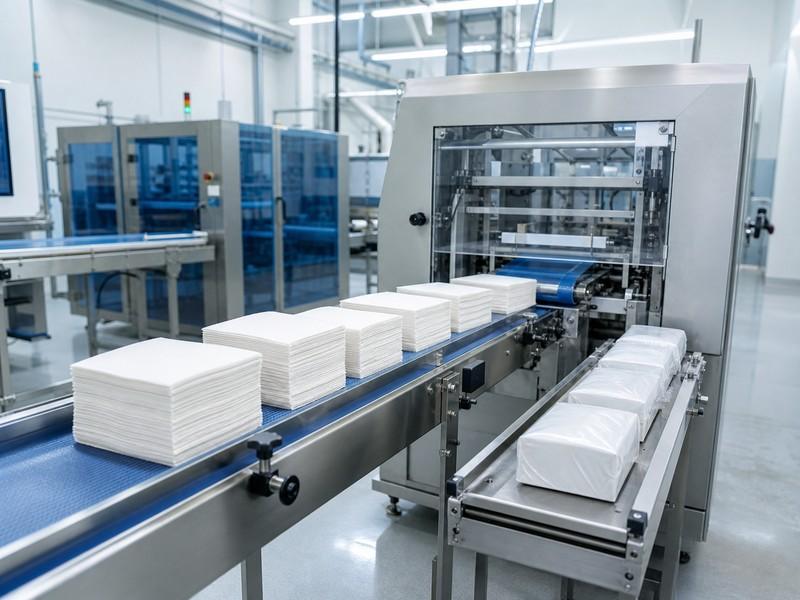
Stack transfer: The DB-T-40 Automatic Napkin Tissue Transfer Unit separates, buffers, and transfers napkin stacks in rhythm with the downstream packaging section.
-
Single-pack wrapping: The DB-NK-150P Automatic Napkin Tissue Packing Machine packs finished napkin tissue in soft-pack single units.
-
Case packing and finished output: Select the DB-C-8P Semi-Automatic Tissue Case Packing Machine or DB-C-12P Vertical Tissue Case Packing Machine according to carton format and automation target.
Recommended Line Configuration
Final machine configuration should be matched to tissue grade, finished size, target output, available floor space, and the required level of automation. The following table summarizes the equipment roles in a complete napkin tissue line.
|
Section
|
Model
|
Equipment / Function
|
Configuration Role
|
|
Optional front end
|
DB-E-1500
|
Steel-to-Rubber Tissue Embossing Unit
|
For embossed surface texture and differentiated products.
|
|
Core converting
|
DB-NK-230
|
Automatic Napkin Tissue Machine
|
Core napkin tissue machine option, selected to project needs.
|
|
Core converting
|
DB-NK-260
|
Automatic Napkin Tissue Machine
|
Alternative core napkin tissue machine option.
|
|
Line connection
|
DB-T-40
|
Automatic Napkin Tissue Transfer Unit
|
Transfers and buffers stacks between converting and packaging.
|
|
Single-pack wrapping
|
DB-NK-150P
|
Automatic Napkin Tissue Packing Machine
|
For soft-pack single-unit napkin tissue packaging.
|
|
Case packing
|
DB-C-8P
|
Semi-Automatic Tissue Case Packing Machine
|
For operations preferring operator-assisted case handling.
|
|
Case packing
|
DB-C-12P
|
Vertical Tissue Case Packing Machine
|
For a higher-automation outer-carton section.
|
Configuration Paths
Essential automated line: DB-NK-230 or DB-NK-260 + DB-T-40 + DB-NK-150P. A focused solution for converting napkins and delivering individually packed finished units.
Embossed napkin line: DB-E-1500 + DB-NK-230 or DB-NK-260 + DB-T-40 + DB-NK-150P. A solution for branded napkins requiring a surface pattern or added tactile value.
Case-packing upgrade: Add DB-C-12P after either configuration for a higher-automation carton section; choose DB-C-8P where operator-assisted case packing is preferred.
Configuration Decisions
Before finalizing the line, the following specifications and automation choices must be confirmed:
-
Napkin tissue machine selection: Choose between DB-NK-230 and DB-NK-260 based on finished size, folding format, target rhythm, parent-roll conditions, and investment plan.
-
Embossing requirement: Decide whether the DB-E-1500 embossing unit is needed for surface texture and brand differentiation.
-
Case packing automation level: Select between the semi-automatic DB-C-8P and the vertical DB-C-12P based on carton format and the desired level of automation.
-
Pack style: Confirm whether soft-pack single units are the final pack format or if an outer carton is required.
Layout & Integration
The line is planned as a continuous process from jumbo roll input through converting, automatic stack transfer, single-pack wrapping, case packing, and finished output. The modular architecture supports phased investment: you can begin with the essential automated line and add case packing later when your operation is ready. Final equipment scope, performance values, and interface responsibilities are subject to the mutually confirmed technical agreement.
Quality & Acceptance
Acceptance should be based on practical checks aligned with your finished product specification. Confirm the following during commissioning and trial runs:
-
Fold consistency: Verify that the folding format is uniform across the stack and matches the target napkin size.
-
Stack count accuracy: Confirm that the transfer unit delivers the correct number of napkins per stack in rhythm with the packaging section.
-
Pack integrity: Check that the single-pack wrapping is secure and consistent with the specified film and pack style.
-
Case packing alignment: Validate that the case packing section handles the carton format without damaging the wrapped units.
Project Input Checklist
To prepare an equipment pairing recommendation and process layout concept, provide the following information:
-
Finished napkin dimensions and folding format
-
Ply count and tissue basis weight
-
Parent roll diameter and web width
-
Target output per minute or per shift
-
Pack style (soft-pack single unit, carton, or both)
-
Packaging film type and case dimensions
-
Available floor space and plant layout
-
Local electrical standard and utility inputs
Final machine configuration should be matched to tissue grade, finished size, target output, available floor space, and the required level of automation. Performance values and interface responsibilities are subject to the mutually confirmed technical agreement.
Share your target napkin dimensions, folding format, pack style, ply count, throughput target, and plant layout. We will prepare an equipment pairing recommendation, process layout concept, and technical confirmation checklist for quotation.




 Power Supply / Installed Power
 Finished Tissue Product / Size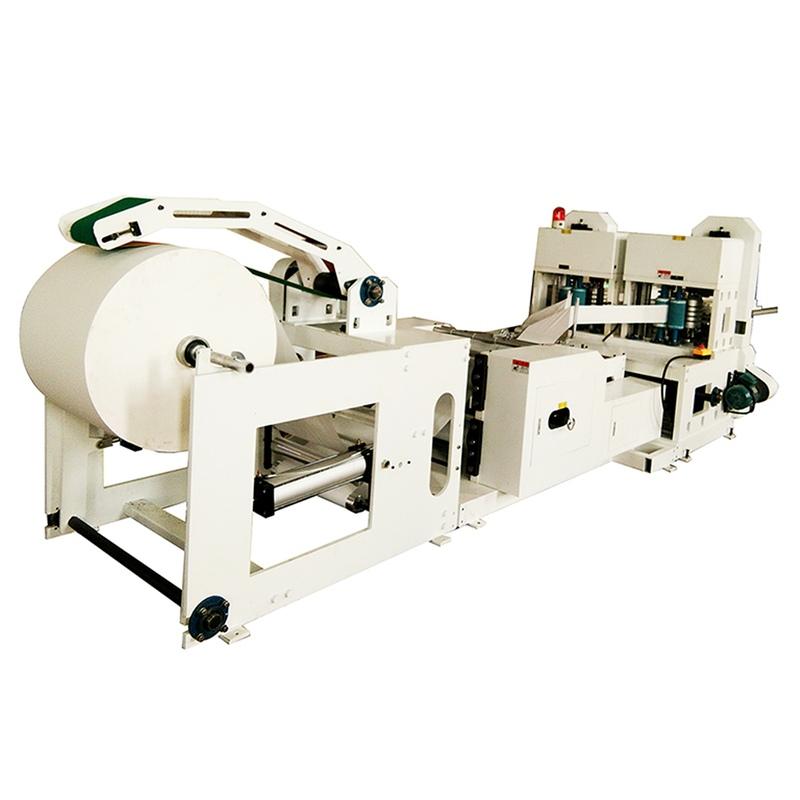
 Machine Model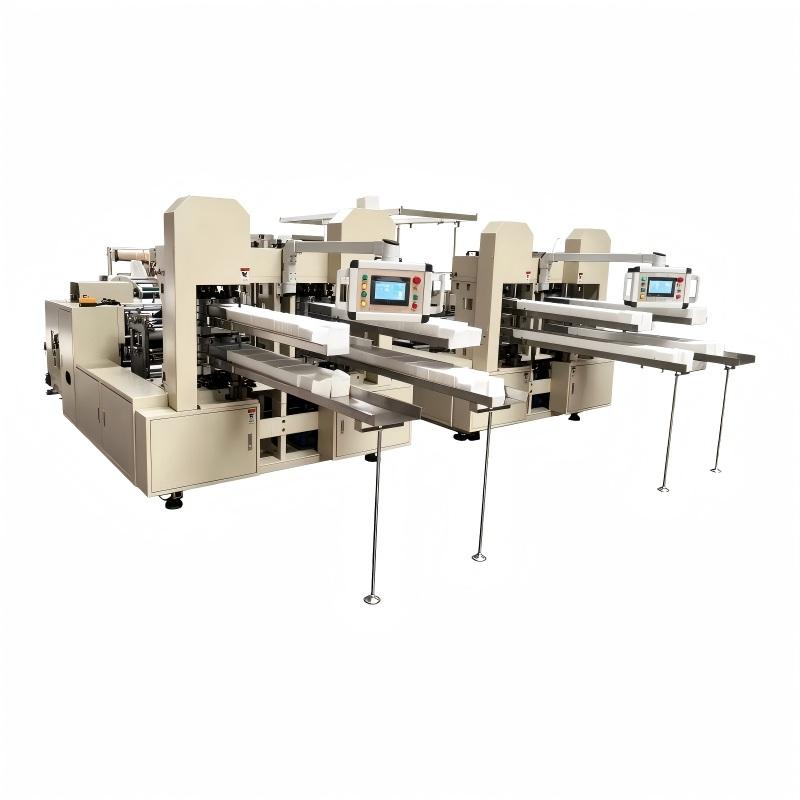

 Tel: +86 139 0819 6540
 Email: info@doubletissuemachine.com
 MP/WhatsApp: +86 139 0819 6540
 Manufacturer Address:Dongguan, Guangdong, China