Facial tissue machine selection begins with the folded tissue, not the film around it. Specify the unfolded sheet, folded dimensions, ply and sheet count before choosing the interfolder and deciding how its output will reach cutting and packing.
Compare the folding arrangements
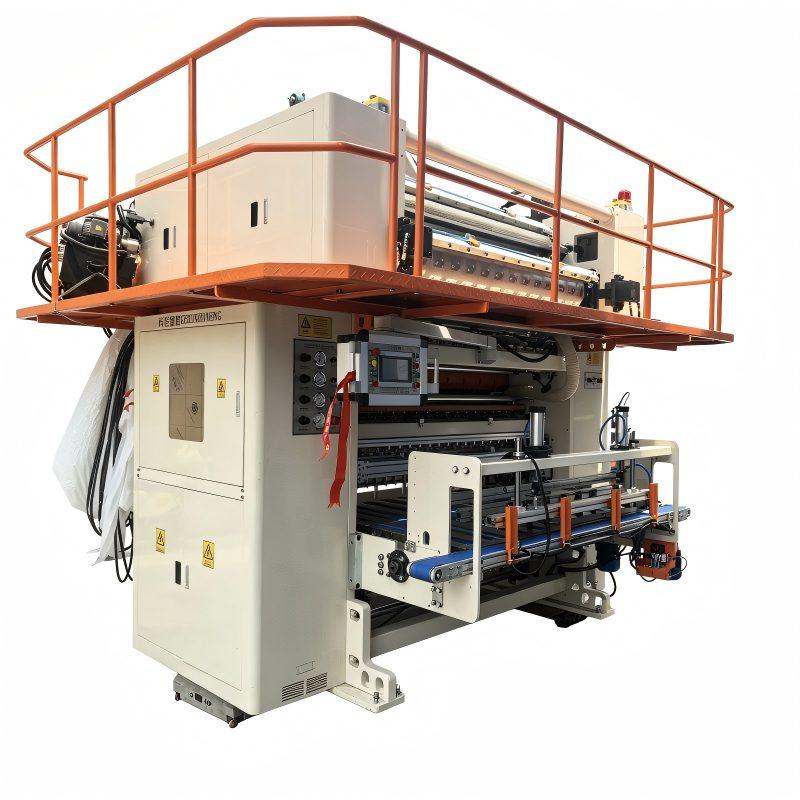
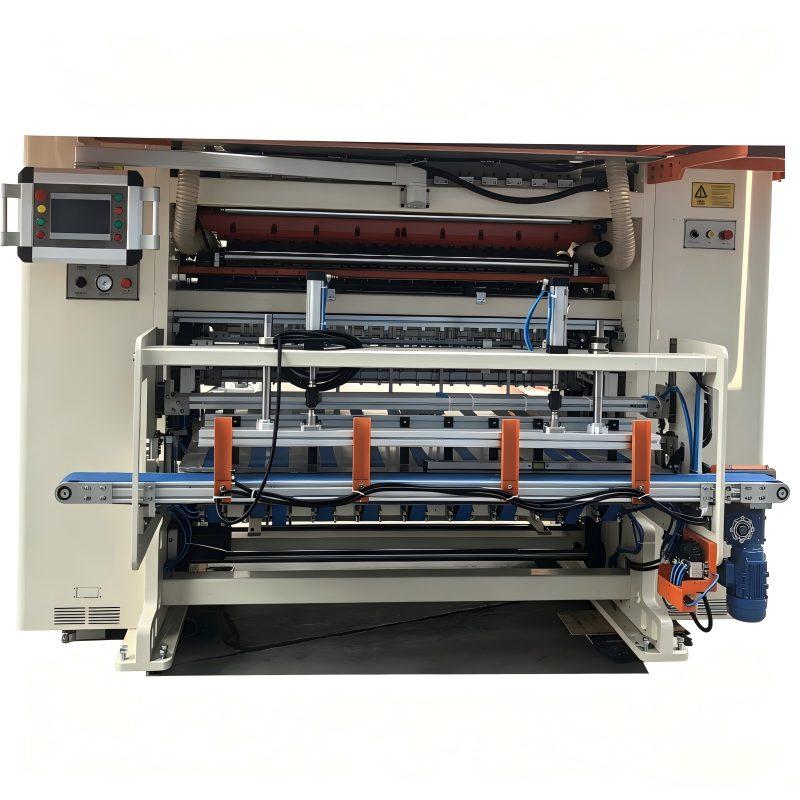
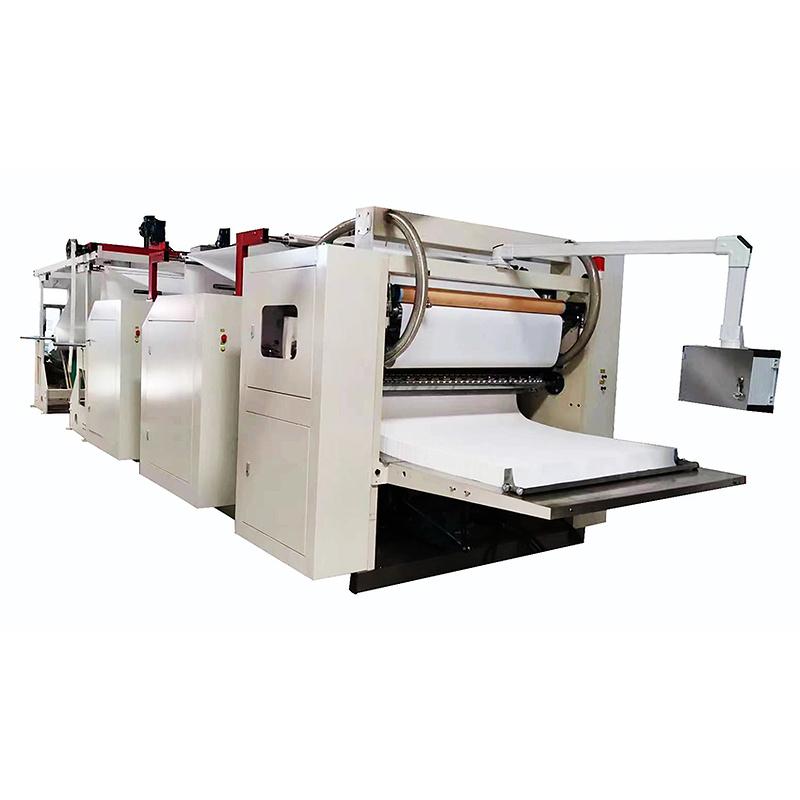
V-fold and discharge layout
The DB-F-V-200 is a V-fold interfolder with counting and front or side discharge options. Its published half-fold arrangement is optional. Choose the outlet direction against the intended downstream equipment and operator access.
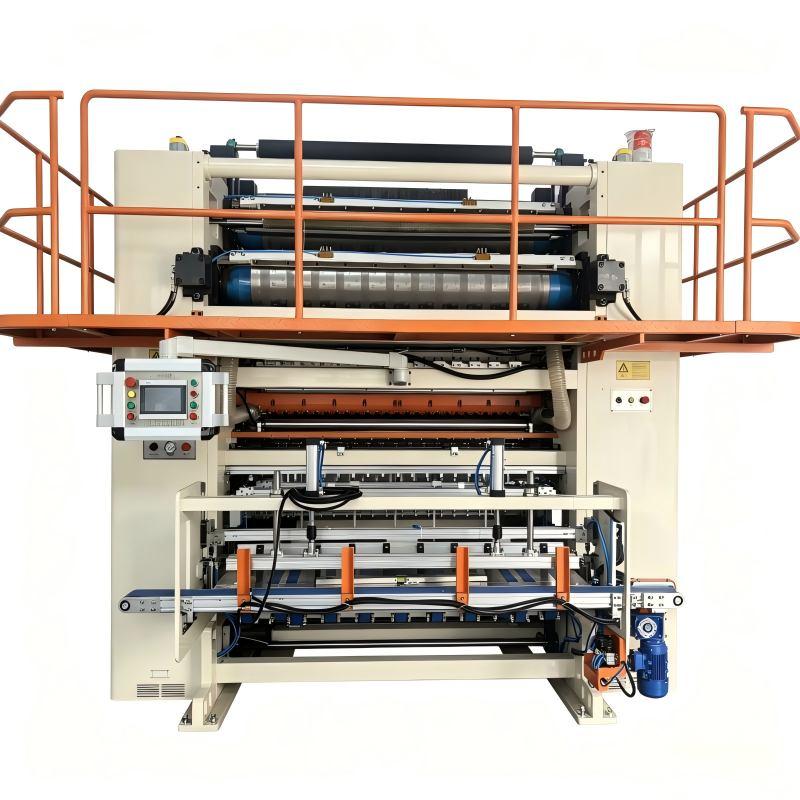
Product configuration and embossing
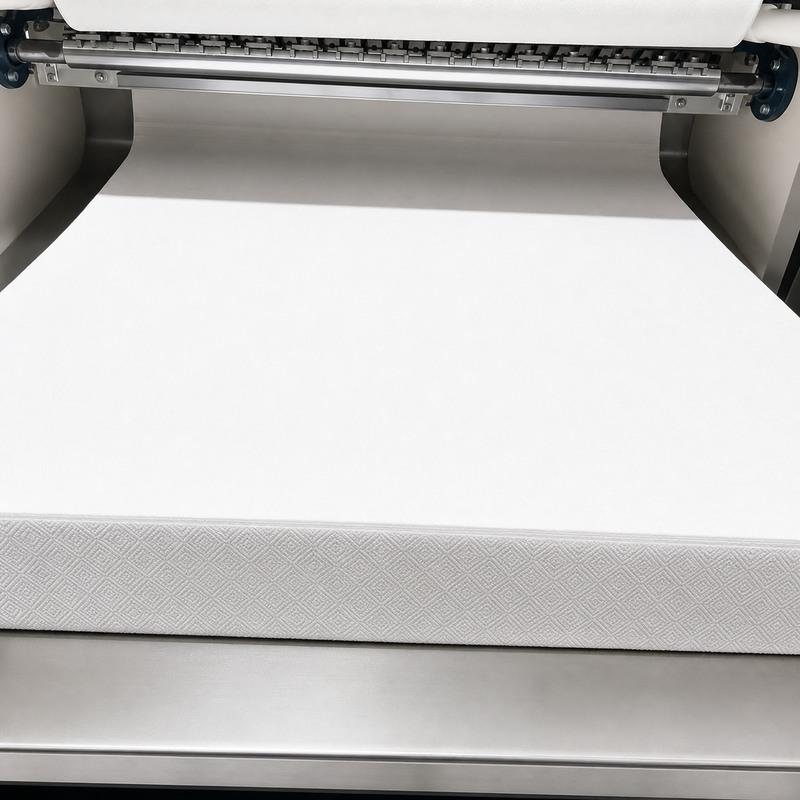
The DB-IF-V lists separate IF and HT configurations and optional embossing arrangements. Confirm the selected facial tissue format in the proposal; another configuration's output should not be treated as the same product.
Carry one sample through the process
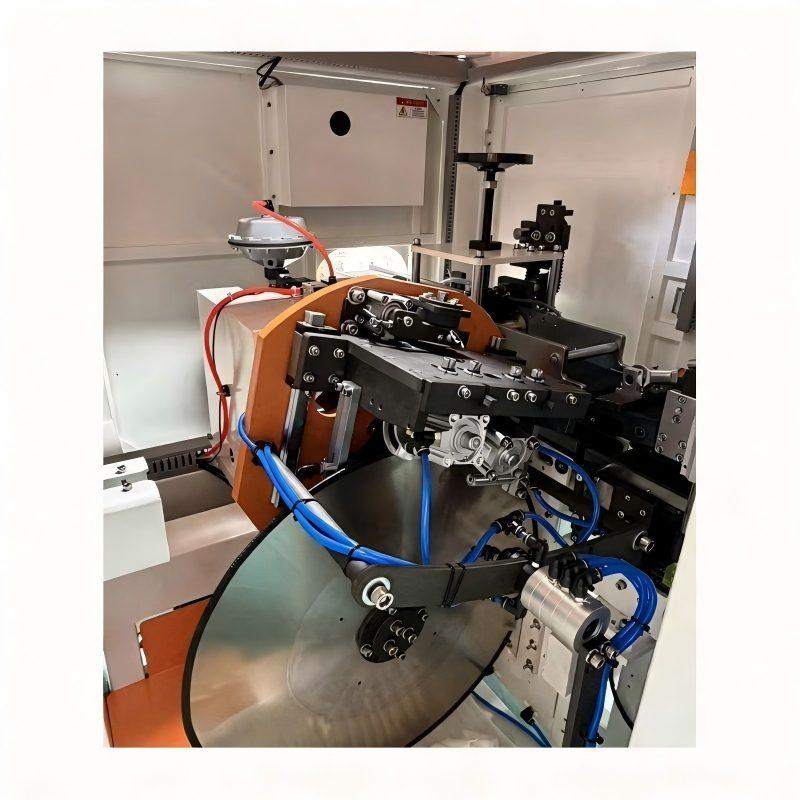
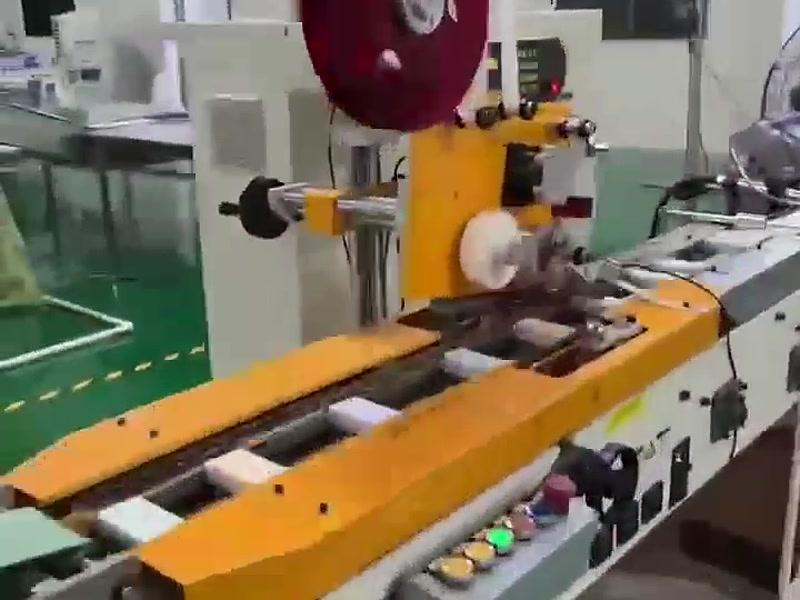
A fold that looks correct on the conveyor still needs to suit the finished stack and dispensing arrangement. Record how unfolded dimensions, fold geometry and count form that stack, then check the required cutting and transfer boundary. A dimension change and a sheet-count change are different settings, even if they both alter the final pack.
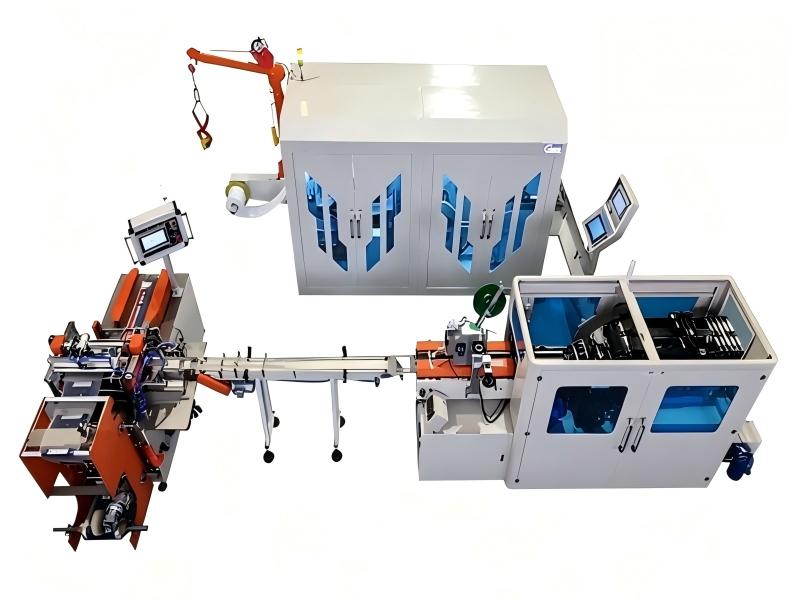
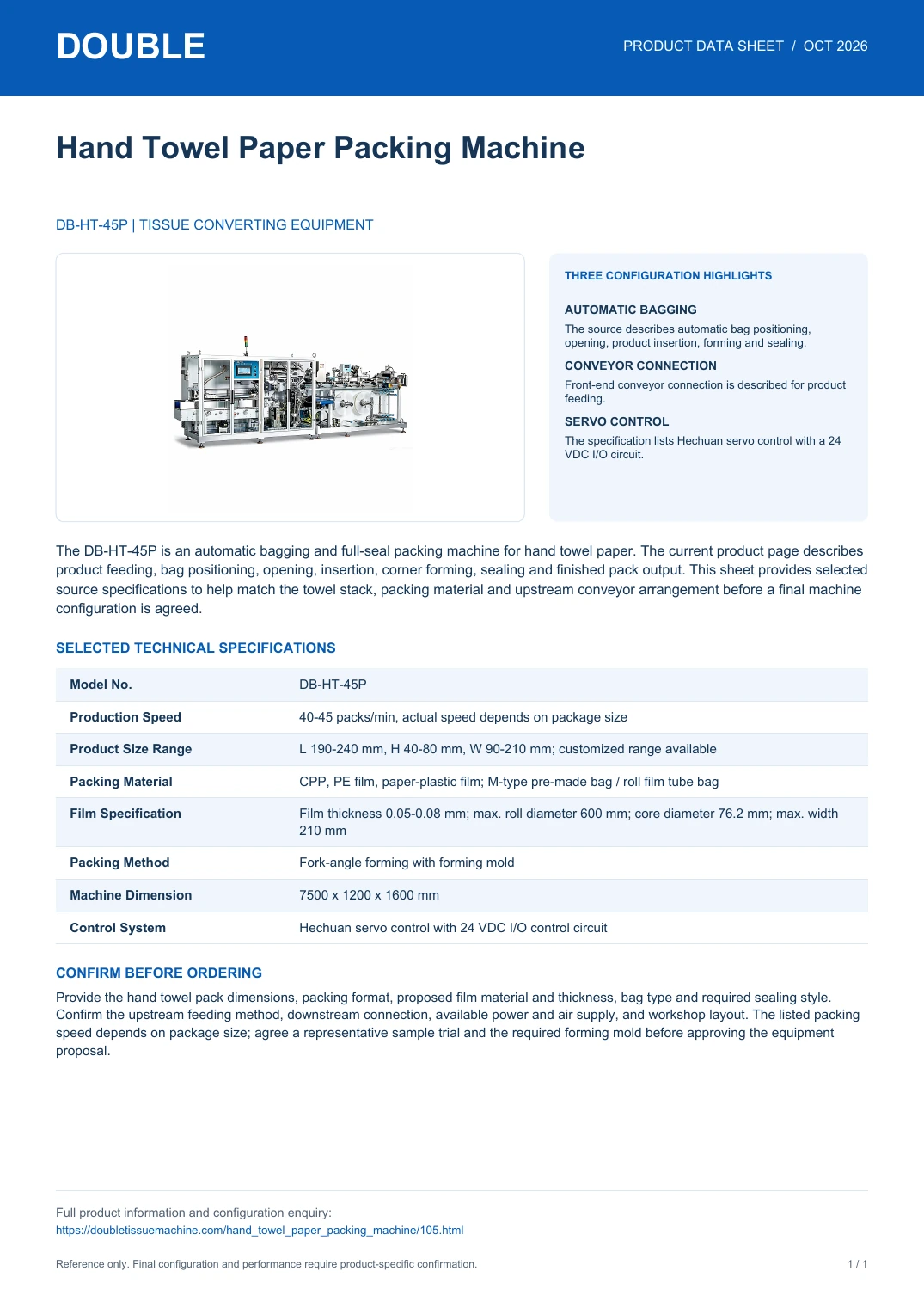
For a soft-pack project, compare that stack with the packing machine's product and film requirements. The folding machine alone does not establish the wrapping scope. Send paper samples, parent-roll width and diameter, basis weight, ply, folded and unfolded dimensions, count and discharge preference. Use the same sample specification when discussing output, optional embossing and connected equipment.






 Tel: +8613908196540
 Email: info@doubletissuemachine.com
 MP/WhatsApp: +8613908196540
 Manufacturer Address:Dongguan, Guangdong, China