Get Quote
Language

Toilet Paper Production Solution

Toilet Paper Production Solution


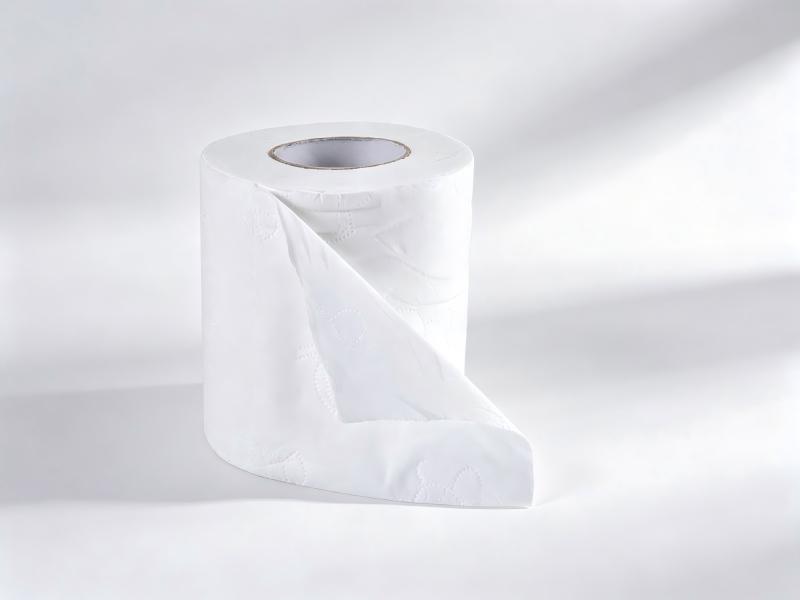
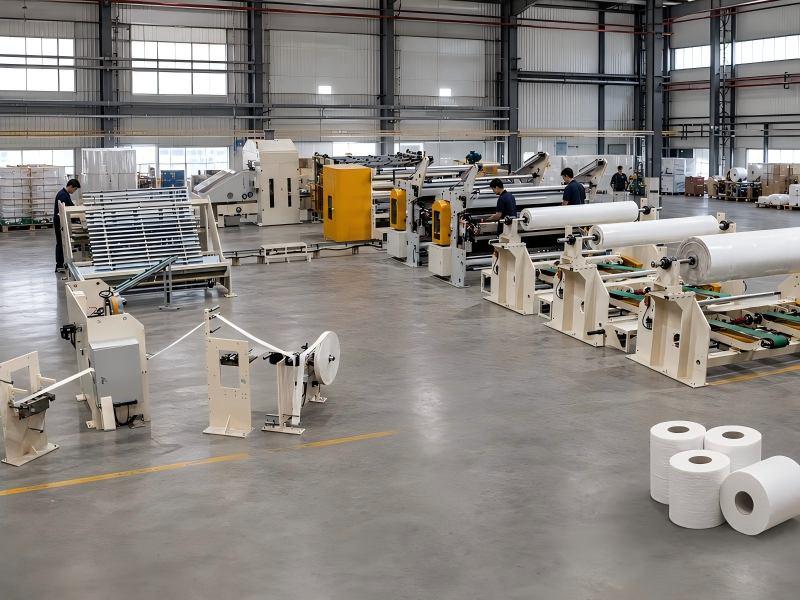
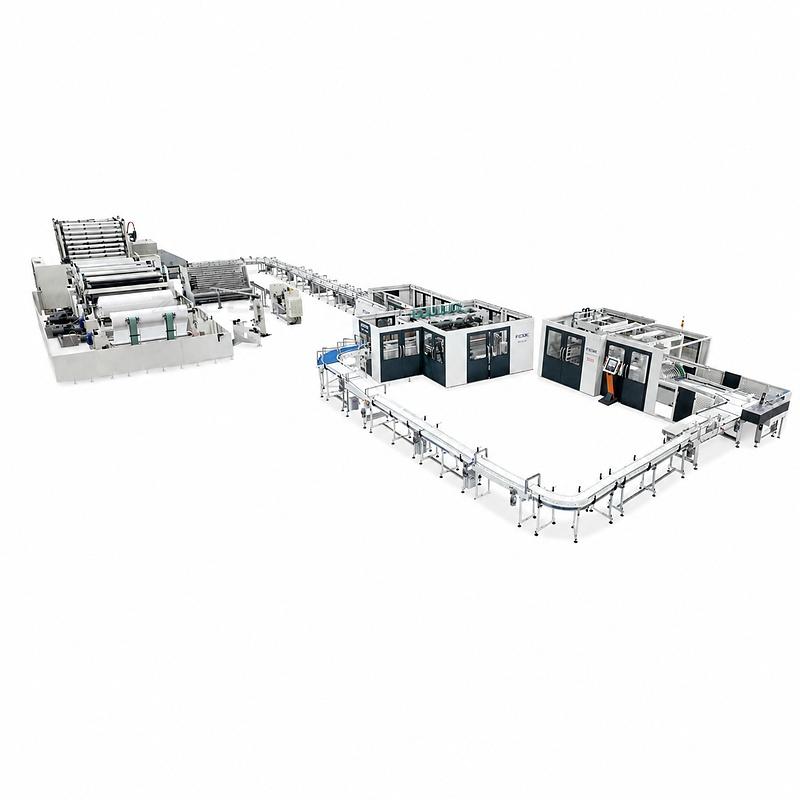
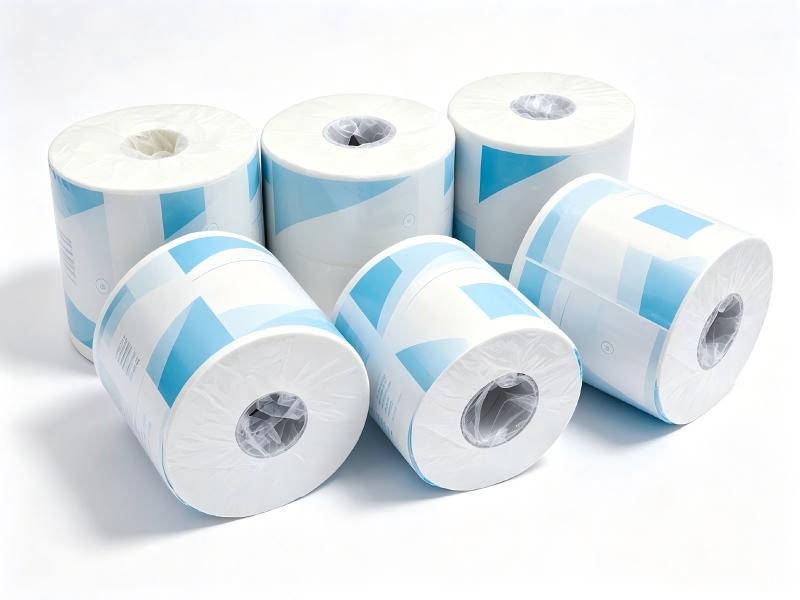
This toilet paper production solution coordinates the complete conversion of jumbo tissue rolls into perforated, rewound, cut, wrapped, and carton-packed toilet rolls. The line is built around the DB-R500 Toilet & Kitchen Non-Stop Rewinder Line and integrates roll conveying, automatic wrapping or shrink packaging, and end-of-line carton packing. The goal is to connect each process stage—from parent roll unwinding to finished pack—so that material flow, speed, and automation level are matched to your specific roll format and output target.

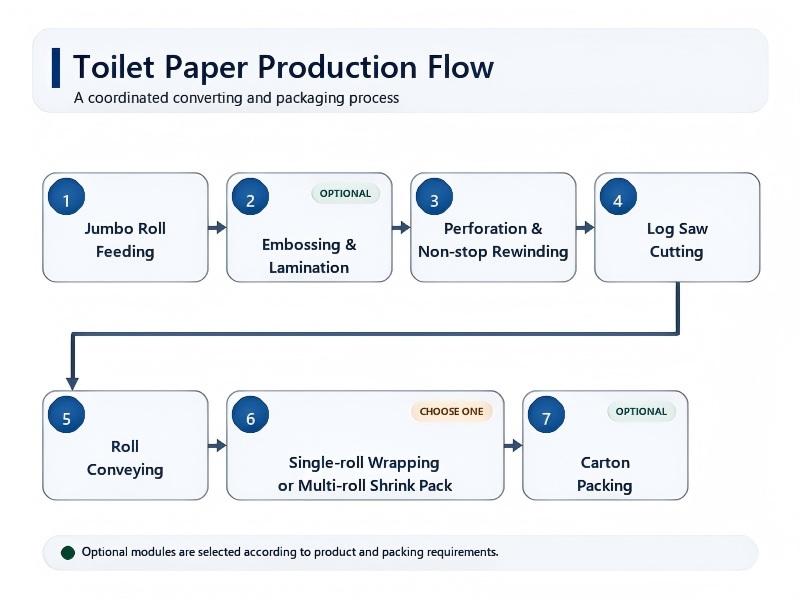
Production Process Overview

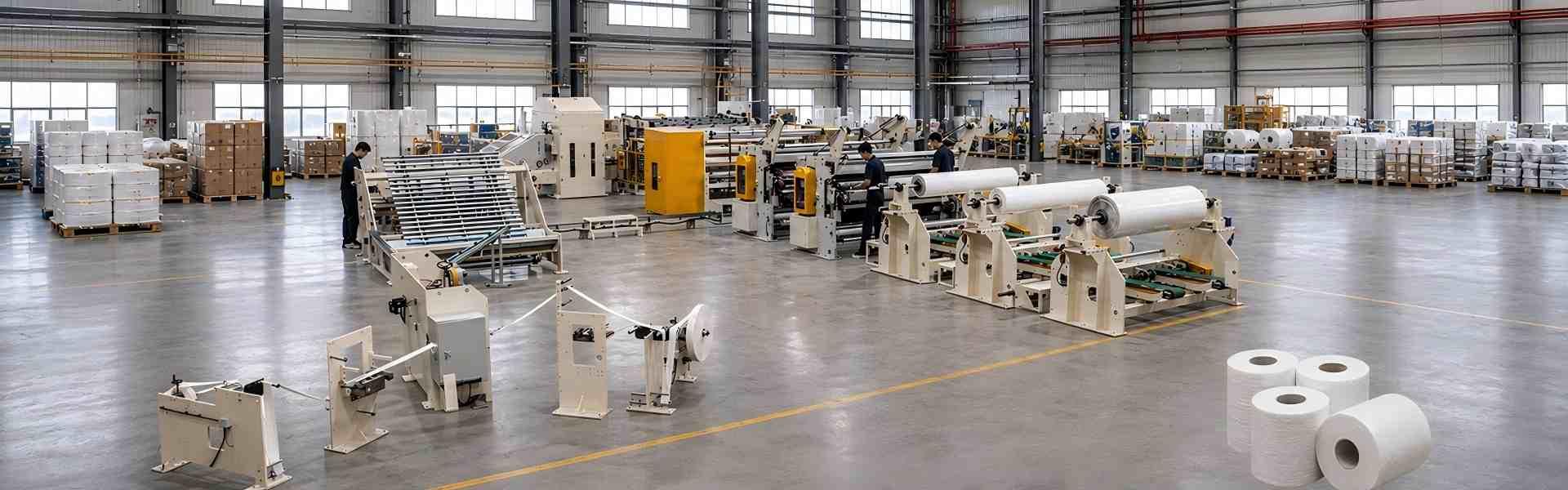
The solution follows a clear sequence: jumbo roll unwinding, embossing and lamination (optional), perforation, non-stop rewinding, log saw cutting, roll conveying, wrapping or shrink packing, and final carton packing. Each stage is coordinated so that material flow and automation level match the confirmed roll format and output target.

toilet-paper-production-flow-800x600-v2.jpg

Core Converting Equipment

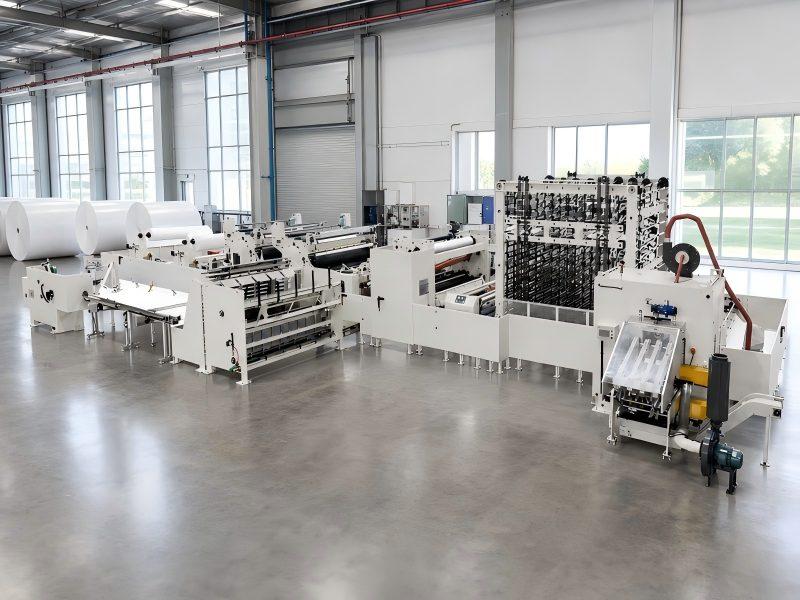
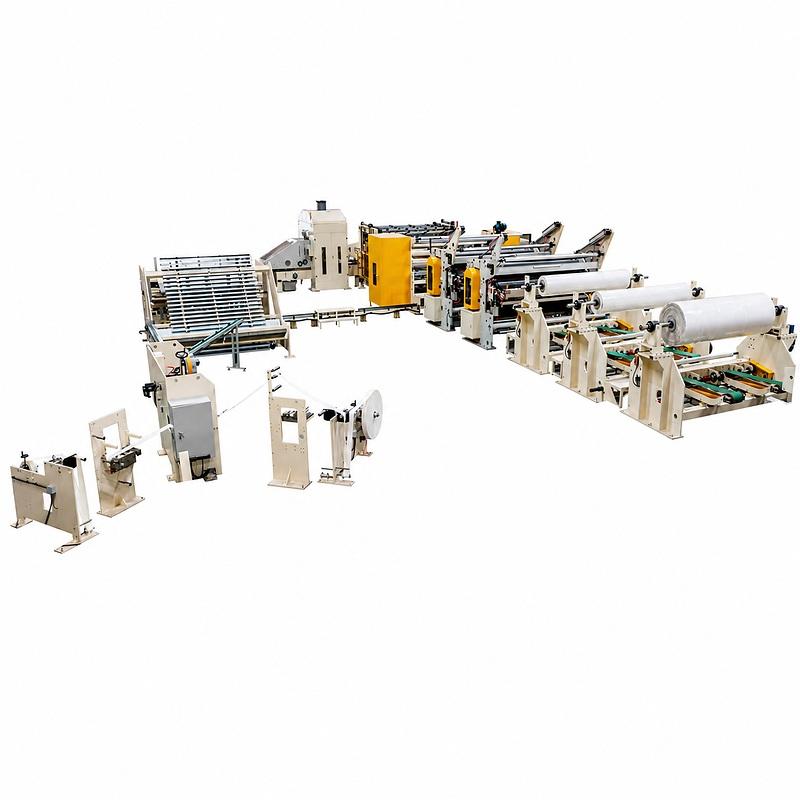
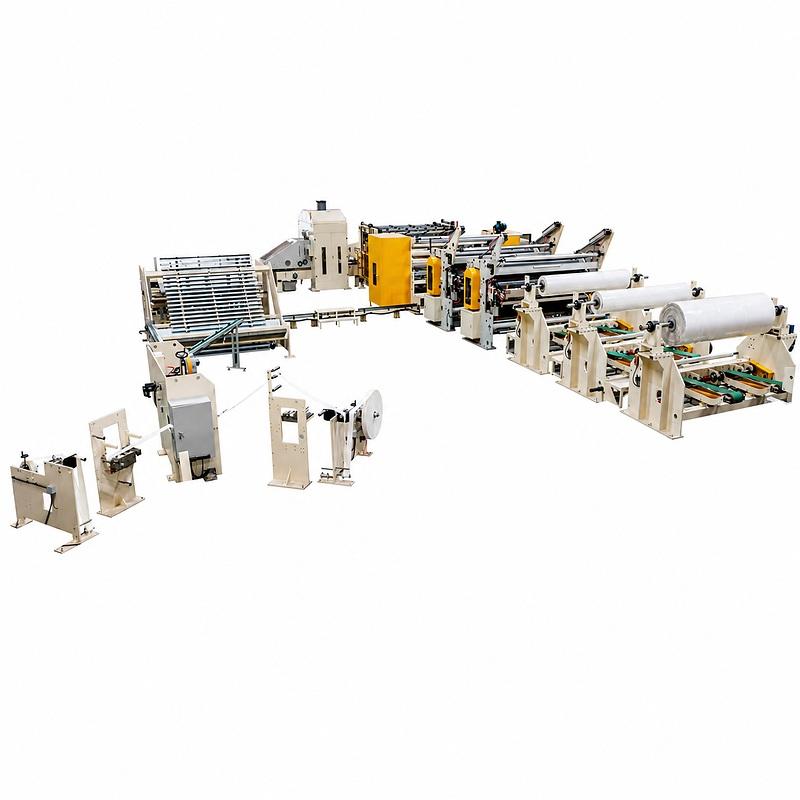
DB-R500 Toilet & Kitchen Non-Stop Rewinder Line

This is the primary converting stage, handling jumbo roll unwinding, embossing, lamination, printing, perforation, non-stop rewinding, and log saw cutting. It is recommended for manufacturers requiring continuous production and an automatic connection between rewinding and cutting.

Confirmed configuration includes:

  • Stable production speed: up to 500 m/min
  • Parent roll width: 2,000–3,650 mm
  • Parent roll diameter: 2,000–3,000 mm
  • One to five independently driven unwind stands
  • Four independent feeding channels
  • Full-servo Siemens motion control
  • Automatic web-break detection
  • Optional embossing, lamination, and printing

Output from this stage: finished toilet tissue logs ready for automatic cutting.

toilet-paper-main-image-DB-R500-800x600.jpg

Roll Conveying and Packaging Selection

Toilet Roll Conveying System

After cutting, the conveying system separates, arranges, and transfers the rolls to the selected packaging machine. Available functions may include roll separation, orientation, product accumulation, inspection and rejection, and automatic wrapping-machine feeding. The conveyor layout is matched to the selected packaging method and factory space.

You must select one primary packaging method based on your target retail format:

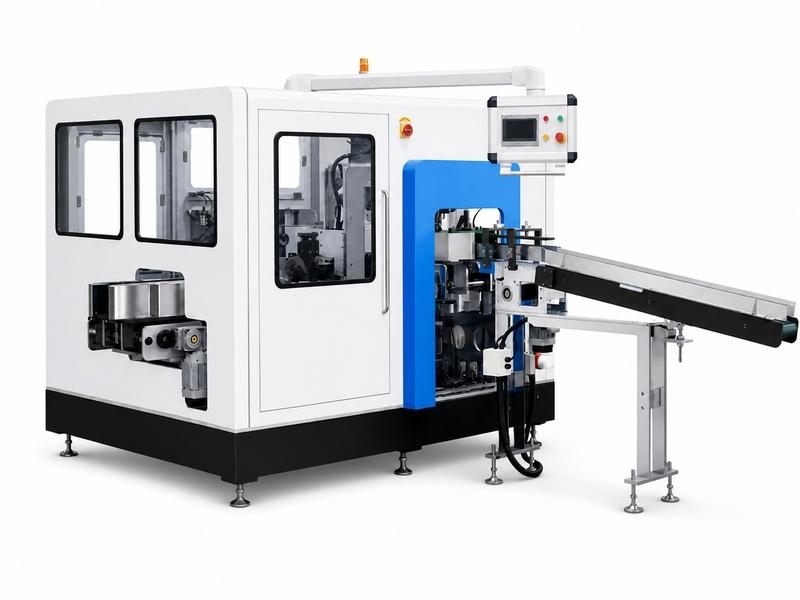
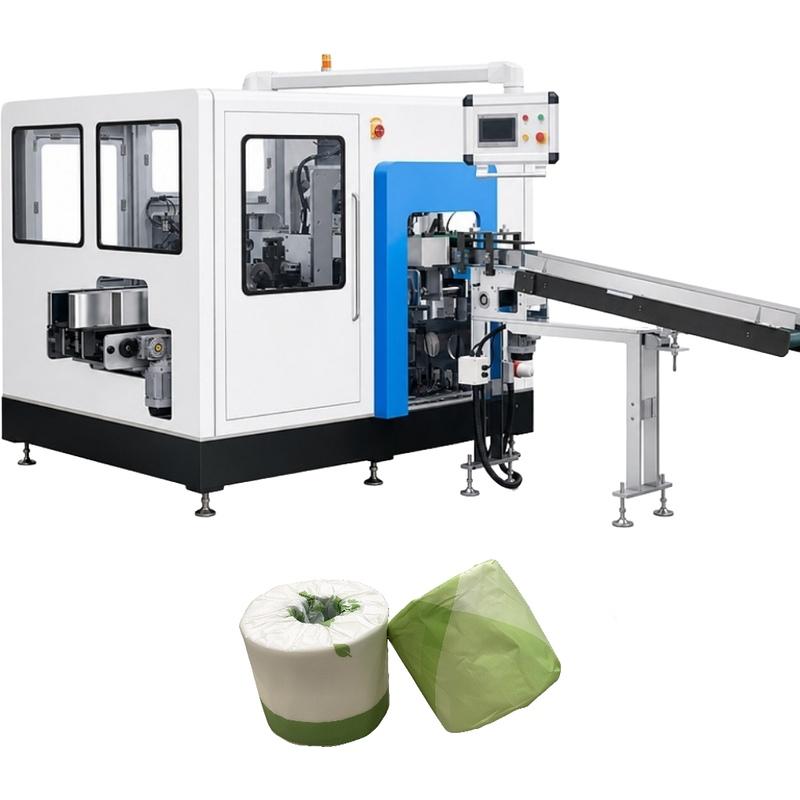
Selection Criteria Option A: DB-TR-120P Wrapping Machine Option B: DB-S-5525 Shrink Packing Machine
Recommended for Individually paper-wrapped toilet rolls Individual or grouped rolls in shrink film
Main function Automatic roll feeding, wrapping-paper cutting, suction, clamping, pressing, and discharge Automatic film sealing, cutting, and heat shrinking
Confirmed speed 60–120 rolls/min 60–100 packs/min
Key size limits Roll width 90–130 mm; diameter 95–130 mm Max pack width + height: 550 mm; center-folded POF film
Changeover Quick size changeover Automatic production-line connection

Both options support automatic production-line connection. The final choice depends on whether your finished product is a single wrapped roll or a multi-roll shrink pack.

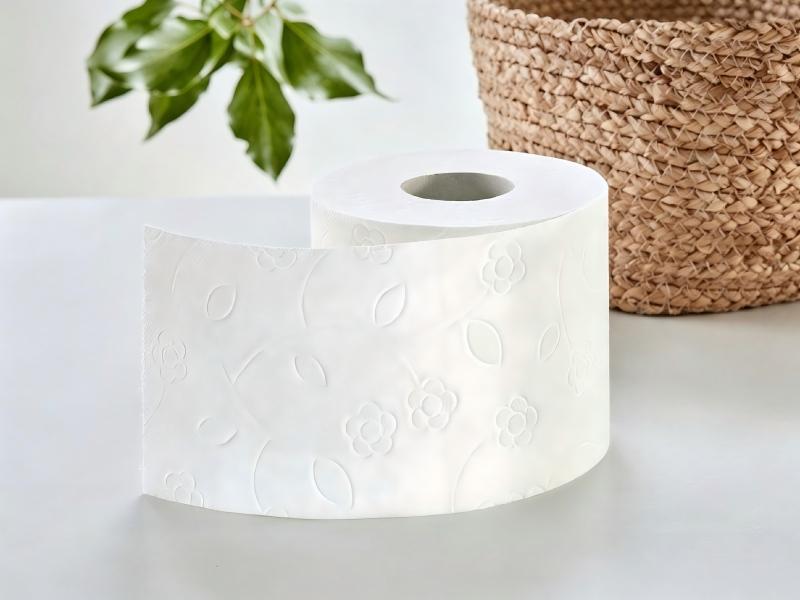
DB-TR-120P-white-background-800x600.jpg

End-of-Line Carton Packing

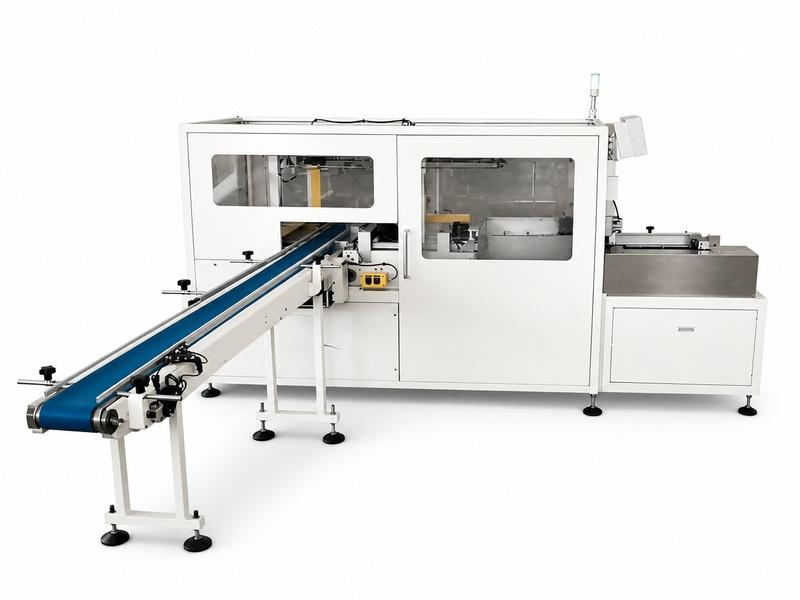
DB-C-8P Semi-Automatic Tissue Case Packing Machine

This optional stage stacks the packaged toilet rolls and assists the operator in loading them into cartons.

  • Maximum design speed: 8 cartons/min
  • Applicable carton length: 220–550 mm
  • Applicable carton width: 130–400 mm
  • Applicable carton height: 150–500 mm

Output from this stage: carton-packed toilet tissue products ready for storage and shipment.

Optional end-of-line additions include carton sealing equipment, coding and labeling systems, and inspection and rejection systems.

DB-C-8P-white-background-800x600.jpg

Configuration Decisions and Product Range

The line can be configured for cored or coreless toilet rolls, single-ply or multi-ply products, and embossed or laminated rolls. The final product range depends on the confirmed roll specifications and selected equipment configuration.

Before engineering review, you must confirm the following parameters:

  • Parent roll width, diameter, and tissue basis weight
  • Number of plies and embossing/lamination requirements
  • Finished roll width, diameter, and sheets per roll
  • Core diameter or coreless requirement
  • Target production output (rolls/min or tons/day)
  • Packaging method: single-roll wrap or multi-roll shrink pack
  • Rolls per package and carton dimensions
  • Factory floor space and power supply standard

Final machine configuration should be matched to tissue grade, finished size, target output, available floor space, and the required level of automation. The values listed above are design parameters, not guaranteed acceptance values.

Project Input Checklist

To prepare a complete line configuration, please provide the following information:

  • Parent roll width and diameter
  • Tissue basis weight and number of plies
  • Finished roll width and diameter
  • Core diameter or coreless requirement
  • Sheets per roll
  • Target production output
  • Required packaging method
  • Rolls per package
  • Carton dimensions
  • Factory dimensions
  • Power supply

Request a Line Configuration Review

Send us your product specifications, packaging requirements, and factory layout. We will prepare a DB-R500-based toilet paper production-line configuration matched to your roll format and output target. For a closer look at the rewinding stage, you can review the DB-R500 non-stop rewinder line details or check the toilet paper machine FAQ for common configuration questions.


Related Cases
Double Machinery KNOWS WHAT YOU NEED,
Market Leader!
Need Help?
Please leave your contact information to get our latest catalog
Get In Touch Now >
  • tel
  • +86 139 0819 6540
  • Please Leave Message

    DOUBLE Machinery
    +86 139 0819 6540
  • info@doubletissuemachine.com
  • whatsapp
    WhatsApp