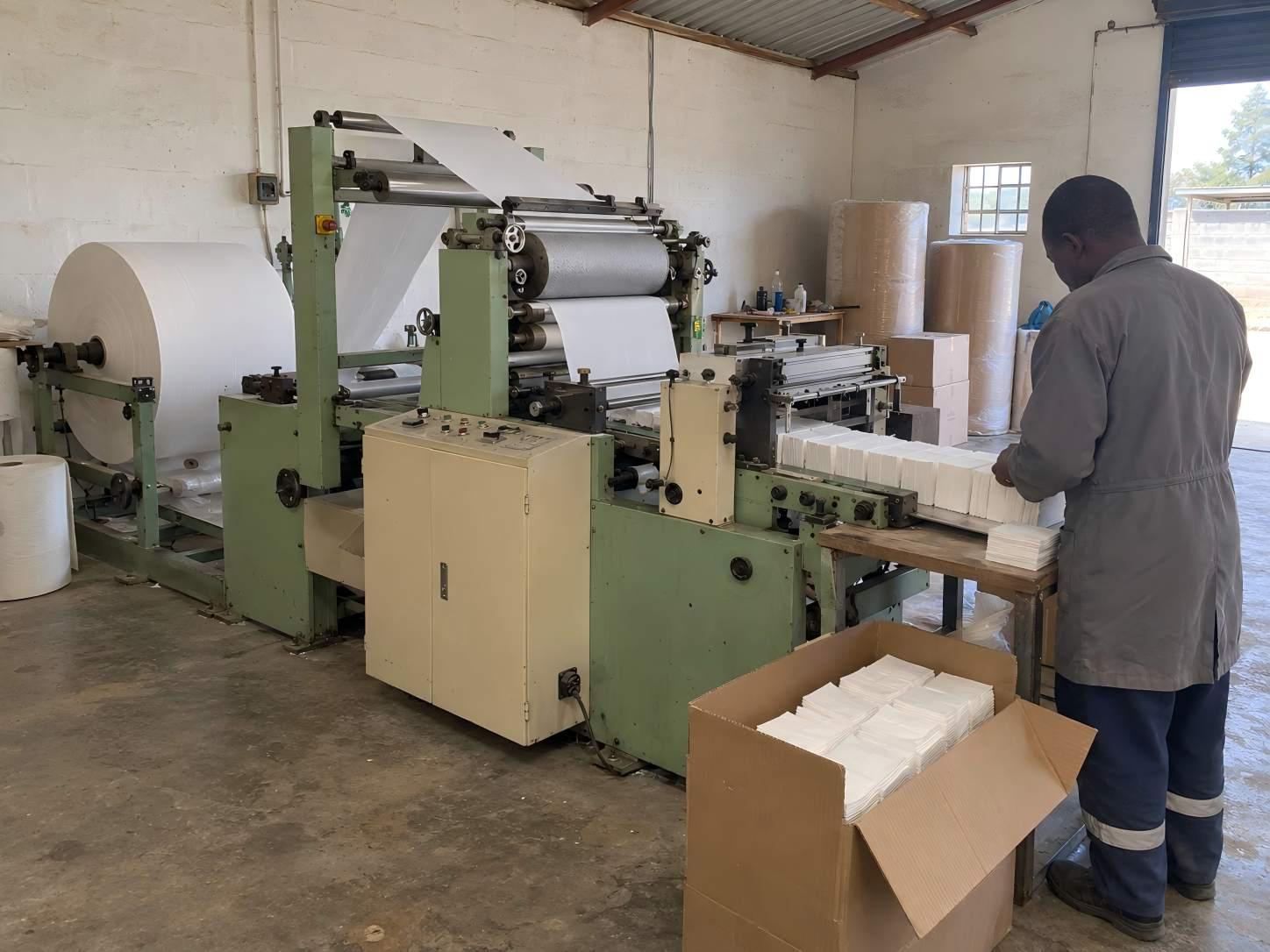
The phrase “tissue paper making machine” can describe two very different projects. Some buyers mean manufacturing paper from pulp; others mean turning an existing tissue roll into saleable facial tissues, towels, napkins or toilet rolls. DOUBLE's product pages reviewed here describe the second project: tissue converting.
Start by naming the incoming material
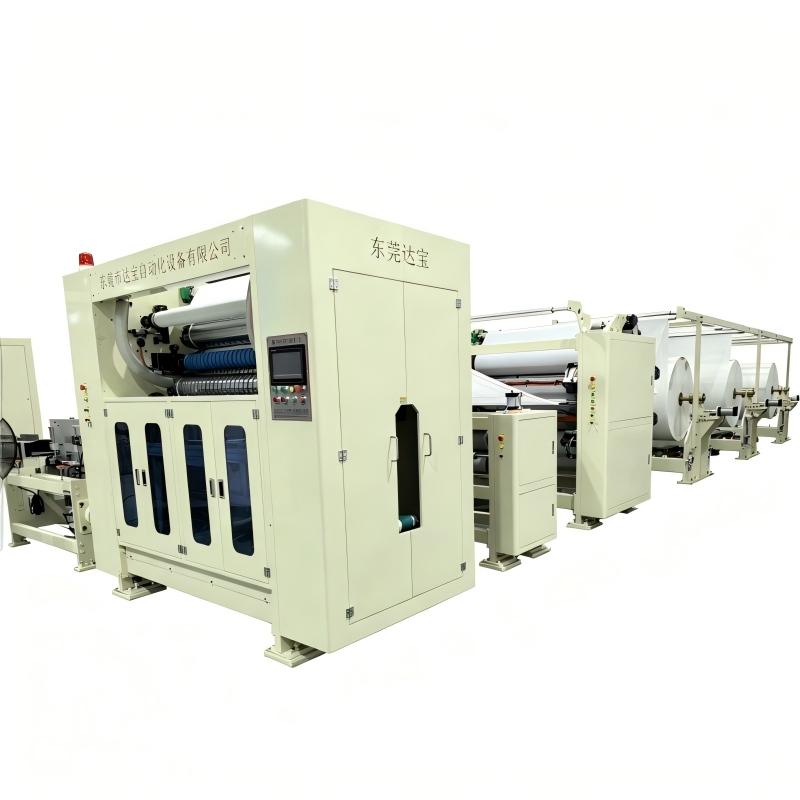
If the factory buys parent tissue rolls, selection begins with paper basis weight, ply, roll width, diameter and core. The process then changes that paper into the required sheet or roll format. If the intended input is pulp or another upstream paper-making feedstock, this converting range does not establish that supply scope; the process and equipment boundary need a separate review.
Two converting paths
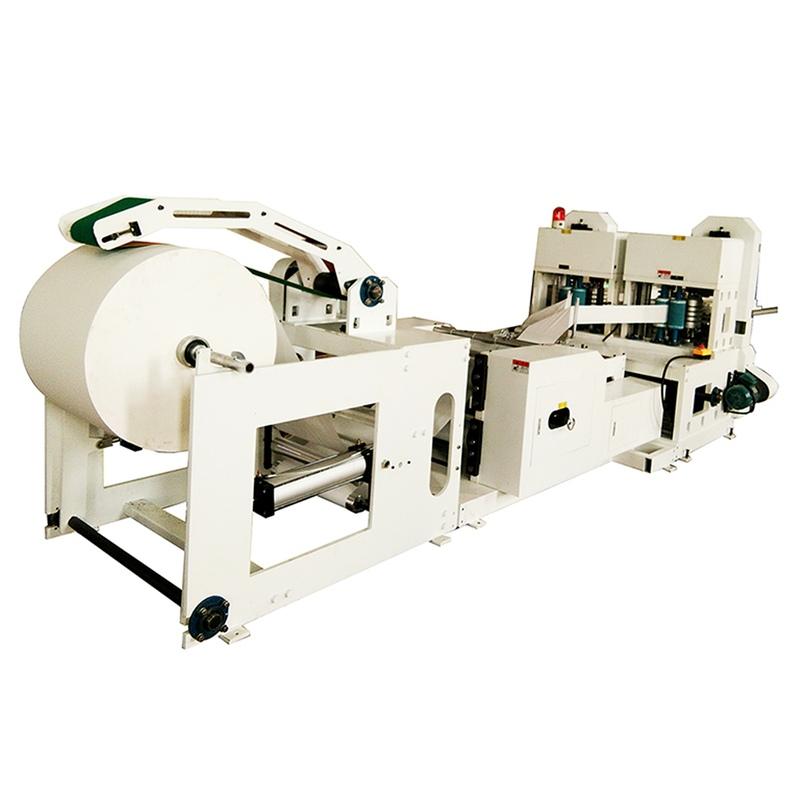
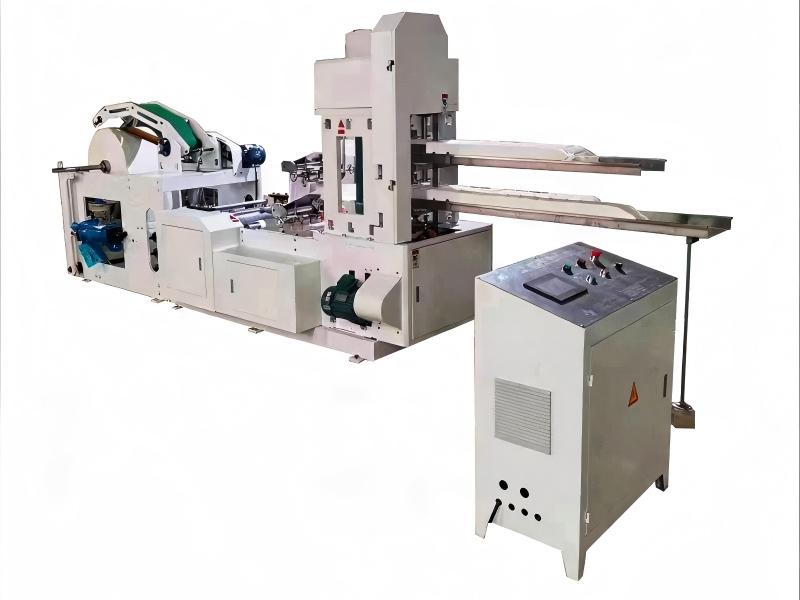
Folded sheets: unwinding and the selected folding process prepare facial tissues, towels or napkins for their agreed cutting and packing stages. The DB-F-V-200 interfolder is one V-fold facial tissue example.
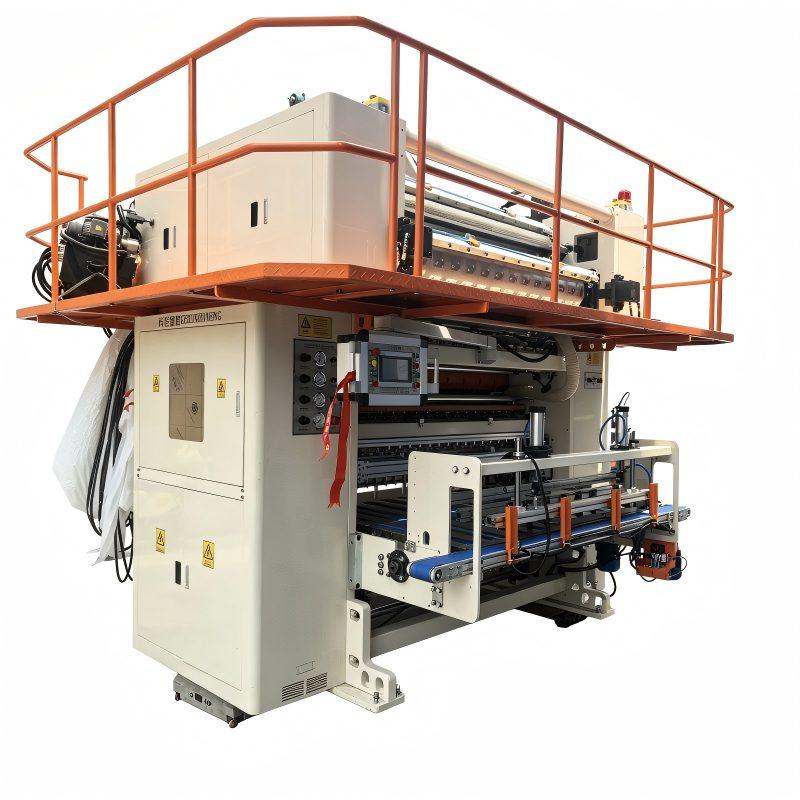
Finished rolls: a rewinding configuration forms the roll product. The DB-R300 rewinder belongs to the toilet tissue and kitchen towel branch, not the interfolded-sheet branch.
Define what “finished” means in the quotation
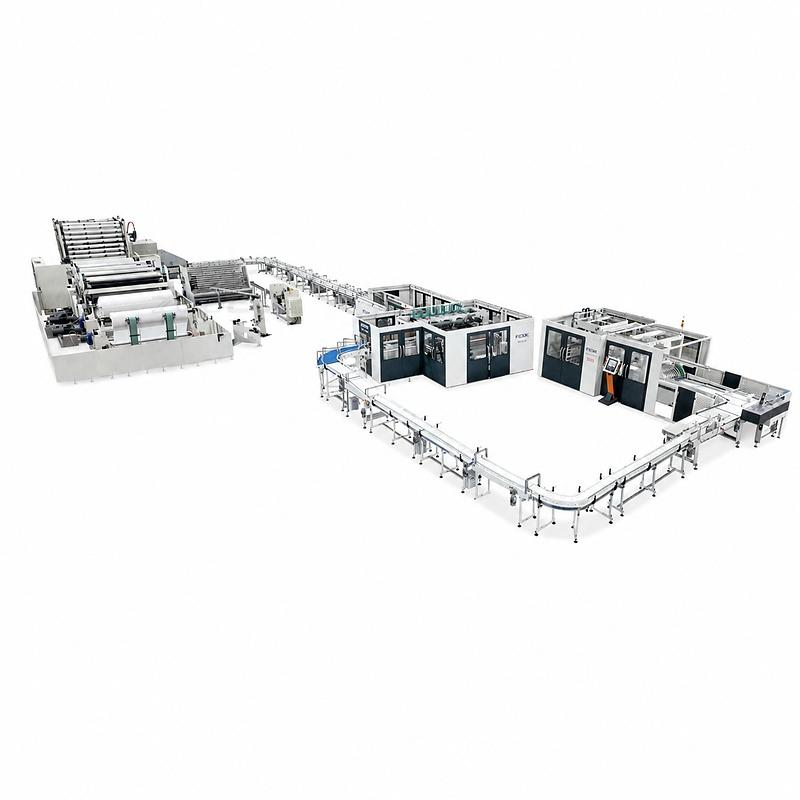
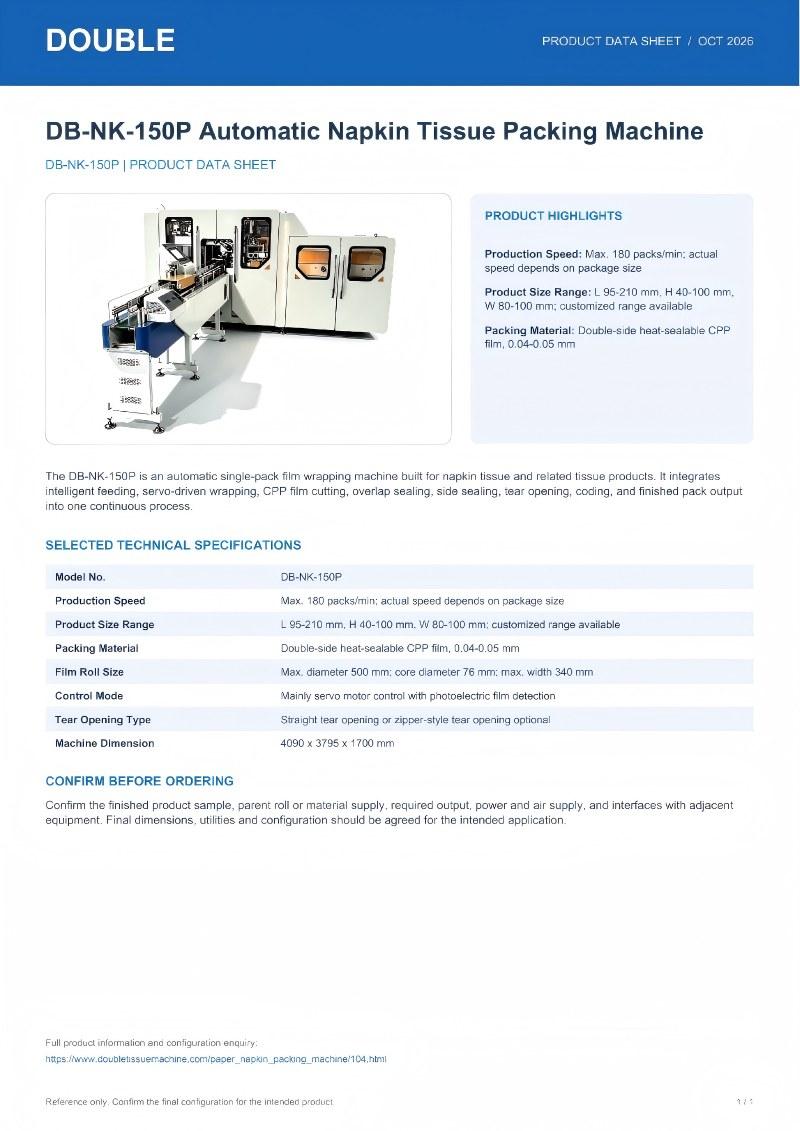
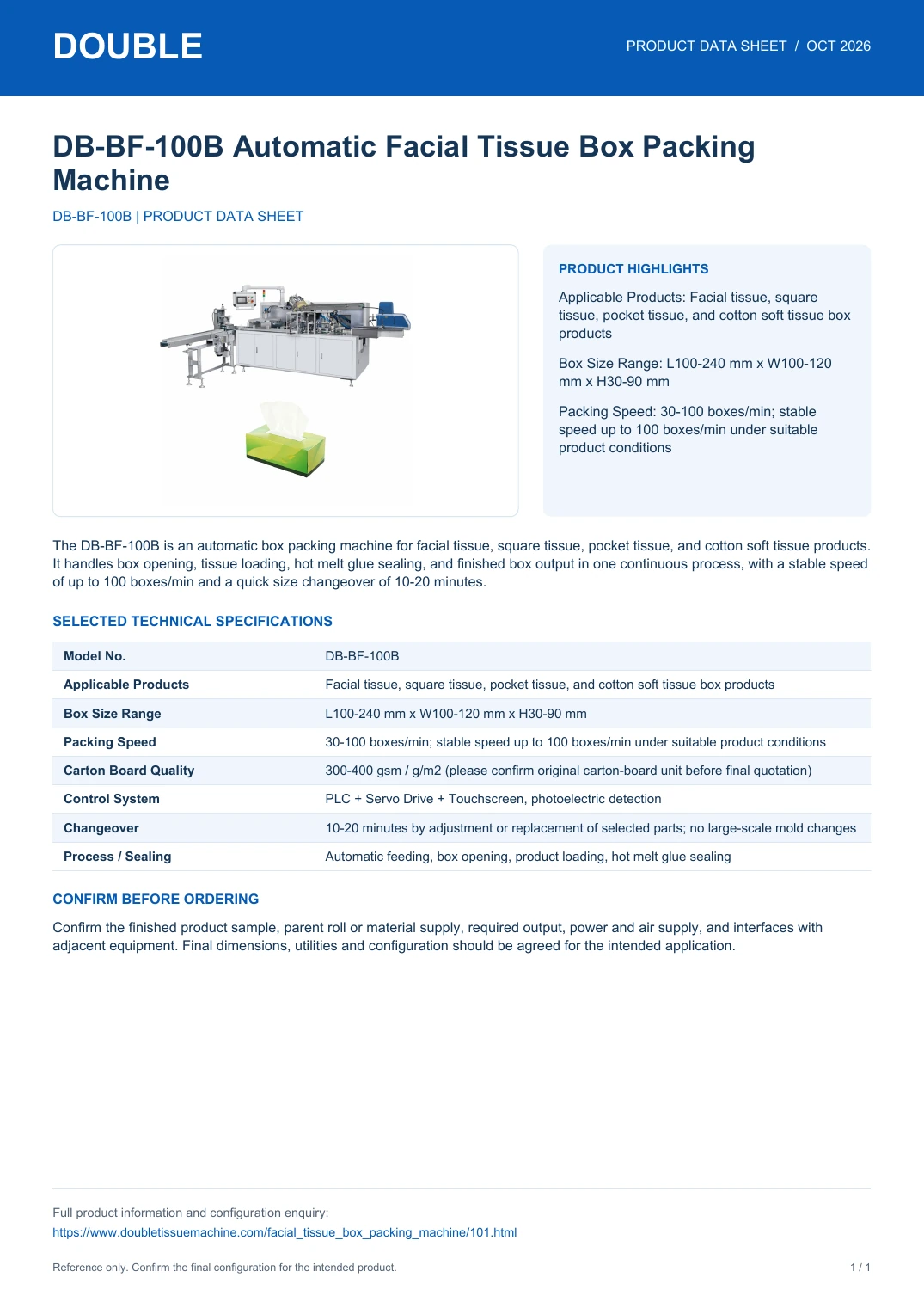
A folded log, a cut stack and a sealed retail pack are different outputs. A quotation should name the output boundary for every supplied machine. The listed soft-pack facial tissue line provides a concrete example of matching folding, cutting, transfer and packing; its optional outer bundling is a further operation.
Use the converting equipment overview to find the product branch, then send the tissue sample, input-roll specification and final package requirement. Clear process language makes proposals easier to compare and prevents a broad search term from becoming an unintended equipment promise.




 Tel: +8613908196540
 Email: info@doubletissuemachine.com
 MP/WhatsApp: +8613908196540
 Manufacturer Address:Dongguan, Guangdong, China