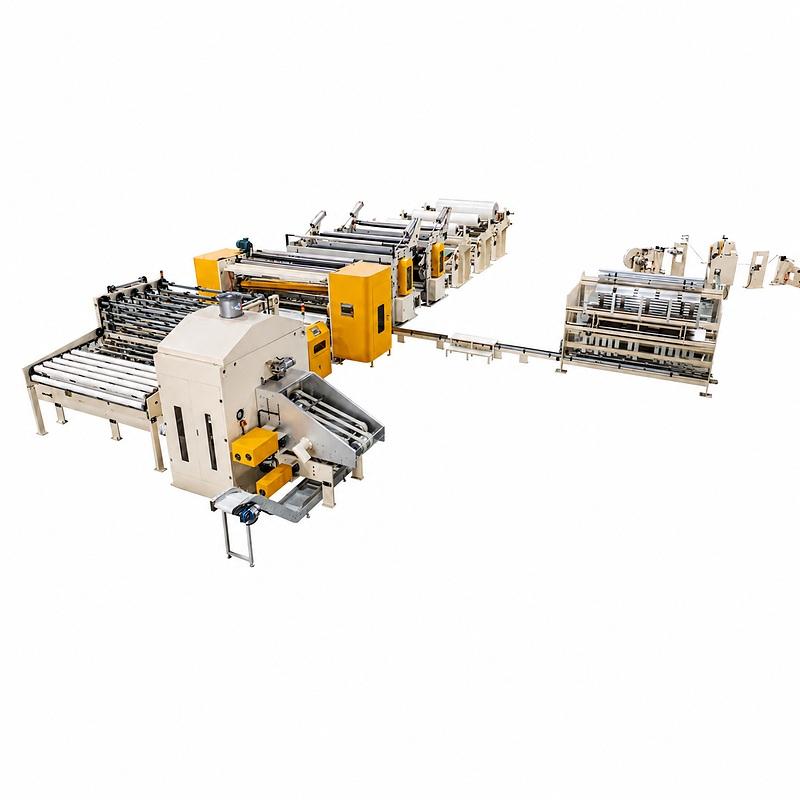
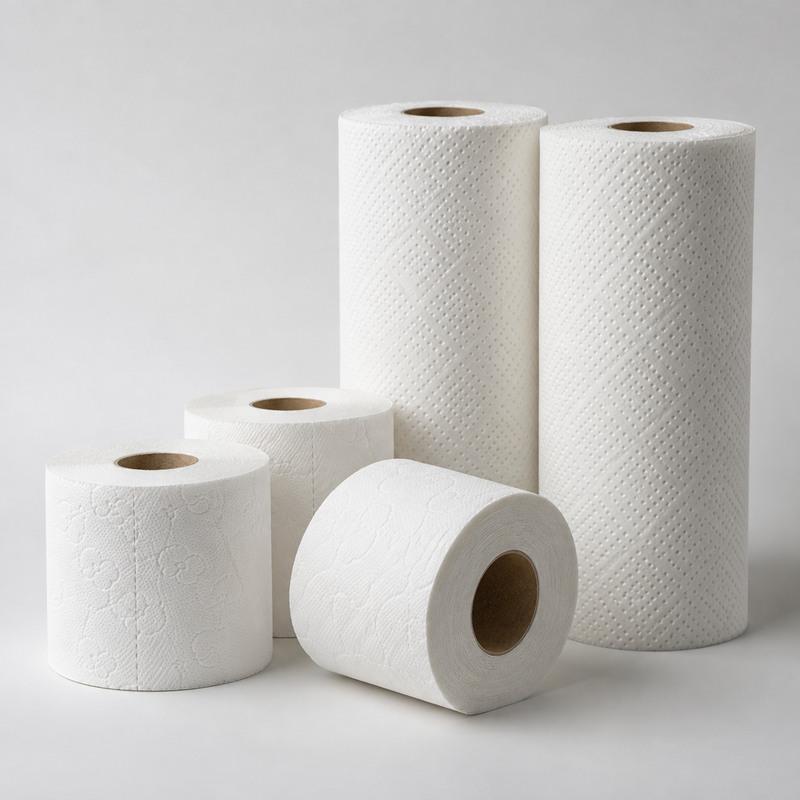
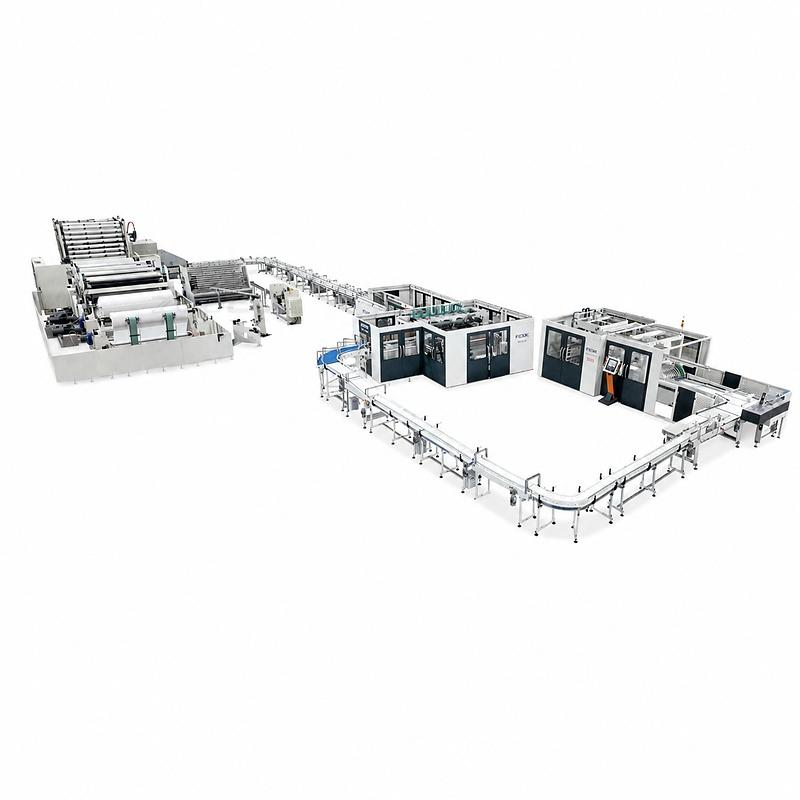
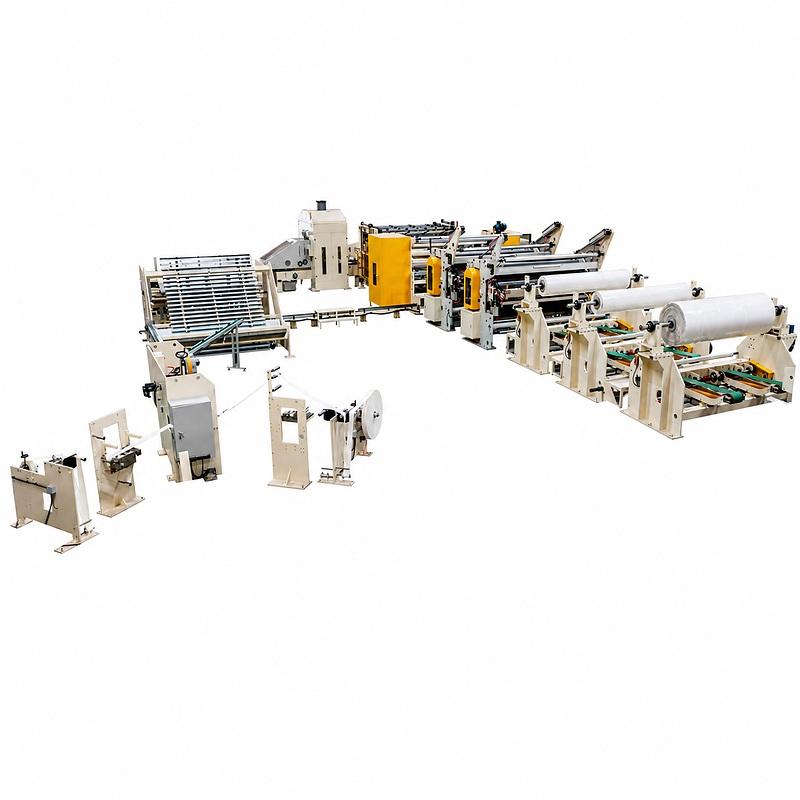
A toilet paper machine converts tissue parent rolls into the required roll product. Roll dimensions, core arrangement, ply and paper properties establish the rewinding configuration. Cutting and packing then determine how that output becomes the saleable product.
Specify the roll, then choose the modules
- Finished product
- Record roll diameter and width, core requirements, ply and the intended sheet or perforation arrangement. Toilet tissue and kitchen towel requests need their own samples.
- Parent-roll input
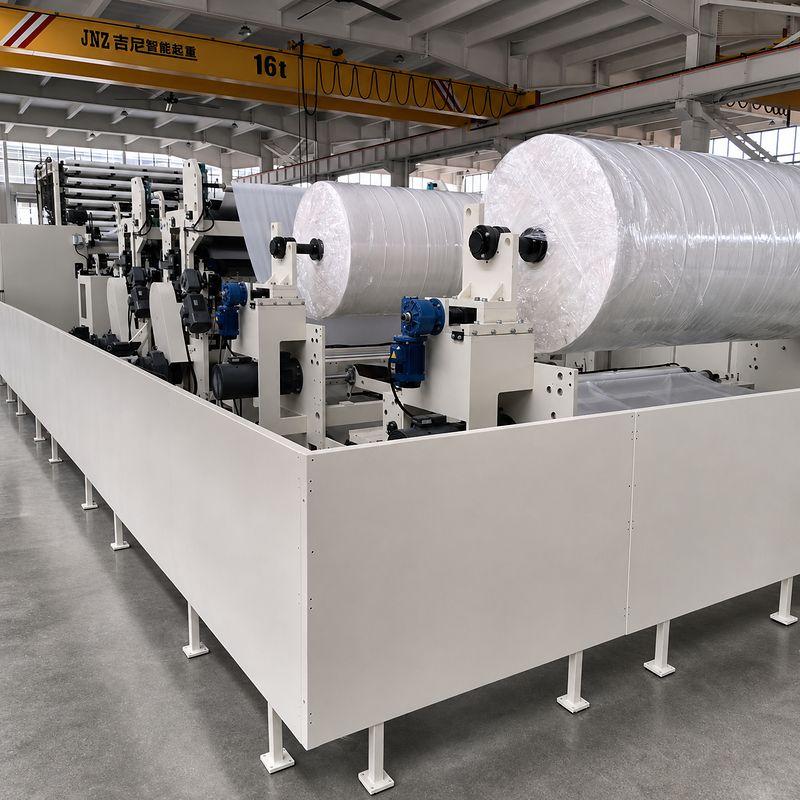
- Supply roll width, diameter, core size and paper basis weight. These describe what the unwind section receives, not what the finished roll will measure.
- Selected processing
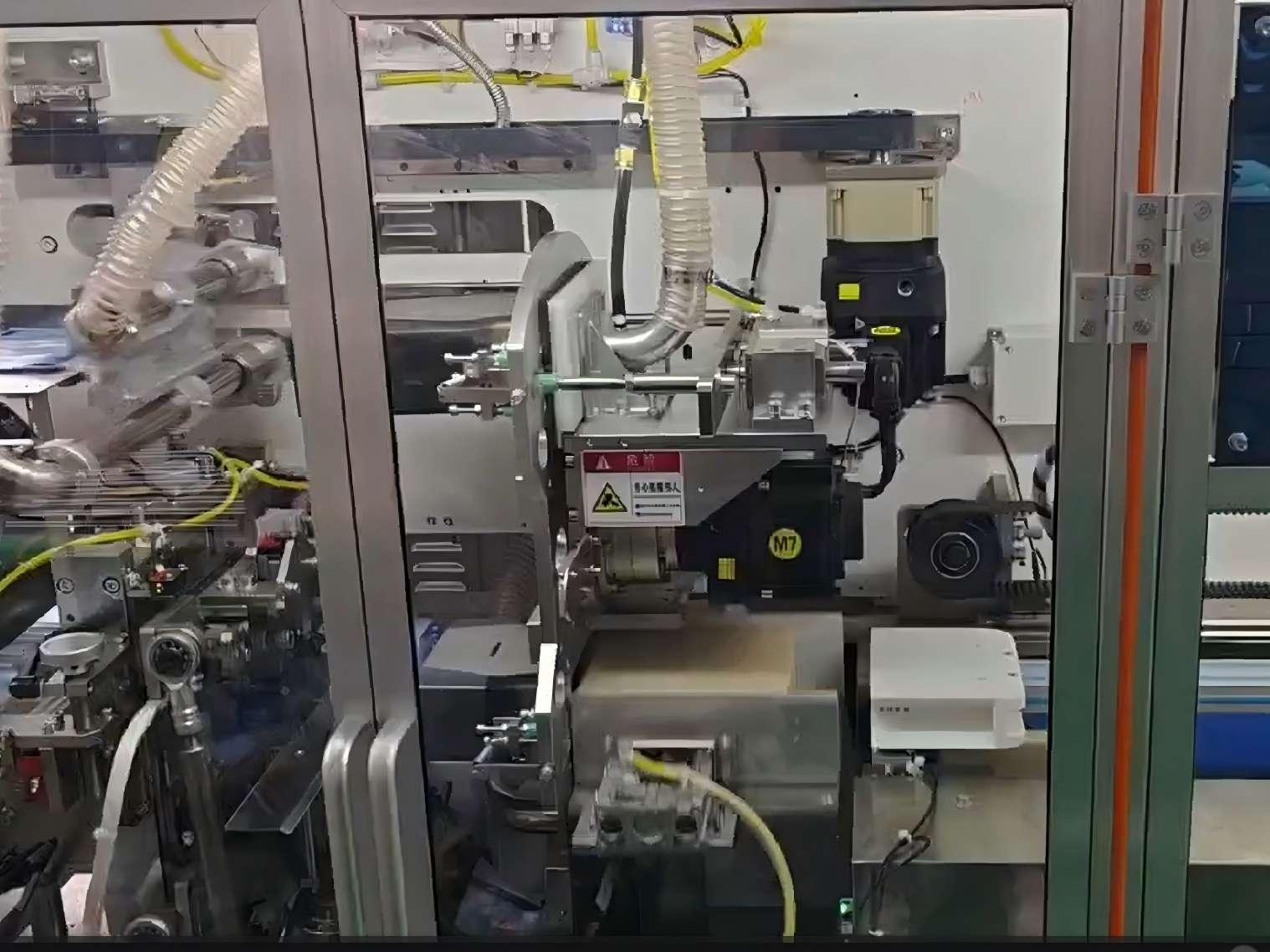
- Discuss embossing, printing and lamination as model-specific choices. List the required choices explicitly instead of assuming every pictured module is included.
Two published rewinder routes
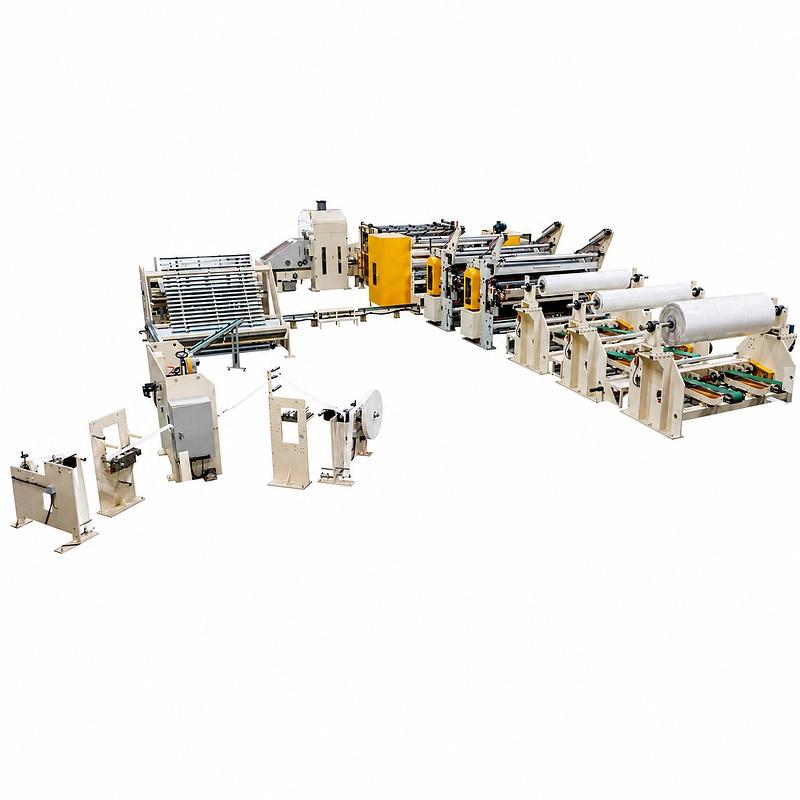
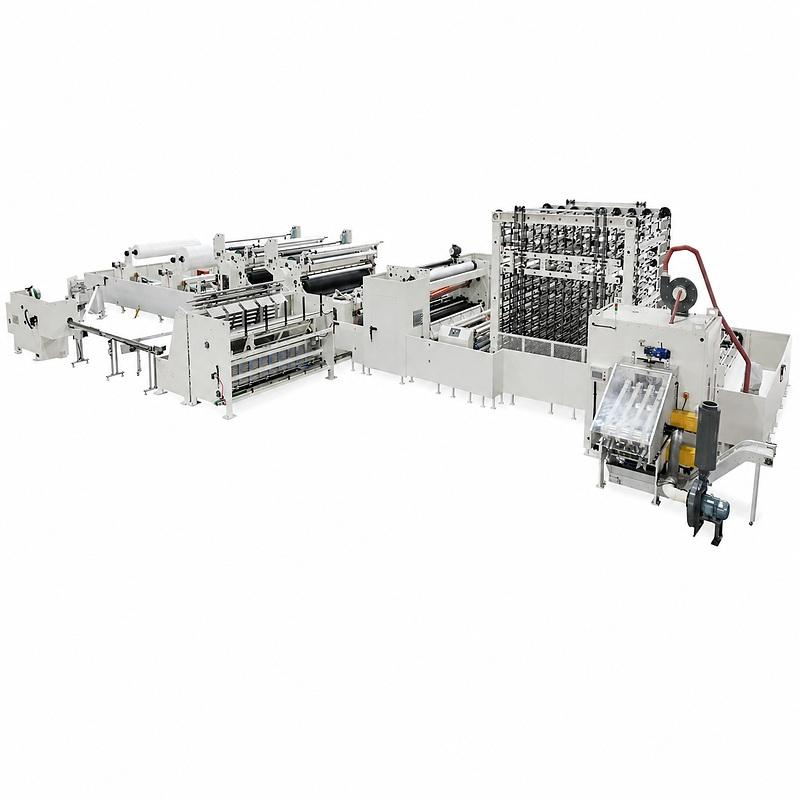
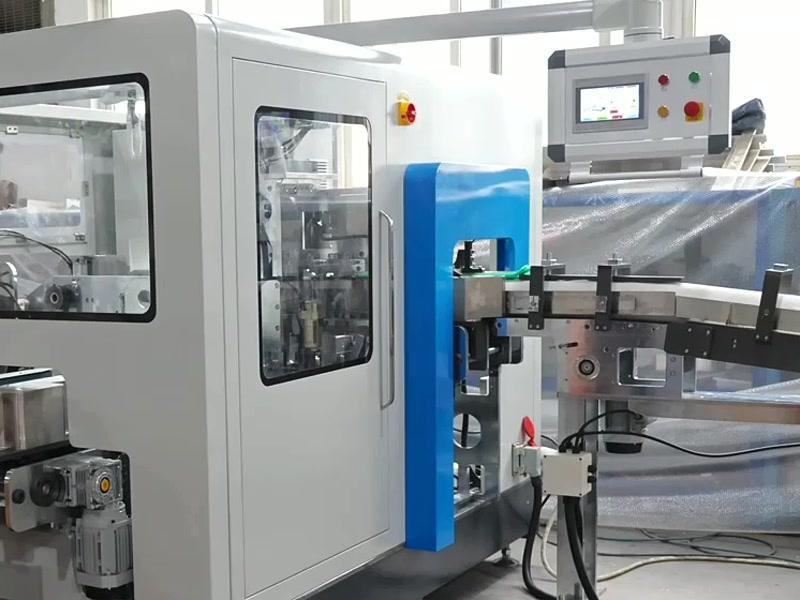
The DB-R300 page describes core and coreless roll forming with optional unwind, embossing, printing and lamination configurations. The DB-R500 page describes coordinated unwinding, rewinding, perforation and log-saw cutting. Use the relevant model's proposal to settle scope; a feature on one page does not establish it on the other.
The accepted sample should define roll firmness, appearance and perforation expectations alongside size. For comparisons, state whether the output is a wound log, a cut roll or a packed roll, and record the paper and selected modules used. Provide the roll sample, paper specification, cutting requirements and factory layout before discussing connected output or a changeover plan.




 Tel: +8613908196540
 Email: info@doubletissuemachine.com
 MP/WhatsApp: +8613908196540
 Manufacturer Address:Dongguan, Guangdong, China