Hand Towel Folding Machine Workshop Photos: What Buyers Can Learn from a Real Production Floor
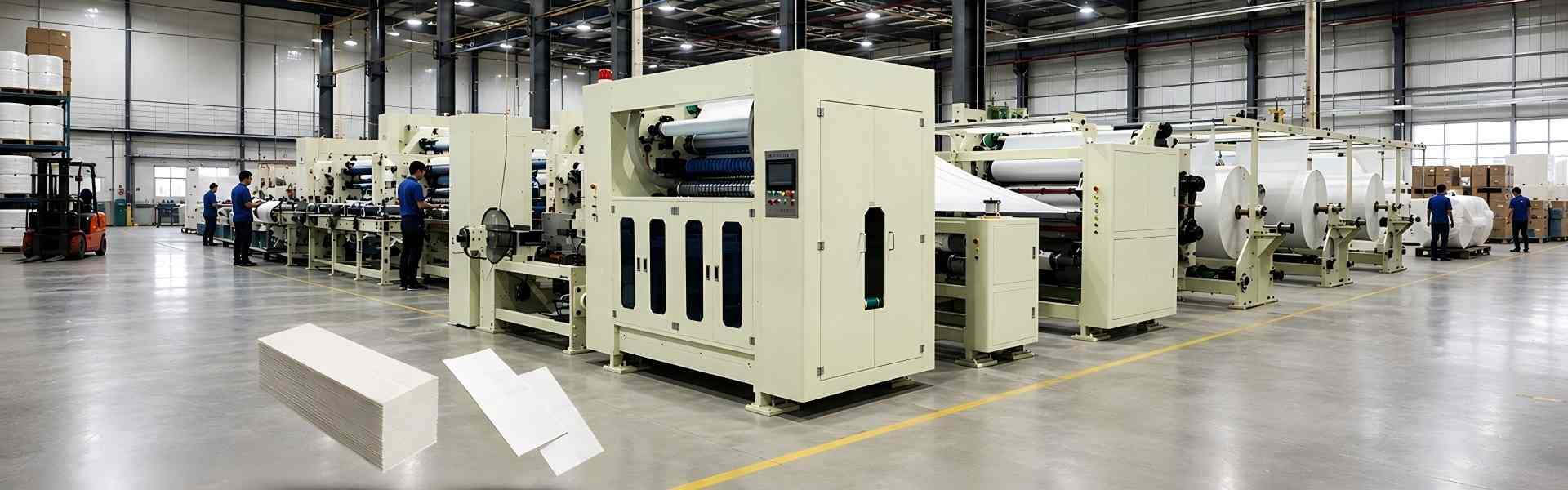
Product photos taken in a studio show a machine at its cleanest, but they rarely answer the questions that matter during equipment selection. Workshop photos of a hand towel folding machine show the unit as it actually sits on a factory floor: how much space the frame occupies, where operators stand, how the folding section is accessed, and how the machine relates to the surrounding work area. For buyers comparing hand towel folding equipment, this kind of view is often more useful than a polished catalog render.
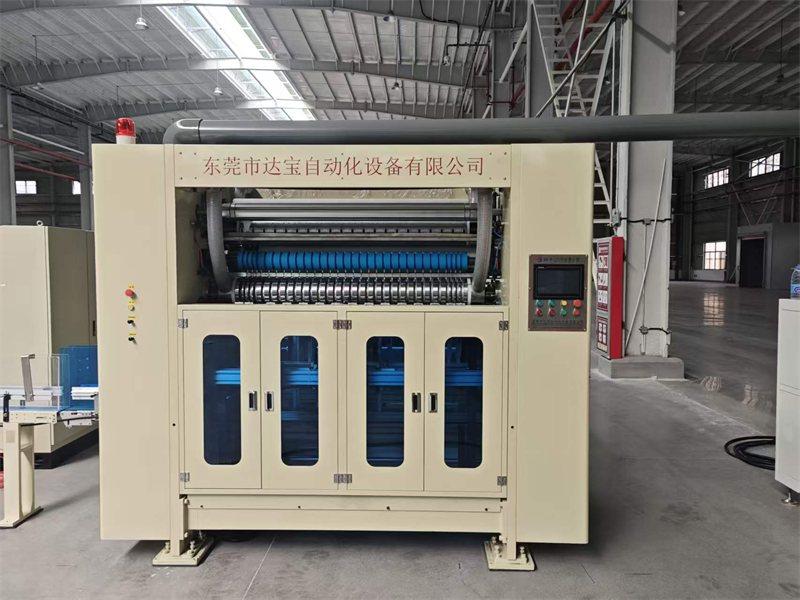
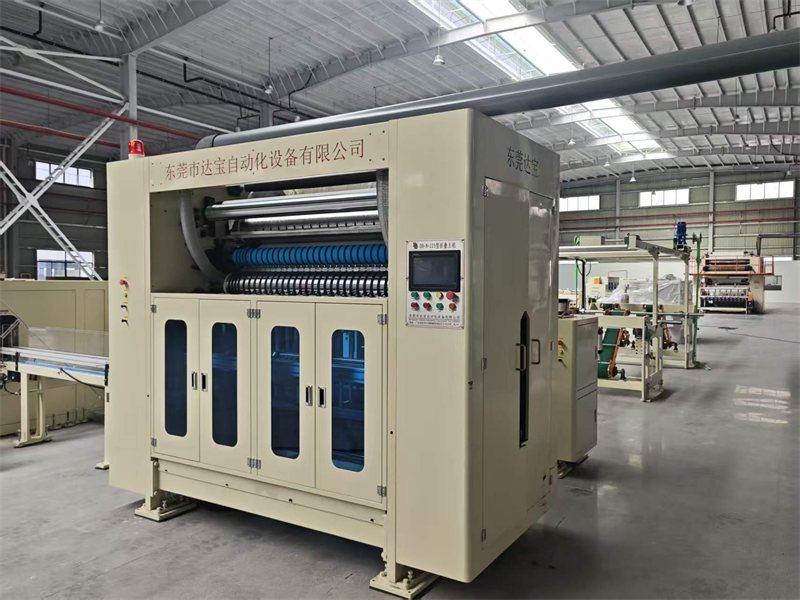
The images below show the DB-N-225 hand towel folding machine from the front and from an angled position. Together they give a practical reference for layout planning, operator access, and the general build of the machine before a buyer moves into detailed specification discussions.
Why Workshop Photos Matter During Equipment Selection
A hand towel folding machine is usually one part of a longer process that includes parent roll handling, embossing, folding, cutting, counting, and downstream packing. Seeing the machine in a workshop context helps buyers judge how it may fit into an existing line or a new layout.
-
Footprint and clearance: the photos show the machine body and the free space around it, which supports early floor-plan discussions.
-
Operator access: front and angled views indicate where operators would stand for loading, inspection, and routine checks.
-
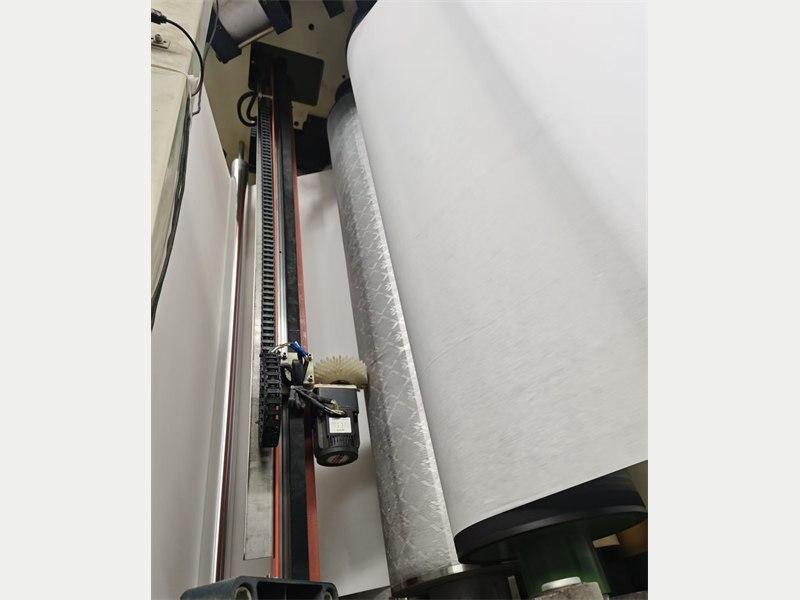
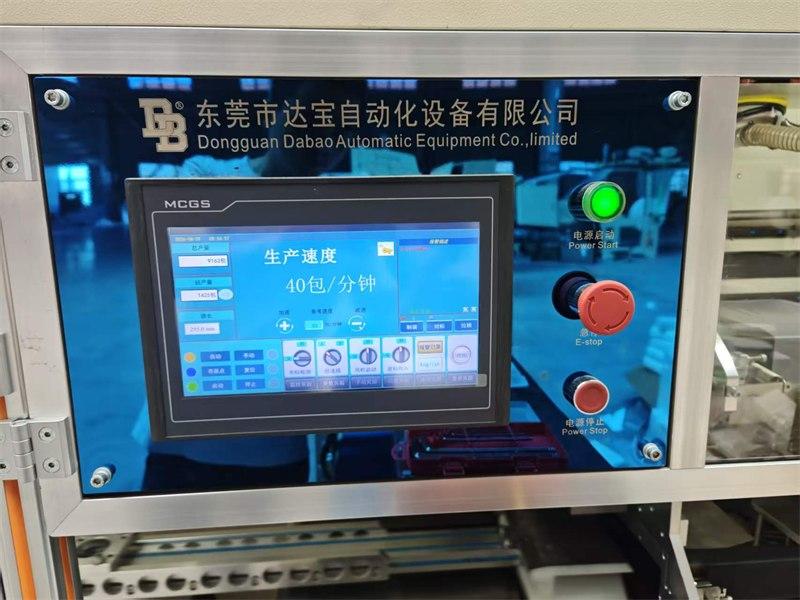
Build and structure: the visible frame, guarding, and folding section help buyers understand the general construction before reviewing detailed drawings.
-
Integration context: the surrounding work area shows how the machine relates to adjacent equipment and material flow.
-
Realistic expectations: workshop images reduce the gap between a catalog photo and the machine a buyer will actually receive.
-
Front and Angled Views of the DB-N-225
The front view gives a clear read of the machine's overall proportions and the position of the main operating side. The angled view adds depth, showing how the folding section and frame sit relative to the floor and to nearby equipment. Used together, the two angles help buyers picture the machine in their own workshop rather than as an isolated unit.
These photos are intended as a visual reference only. Final dimensions, layout clearances, and utility connections should always be confirmed against the approved drawing for the specific configuration ordered.
What to Check Before Requesting a Layout Drawing
Buyers who review workshop photos early tend to ask sharper questions later. Before requesting a layout drawing or quotation, it helps to prepare the following information:
-
The finished hand towel format, including folded size and fold type.
-
The parent roll or input paper specification available at the factory.
-
The target output and the required automation level.
-
Available floor space, ceiling height, and access routes for delivery and installation.
-
Utility conditions such as power supply and compressed air, where applicable.
-
Whether the folding machine will run standalone or connect to upstream and downstream equipment.
With these details, an engineering team can confirm a suitable configuration and advise on layout, rather than working from assumptions.
From Photos to a Practical Next Step
Workshop photos are a starting point for comparison, not a substitute for technical confirmation. Buyers who want to go further can review the DB-N-225 hand towel folding machine in more detail, or look at the wider hand towel paper machine range to compare models and automation levels.
If the folding machine is part of a larger project, it also helps to review how folding, cutting, and packing equipment connect within a complete hand towel production solution before finalizing the equipment list.
Common Buyer Questions
Can workshop photos be used to confirm machine dimensions?
No. Photos help with general orientation and layout thinking, but confirmed dimensions should come from the approved technical drawing for the ordered configuration.
Do the photos show the final configuration?
Workshop photos may show a standard build or a unit in progress. Optional modules, guarding, and downstream connections can change the final layout, so the configuration should always be confirmed in writing.
What information speeds up a quotation?
Folded product size, fold type, parent roll specification, target output, available floor space, and utility conditions are the details that most directly affect configuration and layout planning.
Next Step
Send us your finished hand towel format, target output, available floor space, and automation requirements. Our engineering team can review the details and advise on a suitable hand towel folding machine configuration and layout for your workshop.



 Tel: +86 139 0819 6540
 Email: info@doubletissuemachine.com
 MP/WhatsApp: +86 139 0819 6540
 Manufacturer Address:Dongguan, Guangdong, China