Workshop photos are one of the fastest ways to judge whether an N-fold hand towel production line matches your own factory conditions. Instead of relying on a single product image, a photo set shows how the jumbo roll is loaded, how the machine sections are spaced, how transfer conveyors connect each stage, and how the folded hand towels leave the line. For buyers comparing suppliers, this kind of visual evidence answers practical questions that a specification sheet alone cannot: is there enough room for maintenance access, how much floor space does the line occupy, and how does the finished product flow toward packing or storage?
What These N-Fold Hand Towel Line Photos Show
The images in this set follow the production flow from the start of the line to the finished folded towel. They are intended for project managers, engineers, and procurement teams who need to picture the equipment in a real workshop before requesting a layout drawing or quotation.
-
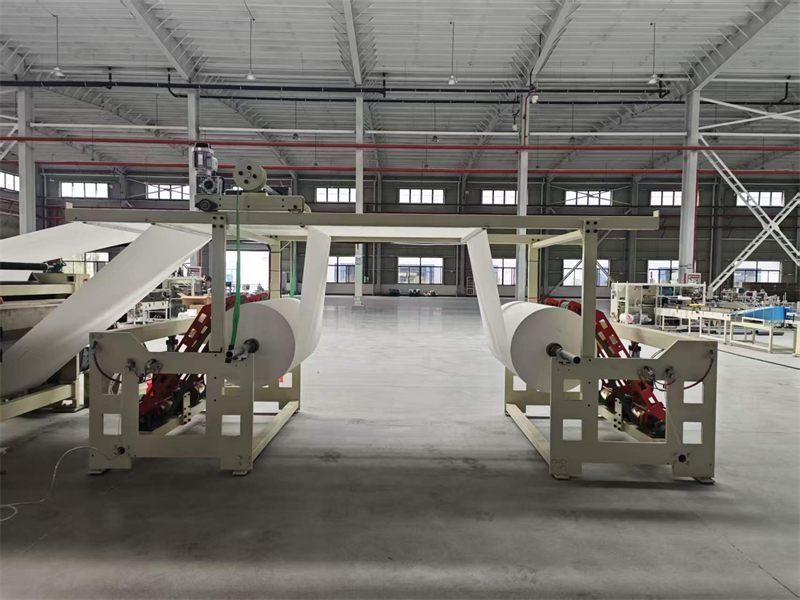
Jumbo-roll feeding: how the parent roll is positioned and unwound at the head of the line.
-
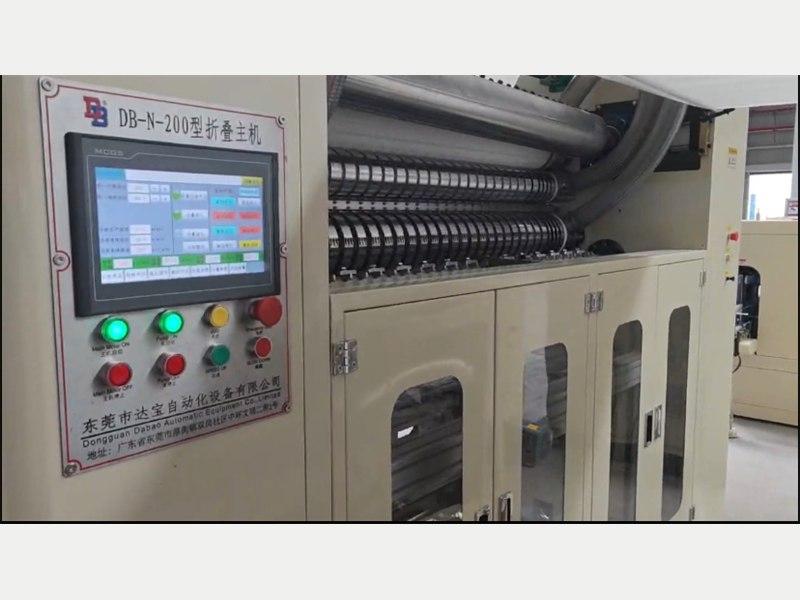
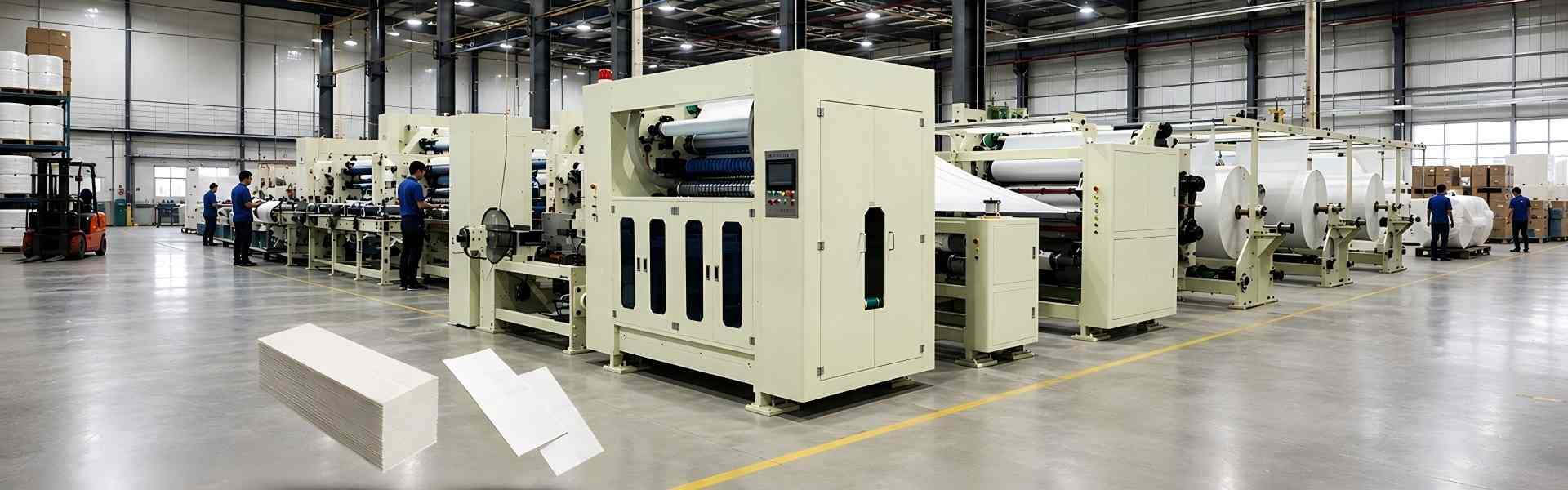
Machine sections: the main folding and cutting units and the space left around them for operation and service.
-
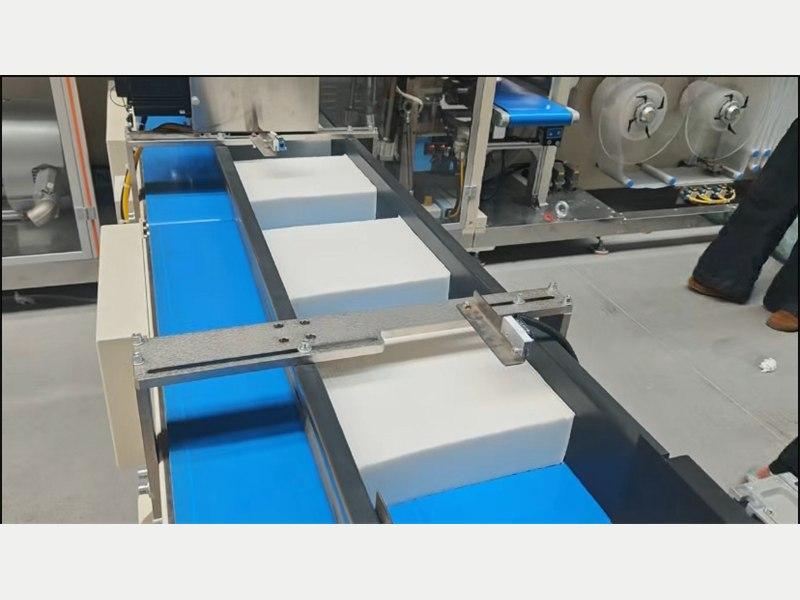
Transfer conveyors: how folded towels move between stages instead of being handled manually.
-
Folded towel output: the finished N-fold hand towel format as it leaves the line.
-
Workshop arrangement: the general relationship between the line, walkways, and surrounding equipment.
-
Why Buyers Ask for Workshop Photos Before Quotation
A workshop photo set helps a buyer check three things early in the project. First, it confirms the working sequence, so the buyer can see whether the line suits an existing building or a new production hall. Second, it shows the level of automation actually installed, which affects how many operators are needed per shift. Third, it gives a realistic view of the machine footprint and the clearance around moving parts, which is often the deciding factor when floor space is limited.
Photos are not a substitute for confirmed technical data. Final speed, working width, power supply, air consumption, and finished towel size depend on the configuration agreed for your project, so these values should always be confirmed against the signed specification rather than estimated from an image.
How to Use These Photos in Your Project Planning
When reviewing the images, compare them against your own site conditions and note the points that need clarification with the supplier:
-
Available floor length and width, including space for maintenance access on both sides of the line.
-
Parent roll or jumbo roll specification you intend to run, and how it is loaded and changed.
-
Target output per shift and the automation level required for folding, counting, and transfer.
-
Downstream connection to packing, cartoning, or bundling equipment.
-
Utility requirements such as voltage, compressed air, and workshop environment.
If you are still comparing machine types, the hand towel paper machine range covers the main N-fold and related folding formats, and the hand towel production solution page explains how folding, cutting, and packing stages are combined into one line.
Next Step
Send us your finished hand towel format, parent roll specification, target output, and available floor space. Our engineering team can review the workshop layout with you and confirm a suitable configuration before quotation.



 Tel: +86 139 0819 6540
 Email: info@doubletissuemachine.com
 MP/WhatsApp: +86 139 0819 6540
 Manufacturer Address:Dongguan, Guangdong, China