What a Factory Visit Reveals About a Toilet Paper Converting Line
A tissue paper manufacturer recently visited DOUBLE Machinery to inspect equipment for toilet roll and kitchen towel production. The customer was evaluating a connected converting line covering rewinding, embossing, perforation, cutting, wrapping, and secondary packing. For buyers planning a similar project, the visit shows which decisions have to be settled before a converting line can be quoted accurately.
Reviewing the Rewinding Process
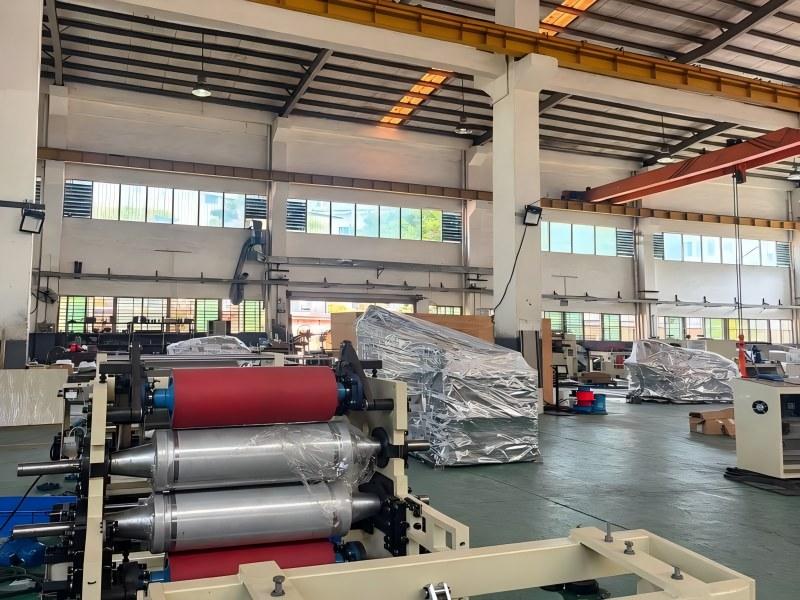
The factory tour began with the toilet paper rewinder. Our team introduced the parent-roll loading, web feeding, embossing, perforation, core feeding, rewinding, log discharge, and tail-sealing processes.
The customer discussed the required roll diameter, sheet length, perforation distance, core size, number of plies, paper weight, and embossing style. These specifications directly affect the rewinder configuration and finished-roll quality.
The customer was also interested in continuous production, so the discussion covered automatic log changeover and how the line maintains production while reducing manual intervention.
Log Cutting and Finished-Roll Handling
After rewinding, the customer reviewed the log saw used to cut long paper logs into individual toilet rolls or kitchen towel rolls. Our engineers explained how roll width, cutting accuracy, blade condition, and log feeding affect the finished product.
The customer also inspected wrapping and bundling options. The proposed packing arrangement depends on whether the rolls will be sold individually, in small retail packs, or in larger bundles.
Matching the Complete Line
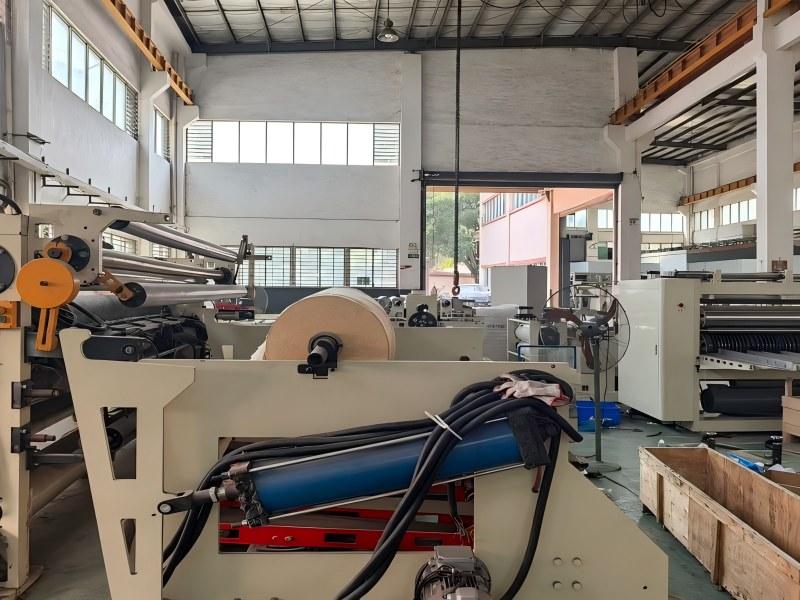
A complete toilet paper production line requires balanced output between the rewinder, log saw, and packing machines. During the technical meeting, both teams discussed line speed, product transfer, accumulation areas, operator positions, and finished-product discharge.
Factory utilities were also reviewed, including electrical power, compressed air, dust collection, and the space required for parent-roll handling.
What Buyers Should Prepare Before a Line Proposal
Based on this visit, the information that most affects the final equipment proposal can be grouped into four areas:
-
Finished-roll specification: roll diameter, sheet length, perforation distance, core size, number of plies, paper weight, and embossing style.
-
Packing format: individual rolls, small retail packs, or larger bundles, since this determines the wrapping and bundling arrangement.
-
Output and continuity: required output and whether automatic log changeover is needed to reduce manual intervention.
-
Factory conditions: electrical power, compressed air, dust collection, and the floor space available for parent-roll handling and product transfer.
Reviewing these points together helps avoid selecting machines individually without considering how they will operate as one line.
Project Outcome
The visit established the basic direction for the toilet paper converting line. The customer can now confirm the finished-roll specifications, pack arrangement, required output, and factory layout before the final equipment proposal is prepared.
This approach reduces the risk of selecting machines individually without considering how they will operate together.
Related Equipment and References
Buyers comparing a similar converting line can review the toilet paper and kitchen towel machine range and the tissue paper cutting machine catalog to match rewinding, cutting, and packing equipment to their own product format.
Next Step
To prepare a suitable converting line configuration, share your finished-roll specifications, pack arrangement, target output, factory layout, and available utilities with our engineering team.



 Tel: +86 139 0819 6540
 Email: info@doubletissuemachine.com
 MP/WhatsApp: +86 139 0819 6540
 Manufacturer Address:Dongguan, Guangdong, China