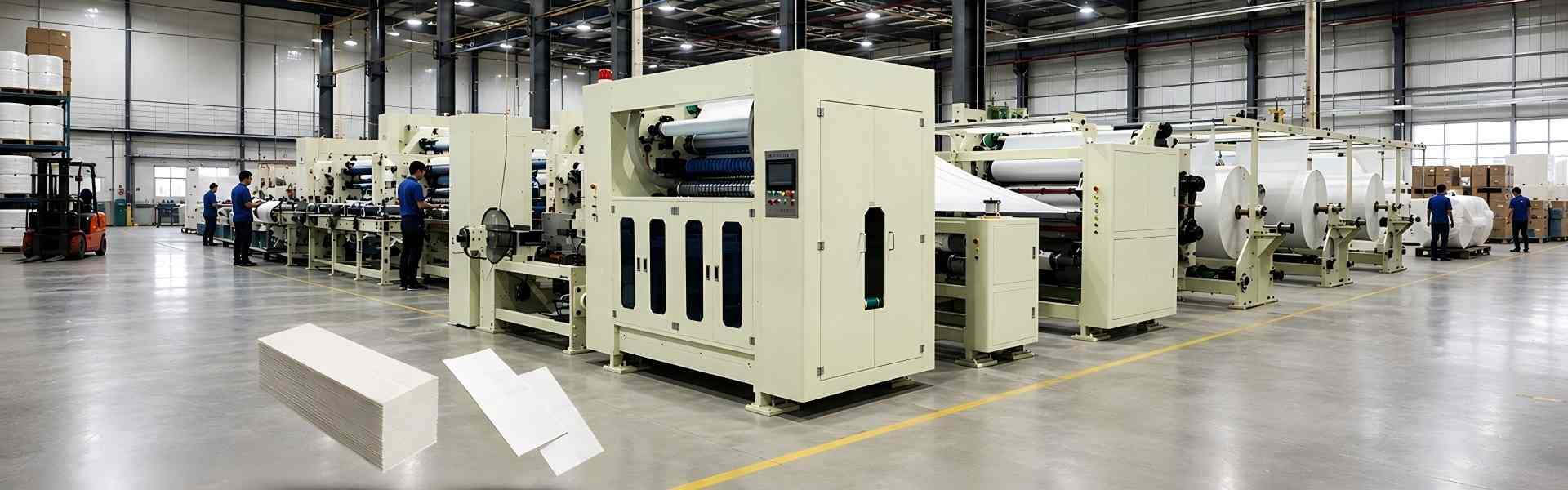
Workshop photos of a V-fold facial tissue machine help buyers see how the equipment is actually arranged on a factory floor, not just how it looks in a studio product shot. For teams planning a facial tissue converting line, these views of the DB-F-V-200 Tissue Interfolder show the machine structure, the working area around it, and the way the unit sits within a production environment. That context matters when you are comparing configurations, checking floor space, or preparing questions for an equipment supplier.
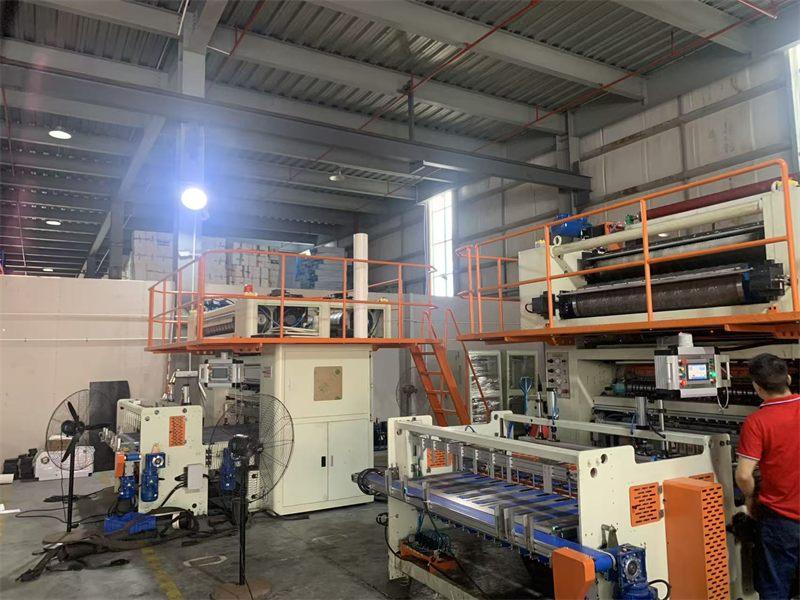
What These V-Fold Facial Tissue Workshop Photos Show
The images below document the DB-F-V-200 Tissue Interfolder in a manufacturing setting. Instead of a single isolated product image, the set covers several angles of the same machine, so buyers can review the visible frame, the folding section area, and the space reserved for operation and maintenance access. For anyone evaluating a V-fold facial tissue line, this kind of workshop view is often more useful than a catalog rendering because it reflects real installation conditions.
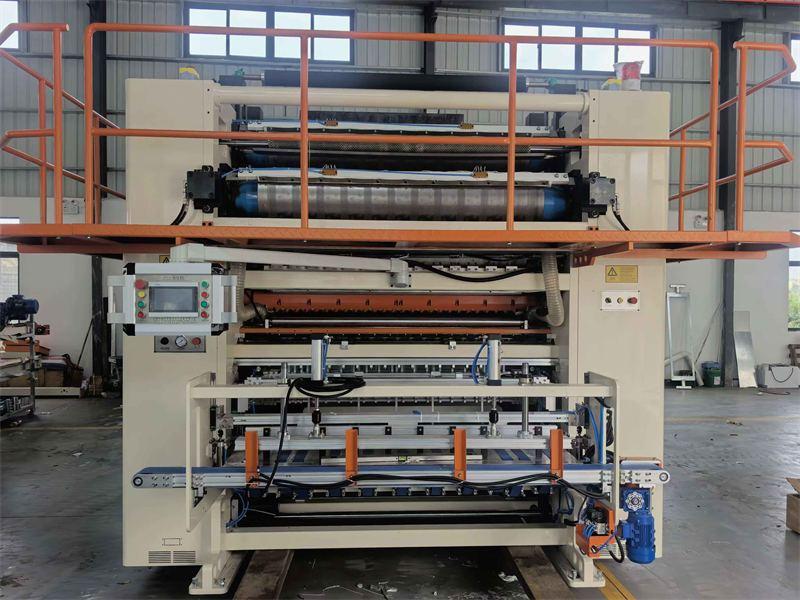
Why Workshop Views Matter When Comparing Equipment
A facial tissue interfolder does not run on its own. It connects to upstream parent-roll handling and downstream packing equipment, and its footprint affects how the whole line is laid out. Workshop photos give a practical reference for:
-
Floor space planning — judging how much room the machine and its access areas occupy in a real bay.
-
Maintenance access — seeing which sides of the machine are kept clear for service and adjustment.
-
Line integration — understanding how the interfolder relates to adjacent equipment and material flow.
-
Configuration checks — comparing the visible structure against the specification you intend to order.
-
Buyer discussions — using real views as a shared reference when talking with engineers or suppliers.
-
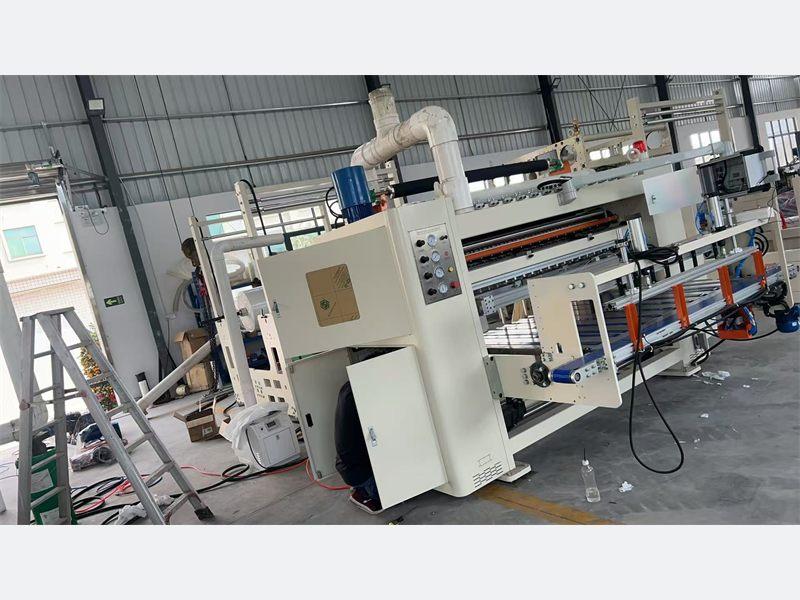
How to Use These Photos in Your Evaluation
Treat workshop photos as supporting evidence, not as a substitute for confirmed specifications. When reviewing them, note the machine orientation, the clearance around the unit, and how the working area is organized. Then match those observations against the technical data you have been given for the model, and raise any differences with the supplier before ordering. If a detail such as exact dimensions, output speed, or utility requirements is not confirmed in your documentation, ask for it directly rather than estimating from a photo.
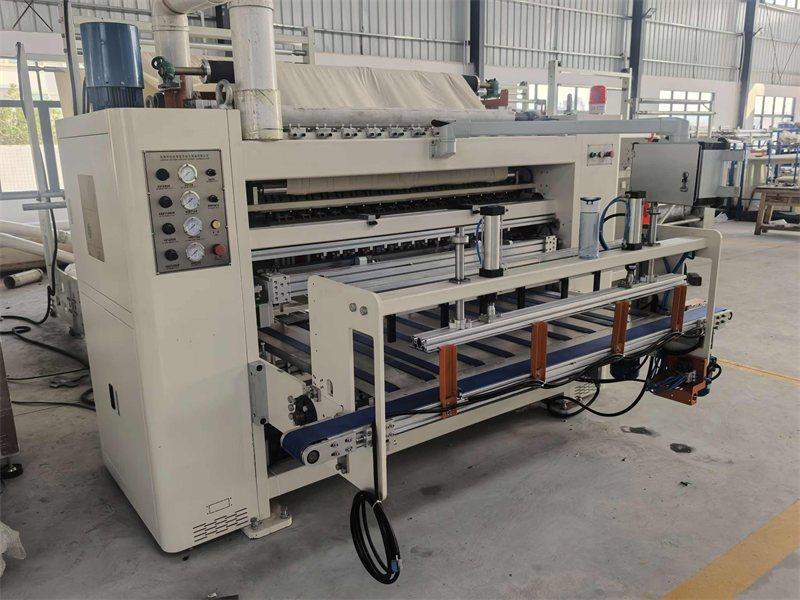
Next Step
If these views match the kind of V-fold facial tissue setup you are planning, the next step is to compare the machine against your own product format, target output, and available floor space. You can review the DB-F-V-200 V-Fold Tissue Interfolder for model details, or browse the wider facial tissue machine range to see how folding and packing equipment fit together in a complete line. Sharing your product size, target output, and layout requirements with our engineering team will help confirm a suitable configuration.



 Tel: +86 139 0819 6540
 Email: info@doubletissuemachine.com
 MP/WhatsApp: +86 139 0819 6540
 Manufacturer Address:Dongguan, Guangdong, China