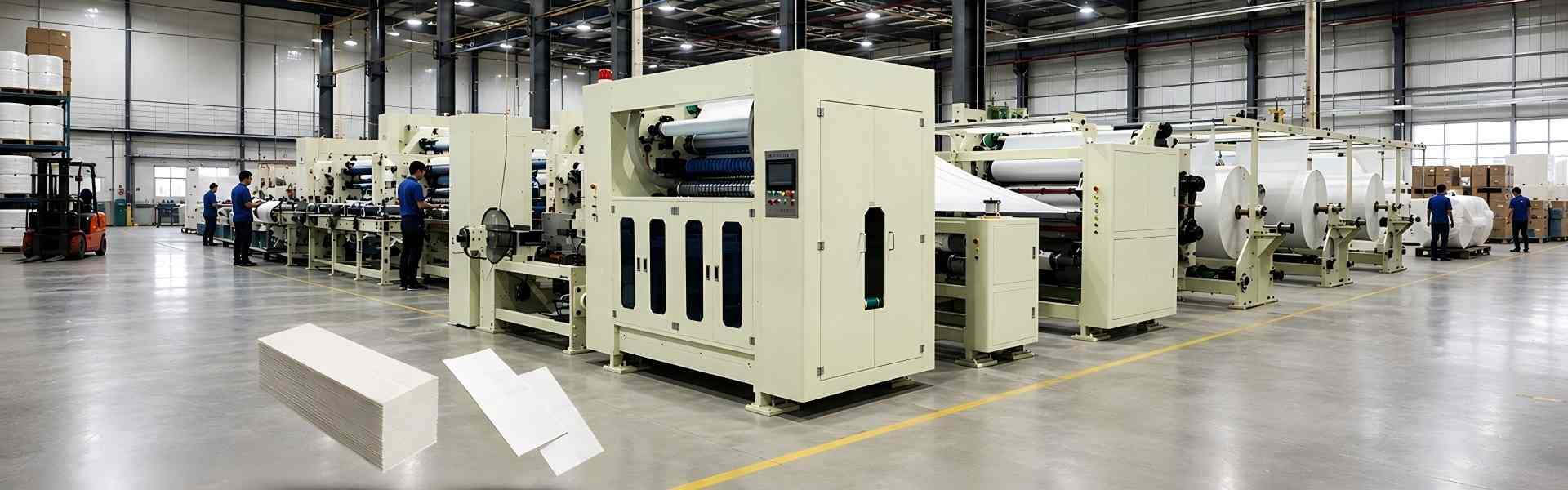
Workshop photos of the DB-L-320C and DB-L-150C tissue log saws are useful for buyers who have already reviewed catalog specifications and now want to judge how the machines actually sit on a factory floor. Standalone product images usually show a clean unit against a neutral background. Real workshop views show the enclosure, the access panels, the space around the machine, and how the log saw is positioned relative to the surrounding converting line. For a project engineer or procurement team comparing tissue log saws, that difference matters.
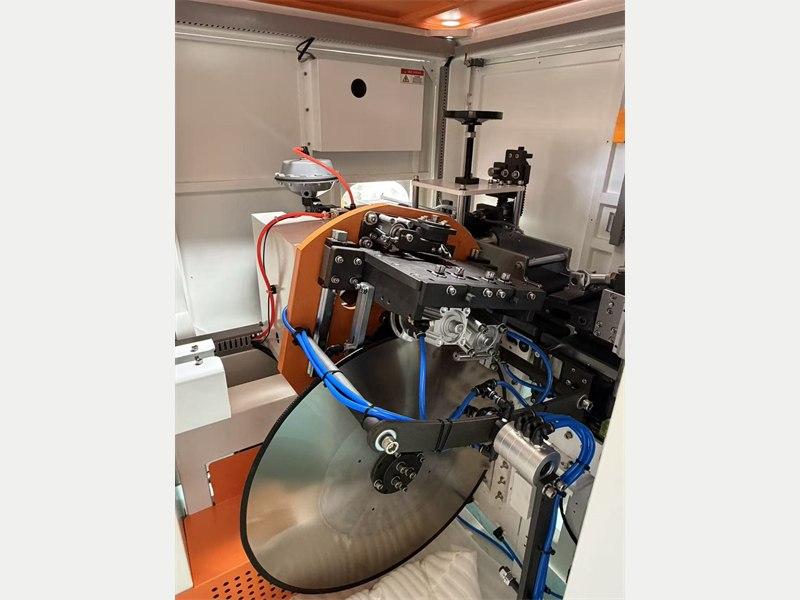
What These Workshop Photos Show
The images in this set cover the DB-L-320C facial tissue log saw and the DB-L-150C hand towel paper log saw in working workshop environments. Views from different angles show the outer enclosures and the access panels used during setup, blade changes, and routine maintenance. Close-up shots offer a look at selected internal components, which helps buyers understand how the cutting area, log handling path, and guarding are arranged.
Together, the photos give a practical view of both machines beyond standalone product photos. They are not a substitute for a full technical drawing or a commissioning report, but they help a buyer picture the equipment in a real production room.
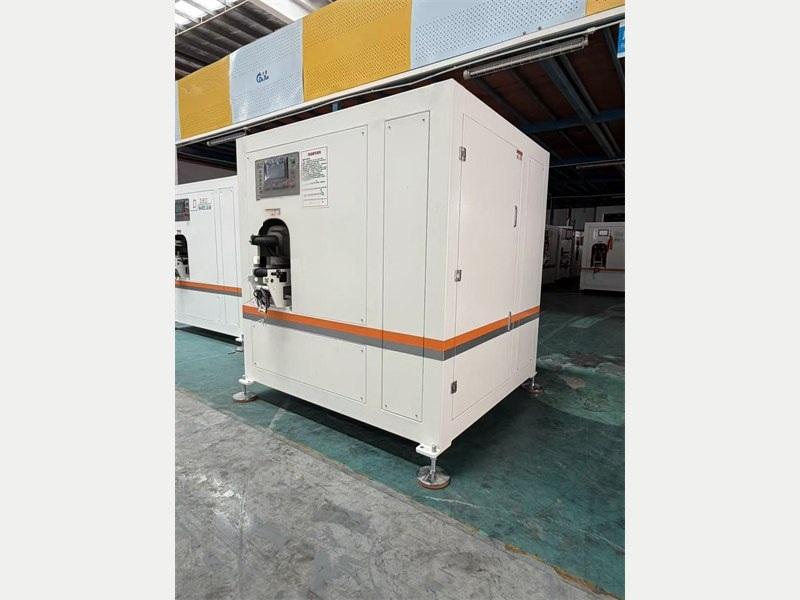
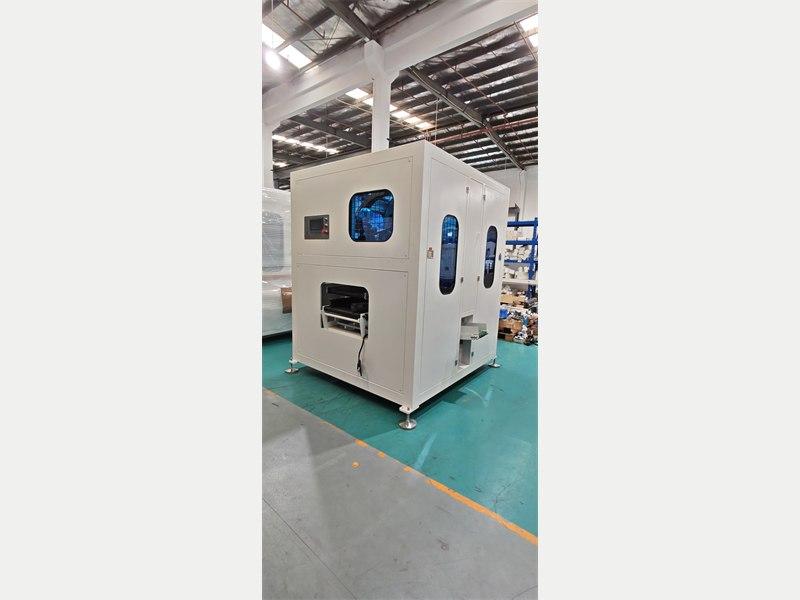
Why Workshop Views Help Before a Quotation
Buyers comparing tissue log saws often ask the same practical questions: how much floor space the machine needs, whether the operator can reach the cutting area safely, how the log infeed and outfeed connect to the rest of the line, and how service access is arranged. Workshop photos answer part of that without a site visit.
-
Enclosure and panel layout, which affects cleaning and maintenance routines.
-
Machine footprint in relation to nearby equipment on the line.
-
Access points for blade inspection, log transfer, and waste removal.
-
How the log saw integrates with upstream folding and downstream packing equipment.
-
General build impression, guarding, and control placement.
-
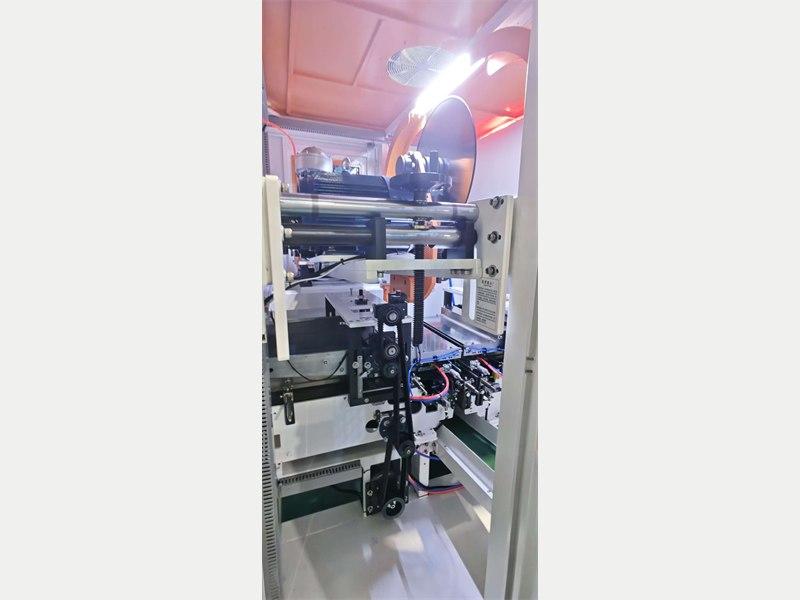
How to Use These Photos in Your Evaluation
Treat the workshop photos as one input among several. Match them against the confirmed specification for each model, then confirm the points that photos cannot show: rated cutting speed, log diameter and length range, blade configuration, power supply, air requirements, and the automation level you need. If your finished product format, parent roll specification, or target output differs from a standard configuration, raise it with the supplier before quotation so the machine is matched to your line rather than adjusted afterwards.
For buyers who want to go deeper, the DB-L-320C facial tissue log saw page covers the facial tissue model in more detail, and the DB-L-150C automatic hand towel paper log saw cutting machine page covers the hand towel version. A verified project reference is also available in the facial tissue log saw case in Saudi Arabia.
Next Step
If the workshop views match the type of installation you are planning, send your finished tissue format, parent roll specification, target output, available floor space, and utility conditions. The engineering team can then confirm a suitable log saw configuration and the related line equipment.



 Tel: +86 139 0819 6540
 Email: info@doubletissuemachine.com
 MP/WhatsApp: +86 139 0819 6540
 Manufacturer Address:Dongguan, Guangdong, China