Before a tissue converting machine is assembled, its structural and mechanical components have to be prepared and organized. Machine frames, shafts, rollers, brackets, and drive parts are grouped according to the selected equipment configuration, so each module arrives at the assembly stage with the right parts available. This guide explains how that preparation stage works and what buyers should confirm before a machine configuration is finalized.
How Component Preparation Fits the Assembly Process
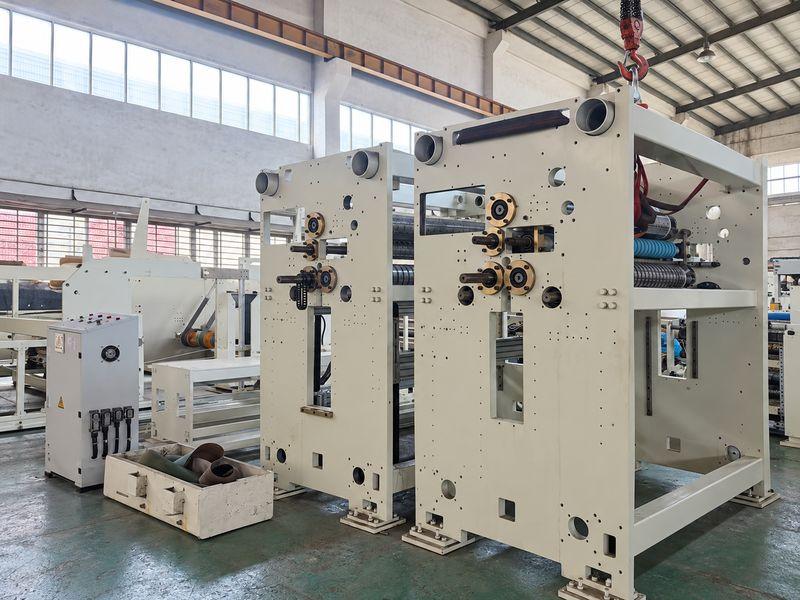
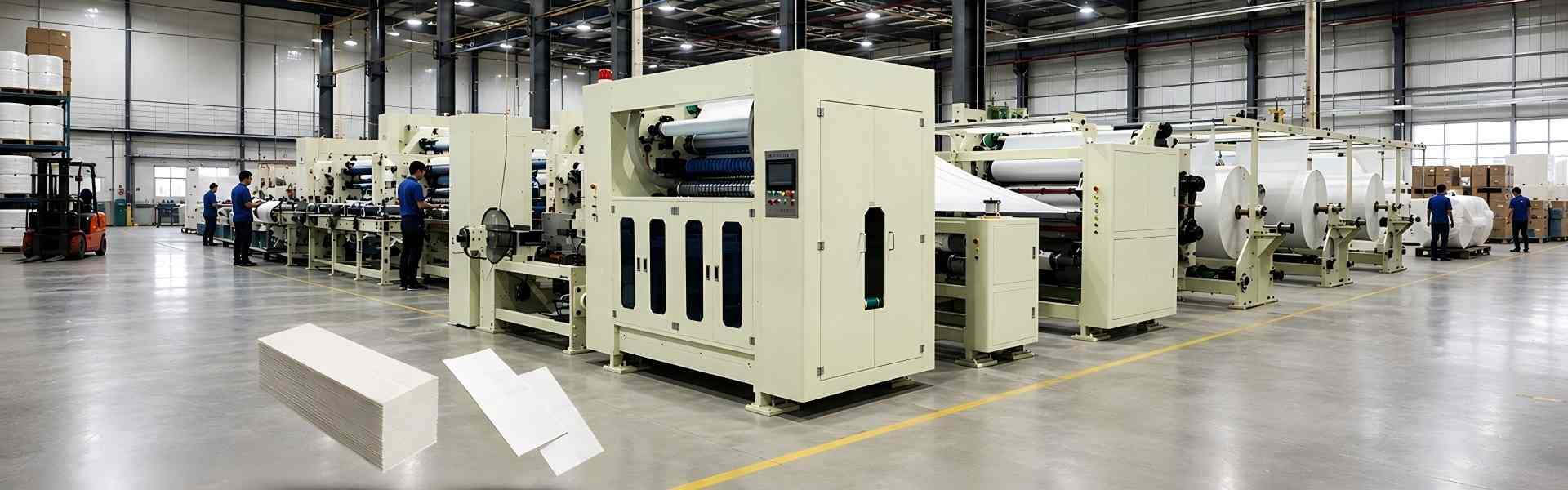
The machine frame provides the main support for the converting sections. Rollers, shafts, bearings, and transmission components are installed according to the required production process. Depending on the application, the machine may include parent-roll unwinding, paper feeding, embossing, pressing, folding, rewinding, cutting, or product-transfer sections.
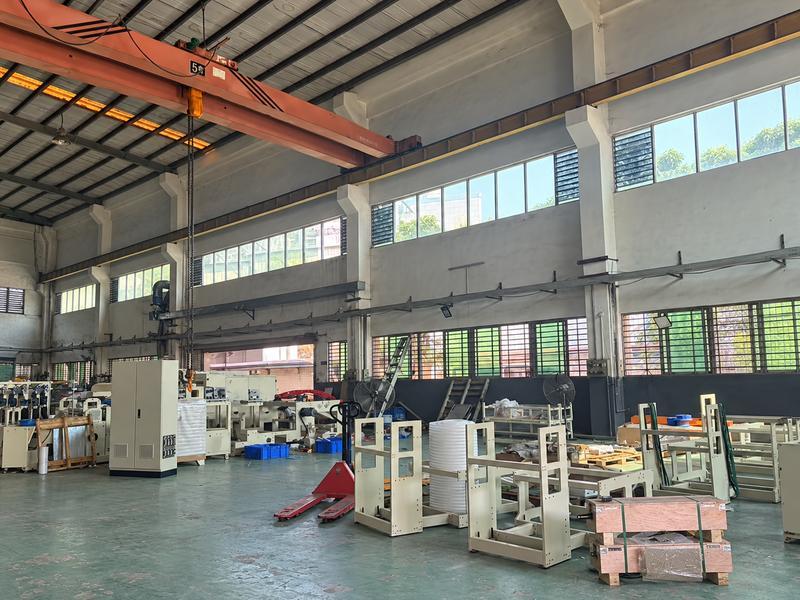
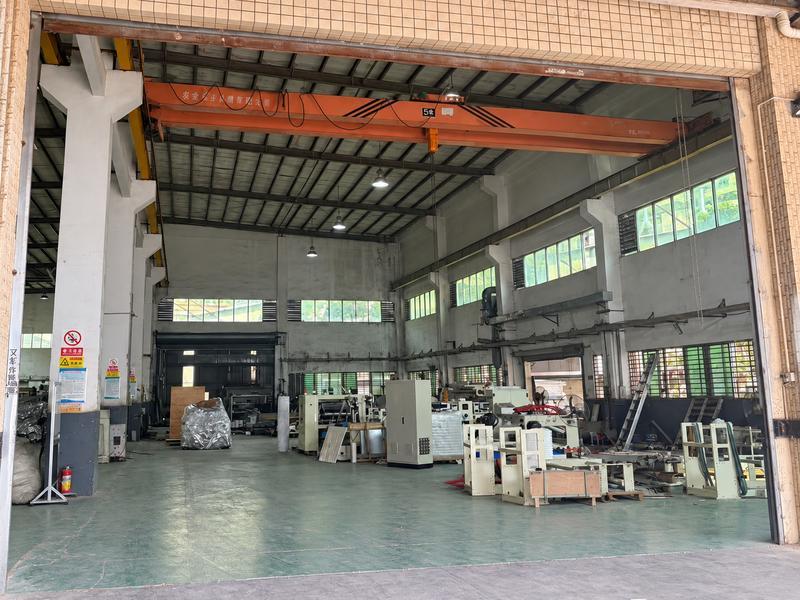
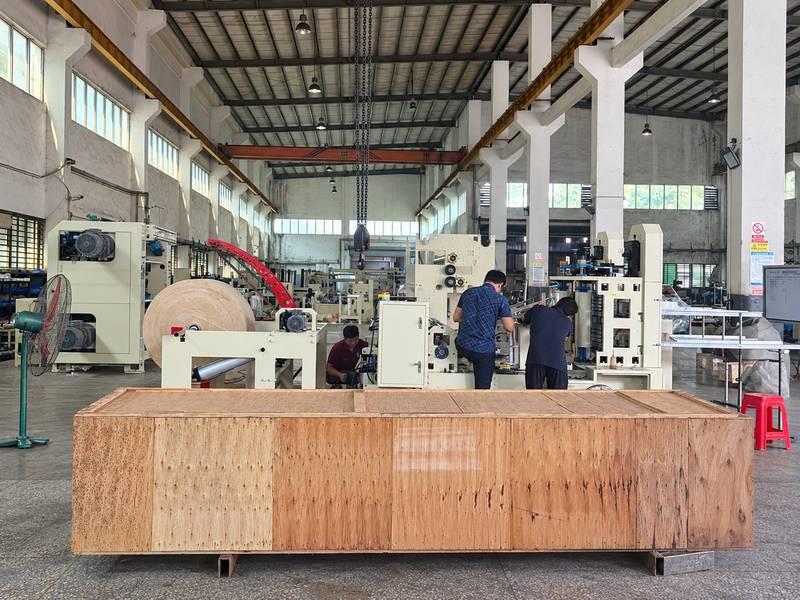
In the workshop, machines and modules are present at different assembly stages. Some frames are still waiting for additional components, while other sections already include rollers, motors, pneumatic parts, or electrical cabinets. These modules are gradually connected according to the planned production flow.
What Buyers Should Confirm Before Assembly Starts
-
Raw material match: parent-roll width, diameter, paper grade, and tissue structure all affect the final machine configuration.
-
Finished product format: the finished product size and target output determine which processing and downstream modules are required.
-
Utilities and layout: power supply, air requirements, and available floor space influence how modules are arranged and connected.
-
Automation level: the degree of automation affects which control, transfer, and packing modules are included.
-
Maintenance access: component placement must allow sufficient access for machine operation, adjustment, cleaning, and future maintenance.
-
Mechanical and Control Integration
Motors, transmission systems, pneumatic components, and electrical controls are integrated with the mechanical structure during assembly. Because component placement affects both operation and service access, this stage is planned together with the mechanical layout rather than added afterwards.
Parent-roll handling equipment and converting sections must also be matched to the raw material. If the parent roll or paper grade changes, the unwinding, feeding, and tension-related sections may need a different configuration.
Why the Configuration Is Confirmed Project by Project
Each project has different production requirements, so the machine structure and module combination are confirmed before the final configuration is completed. Buyers can provide tissue samples, raw-material specifications, required capacity, power supply, and factory layout for evaluation.
DOUBLE Machinery can then discuss the required equipment, production process, and line arrangement with the customer. Updated assembly photos and workshop video calls are also available for customers who want to review the current production progress.
For buyers comparing equipment at this stage, it helps to review the available tissue paper cutting machine options and the wider tissue production solutions before locking the module list.
Next Step
Send your tissue samples, raw-material specifications, target output, power supply, and factory layout to our engineering team. We can review the required equipment, production process, and line arrangement, and share current assembly progress for your project.



 Tel: +86 139 0819 6540
 Email: info@doubletissuemachine.com
 MP/WhatsApp: +86 139 0819 6540
 Manufacturer Address:Dongguan, Guangdong, China