The DB-E-1500 is a steel-to-rubber tissue embossing unit with a 1500 mm roller face width, pneumatic pressure control and customized laser-engraved patterns for facial and similar
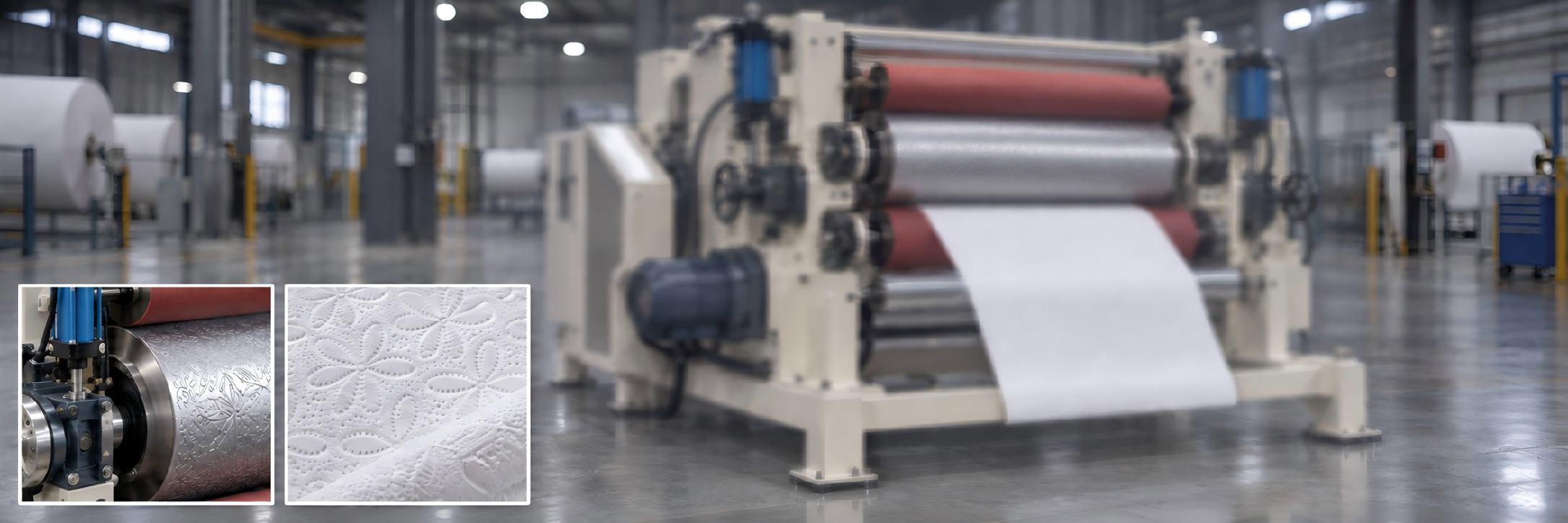
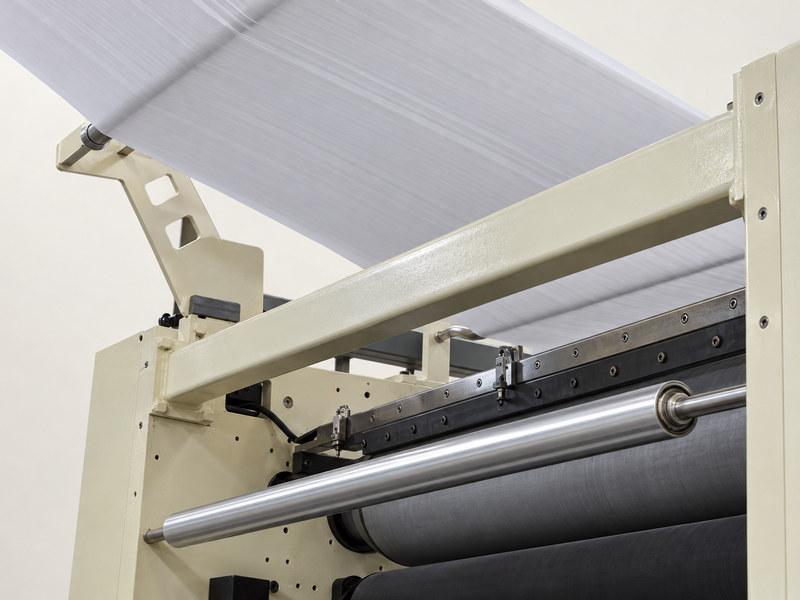
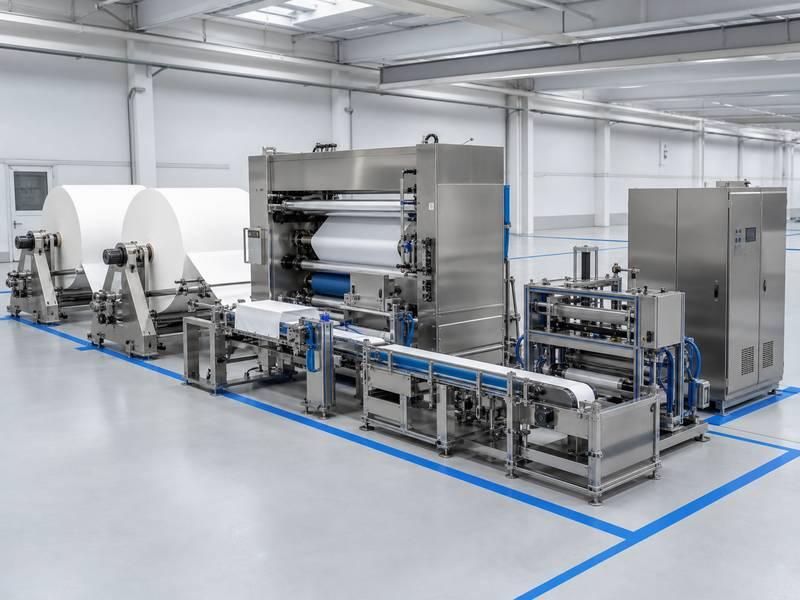
The DB-E-1500 is a steel-to-rubber embossing module for tissue converting lines that need a clear, repeatable embossed pattern, stable web guiding, and consistent embossing pressure. It is built to sit within a facial tissue or bottom-pull tissue line rather than to run as a standalone machine, so the unit is specified around the parent roll, the finished tissue format, and the equipment immediately upstream and downstream.
Where the Unit Fits in the Converting Line
The embossing stage sits between the parent-roll handling and the folding, slitting, cutting, or packing stages. Because the module works on a moving tissue web, the practical selection question is not only the embossing pattern but also how the unit matches line speed, web tension, and the transfer distance to the next machine. Final matching of the DB-E-1500 to a specific line is confirmed against the project layout and sample requirements.
Configuration Choices That Affect the Embossed Result
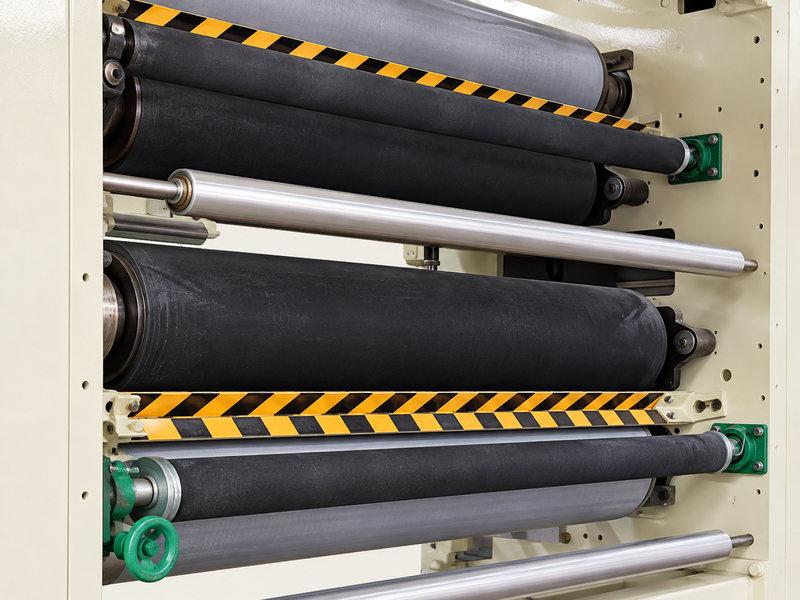
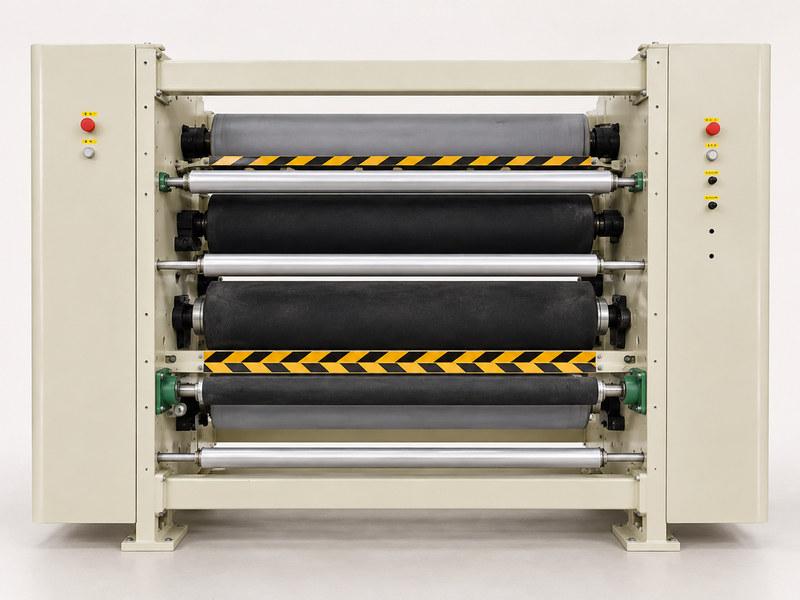
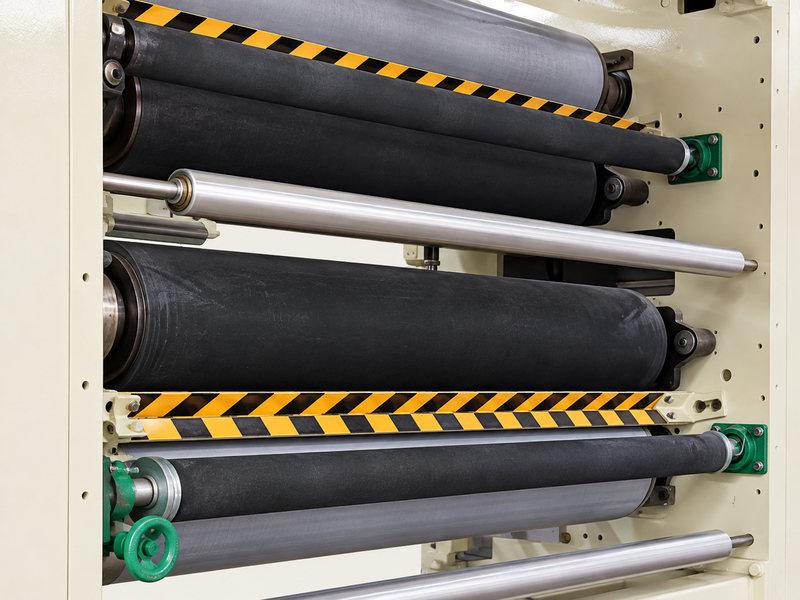
The steel-to-rubber structure pairs steel embossing rollers with rubber rollers, and the rubber hardness is selected according to the pattern and paper grade. Pattern depth, roller crown adjustment, and pneumatic pressure control all influence how the pattern reads on the finished sheet, so these are agreed at the configuration stage rather than left to commissioning.
Decision point
What to confirm
Why it matters
Embossing pattern
Customized laser-engraved pattern supplied by the buyer
Determines roller engraving and the visual result on the sheet
Rubber roller hardness
Selected to suit the pattern and paper grade
Affects pattern clarity and roller life
Roller crown adjustment
Set according to the required embossing effect
Helps keep pressure even across the web width
Line integration
Connection to folding, slitting, cutting, or packing equipment
Defines transfer layout and speed matching
Electrical configuration
Export-market supply and control requirements
Must match the factory supply before shipment
Mechanical and Operating Highlights
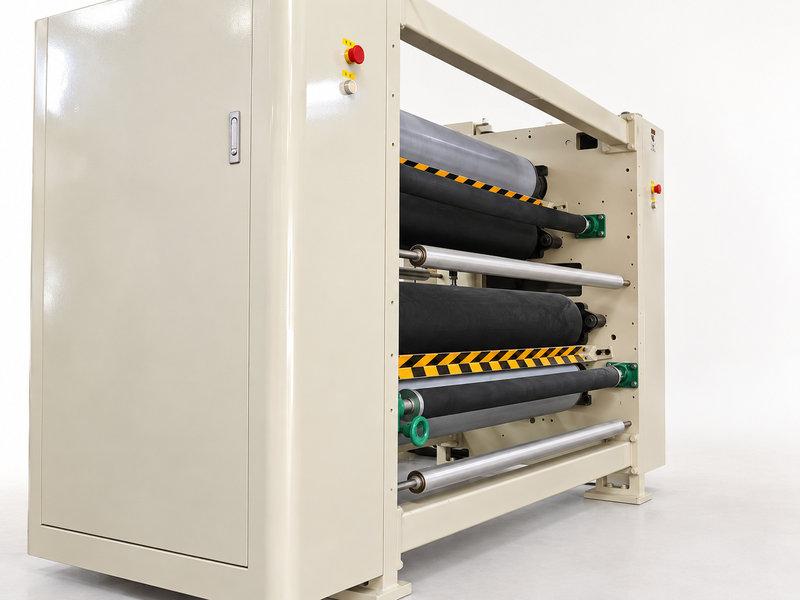
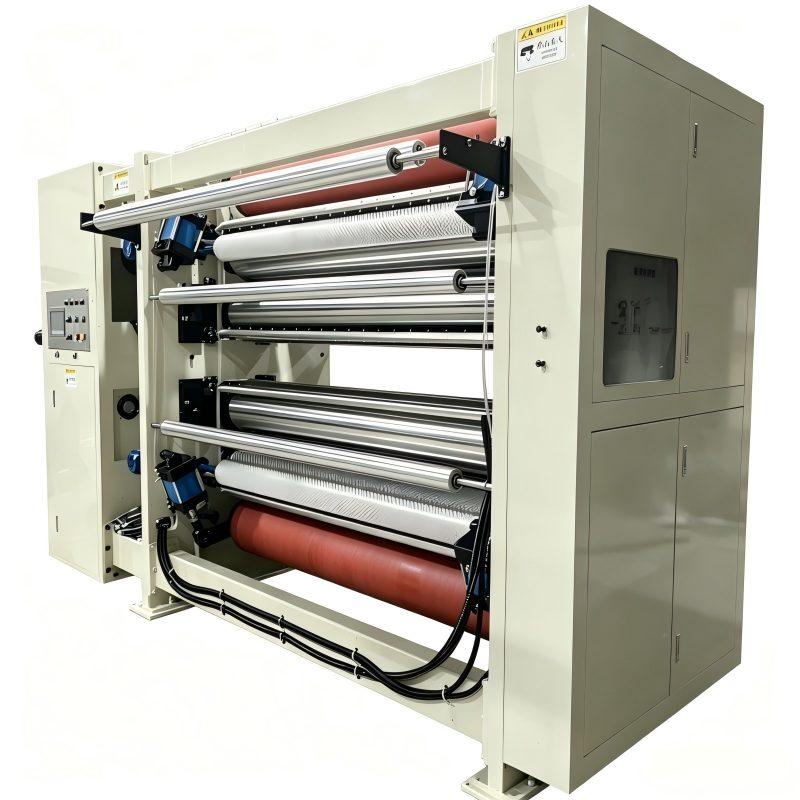
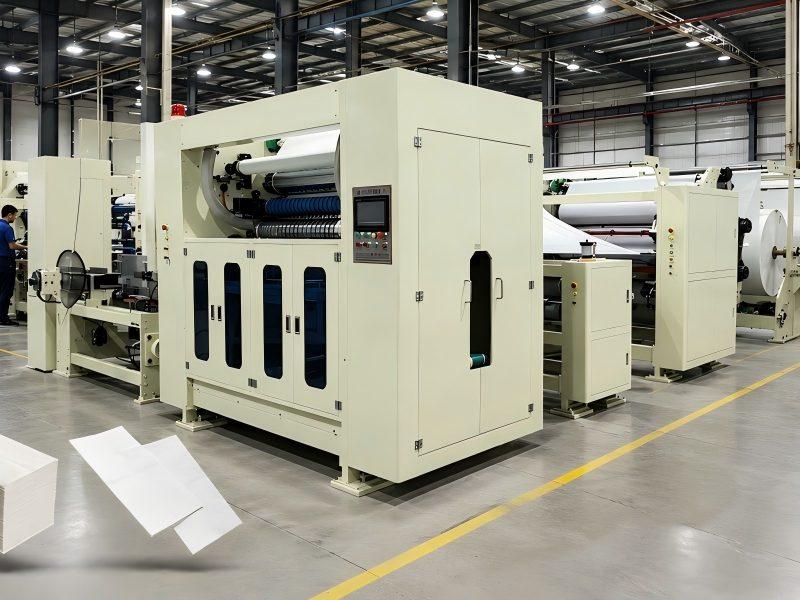
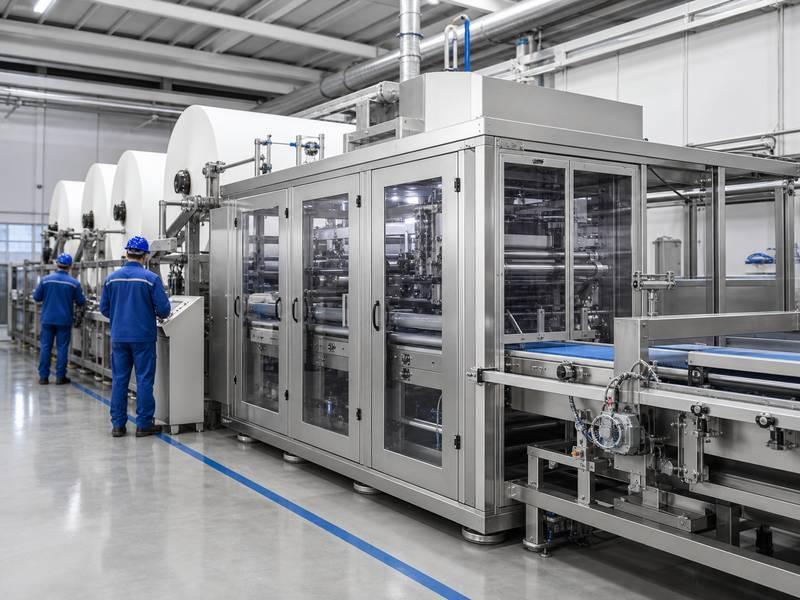
Steel-to-rubber embossing structure with two steel and two rubber embossing rollers.
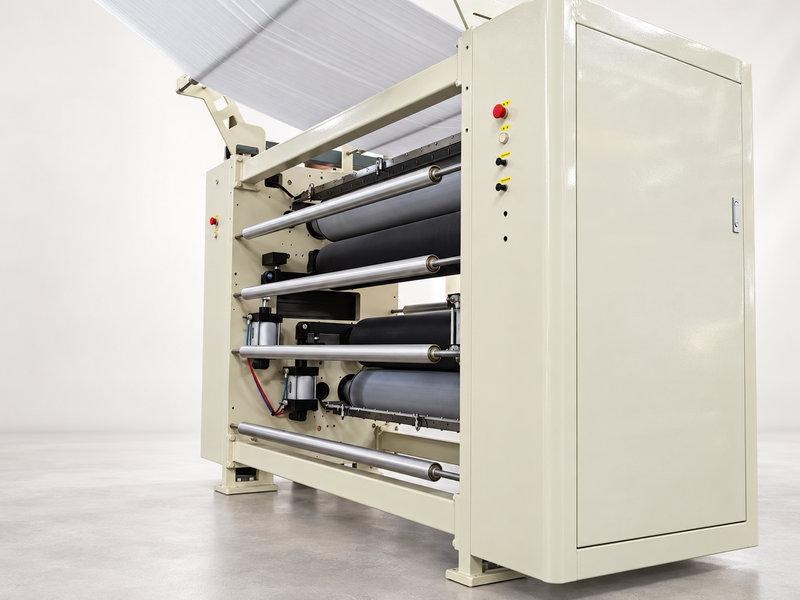
Upper-and-lower roller arrangement that simplifies paper threading at start-up.
Strong frame with thick wall plates and square tube support for stable running.
Pneumatic pressure control for repeatable embossing pressure.
Independent control system with touch-screen operation.
Operation, Maintenance, and Quality Checks
Because the rubber rollers carry the pattern impression, roller condition and pressure setting are the main routine checks. Operators should confirm roller cleanliness, even pressure across the web, and pattern consistency at the start of each run. Maintenance access to the roller assembly and the pneumatic circuit should be planned into the line layout so that roller changes and cleaning do not require dismantling adjacent equipment. The exact maintenance interval depends on paper grade, running hours, and pattern depth, and is confirmed with the project documentation.
Information Needed Before Quotation
To prepare an accurate quotation and confirm that the DB-E-1500 suits the line, please provide:
Tissue product type and application.
Required production line speed.
Paper width and parent-roll specifications.
Paper ply and GSM requirements.
Required embossing pattern and desired embossing effect, with a sample if available.
Connection layout and downstream equipment requirements.
Factory power supply and control requirements.
Where a value is not yet fixed, it can be marked for confirmation against a sample or the project layout rather than assumed. Machine parameters such as roller configuration, power supply, and dimensions are listed in the Technical Specifications field.
Buyer Questions
Can the embossing pattern be customized?
Yes. The pattern is produced by customized laser engraving, so the buyer supplies the pattern design and the rubber roller hardness is then selected to suit it.
Is the DB-E-1500 a complete production line?
No. It is a complementary embossing module intended to be integrated into a tissue converting line with upstream and downstream equipment. Line compatibility is confirmed per project.
What determines the achievable line speed?
Line speed depends on the complete line configuration, web tension, paper grade, and the downstream equipment. The stable production speed for a given project is confirmed during selection.
Contact us by WhatsApp or submit the inquiry form for a fast factory response. Share your tissue format, paper width, and target line speed so the embossing configuration can be matched to your line.
For matching this embossing unit to your facial tissue or bottom-pull converting line, review the full DB-E-1500 PDF data sheet or compare related facial tissue machine options before requesting a quotation.
We added this steel-to-rubber embossing unit to improve the appearance of our bottom-pull tissue products. The finished sheets now have a more recognizable texture and look better inside the dispenser package.
Custom Pattern Looks Consistent
Sofiane Boudiaf
We ordered a laser-engraved roller with our own embossing design. Once the pressure and web tension were balanced, the pattern remained even across most of the working width.
Wide Roller Face Fits Our Production Line
Chukwuemeka Eze
We needed a 1500 mm tissue embossing unit that could match the web width of our existing equipment. The DB-E-1500 integrated into the line without requiring us to divide the paper into narrower sections.
The Independent Control Panel Helps
Mahmoud Zaki
We can operate and monitor the DB-E-1500 from its own touchscreen while still exchanging signals with the main tissue converting line. This has made fault checking and commissioning more direct.
Clear Embossing Without Excessive Compression
Roberto Mancini
The DB-E-1500 produces a clear pattern while preserving the softness of our facial tissue. The correct rubber hardness and roller pressure were important because too much pressure made the product feel flat.
Roller Crown Adjustment Was Important
Gabriel Monteiro
The first tests showed lighter embossing near one side of the web. Adjusting the roller crown and checking alignment corrected the pressure distribution and improved pattern consistency.
Steel-to-Rubber Embossing Gives a Softer Result
Abhishek Rao
Compared with the steel-to-steel system we used previously, the steel-to-rubber tissue embosser gives our product a softer, less aggressive pattern. This better suits our facial tissue range.
Rubber Roller Selection Should Not Be Rushed
Sergio Maldonado
The rubber roller hardness must match the embossing pattern, paper ply, and GSM. Testing these factors before final production prevented us from choosing a roller that was too hard for our lightweight tissue.
Frame Remains Stable During Production
Patrick Ouma
The thick wall plates and supported frame feel solid at our regular production speed. Stable construction matters because vibration can cause uneven embossing across a wide tissue web.
Need Help?
Please leave your contact information to get our latest catalog


 Production / Transfer Speed
 Process / Handling Method
 Applicable Tissue
 Machine Dimensions


 Tel: +8613908196540
 Email: info@doubletissuemachine.com
 MP/WhatsApp: +8613908196540
 Manufacturer Address:Dongguan, Guangdong, China



A Useful Upgrade for Bottom-Pull Tissue
Vasile Ionescu
We added this steel-to-rubber embossing unit to improve the appearance of our bottom-pull tissue products. The finished sheets now have a more recognizable texture and look better inside the dispenser package.
Custom Pattern Looks Consistent
Sofiane Boudiaf
We ordered a laser-engraved roller with our own embossing design. Once the pressure and web tension were balanced, the pattern remained even across most of the working width.
Wide Roller Face Fits Our Production Line
Chukwuemeka Eze
We needed a 1500 mm tissue embossing unit that could match the web width of our existing equipment. The DB-E-1500 integrated into the line without requiring us to divide the paper into narrower sections.
The Independent Control Panel Helps
Mahmoud Zaki
We can operate and monitor the DB-E-1500 from its own touchscreen while still exchanging signals with the main tissue converting line. This has made fault checking and commissioning more direct.
Clear Embossing Without Excessive Compression
Roberto Mancini
The DB-E-1500 produces a clear pattern while preserving the softness of our facial tissue. The correct rubber hardness and roller pressure were important because too much pressure made the product feel flat.
Roller Crown Adjustment Was Important
Gabriel Monteiro
The first tests showed lighter embossing near one side of the web. Adjusting the roller crown and checking alignment corrected the pressure distribution and improved pattern consistency.
Steel-to-Rubber Embossing Gives a Softer Result
Abhishek Rao
Compared with the steel-to-steel system we used previously, the steel-to-rubber tissue embosser gives our product a softer, less aggressive pattern. This better suits our facial tissue range.
Rubber Roller Selection Should Not Be Rushed
Sergio Maldonado
The rubber roller hardness must match the embossing pattern, paper ply, and GSM. Testing these factors before final production prevented us from choosing a roller that was too hard for our lightweight tissue.
Frame Remains Stable During Production
Patrick Ouma
The thick wall plates and supported frame feel solid at our regular production speed. Stable construction matters because vibration can cause uneven embossing across a wide tissue web.