Napkin Stacking and Transfer Unit for Orderly Output Before Packing
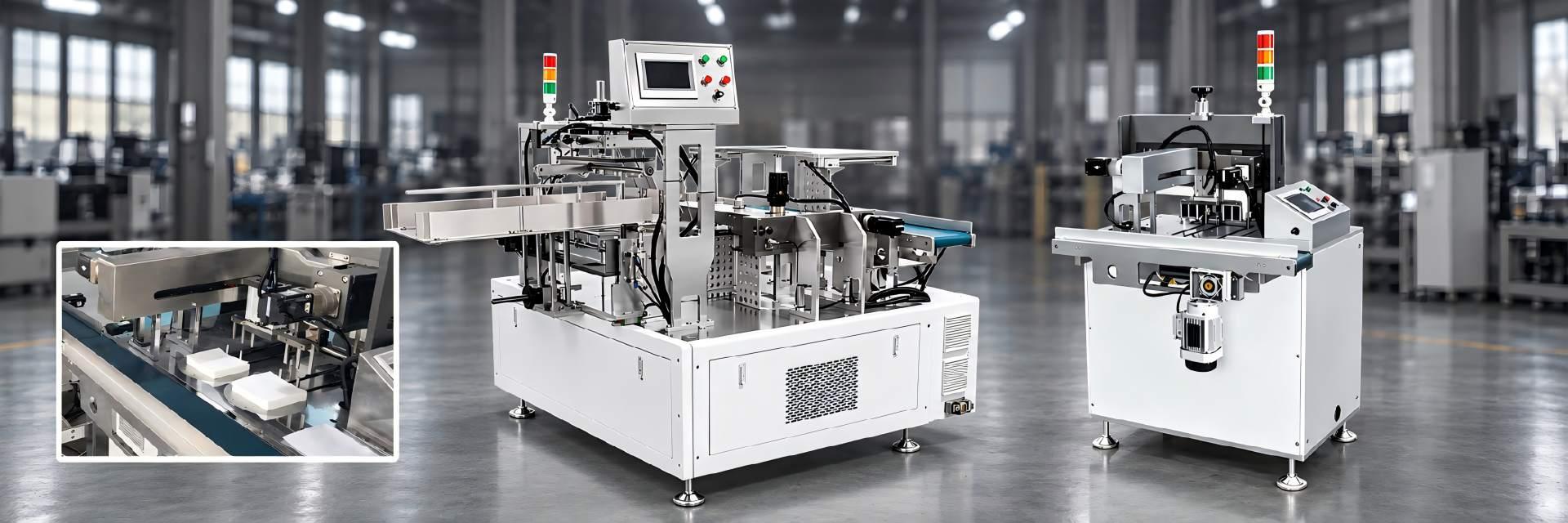
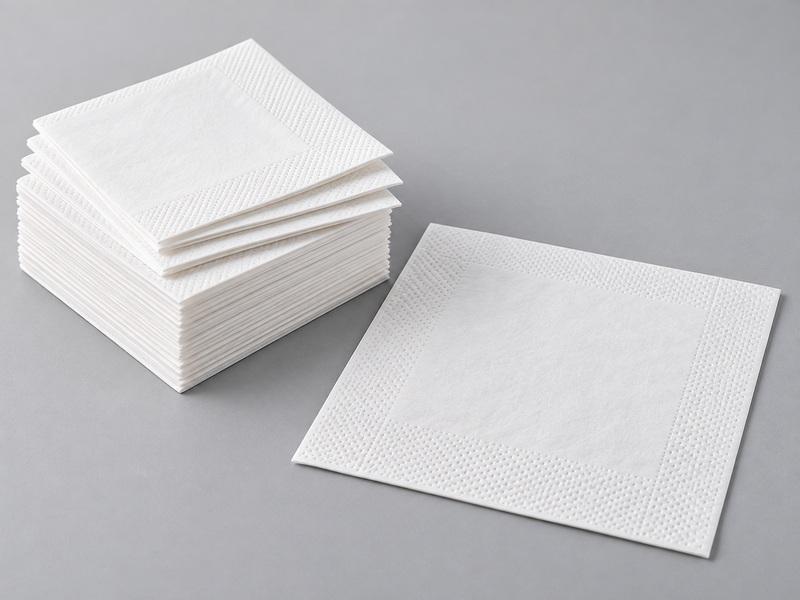
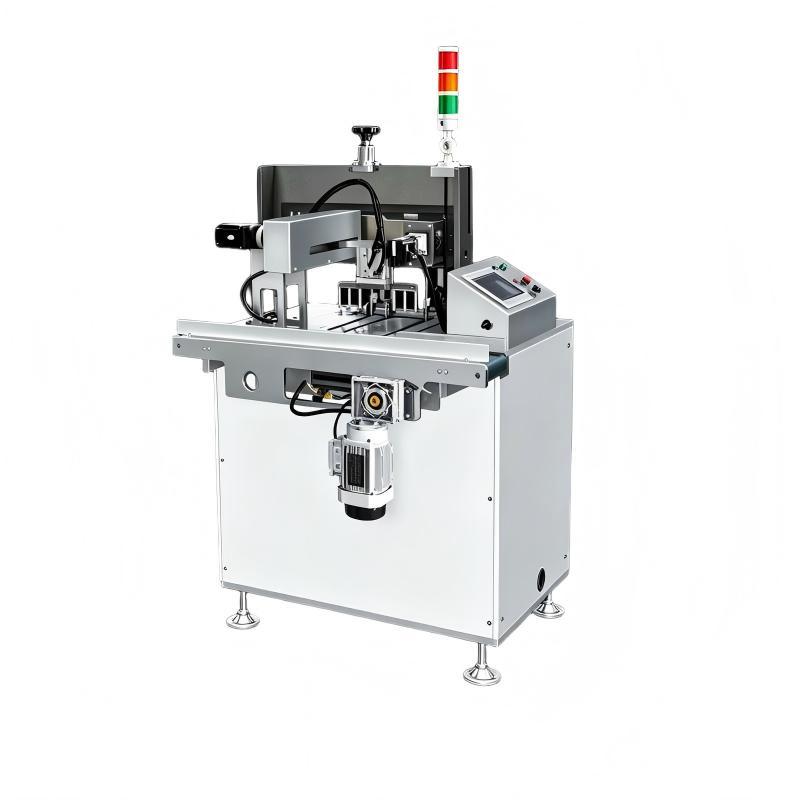
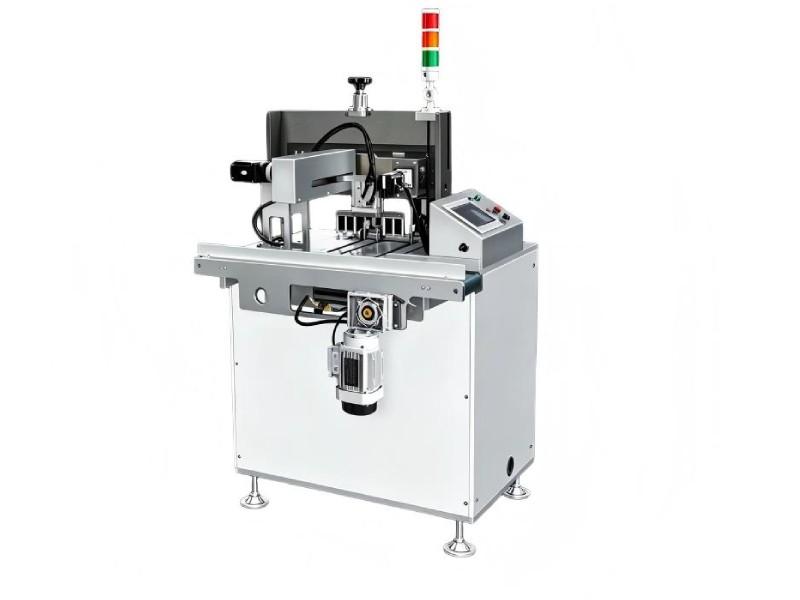
The DB-T-70 is built to separate, stack, and transfer folded napkin tissues so that output reaches the next handling or packing stage in a controlled, orderly arrangement. It is a few-sheet napkin stacker, not a facial tissue transfer unit or a 50–200-sheet stacker, so it suits napkin lines where stack counts stay within the confirmed working range.
How the Unit Fits Into a Napkin Line
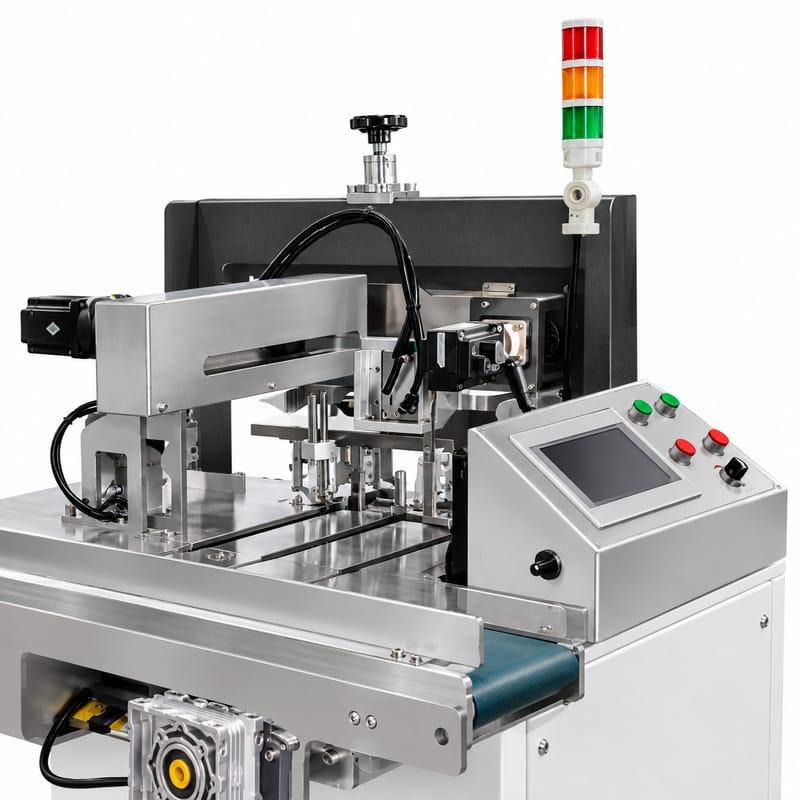
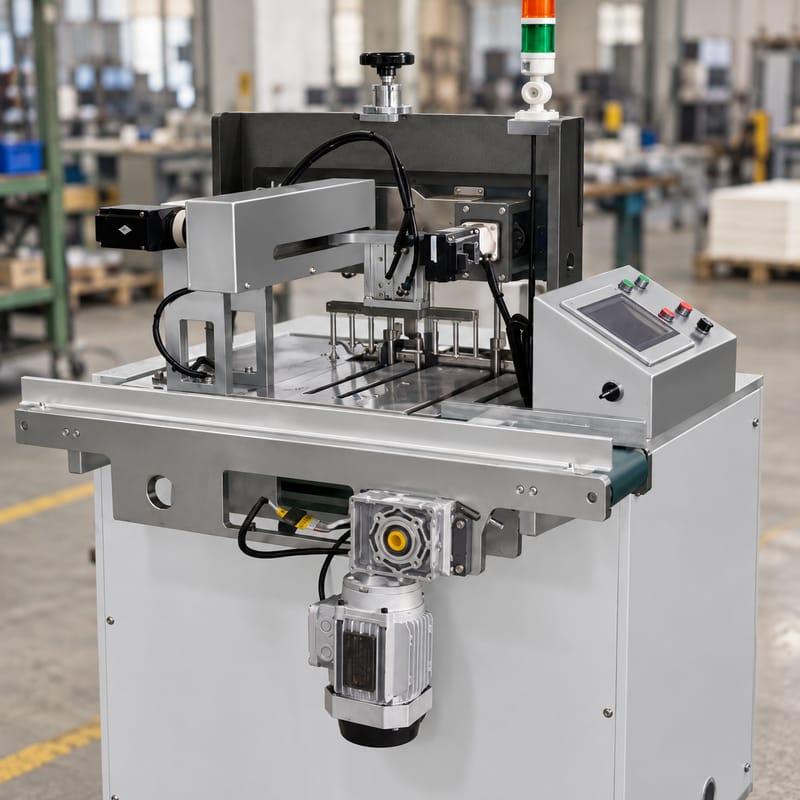
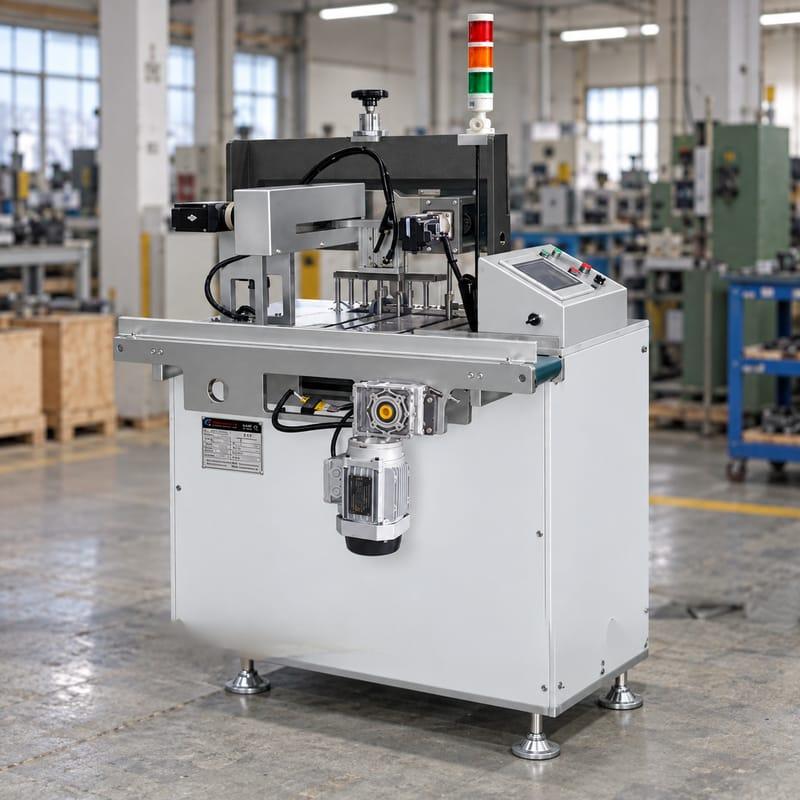
The unit takes folded napkin output, separates and stacks it, then pushes and conveys the completed stack onward. Servo-driven separation and pushing keep the transfer sequence orderly, while PLC control with a touchscreen HMI supports operation and adjustment on the line. The output arrangement can be matched to the confirmed napkin line layout, so the unit works as a connecting stage rather than a standalone line.
Key Configuration Points
-
Automatic separation and stacking of folded napkin tissues.
-
Servo-driven separation and pushing for orderly stack transfer.
-
Stack quantity set within the confirmed working range.
-
PLC control with touchscreen HMI for operation and adjustment.
-
Output arrangement matched to the confirmed napkin line layout.
What to Confirm Before Quotation
Final configuration depends on the finished napkin format, the parent or input specification, the target output, the required output direction, and how the unit connects to downstream equipment. To prepare an accurate quotation, please provide the folded napkin size, sheets per stack, required output, output direction, and downstream equipment details. If any of these values are not yet fixed, they can be confirmed against a product sample and line layout.
|
Project Input
|
Why It Matters for Matching
|
|
Folded napkin size
|
Confirms the unit suits the actual napkin format being run.
|
|
Sheets per stack
|
Determines whether the required stack count falls within the unit's working range.
|
|
Required output
|
Used to check the unit against the planned line output.
|
|
Output direction
|
Affects how the stack is transferred toward the next stage.
|
|
Downstream equipment details
|
Confirms the packing or handling connection and layout fit.
|
Buyer Questions
Is this a complete napkin production line? No. The DB-T-70 is a stacking and transfer unit that supports a napkin line; it is not a complete line on its own.
Can it handle facial tissue or large stack counts? No. It is a few-sheet napkin stacker, not a facial tissue transfer unit or a 50–200-sheet stacker.
What should be checked before ordering? Confirm the folded napkin size, sheets per stack, required output, output direction, and downstream equipment details against a product sample and line layout.
Related Equipment and Support
For downstream handling, review the DB-NK-150P Automatic Napkin Tissue Packing Machine. For after-sales questions, see how customers can obtain napkin machine after-sales assistance.
Contact us by WhatsApp or submit the inquiry form for a fast factory response.




 Equipment Model
 Production / Transfer Speed
 Working Width / Tissue Size
 Applicable Tissue



 Tel: +8613908196540
 Email: info@doubletissuemachine.com
 MP/WhatsApp: +8613908196540
 Manufacturer Address:Dongguan, Guangdong, China



Compact Enough for Our Existing Line
Product photo
Carlos Villanueva
We added the DB-T-70 to an operating napkin line rather than building a new workshop. Its compact dimensions allowed us to place it between folding and packing while maintaining operator access.
Not Intended for Large Tissue Stacks
Product photo
Nasser Qasim
Buyers should understand that this is a few-sheet napkin stacker, not a facial tissue transfer system. It performs well within its intended 12–35-sheet range, but it should not be selected for large stacks.
Timing with the Packing Machine Matters
Product photo
Tendai Chirwa
The DB-T-70 worked best after its discharge timing was synchronized with our napkin packing machine. If the downstream machine stops, the transfer sequence must respond quickly to avoid stack accumulation.
Reliable Few-Sheet Napkin Stacking
Mateo Guerrero
We produce small napkin packs rather than the larger 50–200-sheet stacks. The DB-T-70 is well matched to our 12–35-sheet products and gives us a controlled stack before packing.
Touchscreen Makes Quantity Changes Easier
Product photo
Félix Santana
Our operators use the HMI to adjust the stack quantity when switching between restaurant and retail napkin packs. The first stacks are always checked manually, but the changeover process is clear.
Product Samples Helped with Setup
Product photo
Luka Marinović
We sent our folded napkin samples before confirming the machine. That made it easier to match the guides, stack quantity, and transfer arrangement to our actual product rather than relying only on dimensions.