Single-Channel Pocket Tissue Line: What It Produces and Where It Fits
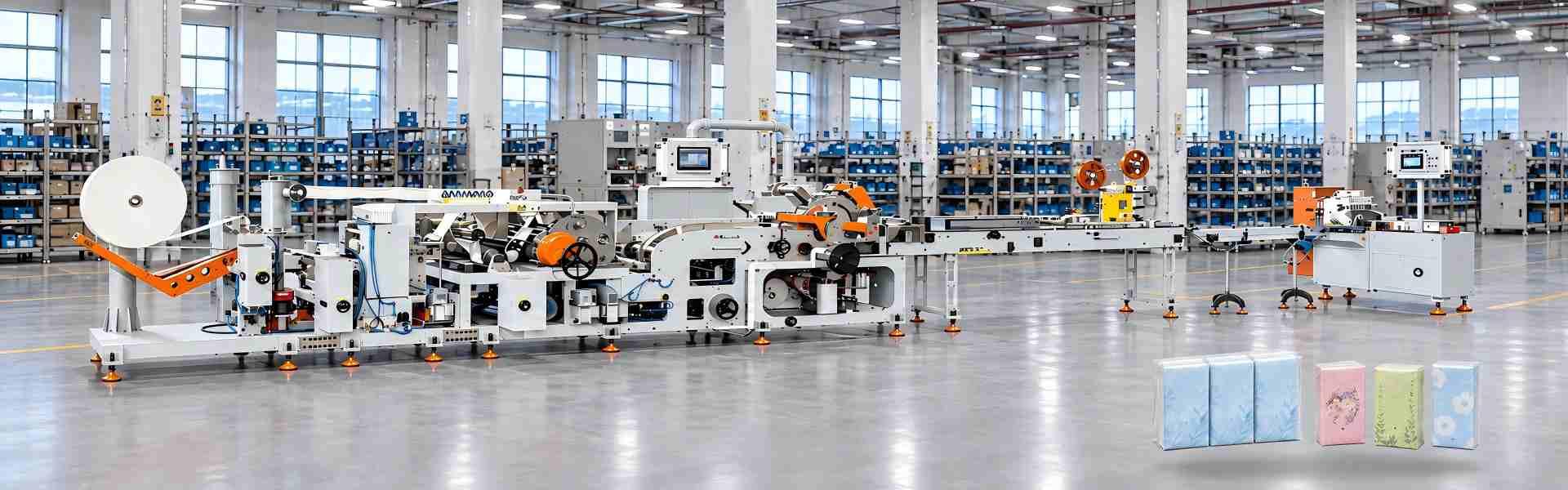
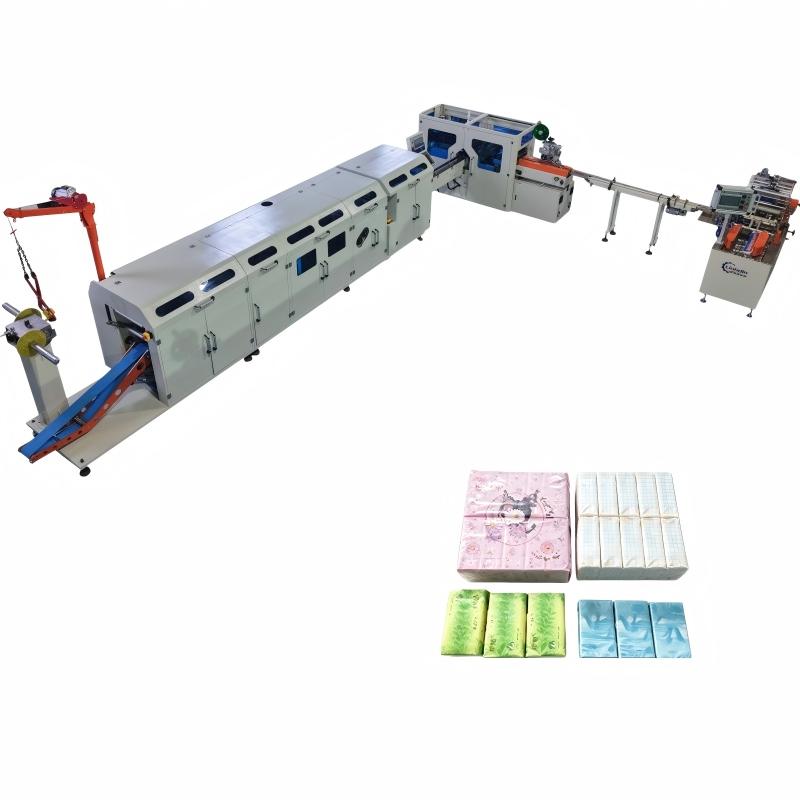
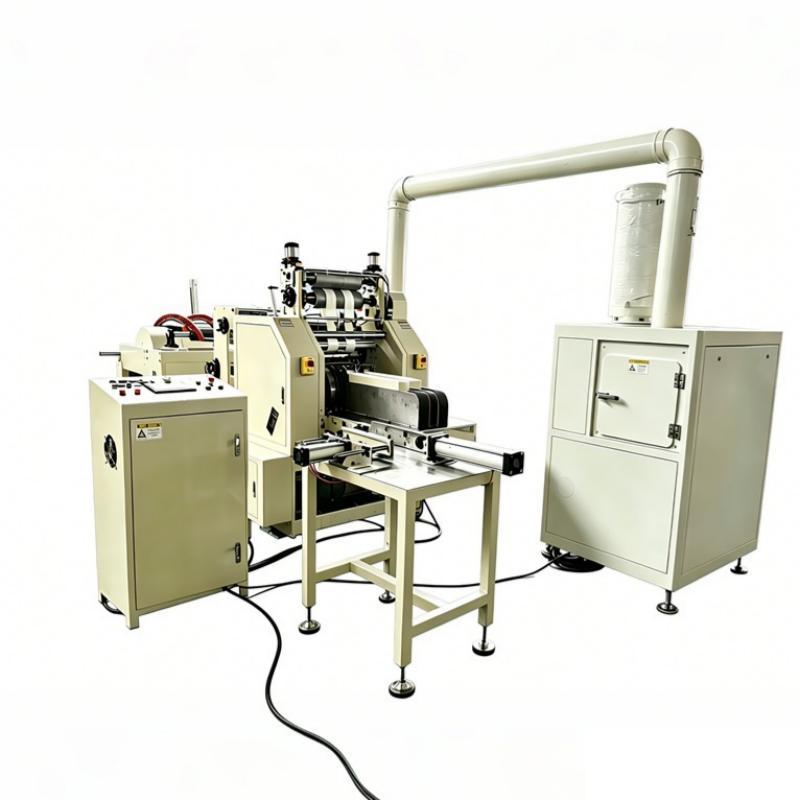
This full-servo single-channel production line is built for converters who need a compact, high-speed line for super mini, mini, and standard pocket tissue packs. Because the line runs one channel, it suits factories with limited floor space or buyers who want a focused, easy-to-manage pocket tissue operation rather than a wide multi-lane line. The full-servo drive system supports stable running at high speed, which matters when pack counts and fold quality must stay consistent across a long shift.
Typical buyers for this configuration include new pocket tissue producers, existing tissue converters adding a pocket pack format, and factories that need a dedicated line for small-format packs. Final configuration depends on your finished pack format, parent roll specification, target output, and how the line will connect to downstream packing.

Configuration Choices Buyers Should Confirm Before Ordering
The line is not a single fixed build. Several choices affect the finished pack and the quotation, so it is worth settling them early with the supplier's engineering team.
-
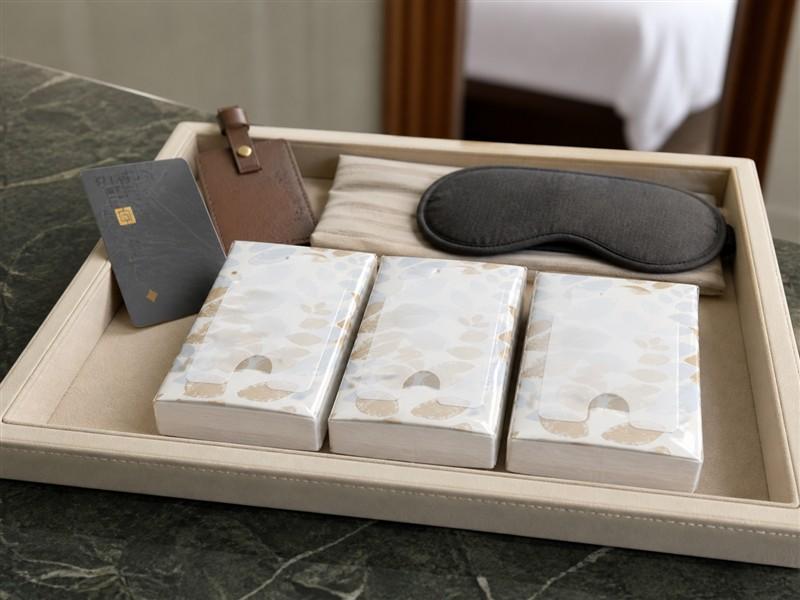
Finished pack format: super mini, mini, or standard pocket packs, each with its own folded size and sheet count.
-
Unfolded and folded tissue size: the line supports more than one size combination, so the target format should be confirmed against the available options.
-
Sheets per pack: pack content can be set within the supported range depending on the pack format.
-
Ply and paper grade: the parent roll grade and ply structure should match the finished product you intend to sell.
-
Automation level: the full-servo platform covers the main motion axes; any additional automation for packing or transfer should be specified separately.
-
Downstream connection: whether the line feeds a wrapping or cartoning stage, and how that interface is arranged.
-
How Full-Servo Control Affects Daily Operation
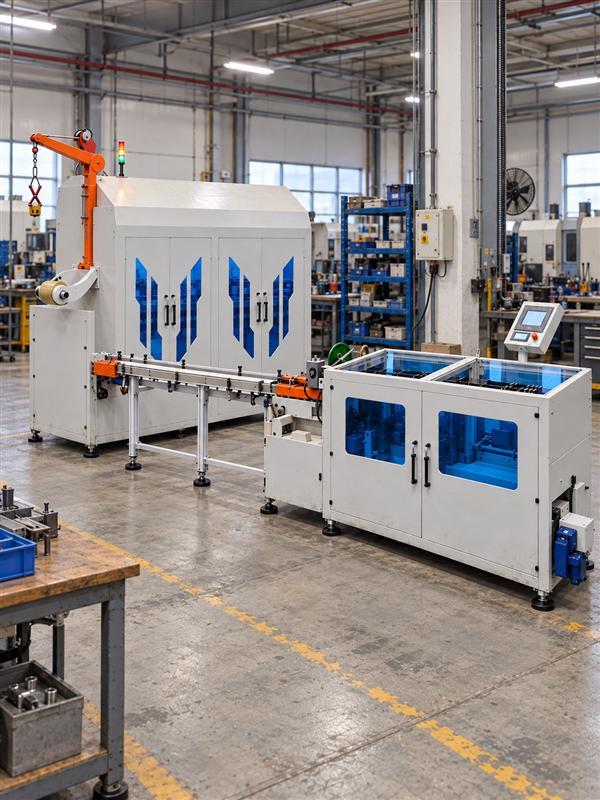
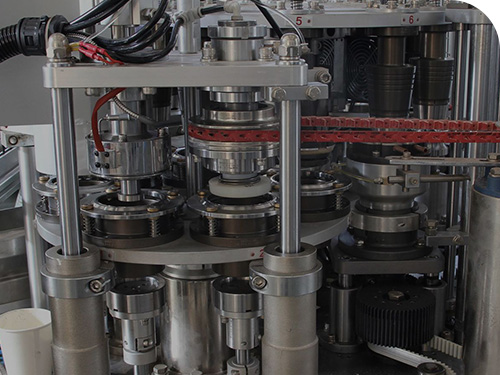
Full-servo control is the main technical differentiator of this line. In practice it means the main motions are driven and synchronized electronically rather than by mechanical linkages, which supports stable high-speed running and makes format changeover more manageable. For the operator, the practical benefits are steadier pack quality, less mechanical adjustment between formats, and a clearer path to troubleshooting when a fault occurs.
Because the line runs a single channel, the operator's attention is concentrated on one production stream. That usually simplifies startup checks, in-run monitoring, and end-of-shift cleaning compared with a wider multi-channel layout.
Layout, Utilities, and Installation Planning
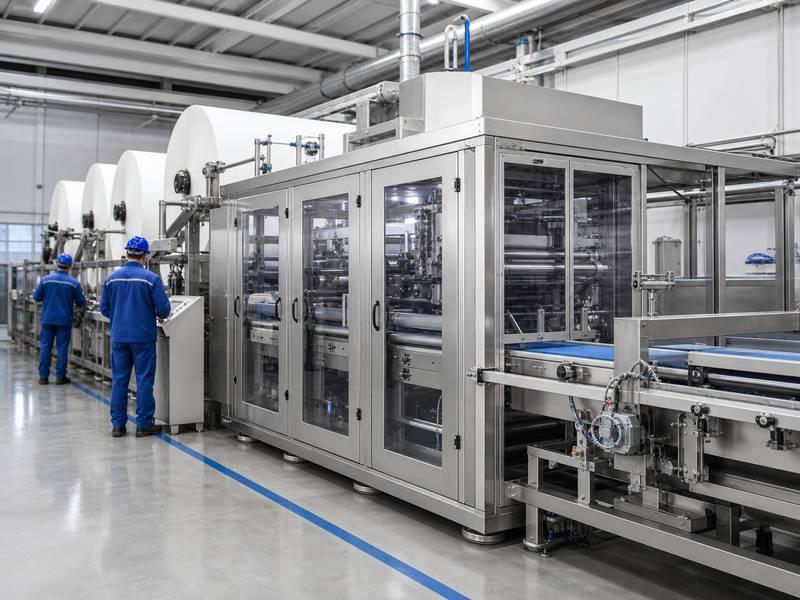
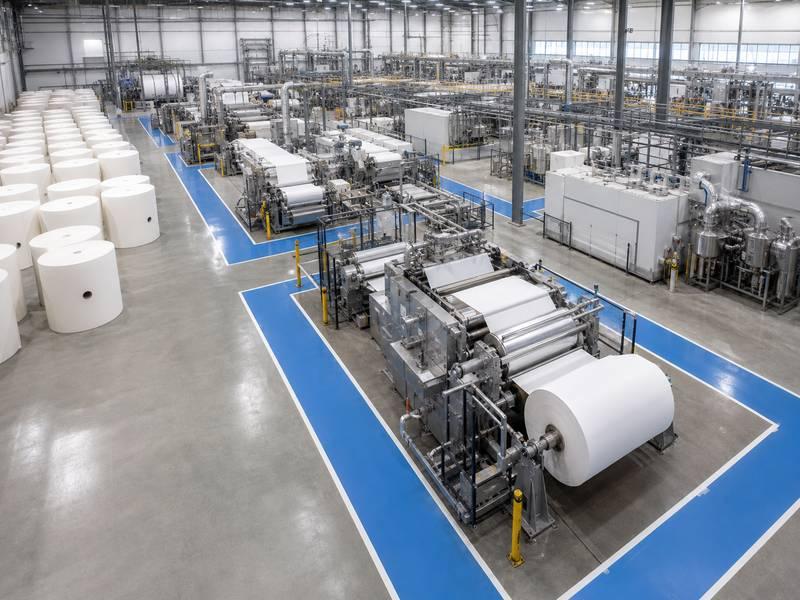
The compact single-channel footprint is one of the reasons buyers choose this line, but it still needs proper planning. Before installation, confirm the available floor space against the machine's overall dimensions, and check access routes for the parent roll supply, the finished pack discharge, and maintenance clearance around the machine. Power supply, air supply, and local voltage requirements should be confirmed with the supplier for your site conditions.
If the line will sit alongside existing converting or packing equipment, plan the material flow so that parent rolls, finished packs, and waste handling do not cross each other.
Information to Prepare for a Quotation
A faster and more accurate quotation comes from a clear brief. Buyers should prepare the following before contacting the supplier:
-
Target finished pack format and folded tissue dimensions.
-
Unfolded tissue size and sheets per pack.
-
Parent roll width, diameter, and GSM.
-
Ply structure and paper grade.
-
Required output level and expected daily running hours.
-
Factory layout sketch, available floor space, and local voltage.
-
Downstream packing or cartoning requirements, if any.
-
Sample packs or reference products, where available.
Buyer Questions on This Line
Can one line produce both mini and standard pocket packs?
The line supports several folded tissue sizes and sheet counts, so more than one pack format can be produced. The exact changeover scope and any required format parts should be confirmed with the supplier against your target formats.
Is this line suitable for a factory with limited space?
The single-channel layout is more compact than a multi-channel line, which is often the reason buyers select it. Confirm the machine dimensions against your actual floor plan, including maintenance and material access.
What determines the achievable output?
Output depends on the pack format, sheet count, paper grade, and how steadily the line is run. The rated output range should be read together with your specific product and operating conditions.
What should be checked during commissioning?
Typical commissioning checks include fold quality, pack count accuracy, web tension stability, and correct synchronization of the servo axes. A structured checklist should be agreed with the supplier before startup.
Related Equipment and Further Information
Buyers comparing this single-channel line with higher-output options can review the full servo dual-channel pocket tissue production line for a wider output range. The pocket tissue machine range shows how this model fits alongside other pocket tissue equipment.
Contact us by WhatsApp or submit the inquiry form for a fast factory response.
Send your target pack format, parent roll specification, and floor plan so the engineering team can confirm the right configuration for your factory.





 Machine Model
 Parent Roll / Working Width
 Power Supply / Installed Power
 Machine Weight


 Tel: +86 139 0819 6540
 Email: info@doubletissuemachine.com
 MP/WhatsApp: +86 139 0819 6540
 Manufacturer Address:Dongguan, Guangdong, China



0 reviews