Dual-Channel Pocket Tissue Production for High-Volume Lines
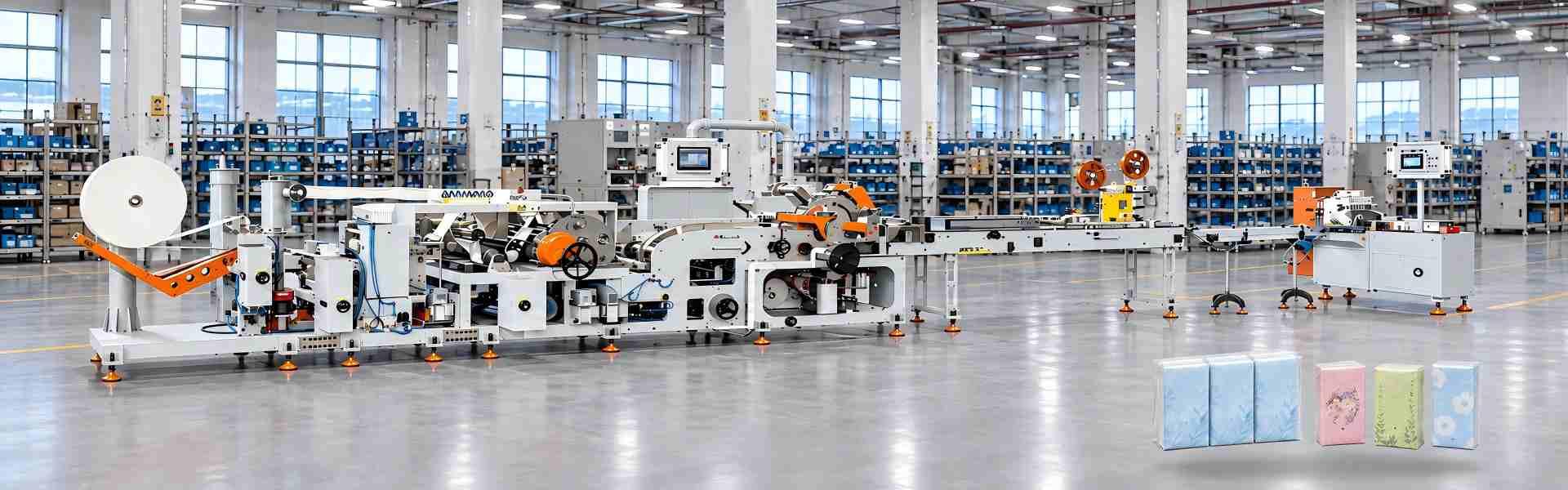
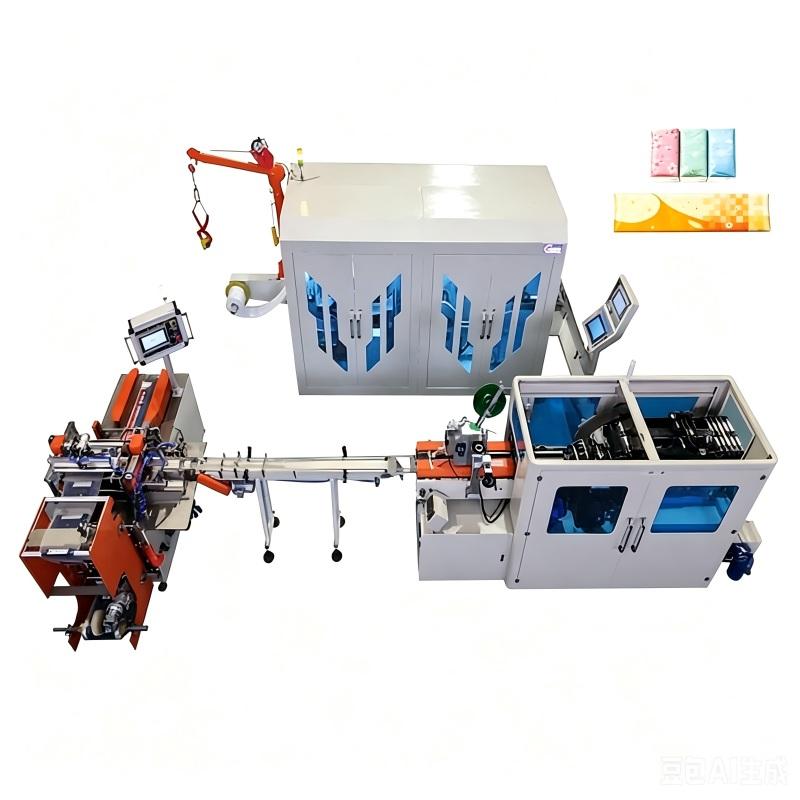
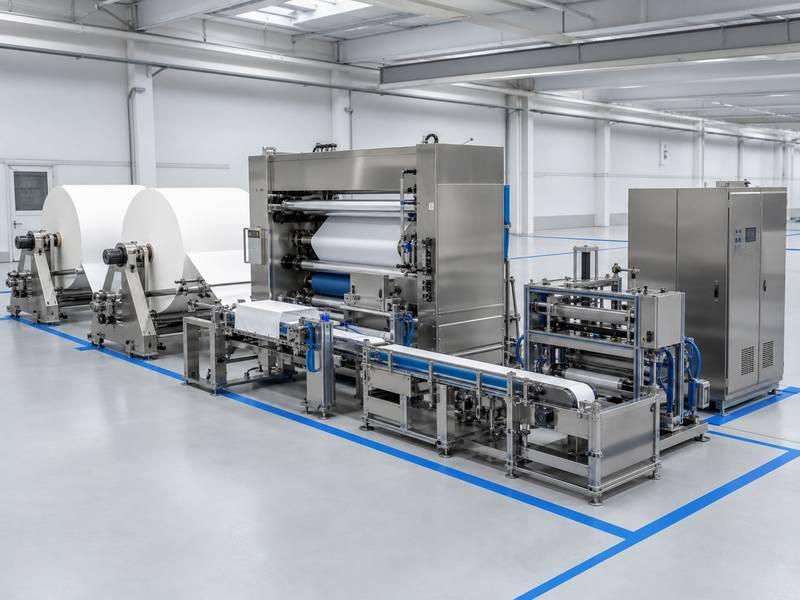
The DB-W-200P is a full-servo, dual-channel production line that integrates paper feeding, folding, cutting, stacking and packing into one continuous process. It is built for factories that need to convert jumbo rolls into finished pocket tissue packs at high output while keeping the folding and packing stages synchronized.
Because both channels run in parallel, the line suits buyers planning a dedicated pocket tissue line rather than a multi-format converting setup. Final configuration depends on your finished pack format, parent-roll specification, target output, automation level, downstream connection, utilities and available floor space.
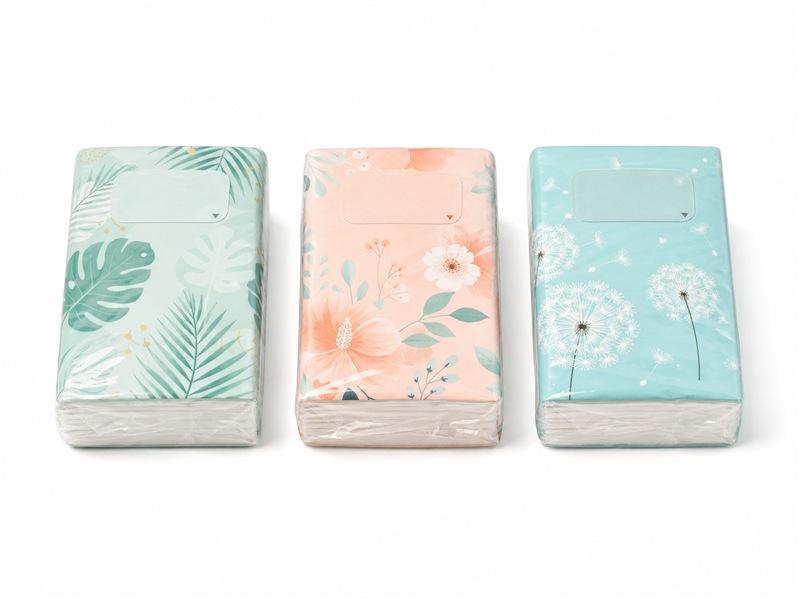
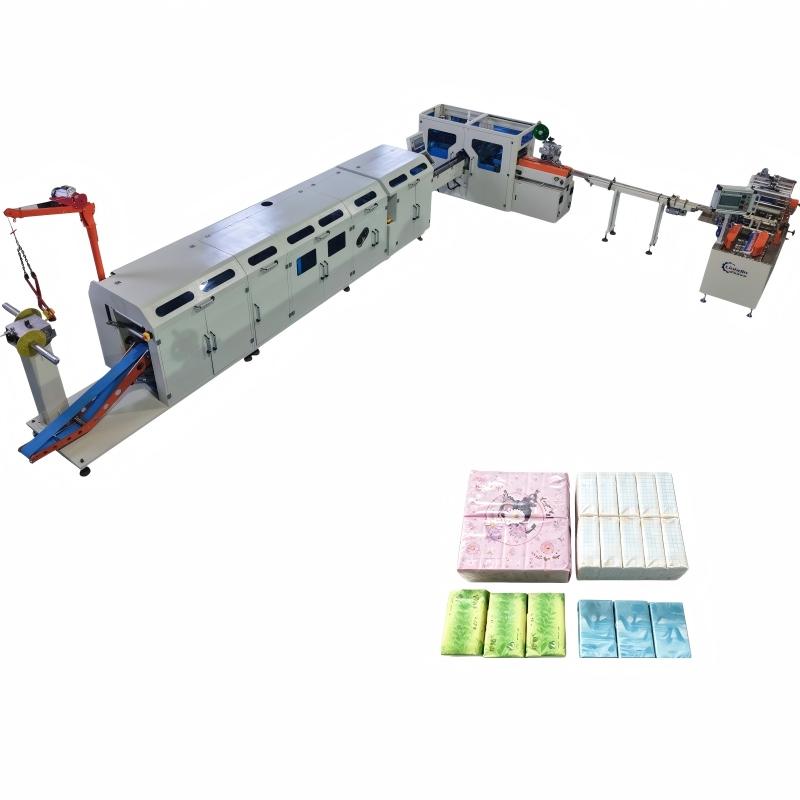
Configuration Highlights
-
Full-servo drive on the main converting and packing motions for coordinated, repeatable cycles.
-
Dual-channel flow that folds, cuts and stacks two streams before packing.
-
Integrated folding, cutting, stacking and packing in a single line layout.
-
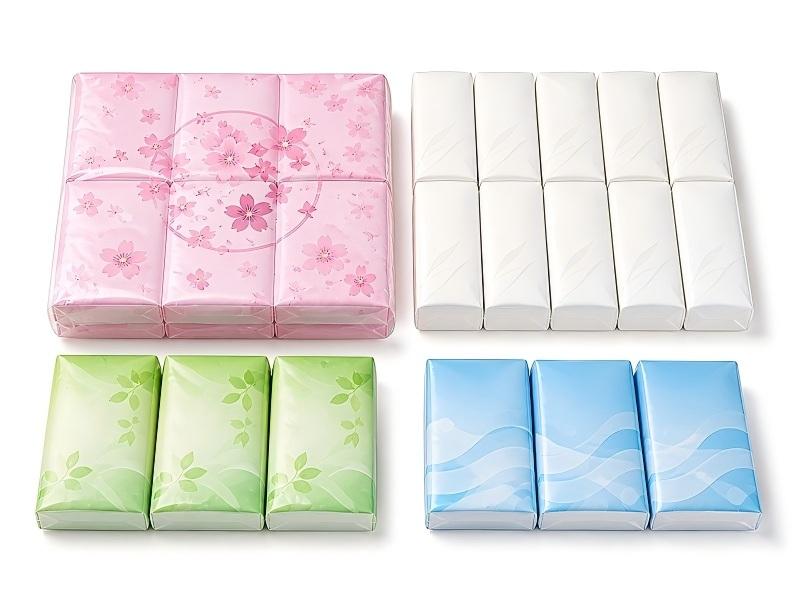
Adjustable to a range of unfolded and folded tissue sizes and sheet counts per pack.
-
Designed for continuous high-volume pocket tissue output.
Rated output, jumbo roll width, tissue sizes, sheet counts, power, dimensions and weight are listed in the Technical Specifications field. Confirm the values that apply to your order before layout and utility planning.
How the Line Runs
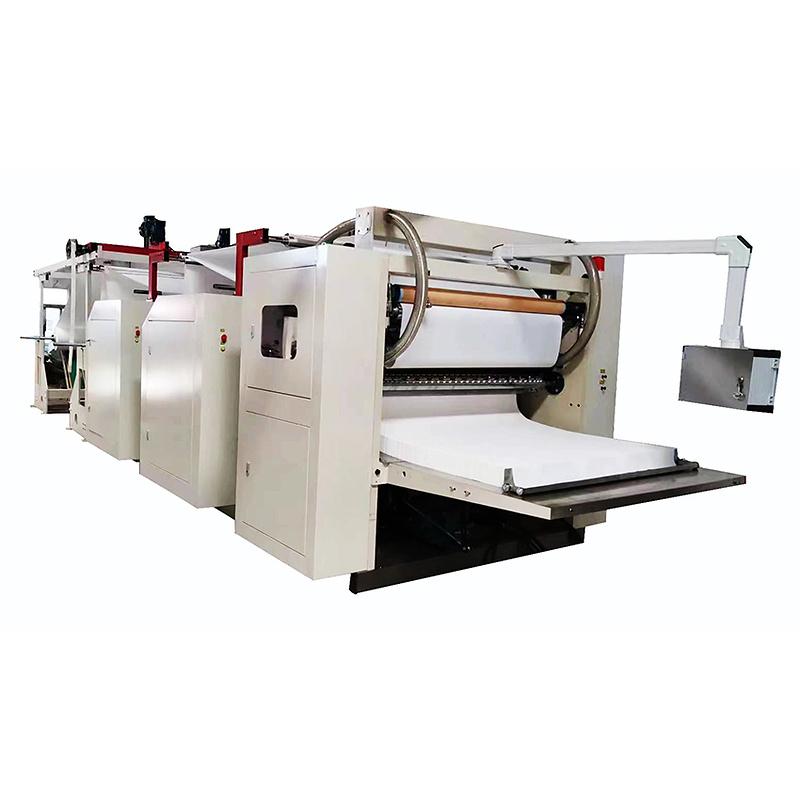
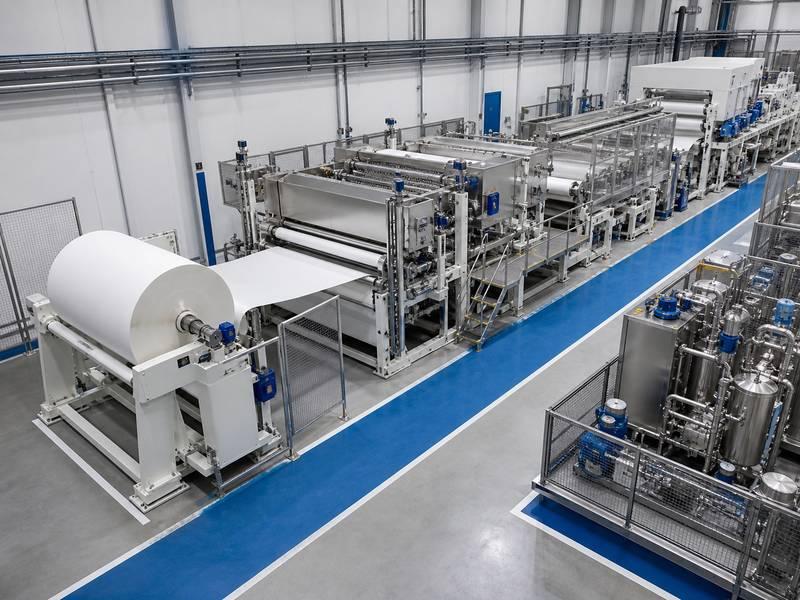
Jumbo rolls are fed into the line, where the web is folded and cut into individual tissues. The two channels then stack the folded sheets to the required count and transfer them to the packing section, which wraps and seals each pack. Because folding, cutting, stacking and packing are linked, the stability of the whole line depends on consistent web tension, clean cutting and reliable transfer between stages.
Choosing the Right Configuration
Selection should start from the finished product, not from the machine alone. Buyers should define the unfolded and folded tissue dimensions, the number of sheets per pack, the pack style, and the target output before confirming a configuration. The dual-channel design is best suited to buyers who need high output on a narrow range of pocket tissue formats; if your product mix changes frequently or your volumes are lower, a single-channel line may be a better match.
|
Buyer Input
|
Why It Matters
|
|
Finished pack format and folded tissue size
|
Determines the folding, cutting and stacking setup and the packing format.
|
|
Sheets per pack
|
Affects stacking count, cycle timing and packing rhythm.
|
|
Parent roll width and paper grade
|
Must match the line's feeding and web-handling capability.
|
|
Target output and shift pattern
|
Confirms whether a dual-channel line is the right capacity level.
|
|
Factory layout and utilities
|
Affects line placement, power supply and air requirements.
|
|
Downstream packing and automation level
|
Defines how the packing section integrates with the rest of the line.
|
Applications and Suitable Production
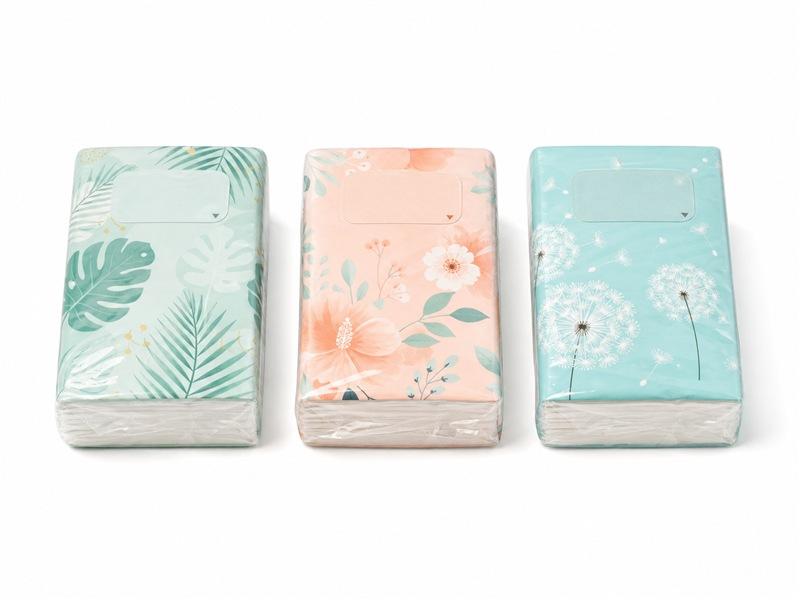
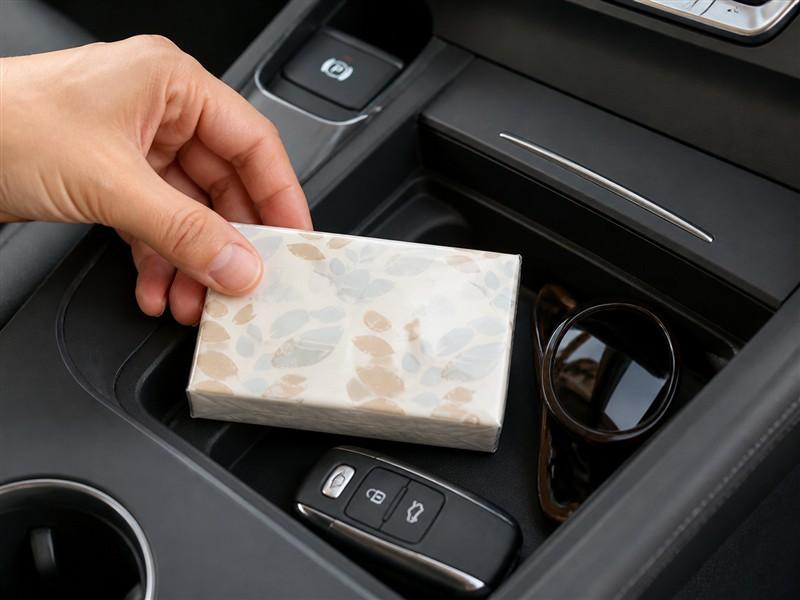
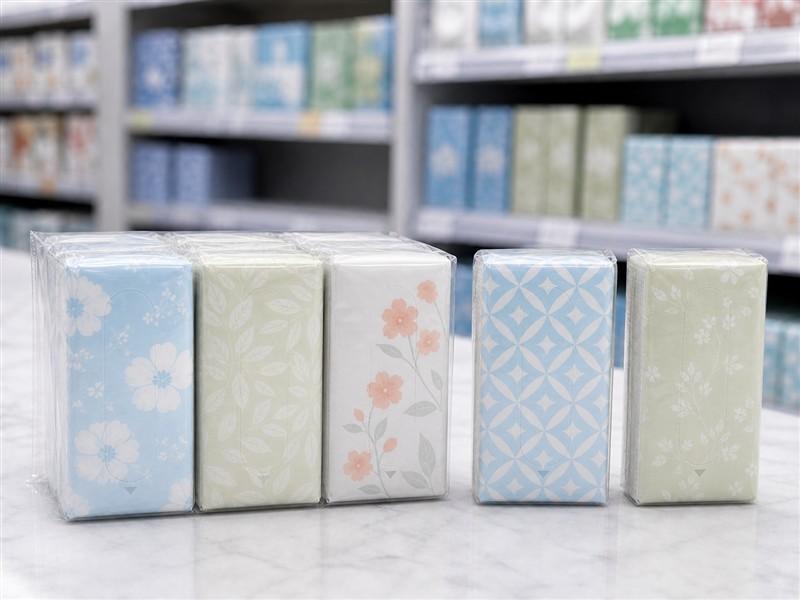
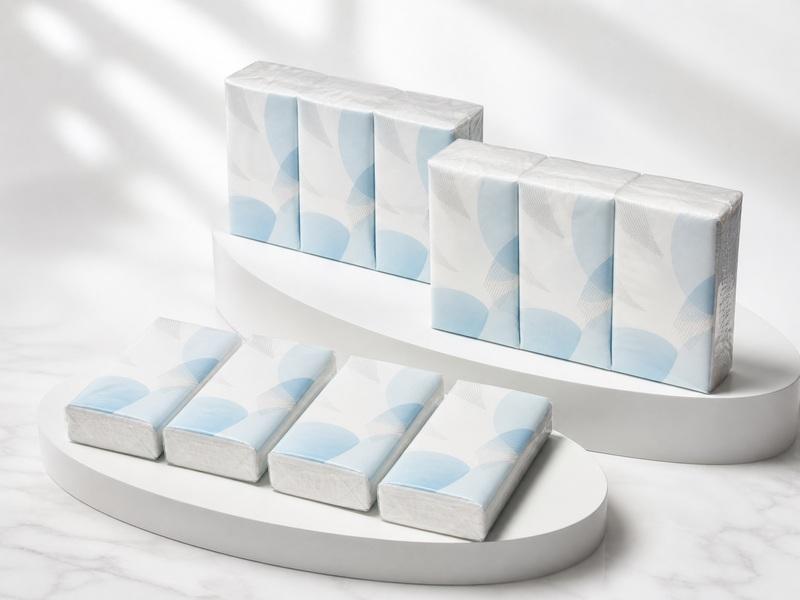
The DB-W-200P is intended for pocket tissue and handkerchief-style tissue packs produced from jumbo rolls. It suits factories running a dedicated pocket tissue line where output volume and pack consistency are the main priorities. Buyers producing multiple tissue formats, or working with frequent format changeovers, should review whether a dual-channel configuration matches their product mix.
Practical Operating Experience
Stable output on a dual-channel line depends on more than the machine itself. During commissioning, the folding and cutting sections should be checked against the actual parent roll and finished format, and web tension should be verified on both channels. Common causes of unstable running include mismatched parent-roll specifications, worn cutting components, incorrect stacking counts and transfer timing that drifts out of sync with the packing section.
For daily operation, keep the folding, cutting and stacking areas accessible for inspection and cleaning, and plan spare parts for the cutting and transfer components. Operators should be trained on format changeover and on how to identify early signs of tension or timing problems before they affect pack quality.
Buyer Questions
How do I decide between a dual-channel and single-channel line?
Base the decision on your target output and product range. A dual-channel line is aimed at higher-volume, narrower-format production, while a single-channel line is generally more flexible for smaller volumes or more frequent format changes.
What information should I provide before requesting a quotation?
Provide the finished pack format, folded and unfolded tissue dimensions, sheets per pack, parent roll width and paper grade, target output, factory layout, packing method and local voltage. These inputs determine the final configuration.
Can the line be adjusted for different tissue sizes and sheet counts?
The line supports a range of tissue sizes and sheet counts per pack. Confirm the specific range for your order, since the exact settings depend on the finished format you require.
Next Step
To confirm whether the DB-W-200P fits your production plan, share your finished pack format, parent roll specification and target output. Contact us by WhatsApp or submit the inquiry form for a fast factory response.
Related reading: DB-W-200P Full Servo High-Speed Dual-Channel Pocket Tissue Production Line and Tissue Paper Machine Catalog.


 Machine Model
 Parent Roll / Working Width
 Power Supply / Installed Power
 Machine Weight

 Tel: +86 139 0819 6540
 Email: info@doubletissuemachine.com
 MP/WhatsApp: +86 139 0819 6540
 Manufacturer Address:Dongguan, Guangdong, China



0 reviews