DB-HK-220P: Dual-Channel Pocket Tissue Production for Mini and Standard Packs
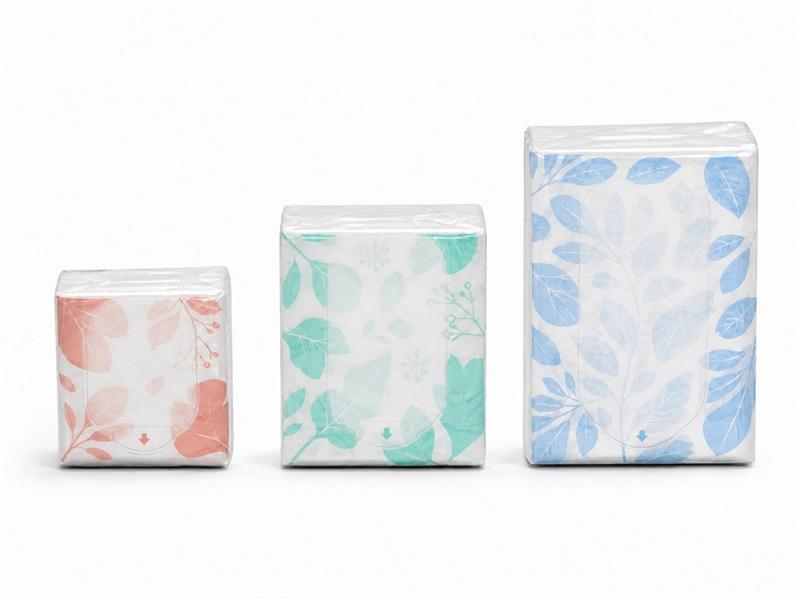
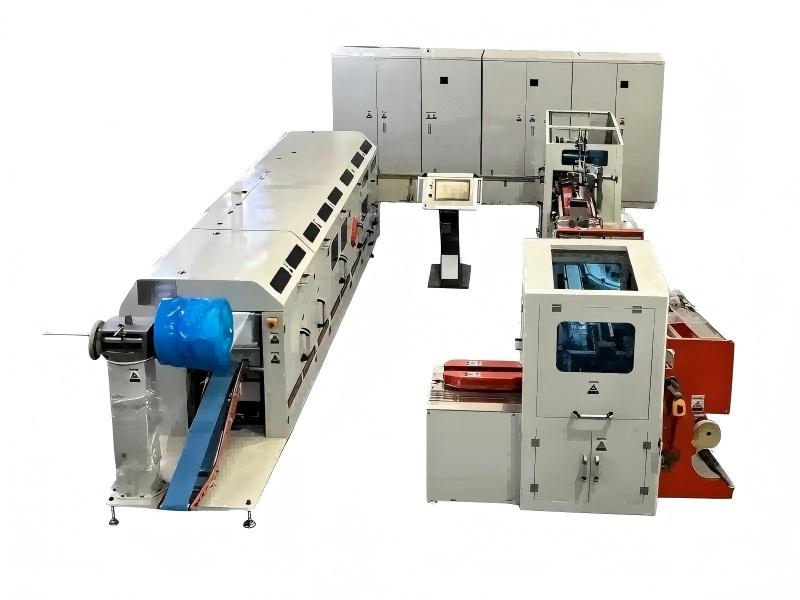
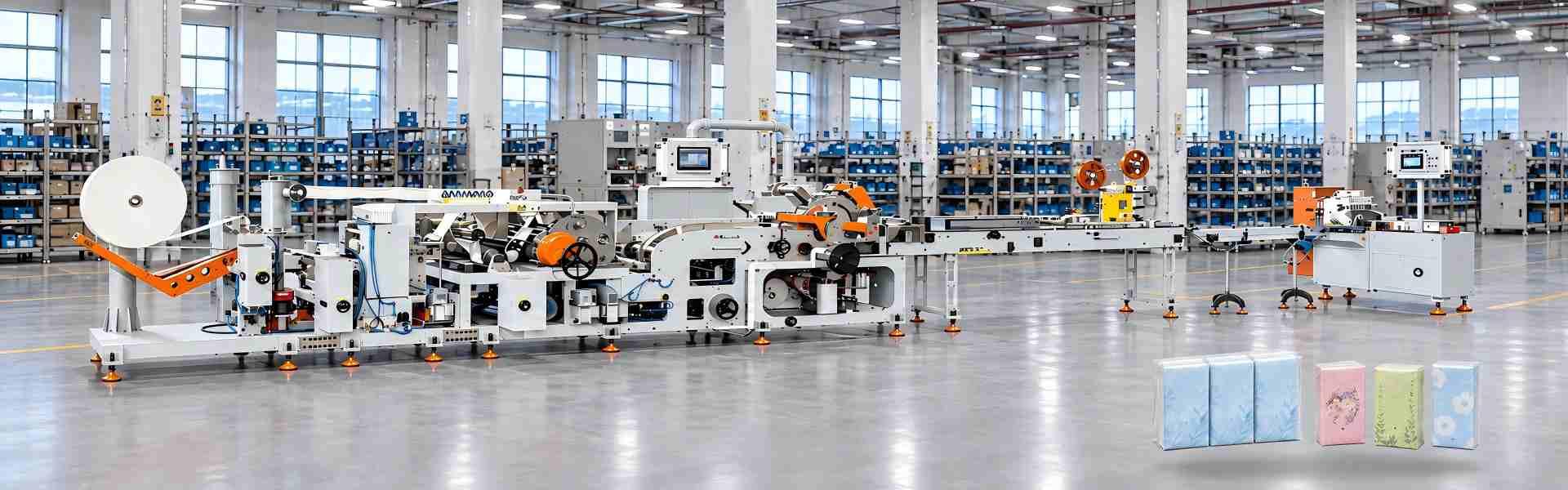
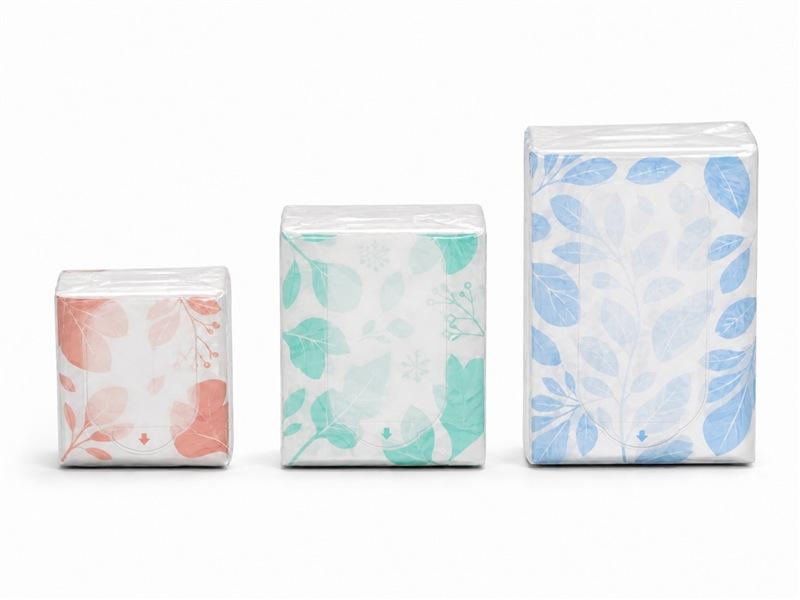
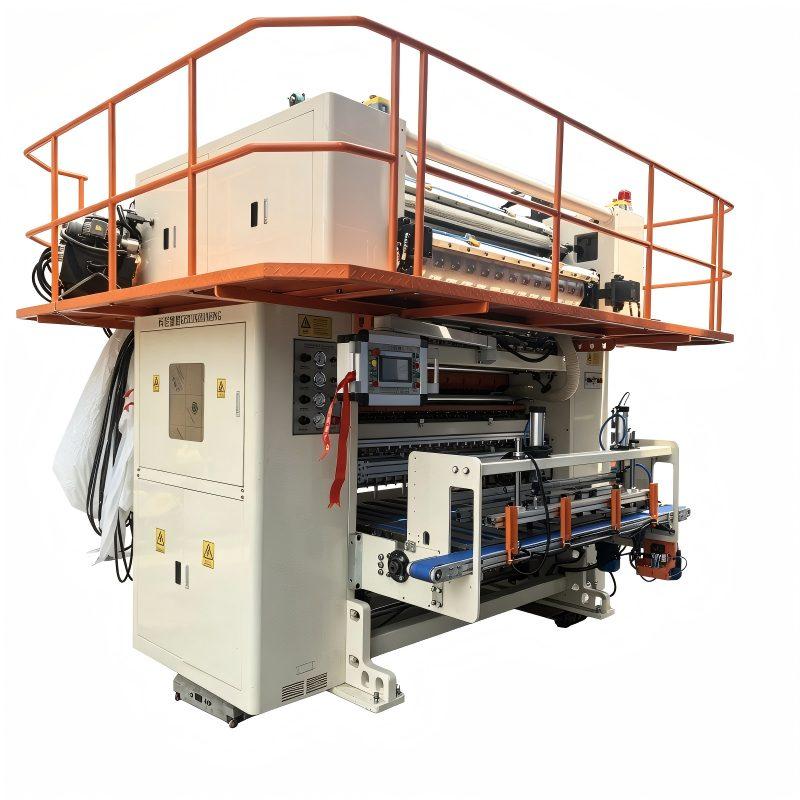
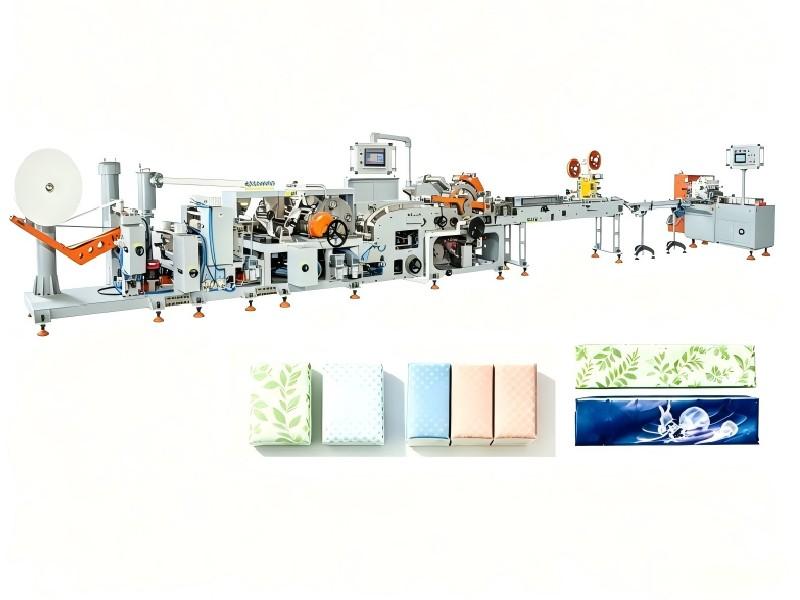
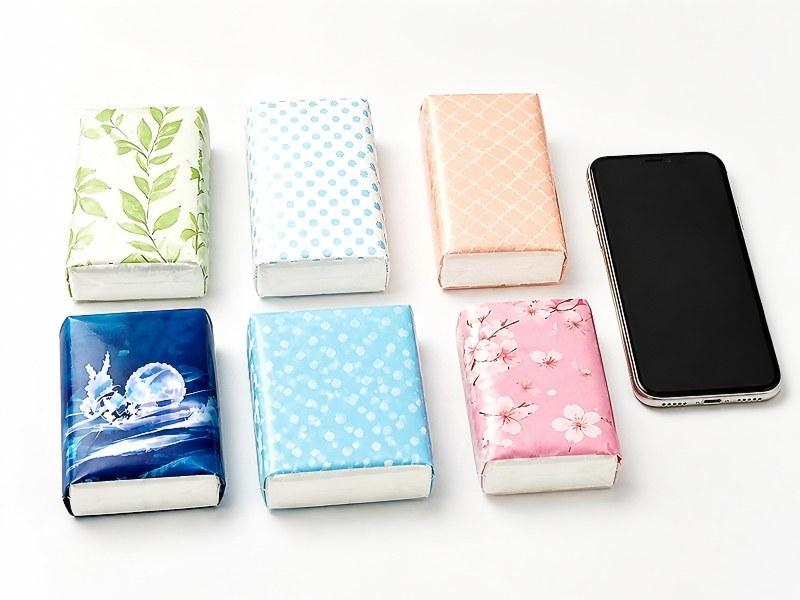
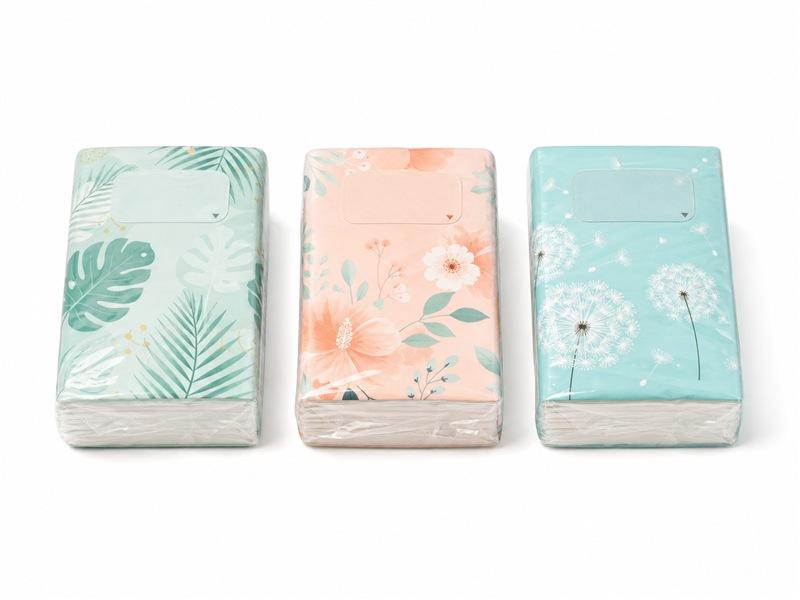
The DB-HK-220P is a full-servo, dual-channel U-shaped production line built for converters who need to run super mini, mini and standard pocket tissue packs on one machine. Two parallel channels work at the same time, so the line suits factories that want higher output per shift without adding a second complete line, floor space or operator team.
Because the machine is fully servo-driven, the main motions are set through the PLC touchscreen rather than by mechanical changeover. That matters when a buyer needs to switch between pack formats during the week, or when a new product size has to be trialled before a full production run.
Where This Line Fits in a Tissue Converting Factory
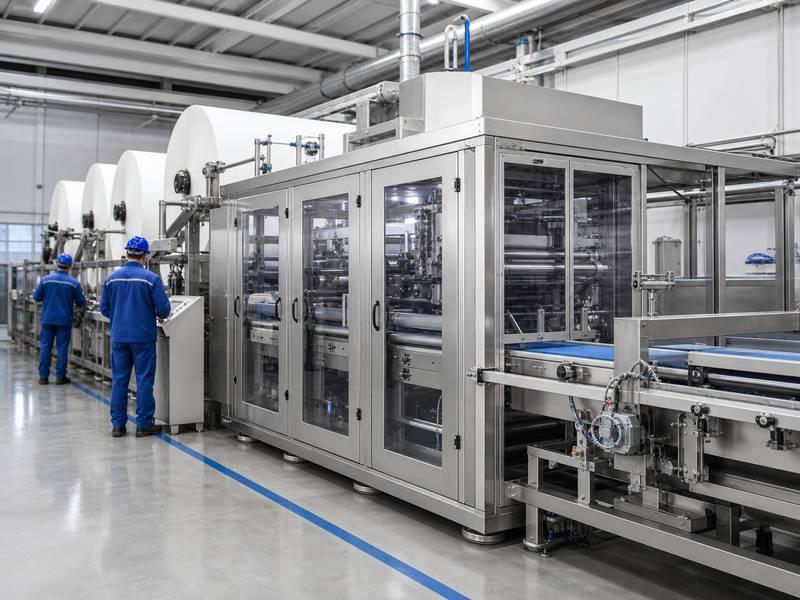
The DB-HK-220P is a converting machine, not a paper-making or packing line. It takes jumbo rolls of tissue paper and converts them into folded, counted and packed pocket tissue. Buyers should confirm the parent roll specification, the finished pack format and the downstream packing or cartoning arrangement before finalising the configuration.
Typical use cases include:
-
Factories producing pocket tissue for retail, hotel, airline or promotional channels.
-
Converters who already run a single-channel line and want to increase output without duplicating the whole setup.
-
Producers who need to run several pack sizes on one machine and change format during the working week.
-
Buyers planning a new pocket tissue workshop where floor space and operator numbers are limited.
-
Key Configuration Highlights
-
Dual-channel output. Two channels run in parallel, which is the main reason this model suits higher-volume pocket tissue production.
-
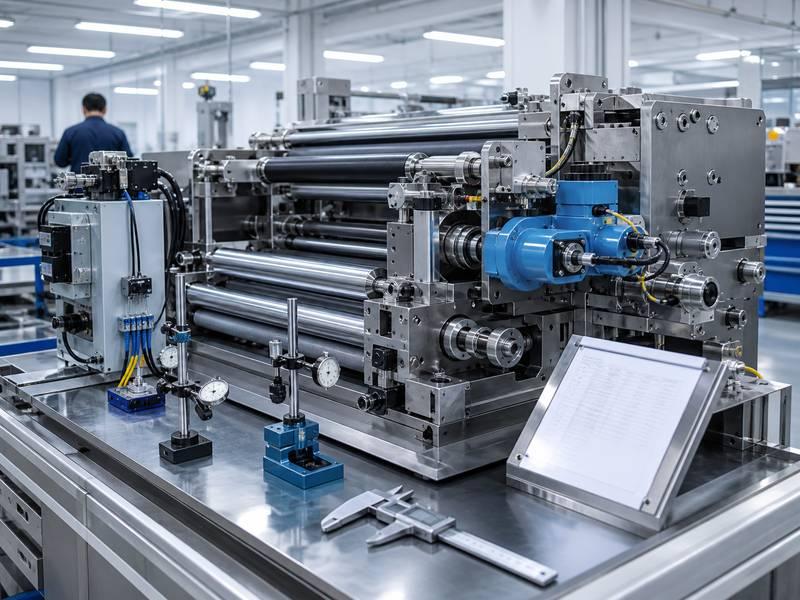
Full servo drive system. Servo motors control the main motions, so timing and format changes are handled through the control system instead of mechanical adjustment.
-
Servo constant-tension unwinding. Keeps web tension stable as the jumbo roll diameter decreases, which supports consistent folding and cutting.
-
Automatic web correction. Helps keep the tissue web aligned during running, reducing edge waste and manual correction by the operator.
-
PLC touchscreen with recipe storage. Operators can recall stored settings for repeat formats instead of re-entering parameters each time.
-
U-shaped layout. The line is arranged in a U configuration, which is worth checking against the available floor space and material flow in the workshop.
How to Choose the Right Configuration
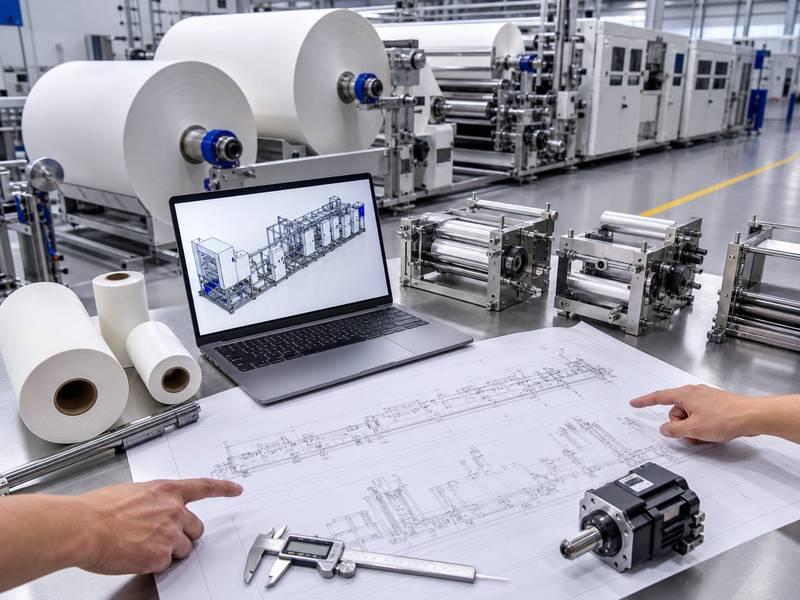
Configuration is not fixed. The final setup depends on the finished pack format, the parent roll width, the target output and how the line connects to downstream equipment. Before requesting a quotation, buyers should prepare the following information:
|
Decision point
|
What the buyer should confirm
|
Why it affects the configuration
|
|
Finished pack format
|
Super mini, mini or standard pack; folded tissue size and sheets per pack
|
Determines the folding and cutting setup and the pack format the line is built to run
|
|
Parent roll specification
|
Jumbo roll width, diameter and paper grade
|
Affects the unwinding configuration and the finished tissue size the line can produce
|
|
Target output
|
Required packs per minute and daily or shift output
|
Confirms whether a dual-channel line is the right level, or whether a single-channel model is sufficient
|
|
Changeover needs
|
How many formats per week and how often the line will be switched
|
Supports the decision on recipe storage and servo-based format change
|
|
Downstream connection
|
Packing, cartoning or bundling arrangement after the line
|
Determines the interface and layout between the converting line and the next stage
|
|
Factory conditions
|
Available floor space, local voltage, compressed air supply and operator plan
|
Affects the U-shaped layout, utility connection and staffing of the line
|
Machine parameters such as rated output, jumbo roll width, folded and unfolded tissue sizes, sheets per pack, rated power, dimensions and weight are listed in the Technical Specifications section of this page. Buyers should treat those values as the reference point and confirm the final configuration against their own product samples.
Operating Experience and Maintenance Notes
Practical experience with full-servo pocket tissue lines shows that most running problems come from the input side rather than the machine itself. Points worth checking during commissioning and daily operation include:
-
Parent roll quality. Uneven roll density or damaged edges can cause web breaks and tension fluctuation, even on a servo-controlled unwinder.
-
Tension setting. The constant-tension unwinding system should be set for the actual paper grade in use, not left at a default value from a previous product.
-
Web correction checks. The automatic correction system should be verified at the start of each shift so that edge alignment stays within tolerance.
-
Folding and cutting access. Keep the folding and cutting area clean and check the relevant parts on a regular schedule, since this is where format accuracy is decided.
-
Recipe discipline. Store and name recipes clearly in the PLC so that operators recall the correct settings instead of adjusting parameters by trial and error.
-
Operator training. Because the line is servo-driven, training should focus on the touchscreen, recipe recall and fault messages rather than mechanical adjustment.
-
Spare parts planning. Keep commonly worn cutting and folding components in stock so that a format change or a minor fault does not stop the line for a long period.
Buyer Questions Before Quotation
How do I decide between a dual-channel and a single-channel pocket tissue line?
It mainly depends on the required output and the number of formats you plan to run. A dual-channel line such as the DB-HK-220P is aimed at higher output per shift, while a single-channel line can be a better fit for smaller volumes or limited floor space. Buyers should compare the target packs per minute against the actual production plan before choosing.
What information should I provide to get an accurate quotation?
Provide the finished pack format, folded tissue size, sheets per pack, parent roll width and paper grade, target output, downstream packing arrangement, available floor space, local voltage and compressed air supply. Samples of the finished pack are also useful for confirming the folding and cutting setup.
Can the line run several pack sizes?
The machine is designed for super mini, mini and standard pocket tissue packs, and the PLC touchscreen supports recipe storage. The exact range of formats that can be run on one configuration should be confirmed with the supplier against your specific product samples.
What affects stable running and waste rate?
Parent roll quality, correct tension setting, web alignment, clean folding and cutting areas, and operator familiarity with the control system are the main factors. Stable input material and consistent settings usually matter more than running the line at its highest possible speed.
Is this a complete production line including packing?
The DB-HK-220P is a pocket tissue converting line. Whether packing, cartoning or bundling equipment is included depends on the configuration agreed with the supplier. Buyers should confirm the scope of supply and the interface with downstream equipment before ordering.
Next Step
If you are planning a pocket tissue project, send your finished pack format, parent roll specification and target output so the configuration can be matched to your production plan. Contact us by WhatsApp or submit the inquiry form for a fast factory response.
You can also review the pocket tissue machine range or download the tissue paper machine catalog for more technical background.


 Machine Model
 Parent Roll / Working Width
 Power Supply / Installed Power
 Machine Weight

 Tel: +86 139 0819 6540
 Email: info@doubletissuemachine.com
 MP/WhatsApp: +86 139 0819 6540
 Manufacturer Address:Dongguan, Guangdong, China



0 reviews