Box Facial Tissue Machine for Vietnam in 2017
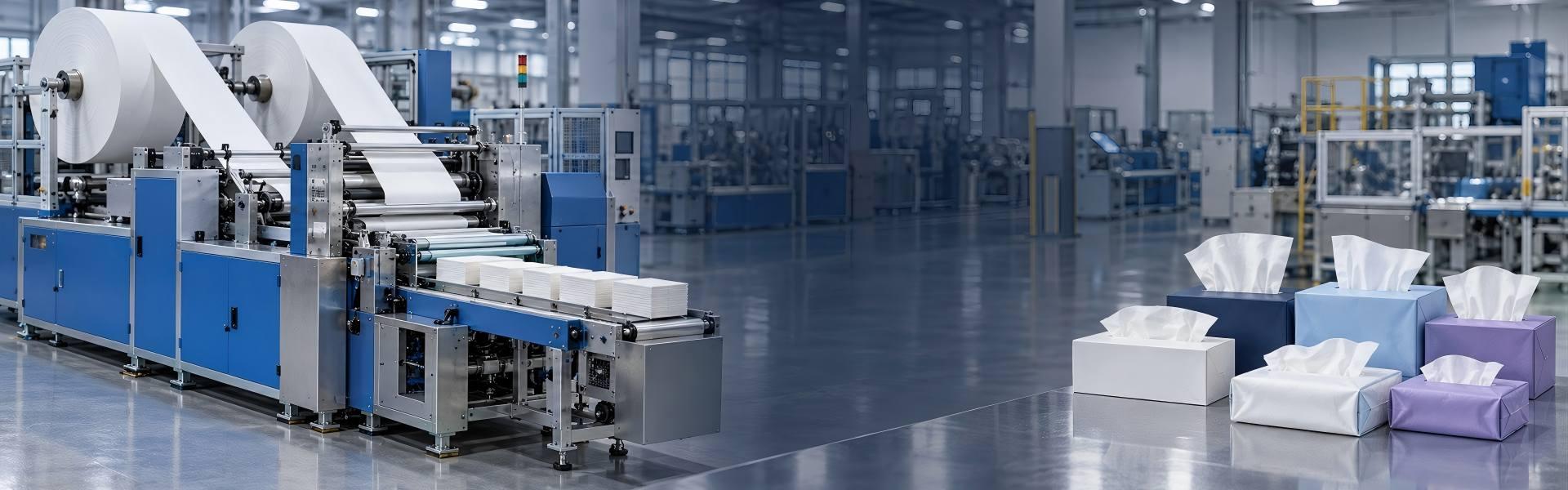
In 2017, a tissue converter in Vietnam planned a new boxed facial tissue line to extend its local consumer tissue range. The project target was simple to state but demanding to deliver: neatly folded facial tissue, consistent sheet count, and a clean fold that would sit properly inside a retail box format.
Because the source material for this project does not include a customer name, output figures, or verified performance data, this page is presented as a project scenario. It describes the confirmed requirement and the selection logic behind the equipment, without inventing speeds, capacities, or results.
Project Background and Requirement
The converter was already handling parent rolls and wanted to move into boxed facial tissue rather than only supplying semi-finished or loosely packed products. The main planning points were the parent-roll condition, the finished tissue size, the box format, and the available workshop layout.
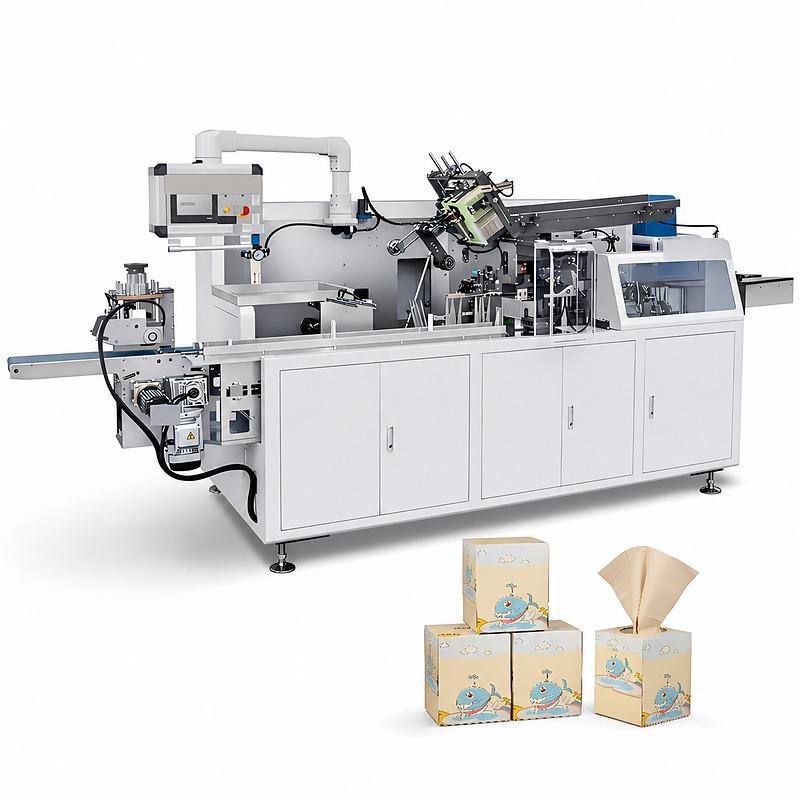
For a box facial tissue project, these four factors usually decide the machine configuration. Parent-roll width and quality affect the unwinding and folding stability. Finished tissue size and fold type determine the folding and cutting setup. Box format influences how the folded tissue is counted, stacked, and transferred to the packing stage. Workshop layout decides how the converting machine, any intermediate transfer, and the packing equipment are positioned.
Why a Dedicated Facial Tissue Route Was Chosen
Boxed facial tissue requires a controlled fold and a consistent sheet presentation. A dedicated facial tissue converting process gives the converter a clearer production route: parent roll in, folding and cutting in line, then counted and stacked tissue ready for box packing.
This is different from a toilet-roll rewinding line. The two product families use different process logic, and mixing them would have made the project harder to plan and operate. Keeping the route specific to facial tissue helped the customer define a stable, repeatable process for boxed products.
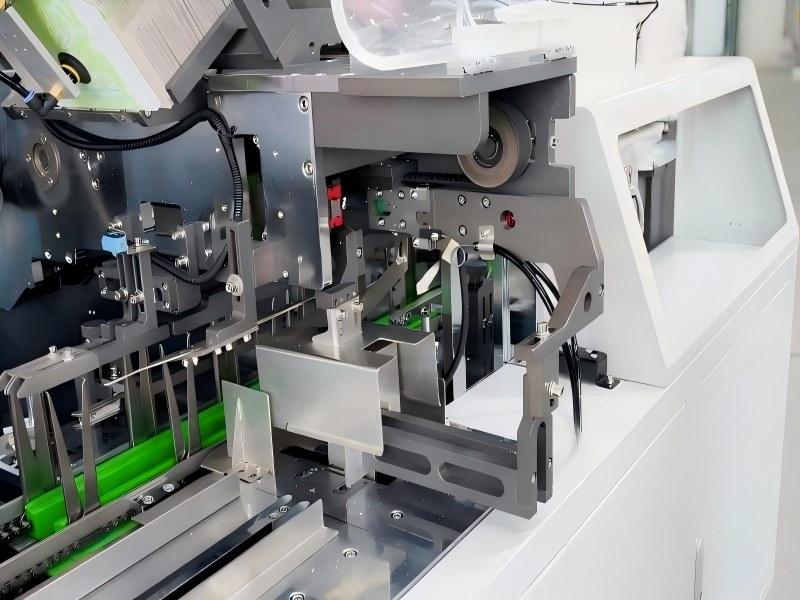
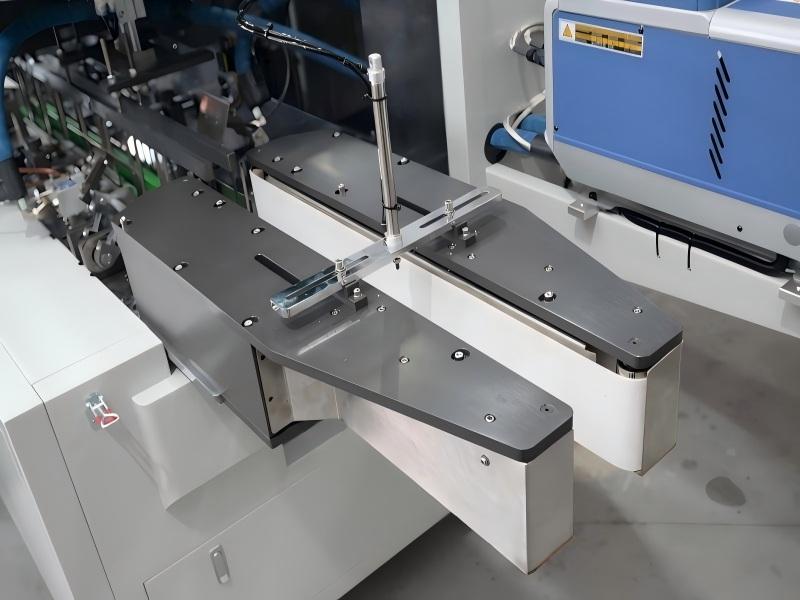
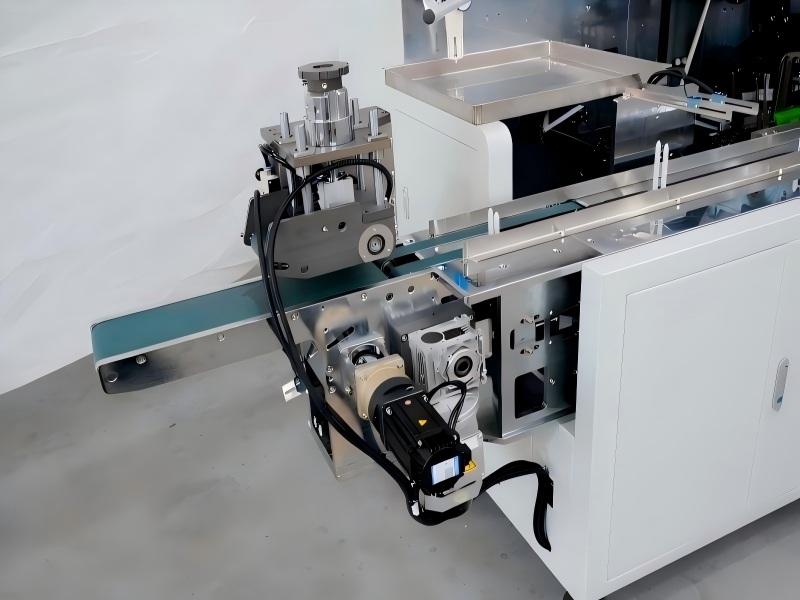
For this type of project, the folding and cutting stage is typically matched with a dedicated facial tissue machine, and the downstream packing stage can be reviewed against a facial tissue box packing machine so that the fold, count, and box format stay aligned from the start.
Buyer Takeaway
When planning a boxed facial tissue line, confirm the parent-roll specification, finished tissue size, fold type, and box format before comparing equipment. These inputs determine the folding and cutting setup, the counting and stacking method, and how the packing stage connects to the converting machine. Reviewing them together helps avoid a mismatch between the tissue fold and the retail box.
If you are planning a box facial tissue project, share your parent-roll condition, finished tissue size, box format, target output, workshop layout, and voltage or utility requirements. This information helps us recommend a suitable configuration and prepare a practical project comparison.




 Tel: +86 139 0819 6540
 Email: info@doubletissuemachine.com
 MP/WhatsApp: +86 139 0819 6540
 Manufacturer Address:Dongguan, Guangdong, China