A C-fold towel order needs three measurements that remain distinct: the opened sheet, the folded towel and the stack supplied to the dispenser. Confirm those dimensions against the actual cabinet before selecting the folding configuration. A towel can fit inside the cabinet yet leave too little exposed paper to grasp, or fit as an individual sheet while a full stack sits poorly. The useful specification combines a marked towel sample with the dispenser's loading and withdrawal requirements. It gives both the converting supplier and the buyer something more precise than a commercial size name.
Use a drawing that shows all three states
Start with a sheet laid open on a flat surface. Draw its outline, mark its measurement directions and show each fold line. Next draw the towel in its folded state, preserving the orientation labels. Finally show the stack as it will be loaded. These views connect the paper used by the customer to the shape the machine must deliver and the volume the dispenser must accommodate.
Do not use the term width without defining the direction. For a folded towel, one dimension runs along the folded edges while the other crosses the folded panels. A buyer may instead use width to mean the direction across the original parent roll. Both descriptions can be legitimate, but they are not sufficiently clear for an order unless the drawing connects them.
Mark the C-fold panel arrangement itself. If two inward-folding panels meet or overlap, show that relationship on the opened sheet. If a target sample differs, let the sample and drawing explain it rather than forcing it into a shorthand description. The machinery supplier should confirm the proposed folding arrangement against the approved reference, including any required changes to the usual configuration.
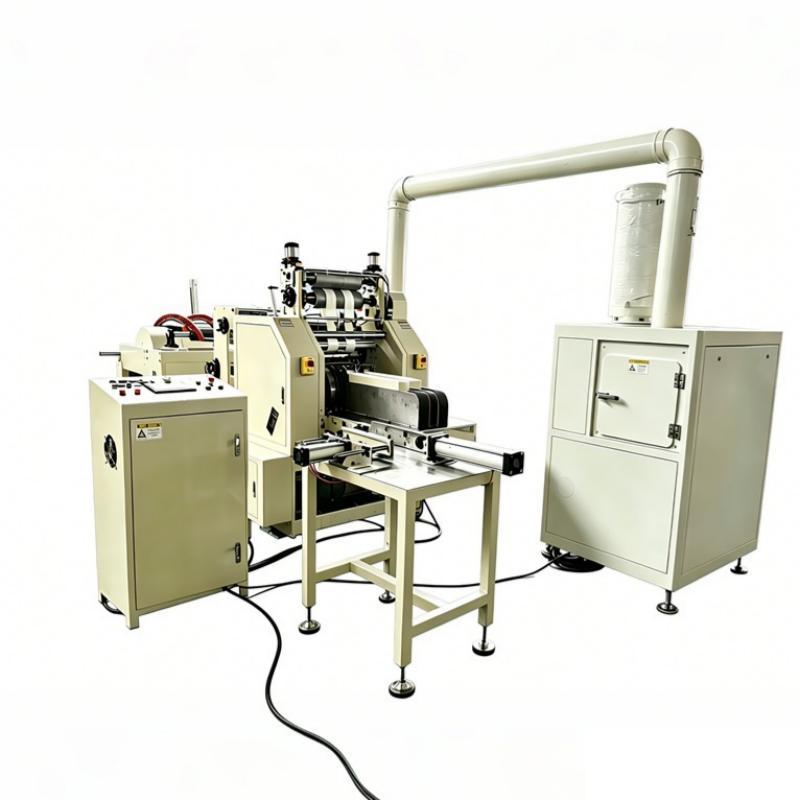
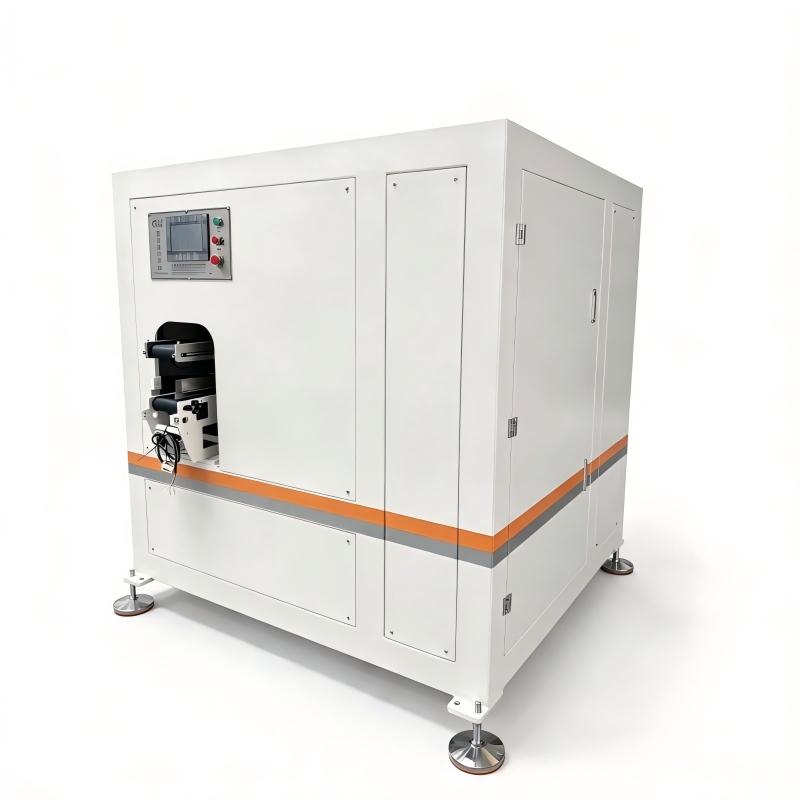
The DB-C-250 is identified on the product page as a C-fold hand towel folding machine. Its ordered product dimensions still require agreement.
Check the dispenser envelope with a real stack
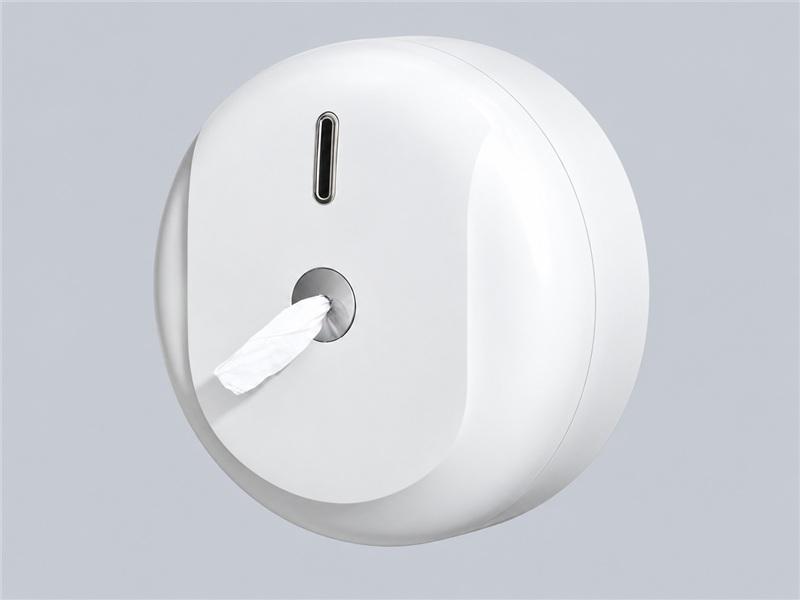
Measure the internal space where towels sit, the loading access and the withdrawal opening. Record obstructions such as supports, retaining parts or an angled base. External cabinet dimensions say little about that working space. Where the dispenser manufacturer supplies an approved towel specification, use it alongside a physical check of the cabinet being purchased.
Load a representative stack without forcing it into position. Observe whether it rests evenly, whether the cabinet closes normally and whether the exposed towel can be grasped. A tight fit can conceal differences in paper bulk or stack height. A very loose fit can allow a stack to sit at an angle. These observations establish questions for the towel trial; they are not universal tolerances that can be assigned to every dispenser.
Repeat the observation near the end of the stack. Support and access may change as the contents are depleted. A cabinet that presents the first towel well should also be checked when only a smaller quantity remains. Note whether the loading procedure requires the folded edges to face a particular way, and include that orientation on the drawing supplied with the machine enquiry.
Make the dimension ledger explain the consequence
Dimension or condition
How to describe it
What an error can change
Opened sheet length and width
Annotated flat-sheet drawing
Paper available for use and the required cutting or folding geometry
Folded footprint
Measured outline with fold orientation
Fit and position inside the cabinet
Panel widths and relationship
Fold lines shown on the opened sheet
Presentation and the way a towel is grasped
Stack height
Specified count under an agreed measuring condition
Loading clearance and pressure within the dispenser
Withdrawal opening
Cabinet measurement with loading direction
Access to the exposed portion of the towel
Keep a nominal dimension and its acceptable variation together. A nominal value on a quotation is insufficient if inspection later uses a different measurement method or an undefined tolerance. Agree whether the towel is measured immediately after folding or after a defined conditioning period. Use the same method for reference samples and demonstration samples so that paper relaxation is not mistaken for a machine setting error.
The ledger should also identify the measurement tool and the number of samples to inspect. Measuring one sheet from the top of one stack cannot describe every lane or a longer run. A practical sampling plan can cover successive stacks and different output positions without turning the specification into a laboratory exercise. Its purpose is to make disagreement less likely and investigation more useful.
Distinguish the product dimension from the material width used to achieve it. The parent web, its working width and any agreed trimming arrangement need a separate supplier response. A finished towel width should not be copied into the parent-roll order without that review. Keep the paper purchasing team involved so that the incoming roll specification and the approved towel drawing describe a feasible combination.
If the existing towel is being replaced, retain its drawing as a separate revision rather than overwriting it with the proposed dimensions. Compare the changed dimensions and explain why each change is acceptable for the target cabinet. This gives the buyer a clear record of what was approved and prevents an old pack specification from being reused accidentally for the new towel.
The paper path is part of the converting process; dimensional acceptance should be checked on the resulting towels.
Do not use stack count as a substitute for bulk
Two stacks with the same towel count can have different heights. The intended paper, ply arrangement and embossing all belong in the sample reference. A dispenser trial using a thin reference towel cannot automatically approve a bulkier planned product merely because their folded footprints match. Preserve the actual paper identity when comparing stack fit.
State what a counted unit means. For a multi-ply towel, distinguish one finished towel from the layers that make it. This prevents the order, the machine counter and the package label from using incompatible quantities. Counting accuracy and folded dimensions are separate checks, but they meet at the full-stack fit that the buyer ultimately needs.
If several paper grades will be sold in the same cabinet, test the intended combinations rather than taking the smallest stack as representative. The normal production product and the difficult combination should both be visible in the enquiry. The supplier can then explain which material or product differences need a separate configuration review.
Connect those requirements to the C-fold proposal
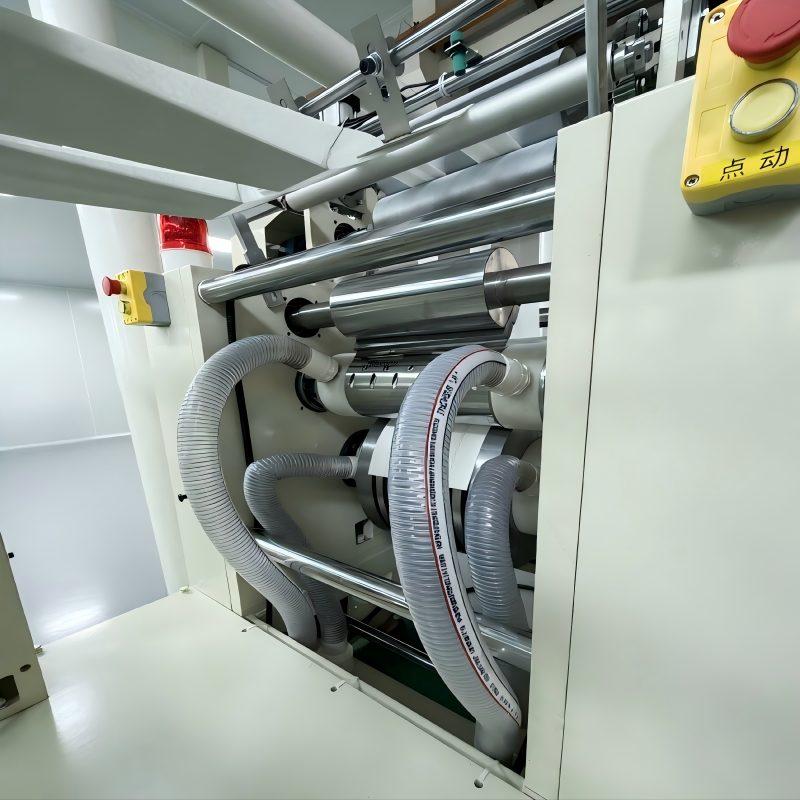
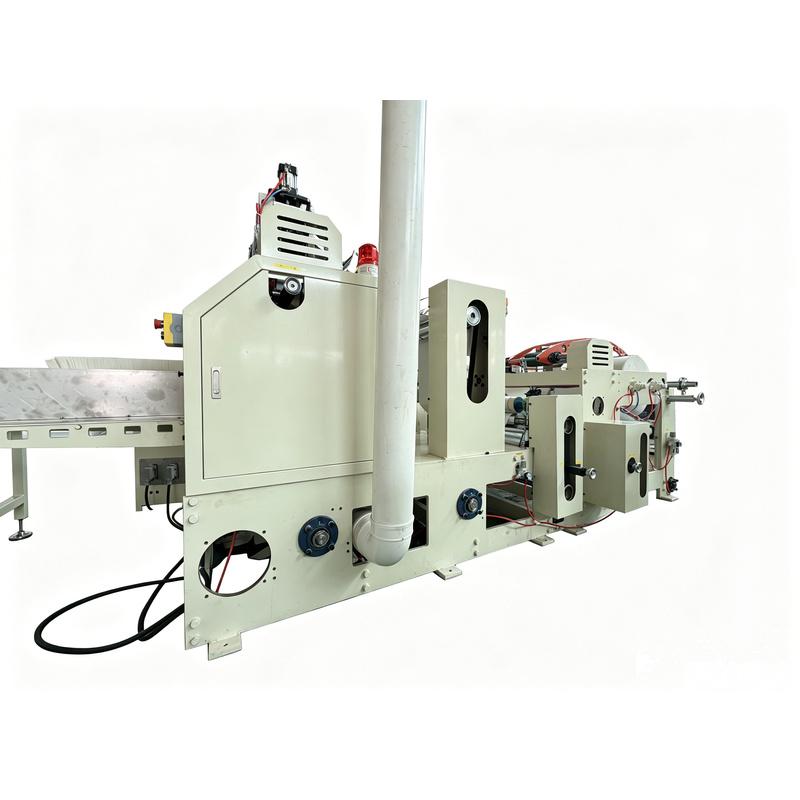
The DOUBLE DB-C-250 C-fold hand towel folding machine description identifies vacuum suction cutting, steel-to-steel embossing, PLC control and touchscreen operation. It also discusses finished sizes, embossing choices and downstream packing integration. Those published functions help frame the conversation, while the buyer's approved towel drawing determines what should be requested.
Ask the supplier to identify which requested dimensions are covered by the proposed equipment and which require a changed part or arrangement. Do not interpret a general statement about customized folding formats as automatic approval of an unrelated fold. The quotation should name the agreed C-fold geometry and explain the scope of any alternative that is included.
For downstream packing, provide the stack count and the unwrapped stack dimensions, not just the opened towel dimensions. If the towels are supplied to a dispenser service company, agree how packs will be opened and loaded. Packaging that compresses or restrains the stack differently can affect the condition in which the user receives the towels, even when the converting drawing remains unchanged.
Configuration discussions should keep the towel drawing, paper data and downstream stack specification together.
Retain one order reference, including the cabinet
Give the approved drawing, paper specification and reference samples the same revision number. Identify the dispenser model and preserve the cabinet used for the fit check where practical. A later substitute cabinet should trigger a new fit review; an identical external appearance is not proof of the same internal supports or withdrawal opening.
Before ordering, resolve any difference between the supplier's sample and the buyer's target. Describe it as a specific dimension, panel relationship or loading observation. Broad comments such as too large or unsuitable do not tell the supplier which part of the proposal needs attention. Photographs of the loaded cabinet can support the record, but measured drawings and retained samples remain necessary.
This reference set also gives a clear basis for receiving inspection. Check the delivered towels by the agreed method and load them in the same cabinet orientation. The objective is a product that meets its dimensional definition and can be used as intended. A machine proposal becomes easier to assess when those two requirements are visible from the start.




 Tel: +86 139 0819 6540
 Email: info@doubletissuemachine.com
 MP/WhatsApp: +86 139 0819 6540
 Manufacturer Address:Dongguan, Guangdong, China