A stable tissue converting line begins with a clearly defined finished product, not with the highest machine speed listed in a quotation. Buyers should first confirm the tissue format, paper condition, finished dimensions, pack requirements, expected operating pattern, and factory constraints. Those inputs determine which converting, cutting, transfer, and packing functions must work together.
The practical objective is a line that can repeatedly make the approved product under agreed material and operating conditions. A sound purchasing process therefore compares stable output, changeover needs, line interfaces, maintenance access, and acceptance evidence instead of judging one machine in isolation.
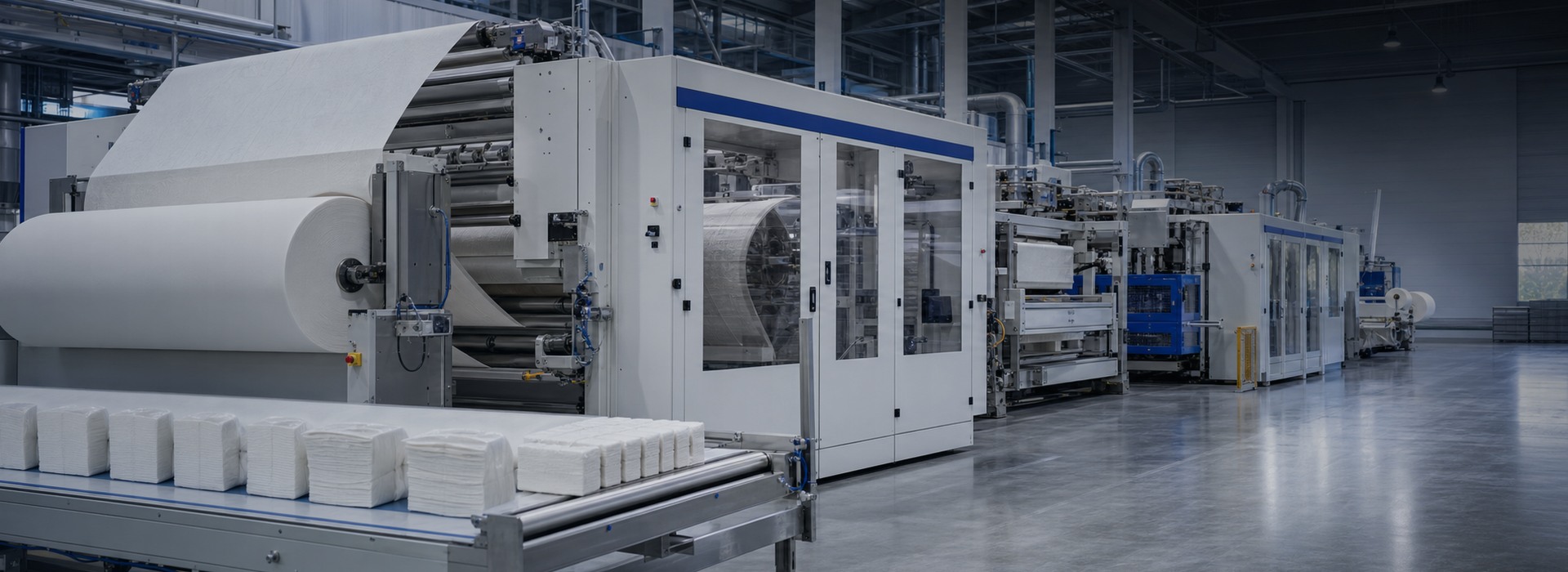
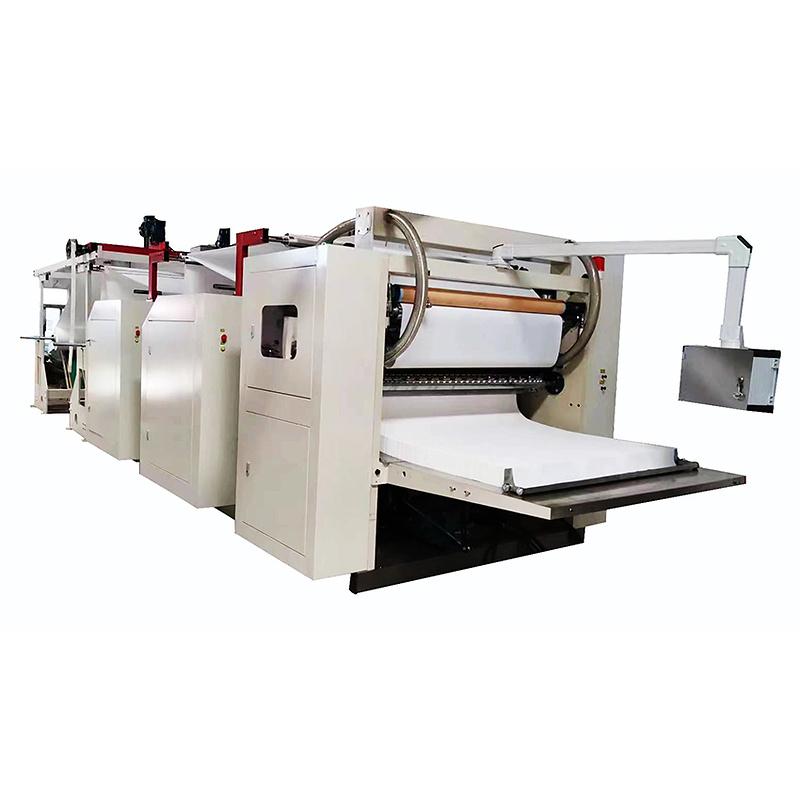
The folding equipment is one part of the proposed line. Confirm which cutting, transfer and packing functions are included.
Define the Finished Tissue Before Selecting Machines
The finished tissue controls the line decision. A facial tissue project needs different folding, counting, cutting, transfer, and packing logic from a toilet roll, kitchen towel, napkin, or hand towel project. Even within one category, the fold, sheet size, ply, count, pack style, discharge direction, and presentation standard can change the required configuration.
Start with an approved sample or a written product definition. Record the tissue type, finished dimensions, count, fold or roll format, pack dimensions, packing material, carton arrangement, and expected product variants. The equipment supplier can then identify the real process boundary and explain which functions belong in the main machine, which require downstream equipment, and which remain manual.
When exploring the automatic soft-pack facial tissue line, compare each proposal against the same finished-product definition. This prevents quotations from appearing equivalent when they actually cover different process steps or automation levels.
Decision principle
Do not approve the machine list until every required finished-product step has an owner in the proposed line. Folding, cutting, counting, transfer, primary packing, bundle packing, case packing, and inspection should be marked as automatic, assisted, manual, optional, or outside the supplier's scope.
Separate Design Speed from Stable Production Output
Design speed describes a machine capability under defined conditions; stable output describes what the complete line can sustain with the approved paper, product, pack, operators, and maintenance condition. A fast upstream machine does not create a fast line when cutting, transfer, or packing becomes the limiting station.
Ask how output will be measured. The test should identify the paper used, finished format, counting method, pack specification, run duration, acceptable stops, quality checks, and whether rejected or unfinished products are excluded. For a multi-machine line, the buyer should also know how short downstream interruptions affect upstream production and whether buffers or controlled accumulation are part of the design.
Changeover belongs in the same discussion. A factory producing several sizes may gain more from repeatable settings, clear adjustment points, accessible tooling, and a controlled restart procedure than from a headline speed that applies to only one format. The useful comparison is stable saleable output across the product mix the factory actually plans to run.
Match Every Machine Interface Across the Line
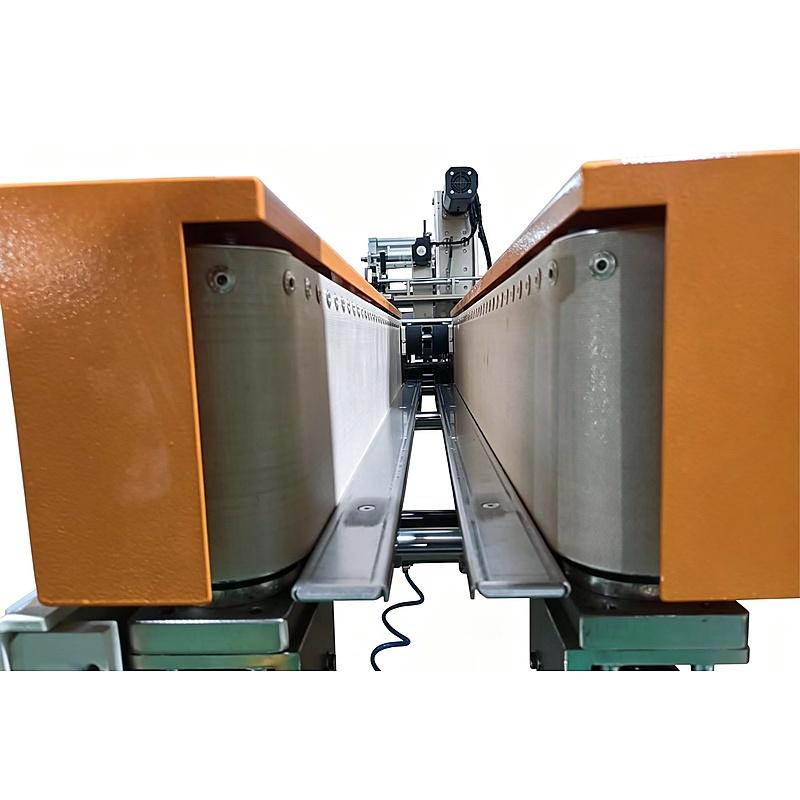
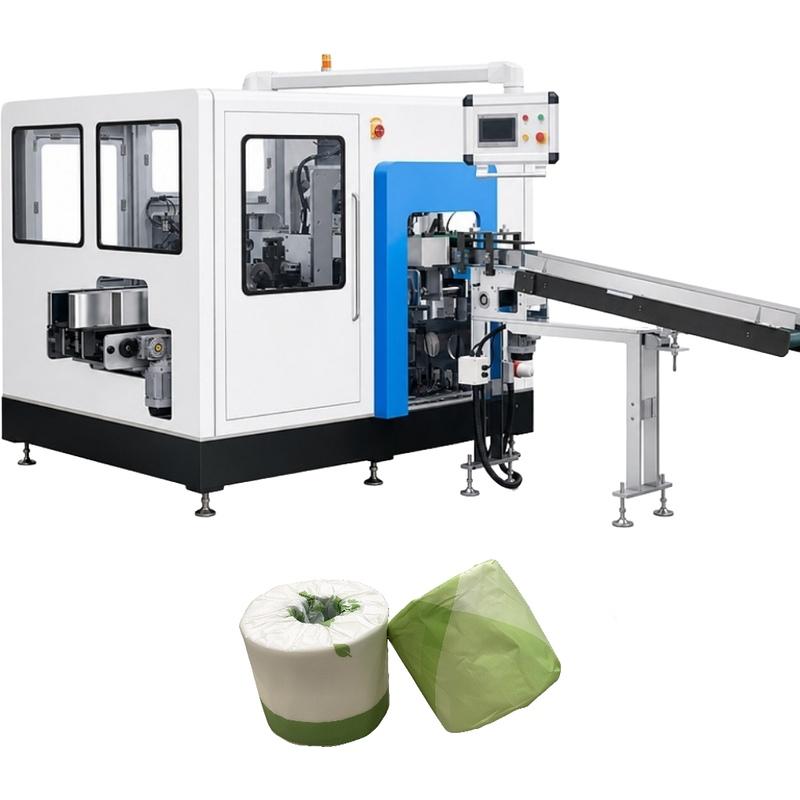
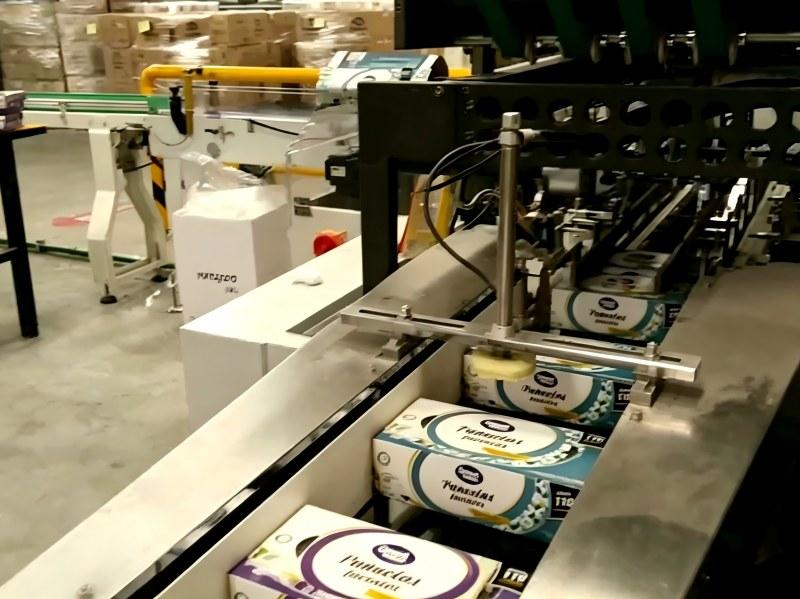
A published equipment detail highlights the handling area; an agreed product and interface drawing define the actual handoff.
Line reliability depends on the handoff between machines. Product orientation, discharge height, pitch, queue length, speed-following signals, stop logic, and restart behavior should be confirmed wherever one machine transfers tissue to the next. Soft tissue products can deform, separate, lean, or accumulate when the mechanical and control interfaces are not matched to the finished format.
The table below turns common buyer inputs into specific engineering questions. It does not prescribe one configuration; it shows what evidence should accompany a proposal.
Buyer input
Configuration effect
Evidence to request
Finished tissue format and count
Defines folding, cutting, counting, grouping, and product-handling logic.
Approved sample, format drawing, and a clear process-flow description.
Target stable output
Determines machine balance, transfer capacity, buffer strategy, and downstream packing scope.
Test conditions, measurement method, and the identified line-limiting station.
Changeover matrix and a list of manual, mechanical, and recipe-controlled adjustments.
Factory layout and utilities
Controls line direction, access, cable and air routes, maintenance space, and installation sequence.
Dimensioned layout, utility list, access route, and service-clearance review.
Packing and carton requirements
Defines primary pack handling, bundle arrangement, case loading, coding, and inspection needs.
Pack samples, material details, carton drawings, and agreed acceptance checks.
Use Paper Samples to Confirm Process Behavior
Paper properties affect web handling and finished-product behavior. GSM, ply, softness, strength, moisture, embossing response, parent-roll condition, and winding quality can influence tension control, folding stability, cut quality, static behavior, and packing. A configuration selected from a product name alone may overlook the material conditions that determine stable operation.
Provide representative paper and finished samples before the final configuration is frozen. If several paper grades will be used, identify the normal grade and the difficult grade rather than submitting only the easiest material. The supplier can then define which settings are adjustable, which machine parts depend on the material, and which product conditions should be included in the acceptance plan.
Verification note
A video of a different tissue grade or pack format can demonstrate general machine movement, but it does not by itself prove stable output for the buyer's product. Acceptance evidence should be tied to the agreed material, format, and line scope.
Check Layout, Utilities, and Maintenance Access
The published pack example distinguishes primary packs from a bundle. It is not evidence of a customer installation or an acceptance result.
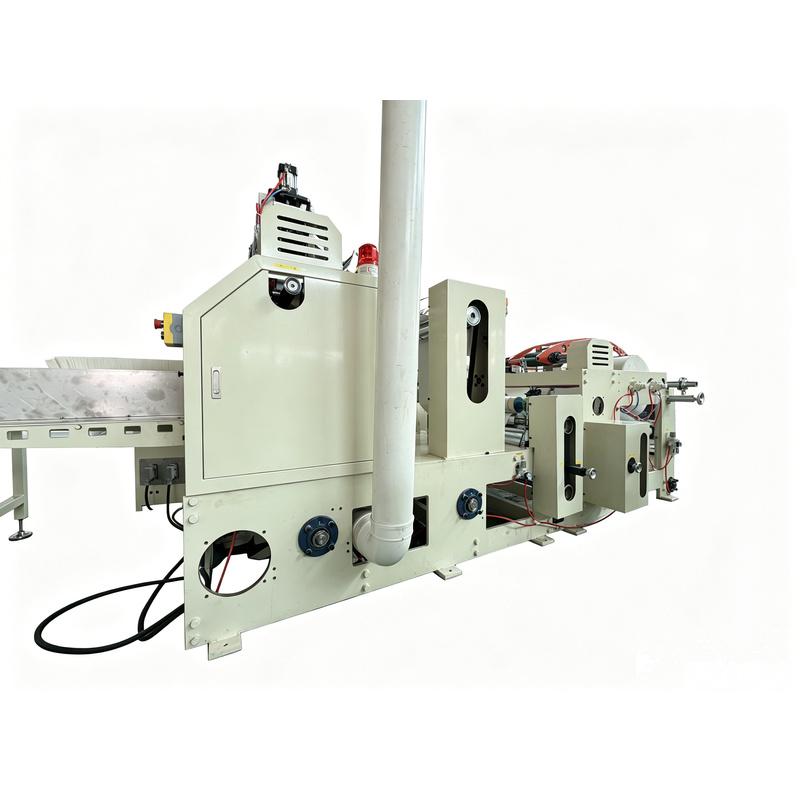
A production layout must account for more than the machine footprint. Confirm material entry, finished-product exit, operator positions, control cabinets, blade or wear-part access, film and carton loading, cleaning space, rejected-product handling, and safe maintenance zones. Columns, doors, floor levels, cable routes, compressed-air points, and shipment access can all affect the final arrangement.
Review the line direction early. Reversing a discharge later may change conveyors, guarding, controls, and operator flow. A dimensioned drawing should show the supplied equipment boundary and buyer-provided conveyors, platforms, utilities, or civil work.
Complete tissue production solutions should be evaluated as coordinated workflows. The proposal should explain how converting, cutting, transfer, and packing functions respond when one station slows, stops, or restarts.
Build Acceptance Around the Approved Product
An acceptance plan turns a quotation into checkable results. Define the product and paper to be tested, the line sections included, the run sequence, stable-output measurement, quality observations, alarm and safety checks, changeover checks, and records to be delivered. The acceptance method should distinguish correction items from optional improvements and from buyer-side conditions that were not available during the test.
Useful records may include configuration sheets, approved sample references, layout revisions, utility data, operating instructions, maintenance points, recommended wear parts, and training topics. When the equipment will be installed in another country, voltage, frequency, safety requirements, language needs, and destination-specific compliance should be confirmed before manufacturing rather than left to commissioning.
Acceptance should also cover line recovery. A stable line is not judged only while everything is running normally. Operators need to understand how products are cleared after a stop, which machine restarts first, how accumulated products are handled, and how the line returns to the approved settings without creating avoidable waste.
Prepare a Buyer Configuration Checklist
Provide the finished tissue sample, dimensions, ply, count, fold or roll format, and pack sample.
Identify normal and difficult paper grades, parent-roll information, and expected material variation.
State the required stable output and how it should be measured under approved conditions.
List every product variant and the expected changeover frequency.
Define which cutting, transfer, packing, bundle, case, coding, and inspection steps are included.
Supply a dimensioned factory drawing, access route, utility information, and preferred line direction.
Request an interface list for mechanical handoffs, electrical signals, stop logic, and restart behavior.
Agree on sample approval, factory acceptance, documentation, training, spare parts, and installation responsibilities.
Conclusion
Planning a stable tissue converting line is a product-definition and interface task before it is a machine-speed comparison. Buyers obtain a clearer technical proposal when they provide representative samples, specify stable saleable output, define every process step, review the factory layout, and agree on measurable acceptance conditions.
The most useful next step is to prepare one configuration package containing the finished tissue, paper data, product range, pack requirements, output target, layout, utilities, and automation boundary. That package gives each supplier the same basis for a quotation and makes technical differences easier to evaluate.




 Tel: +86 139 0819 6540
 Email: info@doubletissuemachine.com
 MP/WhatsApp: +86 139 0819 6540
 Manufacturer Address:Dongguan, Guangdong, China