For DOUBLE's converting equipment, a tissue paper machine configuration starts with the process being purchased: folding sheets, rewinding rolls or preparing a product for its next operation. These machines process parent tissue rolls into finished tissue formats. The quotation should identify a base machine, selected modules and work supplied by other equipment. A configuration becomes useful when those boundaries are explicit. Begin with the finished product and follow the appropriate process branch, then add the choices that change its appearance, handling or packing. This keeps a broad equipment name connected to an actual purchasing scope.
Pick the process branch before choosing options
A folded facial tissue, a hand towel and a toilet roll lead to different equipment choices. The shared raw material does not make their process sequences interchangeable. A folded product needs a defined sheet and folding arrangement. A roll product needs a rewinding configuration connected to the required roll format. Packing introduces another set of operations after the tissue has been converted.
Write the intended output of the machine in one short statement. Specify whether that output is a folded tissue log, a cut stack, a wound log or an individually packed product. Then identify the following operation. This is a practical way to expose a quotation that combines unlike scopes under the same general heading. Two offers can use the term tissue paper machine while delivering different intermediate products.
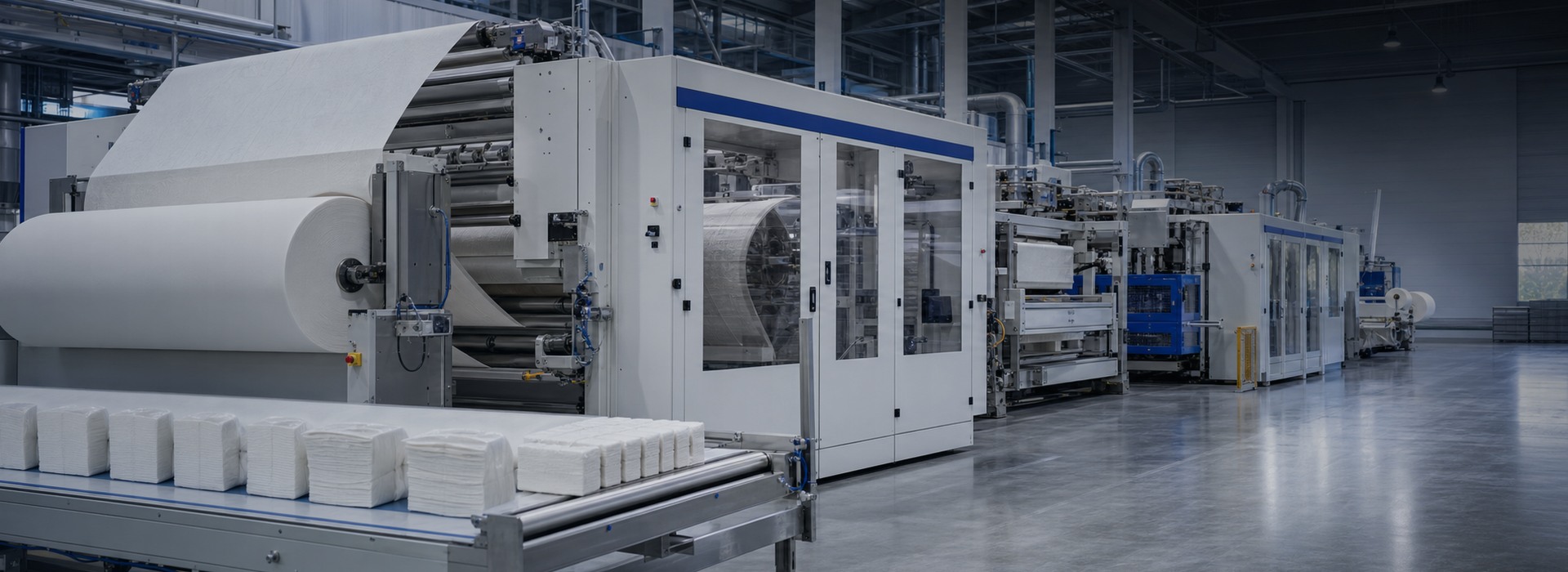
DB-IF-V equipment shown in the facial tissue machine gallery. Its IF and HT configurations are described separately on the product page.
Use the model description to define the base machine
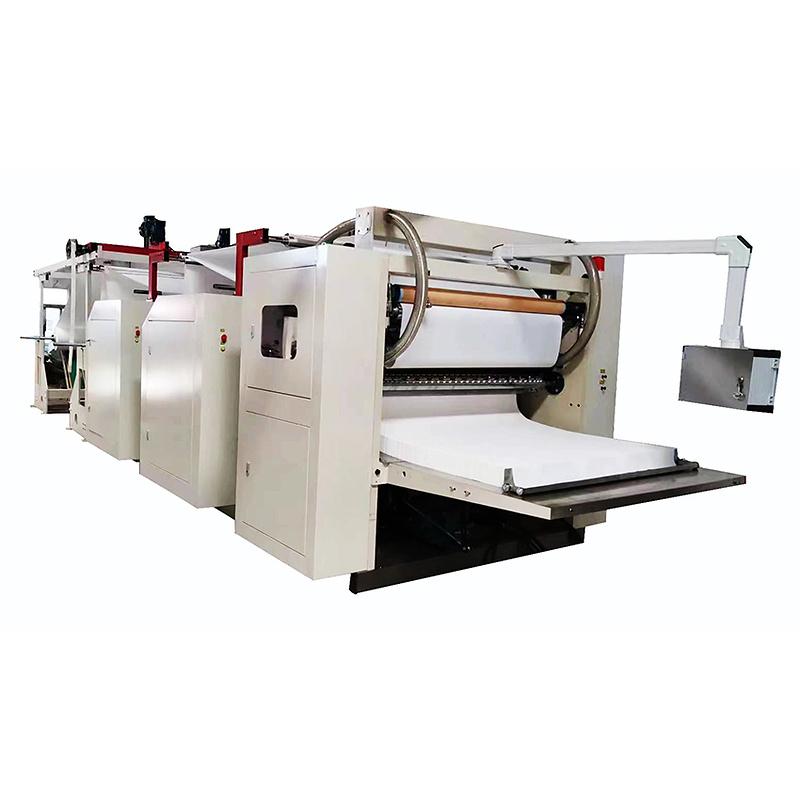
DOUBLE describes the DB-F-V-200 as a V-fold tissue interfolder with unwinding, folding, counting and finished-product output. Its listed choices include front or side discharge and an optional half-fold output arrangement. The DB-IF-V page describes IF and HT configurations, with optional embossing arrangements. These descriptions give a starting point for selection; they do not make every listed option transferable between the two models.
When reviewing the DB-IF-V facial tissue machine configuration, keep the proposed product type beside the configuration name. Ask the supplier to identify the exact version in the offer and explain any change from the published description. If a proposal mentions a different fold, discharge direction or operating arrangement, record that as a specific choice needing confirmation. A model name alone cannot explain which options have been included.
A planned hand-towel product should remain its own configuration entry when the initial order is for facial tissue. Ask which version and parts the supplier proposes for each product, and record the answer before describing the change as available. The IF and HT labels on the DB-IF-V page provide product distinctions, not a complete changeover specification.
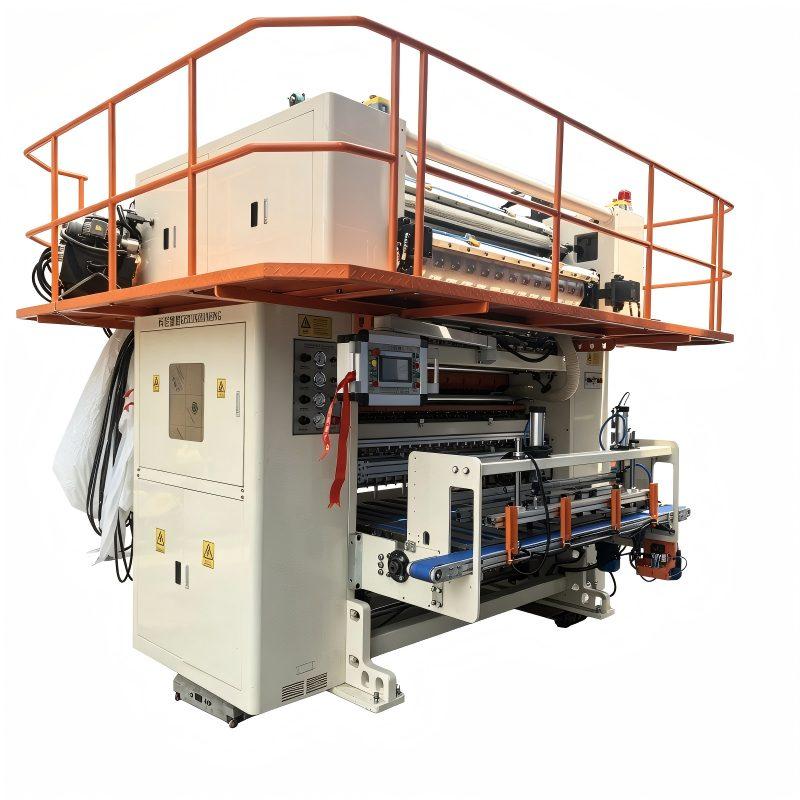
The DB-F-V-200 gallery shows an upper platform and front conveyor. Confirm the ordered discharge arrangement in the configuration schedule.
Keep finishing modules as explicit choices
Some configuration choices change how the tissue is formed; others change its surface, bonding or printed appearance. Keep those purposes separate. DOUBLE's DB-R500 description lists embossing arrangements, glue lamination choices, one- or two-colour printing and customised unwind-stand configurations. The same page describes a converting system involving rewinding, perforation and log-saw cutting. A purchase schedule should distinguish that process description from the optional features selected for a particular product.
For example, an enquiry that asks for an embossed roll should identify the desired pattern and tissue construction before a module is selected. A printed product also needs a defined printing requirement. These are purchasing inputs, not evidence that an unspecified machine can reproduce any sample. Keep the reference product attached to the option being discussed so that a surface appearance does not become an undefined equipment promise.
Changing one option can also change the proposed equipment arrangement. Ask which modules are affected, what remains unchanged and whether the supplier needs to revise the specification. Record the answer in the same schedule as the base machine.
The DB-R500 description lists customised unwind-stand configurations for one to five plies. Before selecting that arrangement, explain the intended tissue construction and separate the current requirement from a possible later product. The offer should identify the stand configuration being supplied and which future changes would need another proposal. The listed configuration range does not settle the purchase by itself.
An embossed tissue sample from the facial tissue line gallery. The visible pattern illustrates a product requirement; it does not establish the capability of another configuration.
Give packing its own configuration boundary
Packing equipment receives an already formed tissue product and performs an agreed packing task. DOUBLE lists the DB-IF-180P for individual soft-pack film wrapping, including feeding, wrapping, sealing and opening-related functions. Its material and product specifications belong to that machine. They should not be assumed to apply to a different packaging format simply because the products are all facial tissues.
The facial tissue line description also identifies optional bundle packing with the DB-IF-30P. An individual soft pack and an outer bundle are different outputs. State which output the quotation includes and where it stops. If the intended sale unit contains several individual packs, establish who supplies that additional operation. A folding machine, a single-pack wrapper and a bundle packer should remain identifiable items in the scope, even when they are offered as part of a connected line.
A packaging option should identify its intended finished unit in plain language. Soft packing can describe an individually wrapped stack in one conversation and a group of finished packs in another. Keep the product received and the product delivered beside the equipment name. This prevents an assumption about the final sale unit from slipping into the converting machine's specification.
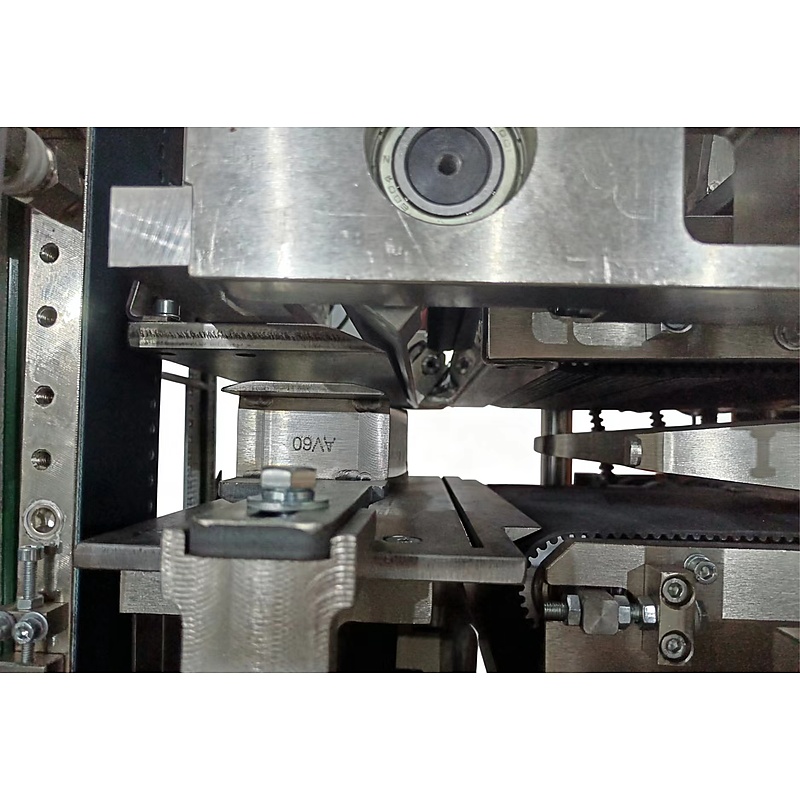
Mechanical detail from the DB-IF-180P gallery. The quotation should name the included packing functions; a component photograph is not a compatibility or performance test.
Separate a machine offer from the line around it
A machine configuration and a production-line configuration answer related but different purchasing questions. The first identifies equipment and its selected features. The second also identifies the stages around that equipment. DOUBLE's facial tissue line description includes interfolding, separation and transfer, log cutting, distribution, individual soft packing and optional bundle packing. That named sequence helps a buyer see what must be accounted for beyond the folding unit.
Scope entry
What the offer should identify
Boundary to retain
Base machine
Model and product configuration
The intermediate product it delivers
Selected module
Function and required product feature
Whether it is included or an option
Separate operation
Named cutting, transfer or packing equipment
Who supplies that stage
Connection
The agreed transition between two stages
What each supplier must provide
Use a scope ledger such as this to compare offers on an equivalent basis. It avoids treating a folding-only proposal and a connected converting-and-packing proposal as alternative prices for the same purchase. Existing equipment should appear in the ledger too, with its role clearly distinguished from the new supply.
One supplier may quote several connected stages while another quotes only the new folding machine. Record retained equipment by its existing role and identify which connection is being offered. Draw a clear boundary around the new supply on the layout provided for quotation. Treat anything beyond that boundary as a separate responsibility until it is named in the offer.
Assign a clear status to every option
Configuration discussions often produce a mixture of selected features, possible additions and unresolved requirements. Separate them before the order is issued. A feature mentioned during an enquiry is not automatically part of the supplied machine, and a line illustration cannot settle the commercial scope.
Included
The offer identifies the feature and the product requirement it serves.
Optional
The addition has a separate scope and remains a purchasing choice.
To be confirmed
A product detail or equipment arrangement still requires a supplier response.
Outside the supply
The operation belongs to existing equipment, another supplier or the buyer.
Attach these statuses to the relevant machine or module rather than writing one general qualification at the end. A reader should be able to see whether the quoted folding arrangement, embossing option, discharge layout and packing stage have each been settled. This also makes later revisions easier to understand.
Resolve changes in the order they affect equipment
When the product requirement changes, return to the process branch first. Confirm whether the purchase still concerns the same tissue format and intermediate output. Next review the base machine, then the selected modules, and finally any separately supplied cutting, transfer or packing operation. This order keeps a local adjustment from obscuring a larger scope change.
Retain the previous configuration as a separate revision and explain each changed entry. The useful result is a schedule that ties a named product to named equipment, selected features and clear supply boundaries. With that record, the buyer and supplier can resolve the remaining choices without relying on a general machine label or an illustration to carry the specification.




 Tel: +86 139 0819 6540
 Email: info@doubletissuemachine.com
 MP/WhatsApp: +86 139 0819 6540
 Manufacturer Address:Dongguan, Guangdong, China