The DB-NK-230 is listed for quarter-fold or one-sixth-fold napkins. That gives buyers two format directions to discuss, but it does not establish that a particular machine includes both arrangements or switches between them with one setting. Compare the proposed configurations by the product each must deliver and by the equipment supplied for that fold. The published 115 × 115 mm folded dimension should not be carried into a one-sixth-fold order without confirmation. For a factory buying both formats, the important comparison is between two defined production arrangements, including any items needed to move between them.
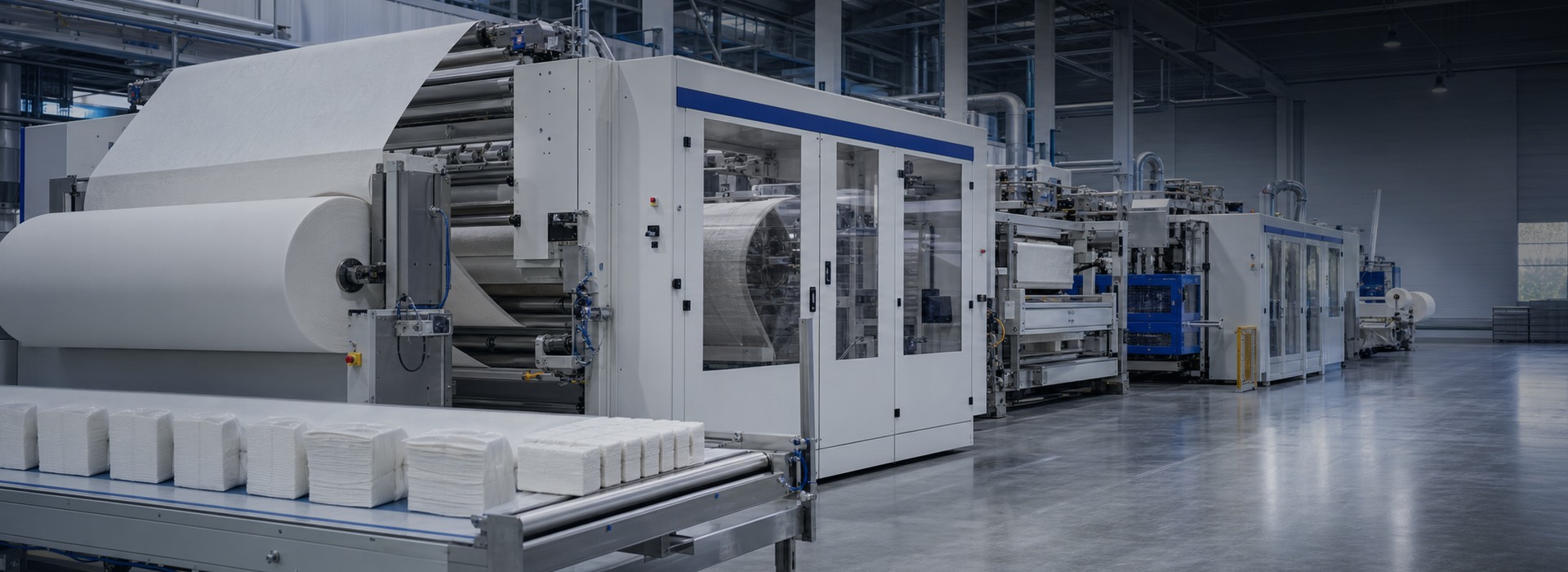
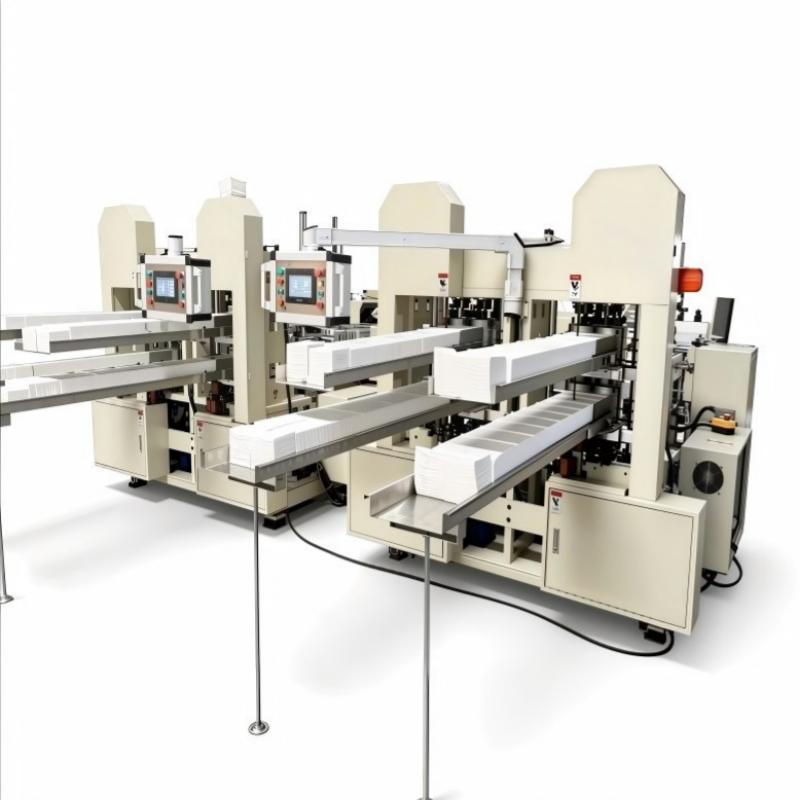
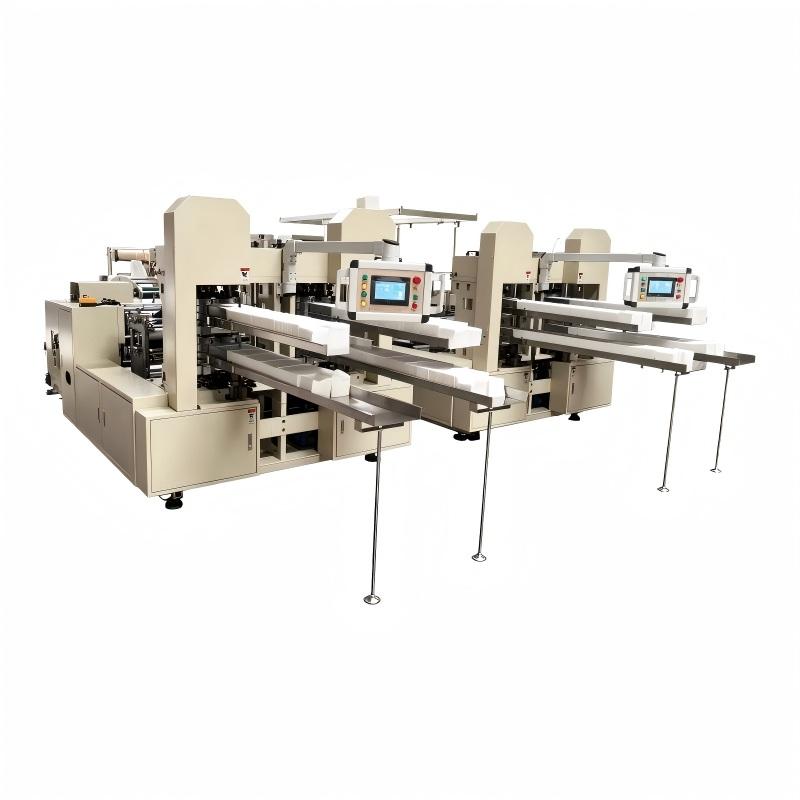
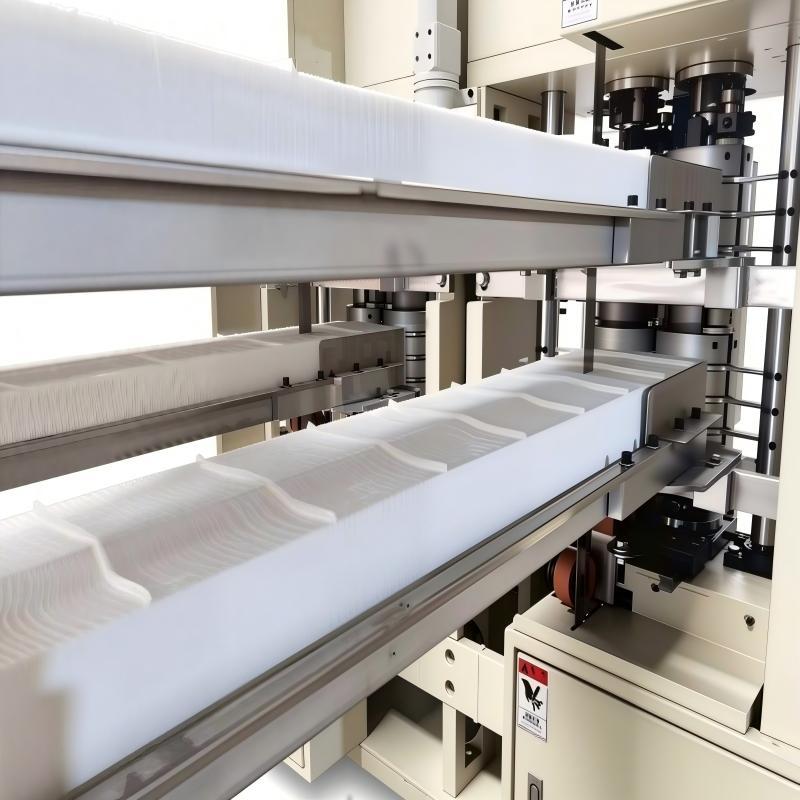
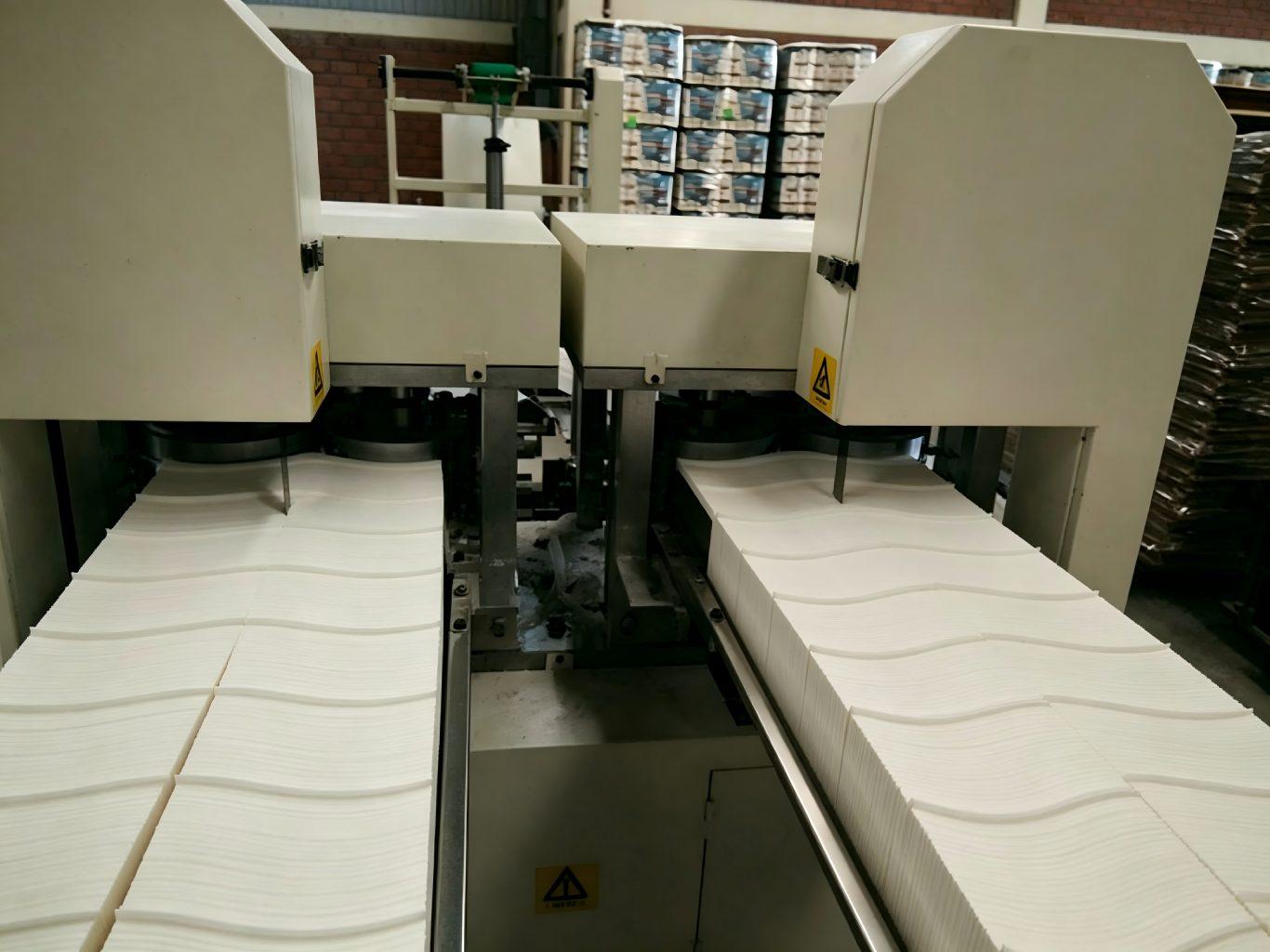
The DB-NK-230 gallery provides equipment context. This photograph does not identify which fold configuration is being produced.
Read the size table without extending it
DOUBLE's DB-NK-230 information lists an unfolded tissue size of 230 × 230 mm and a folded size of 115 × 115 mm, both with stated ±2 mm tolerances. Halving both dimensions of the square produces the quarter-fold footprint shown by that example. The same page names one-sixth fold as an applicable product, but does not give it a separate finished-dimension entry. There is a specification gap to resolve before purchasing that configuration.
Do not calculate an assumed one-sixth size and label it a machine specification. The intended fold sequence and panel proportions need a supplier-confirmed drawing. Even a plausible paper mock-up describes the buyer's desired product, not the supplied folding mechanism. Ask the proposal to identify the actual unfolded and folded dimensions for the one-sixth version, with its own dimensional acceptance basis.
Comparison point
Quarter fold
One-sixth fold
Published format scope
Named in the product description and feature list.
Named as an applicable fold in the product description and specification.
Finished dimensions
The published 230 mm square and 115 mm square example is consistent with quarter folding.
A separate confirmed finished size is needed; the quarter-fold dimensions cannot define it.
Included arrangement
Identify the quoted folding configuration for this product.
Identify the quoted folding configuration for this product independently.
Running both products
Require a proposal that names both formats and explains the supplied means of producing each.
Compare the presentation the customer will use
A fold fraction alone cannot choose the better napkin for a buyer. Compare the finished presentation in its intended setting: a loose napkin on a table, a wrapped food-service pack or another specified arrangement. A quarter-fold and a one-sixth-fold sample can expose different areas of the open sheet and present different open edges. The buyer should decide which presentation belongs to each sales product before asking for a machine configuration.
Use simple labelled mock-ups to discuss that choice. Keep the unfolded sheet reference visible, and distinguish a changed fold from a changed sheet size. If the intended one-sixth sample uses a different unfolded outline, the comparison involves two changes. That may be acceptable, but it should not be described as the same product with one extra fold.
Where a decorated face matters, show the visible panel on each mock-up. An approved quarter-fold emblem position does not automatically remain visible in the other format. Refer the two presentations back to the artwork owner. Keep the machine comparison focused on delivering the two accepted products, rather than deciding the brand presentation through whichever fold happens to be quoted first.
Keep the shared equipment distinct from the fold arrangement
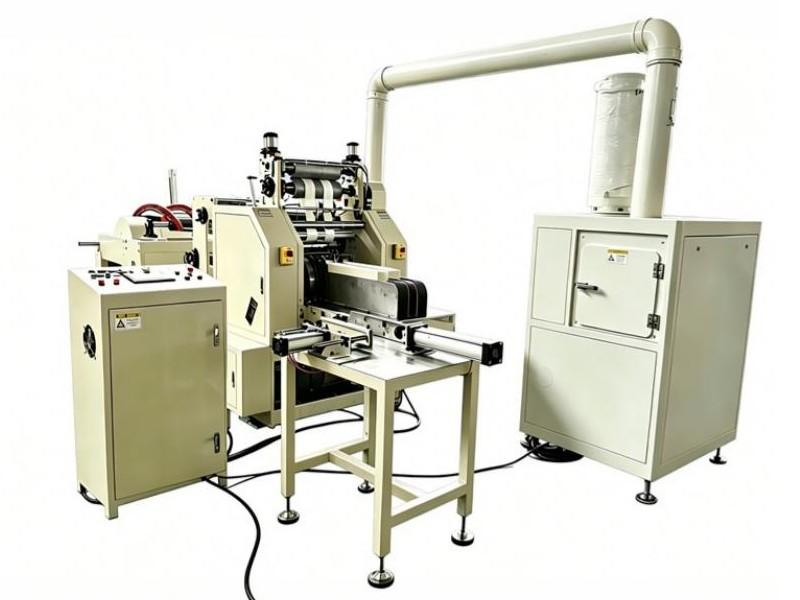
The DB-NK-230 napkin paper machine description lists parent-roll feeding, embossing, folding, automatic counting, ring-shape band saw cutting and four-deck output. Its specification describes left and right four-deck output. These features establish the model's process outline. They do not explain which physical folding items are supplied in an individual quarter-fold or one-sixth-fold proposal.
Ask the quotation to distinguish the common equipment from the format-dependent items. A shared counting function or cutting system does not settle the fold arrangement. Likewise, four output decks do not mean that two independent products can be produced simultaneously. If simultaneous mixed-format output is wanted, leave that as a separate requirement until the supplier confirms it explicitly.
The band saw is relevant to the agreed product's separation and finished edges, but it is not a reason to infer format change details from the machine photograph. Request the manufacturer's operating and guarding documentation for the supplied arrangement. Purchasing scope can identify required equipment and approved product boundaries without prescribing blade adjustment, replacement or work inside the cutting section.
Treat three purchasing cases differently
Quarter fold only. Quote the defined quarter-fold napkin and its selected embossing arrangement. Keep the one-sixth product outside the included scope if it has not been reviewed.
One-sixth fold only. Obtain a complete one-sixth product drawing and the corresponding supplied folding arrangement. Do not accept a quarter-fold specification with only the fold name changed.
Both formats. Name both products in the offer. Identify any different parts, adjustments or additional equipment, and state whether they are supplied now or reserved for a later order.
These cases can lead to different prices without one quotation being inherently better. An offer for a single dedicated format is narrower than an offer that includes the means to produce two approved formats. Compare the included scope before comparing the total. If a later addition is contemplated, ask what would need to be reviewed at that time rather than treating a future option as installed capability.
Common model features should be itemized separately from the folding arrangement included in the order.
Make a two-format claim specific enough to compare
If both formats are requested on one machine, ask the supplier to explain the proposed conversion in the technical offer. The explanation should name the two approved products, the items supplied for each and the documentation covering the change. It should also identify anything the buyer must obtain separately. A general statement that a model can make both fractions is insufficient to define this particular purchase.
A controller screen in the gallery is not evidence of an automatic fold change. Keep mechanical and control requirements open until the supplier describes the actual arrangement. If the supplier instead recommends separate configurations, compare that recommendation on its stated merits, including equipment scope and floor-space implications. Do not dismiss it simply because both products appear in the same model title.
The commercial record should distinguish availability from inclusion. “One-sixth version available” can describe another machine in the range; “one-sixth items included” commits specified items to this order. Use wording that allows the receiving team to check what arrived, rather than leaving that distinction for installation.
Agree how the supplier will demonstrate the two-format scope without treating that demonstration as a speed comparison. Each sample must match its own finished drawing. If a demonstration covers quarter fold only, the one-sixth arrangement remains unconfirmed by that event, even when the additional items appear on the quotation. Ask the supplier to identify how and when the second product will be shown before accepting the wider supply claim.
Keep any difference between the requested product and the demonstrated product explicit. A nearby unfolded size or an alternative one-sixth presentation may still be commercially useful, but it requires the buyer's decision. Do not approve it through a general note saying “both folds tested.” Record which exact product was presented and which difference was accepted. This keeps the model comparison grounded in the two sales products instead of letting an attractive demonstration replace the agreed purchase scope.
Keep embossing choices out of the fold verdict
The DB-NK-230 page lists steel-to-steel, steel-to-rubber and steel-to-wool embossing choices, along with customized patterns. Its feature text associates quarter-fold napkins with single or double embossing configurations. That wording should not be expanded into an identical confirmed embossing arrangement for every one-sixth product. Specify the required pattern for each finished presentation and ask the proposal to state its embossing scope.
When comparing physical samples, label both the fold and the embossing arrangement. A more prominent texture can make one sample appear different even before the fold is considered. Keep those observations separate so that an appearance preference does not become an unsupported claim about the folding configuration. Paper differences also need to remain visible in the comparison record.
Identify the fold and selected embossing arrangement when comparing a sample; an output photograph supplies neither record by itself.
Ask for an annotated offer, not an assumed common format
Give each proposed sales product its own line in the quotation review. Mark which fold is included, which finished drawing is confirmed and which format-dependent items are supplied. The unresolved one-sixth dimensions should remain visible until answered. With those annotations, a buyer can compare a quarter-fold order, a one-sixth order and a two-format order on their actual content, while the shared DB-NK-230 model name remains a useful reference rather than a substitute for the contract.



 Tel: +8613908196540
 Email: info@doubletissuemachine.com
 MP/WhatsApp: +8613908196540
 Manufacturer Address:Dongguan, Guangdong, China