For converters reviewing information after the show, the useful next step is not to collect more machine brochures. It is to turn technical discussions into a written project brief that suppliers can respond to consistently. A short, structured brief usually shortens the quotation cycle, because every supplier answers the same questions instead of guessing at the scope.
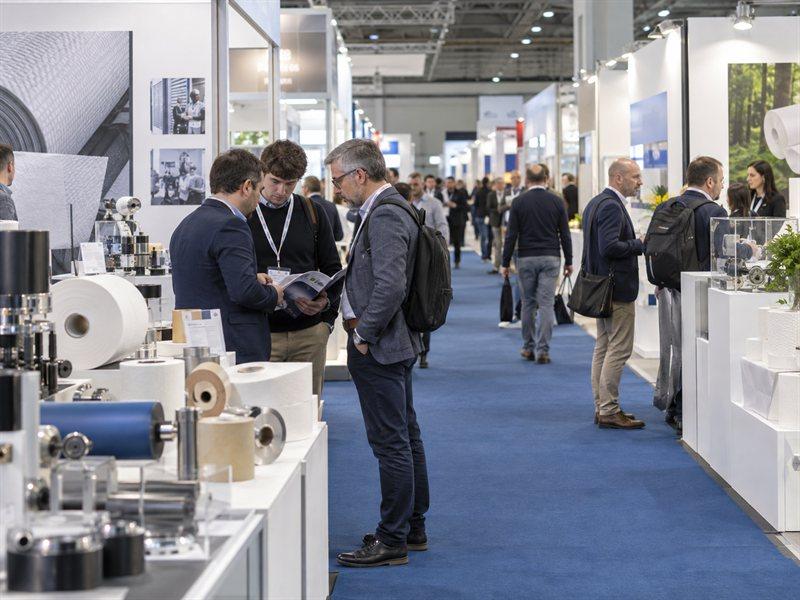
Why a Written Brief Matters After the Show
Exhibition conversations are fast and often incomplete. Notes taken at a booth may cover a headline speed, a rough layout idea, or a packaging format, but they rarely capture the input material, the finished product range, and the utilities available in the building. When those details are missing, suppliers fill the gaps with assumptions, and the resulting offers are difficult to compare.
A written brief solves this by fixing the project boundary before technical discussion continues. It also gives the internal team a shared reference for layout planning, budget review, and site preparation.
Start with the Paper, Not Just the Machine
Record the parent-roll specifications available to the project, including width, diameter, core size and relevant paper properties. Then define the finished products: sheet or roll dimensions, ply count, embossing requirements and packaging format. A machine proposal is easier to assess when the input material and required output are both clear.
If some values are still under discussion, mark them as open points rather than leaving them blank. Suppliers can then quote against a defined range instead of a single assumed figure.
Compare the Complete Process
Ask suppliers to identify every operation included in their proposal and how products move between converting, cutting and packing. Request a layout drawing, utility requirements, expected staffing and the conditions used to calculate output. A headline speed should not be treated as the guaranteed capacity of an entire line.
This is where a checklist helps. The points below cover the items that most often cause confusion between one supplier's offer and another's:
-
Scope of supply: which machines, conveyors, and auxiliary units are included, and which are excluded.
-
Product flexibility: the finished formats, sizes, and pack counts the configuration can handle.
-
Output basis: the product format, ply, and operating conditions behind any quoted speed.
-
Utilities: power supply, air pressure and consumption, and any other site requirements.
-
Layout and access: floor space, operator positions, and maintenance access around each unit.
-
Spare parts and support: recommended spare parts, wear items, and installation or commissioning support.
Separate Confirmed Specifications from Open Options
Finally, separate confirmed specifications from options still under discussion. A concise comparison sheet covering scope of supply, product flexibility, maintenance access, spare parts and installation support will make the next round of supplier conversations more productive.
Keep the confirmed column strictly factual. Anything that has not been agreed in writing belongs in the open column, together with the person responsible for closing it and the date it is needed.
What to Do Next
Once the brief is complete, send the same document to each shortlisted supplier and ask them to respond point by point. This makes technical differences visible and reduces the risk of comparing offers that were never based on the same requirements.
For converters planning the next stage of a project, it also helps to review how converting, cutting and packing equipment is normally combined into a single line, and to check the available tissue paper cutting machine catalog for reference configurations before finalizing the brief.



 Tel: +86 139 0819 6540
 Email: info@doubletissuemachine.com
 MP/WhatsApp: +86 139 0819 6540
 Manufacturer Address:Dongguan, Guangdong, China