The DB-N-225 hand towel specification publishes different basis-weight ranges for single-ply and double-ply paper. Those entries are a useful starting point for a material enquiry, but they are not interchangeable descriptions of the same input. Keep the ply designation beside the GSM value, and ask what that value measures. The published double-ply wording does not resolve whether the number applies to each layer or to a combined material. Choosing a paper before that interpretation is confirmed can make two apparently comparable offers describe different supplies.
Read the range with its ply designation attached
The DOUBLE DB-N-225 hand towel folding machine technical specification lists 18–25 g/m² double-ply and 35–40 g/m² single-ply under applicable base paper. Its quotation guidance also asks for tissue basis weight and the single-ply or double-ply specification. The two fields belong together when the buyer requests a material assessment.
Published input description
Published basis-weight wording
Interpretation to confirm
Double-ply
18–25 g/m²
Does this describe each layer or a combined material?
Single-ply
35–40 g/m²
Confirm the declared paper and measurement basis in the offer
Do not remove the ply labels when making a comparison sheet. A broad range made by taking the lowest and highest values would imply an applicability statement the page does not make. Nor should the buyer multiply the double-ply values and present the result as DOUBLE's published combined weight. Obtain the supplier's interpretation first.
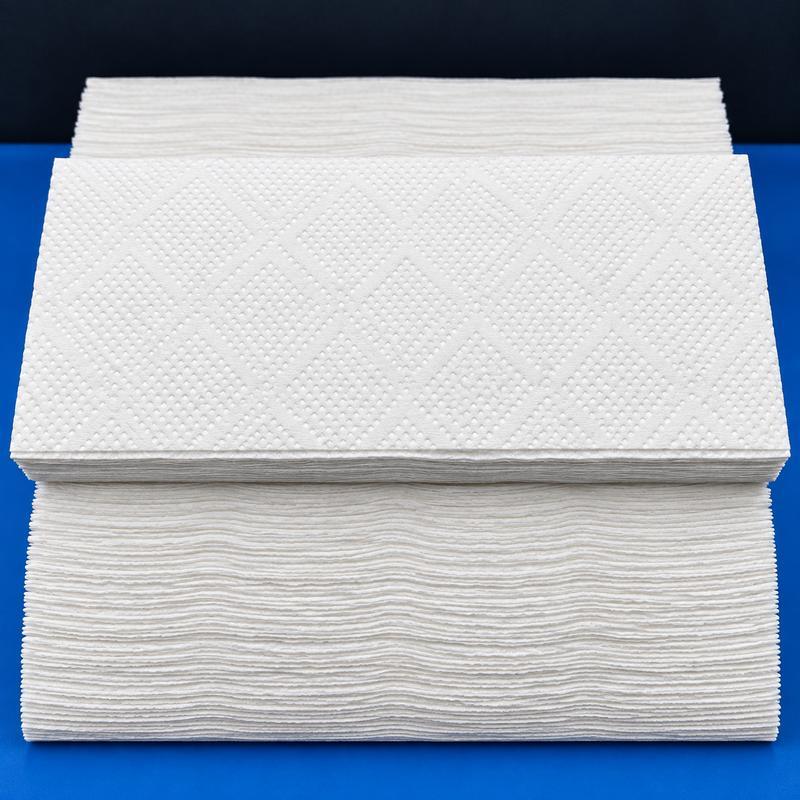
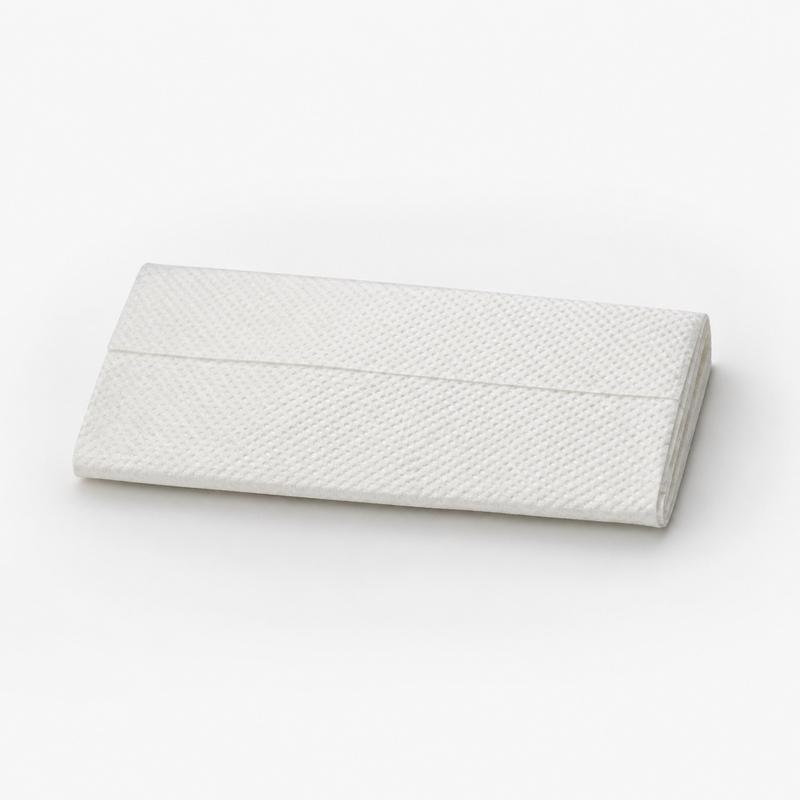
A visible diamond pattern distinguishes this sample's surface. Neither its appearance nor the background stack identifies its GSM or a measured product property.
Make the mill's number and the machine offer mean the same thing
GSM expresses mass per unit area. It does not, by itself, identify how a mill has described a multi-layer supply. Request the paper supplier's declared basis weight together with the object it measures. A certificate describing one component layer and an offer describing the combined web should not be copied into the same column without an explanation.
Retain the original mill wording when sending the enquiry. Ask the machinery supplier to confirm how it interprets the published DB-N-225 entry for that actual paper. A written answer should identify the grade, its ply construction and the basis-weight declaration being assessed. A reply saying two-ply is acceptable leaves the central weight question open.
Ask the mill to distinguish a nominal grade value from the variation declared for its supply. A product code containing a GSM number may be a grade name rather than the complete delivery specification. Send the relevant declaration to the machinery supplier instead of treating the name as a measurement of every roll. The supplier can then say whether its response covers the declared variation or whether part of that material offer remains to be assessed.
Mark an unresolved interpretation as unresolved. The buyer can compare product samples and discuss the proposed configuration while waiting for an answer, but purchasing should not treat an assumed combined weight as a confirmed input. This is particularly important if the mill and machinery supplier use similar short descriptions with different meanings.
Once the definition is settled, use it consistently in the paper order and machine specification. If a mill later quotes another grade, carry over the same measurement convention for the comparison. That makes a change in the paper visible without allowing a change in terminology to masquerade as an equivalent supply.
Describe what arrives as paper, not just what the towel is called
A finished hand towel called two-ply does not fully describe the incoming material. Identify the supplied layers and how the paper supplier delivers them. Send the actual construction description to the machinery supplier and ask which input arrangement its offer covers. The published ply range does not establish the loading or paper-path arrangement for every possible supply.
Keep the grade identities distinct where the layers are not identical. Two materials sharing a nominal GSM can still be different papers. If the proposed towel uses different component grades, name both rather than assigning one convenient label to the product. The supplier needs the actual combination to review, not an average that conceals its constituents.
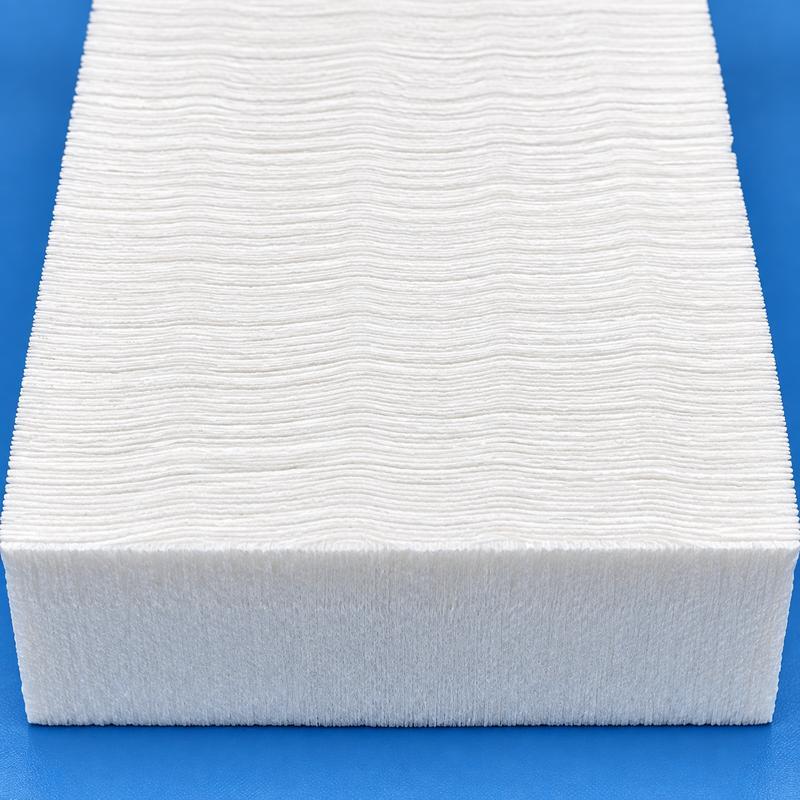
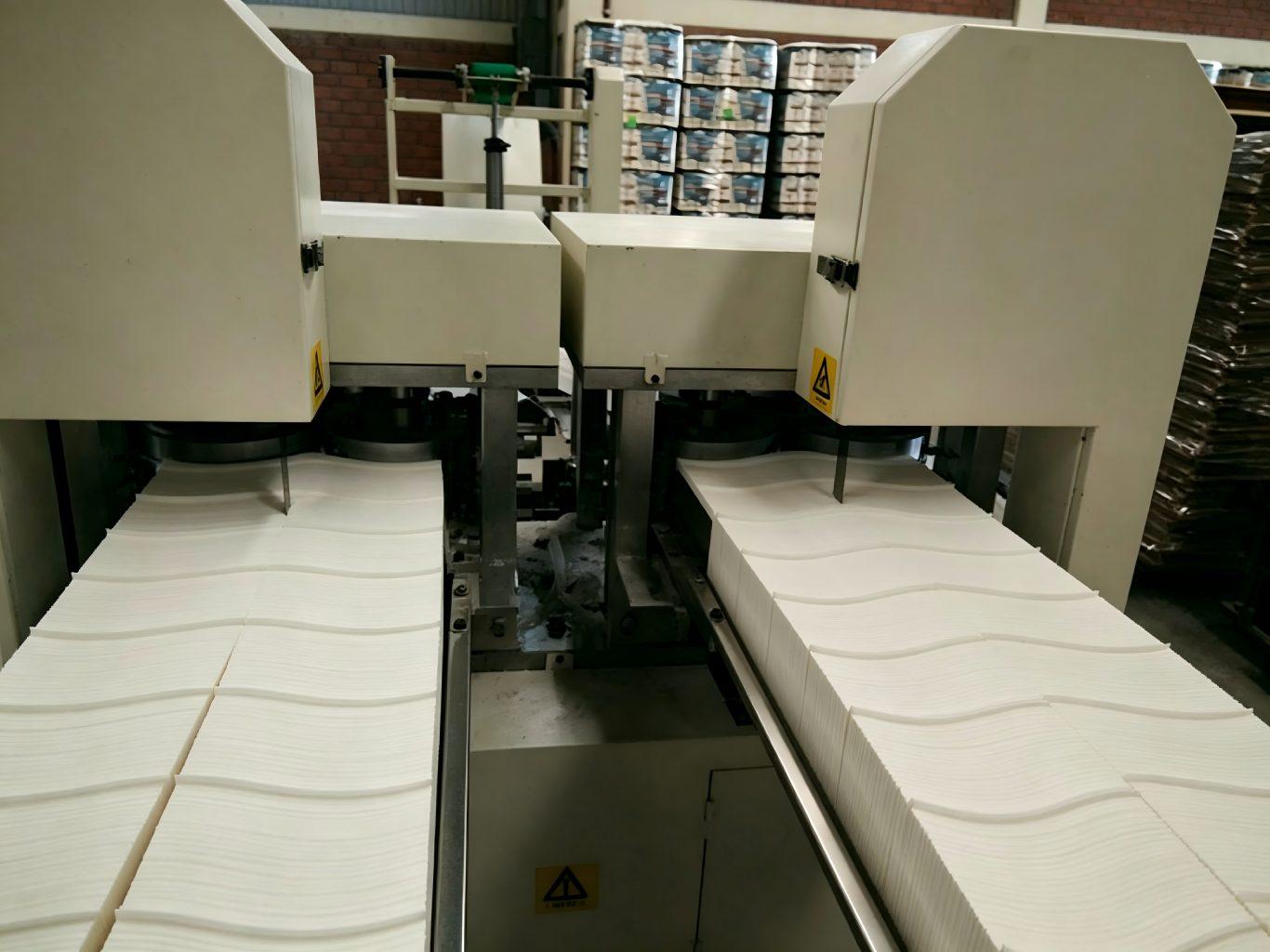
Do not infer ply construction from the number of visible edges in a stack photograph. Folded paper can present several edges from one tissue, and a compressed stack can conceal the layers. Use the mill declaration and an identified physical sample to resolve that question. The photograph below shows the appearance of stacked paper without proving its basis weight or ply count.
The exposed edges describe the visible stack. They do not establish whether the source paper was single-ply or double-ply.
Decide what the one-ply versus two-ply comparison is meant to answer
For a purchasing choice between two real towels, record all the differences that belong to those products. They may differ in paper grade, construction, finish and dimensions as well as nominal GSM. That is a comparison of complete products. It should not be described later as evidence that the ply count alone caused a preferred result.
State which requirements the buyer intends to keep fixed. A preferred surface appearance may be retained while the paper construction changes, or the proposed commercial products may intentionally differ in both. Either is a valid comparison question if it is named. The supplier can assess the actual candidates, while the buyer avoids asking one variable called paper weight to explain changes in construction and finish that were never held constant.
If the question concerns converting suitability, give the machinery supplier the two proposed paper specifications and the same intended finished format where applicable. Ask for a response to each input separately. One accepted candidate should not automatically confer acceptance on the other because both values appear within their respective published rows.
For a product-property comparison, agree what the buyer needs to examine and the method to use. Basis weight is not a direct declaration of thickness, softness, wet performance or absorbency. A buyer requiring one of those properties needs evidence for that property on the identified paper or finished towel. The equipment's material-range entry cannot supply it.
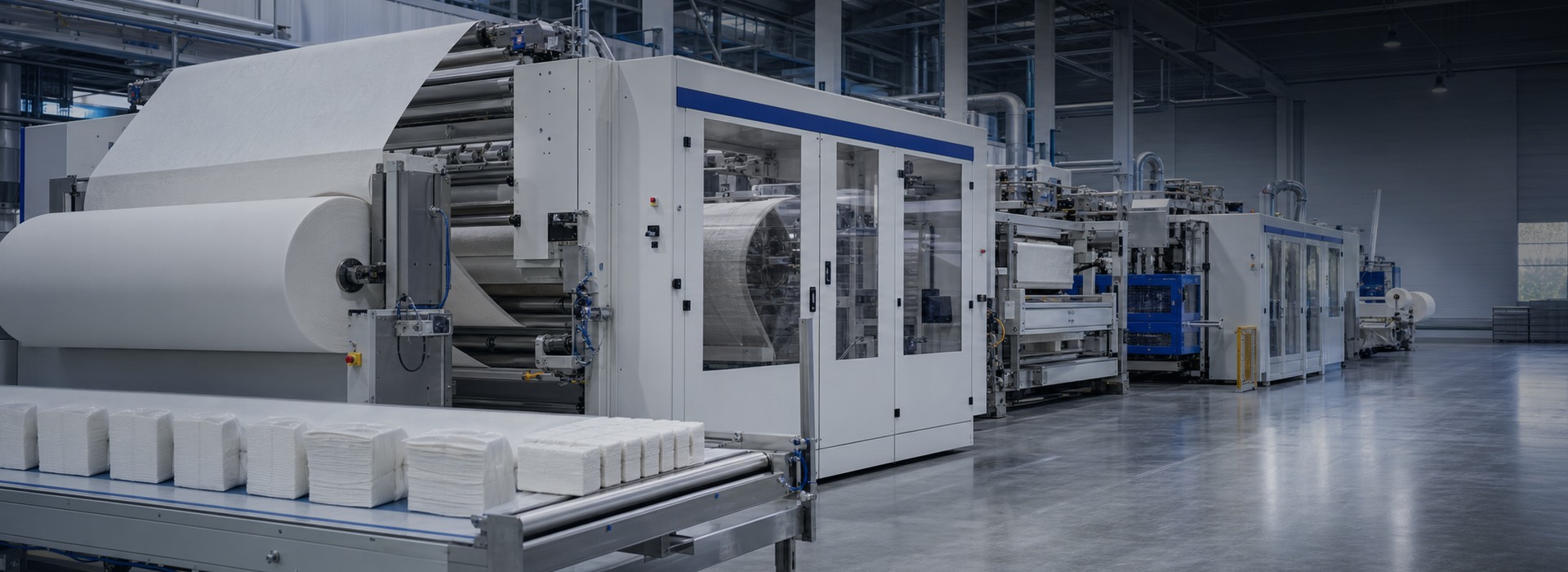
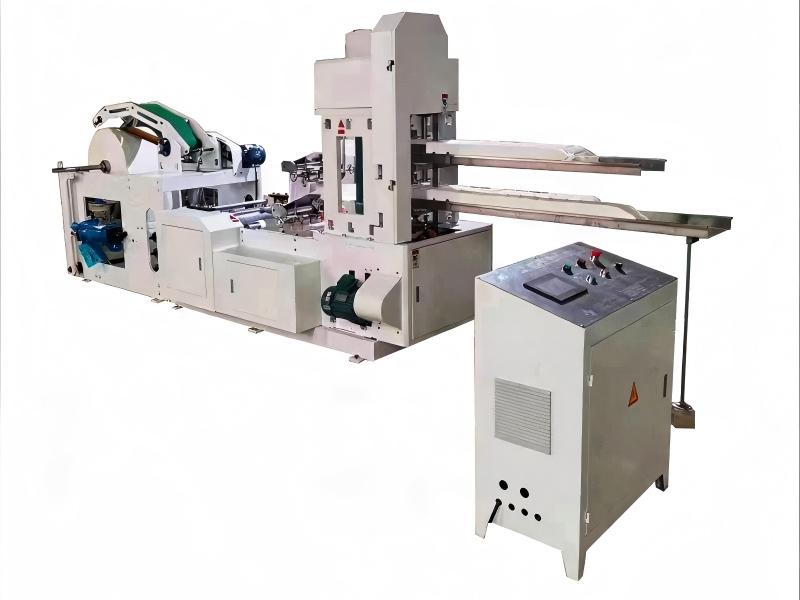
The DB-N-225 gallery supplies equipment context. The paper specification in the enquiry identifies the intended single-ply or double-ply input.
Keep material weight separate from output assumptions
A paper purchase may be quoted by mass, while production is planned in finished towels or packs. Before comparing material use, define the finished unit and the agreed basis-weight convention. Without both, an estimate for the two-ply candidate can count layers differently from an estimate for the single-ply candidate.
The published input ranges do not establish that the two candidates will run at the same practical output. Ask the supplier to assess the intended paper and product against the proposed configuration. Keep any observed result tied to the material actually used, rather than treating a speed rating or another paper's result as evidence for both inputs.
Similarly, neither ply label establishes a lower material cost per accepted towel. That comparison requires the actual paper prices, the defined product and any relevant production evidence. Clarifying the input specification first gives the buyer a usable basis for that later calculation without inventing a yield or waste allowance.
Keep the range on the model that publishes it
The DB-C-250 is another hand towel machine in DOUBLE's catalogue, described for C-fold production. Its selection guidance requests paper basis weight, but the reviewed product page does not publish a corresponding GSM range. Do not copy the DB-N-225 values into a DB-C-250 comparison and present them as confirmed limits for that model.
A common product category is not a shared material specification. Send the intended paper to each model enquiry and request its own supplier response. The same applies to folding requirements: the DB-N-225 description does not settle an exact fold pattern. Neither its paper range nor a neighbouring model's product photograph can fill in that missing configuration detail.
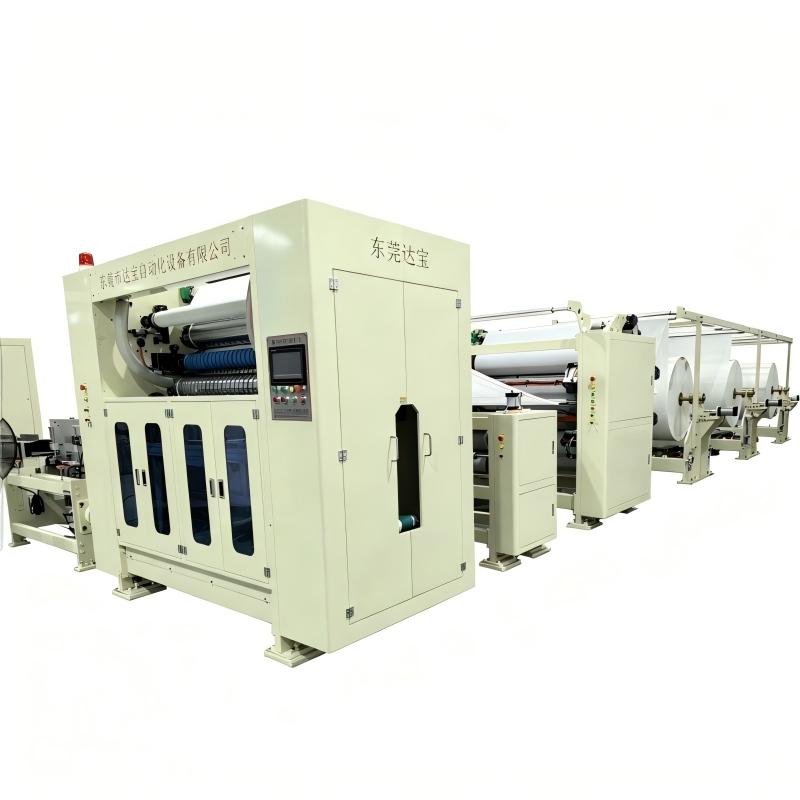
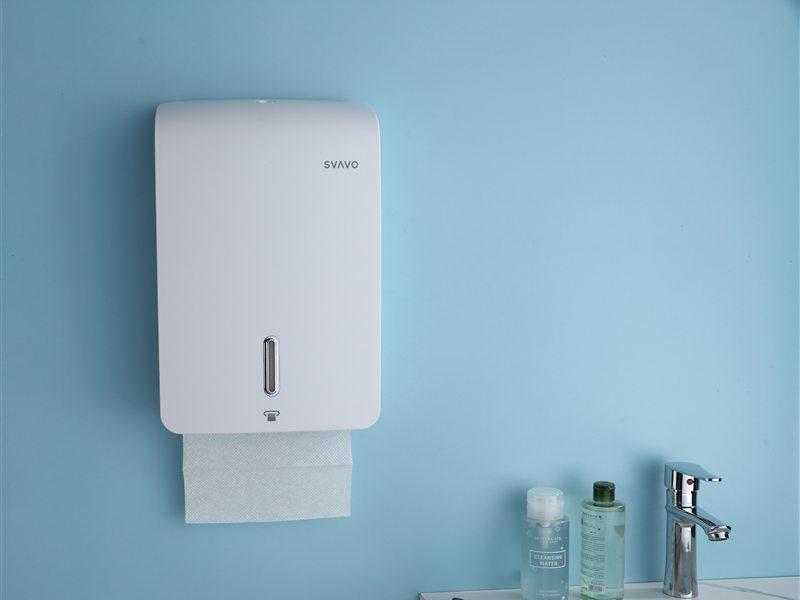
This separate paper example comes from the DB-C-250 gallery. It illustrates a neighbouring hand towel product, while supplying no GSM range for that machine.
Return a paper definition that can be purchased
The machinery response should identify the actual grade and ply construction it has reviewed, the agreed interpretation of its basis weight and the finished product to which that response applies. Keep any material assessment still needed beside those fields. The result should be specific enough that purchasing can distinguish the intended supply from another paper with a similar label.
Use the confirmed definition when requesting the mill's final offer. If that offer changes the grade, component layers or declared measurement basis, return the difference for review. A nominal value inside a catalogue range is not a complete substitution agreement.
Check the purchase item description against the clarified supply, not only the finished towel's marketing name. A short two-ply label can omit the grade identities and the agreed weight convention. Preserve those details in the paper order so that the mill supplies the material reviewed for the machine, and receiving staff have an identifiable specification to compare with the delivery.
The single-ply and double-ply entries are useful because they preserve a distinction. Keep that distinction through the supplier discussion, instead of forcing the two papers into one numerical range. The buyer can then choose between clearly defined inputs with the weight interpretation still visible.



 Tel: +8613908196540
 Email: info@doubletissuemachine.com
 MP/WhatsApp: +8613908196540
 Manufacturer Address:Dongguan, Guangdong, China