Two napkin packs can both be described as easy to tear and still give the user quite different openings. One may release a narrow strip; another may leave a larger access area. The machinery enquiry needs to describe the opening the buyer wants to use, rather than relying on the option name. Review the action on a physical sample, keep the untouched reference, and record what the user is expected to retain after the first tear.
What do straight and zipper-style actually promise?
DOUBLE lists straight tear opening and zipper-style tear opening as options for the DB-NK-150P. The model is an automatic single-pack wrapper for napkin tissue and related tissue packs, using CPP film. The option names establish subjects for configuration review. They do not establish a resealable ziplock, a particular opening force, or a demonstrated tear result on every film and stack.
Keep “zipper-style tear” written in full when the enquiry is passed between purchasing, packaging design and the machinery supplier. Shortening it to “zipper” can change what people believe is being bought. If the desired package must close again after opening, state that separate requirement directly and ask whether the proposed equipment and material arrangement address it. Do not assume it is included in the named tear option.
The practical question is what happens between finding the starting point and reaching the napkins. A photograph of a closed pack gives only part of that answer. A sample that has already been opened by the supplier gives another part. The buyer needs an untouched sample and an agreed way to observe the opening action.
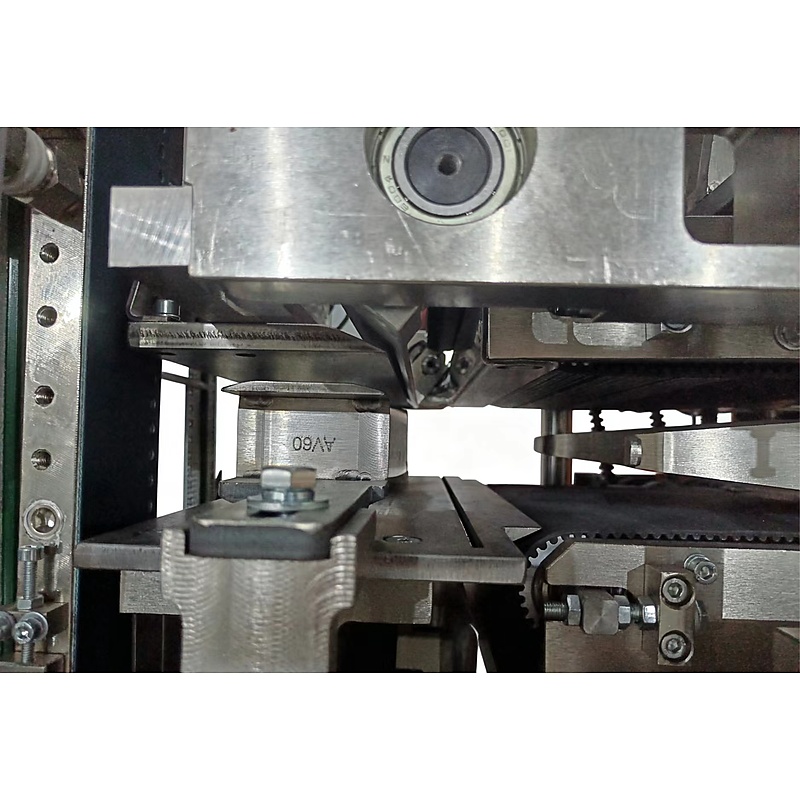
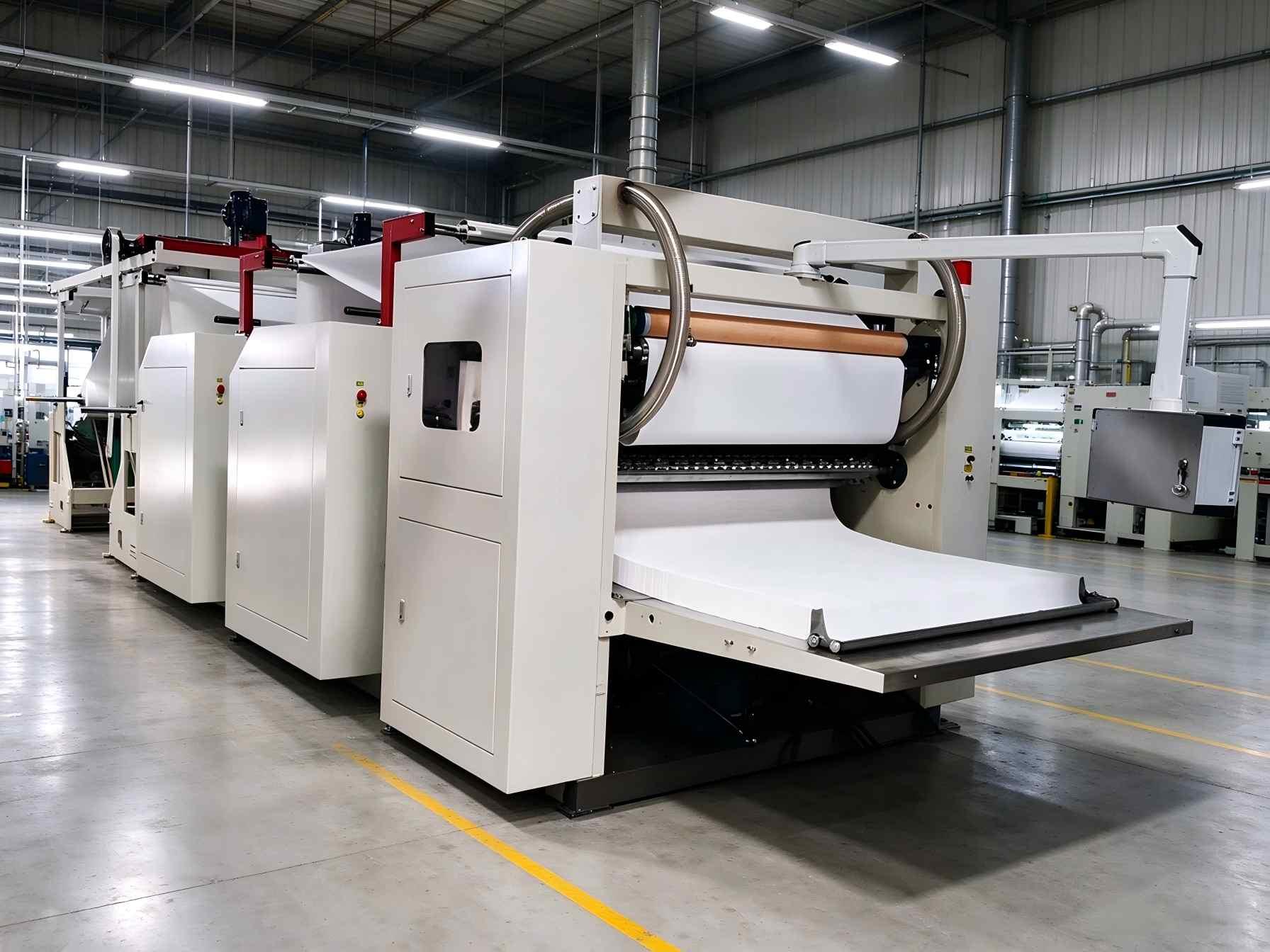
Equipment detail published in the DB-NK-150P gallery. The image does not show a consumer opening action or establish how the proposed tear feature is made.
Follow the opening from first contact to first napkin
Begin the proposed sample review with the pack in the position in which it will be presented. Ask whether the intended start can be found and whether the instruction refers to the same location. Record the package face and the direction of the first action. “Open from the side” is too vague when two people hold the pack differently.
Find the start. Observe how the user identifies the intended point without a demonstration that changes the sample.
Begin the tear. Record the action used and whether it begins where the design intends.
Follow the intended path. Note whether the removed portion and the retained wrapper match the agreed reference.
Reach the napkins. Observe whether the resulting access suits the intended way of taking out the product.
These are proposed observation stages, not reported results from a DB-NK-150P trial. The buyer and supplier should agree which actions represent the intended user. An opening demonstrated with a tool, pre-cut corner or unusual grip should not silently become evidence for an ordinary hand-opening requirement.
Describe an unwanted result in plain terms. The tear might begin away from the indicated point, leave the planned path, or remove more wrapper than intended. Record which event occurred and retain the sample if further review is needed. Avoid assigning a cutting, sealing or film fault solely from the appearance of the torn package.
Also identify what a satisfactory opening leaves behind. For a shared napkin pack, the buyer may want the remaining wrapper to keep the stack together during the intended use. That is a product requirement to demonstrate on the selected sample; it is not a claim that the machine provides reclosure or a particular protective barrier after opening.
Keep the intended use setting specific. A restaurant employee preparing a whole stack for service may want a different access action from a shopper taking a few napkins from a retail pack. State which use the sample is meant to represent. The review should not silently switch between those purposes when deciding whether an opening is convenient.
If the buyer expects several people to review the samples, give them the same brief and record any assistance provided. Someone who has watched the supplier demonstrate the opening has different information from someone encountering it for the first time. Both observations can be useful, but they should not be presented as the same starting condition.
Keep the film identity beside the opened sample
The published DB-NK-150P material specification is double-side heat-sealable CPP film, 0.04–0.05 mm thick. A demonstration on an unidentified wrapper cannot confirm the buyer's intended material. Attach the film supplier's identity and specification to the sample record, including which film version was actually used for the proposed opening review.
A thickness within that published range does not by itself settle tear behaviour. Ask the machinery and film suppliers what material information they need to confirm the requested option. Keep any agreed film preparation or special supply requirement explicit. Do not turn the brief catalogue specification into a guarantee that an arbitrary CPP roll will open in the same way.
Use the same discipline when the wrapper has printed instructions. The package shown to the user and the film specification reviewed by the suppliers should belong to the same revision. This article concerns the opening action; the location or technology of variable production coding is a separate equipment decision.
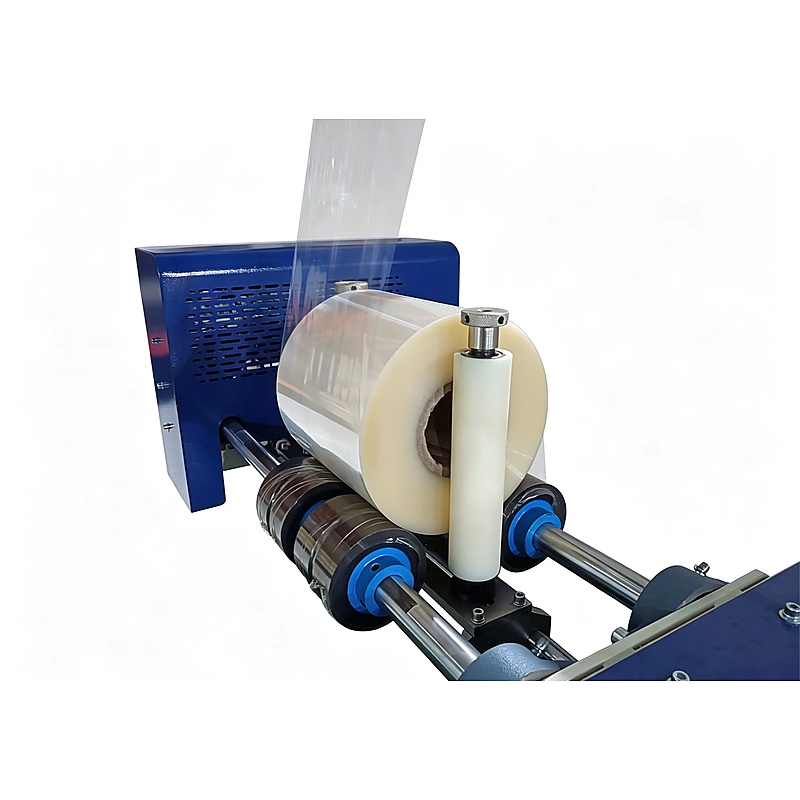
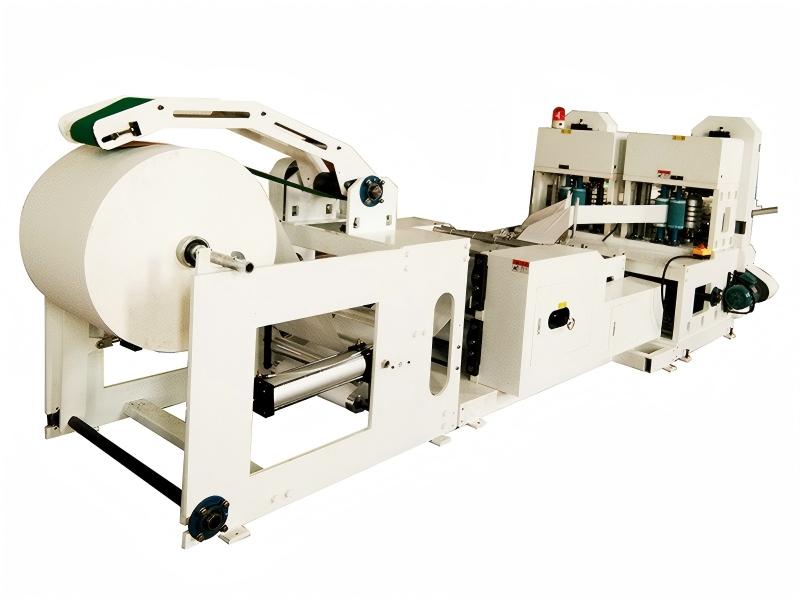
A film-roll detail from the manufacturer's gallery. The actual film specification must accompany the proposed opening sample; this photograph does not prove tear performance.
Keep unopened and opened examples distinct. Once a pack has been disturbed during a demonstration, it cannot be used again as an untouched starting sample. Identify who opened it and which observation it illustrates. This small detail prevents a successful second attempt from being confused with the experience of opening a fresh pack.
Where several film designs are intended, decide which ones need their own demonstration. A shared size does not prove identical opening instructions or retained-wrapper shape. The buyer may select representative versions for review, but the coverage decision should be written down rather than inferred from the first design presented.
Compare the options using the same question
If both straight and zipper-style options are under consideration, use the same product definition and observation sequence for each. Label the samples by option and film identity. Compare the intended access and the portion remaining around the napkins, rather than ranking the names as if one were universally superior.
Record an unresolved point instead of inventing a score. For instance, a buyer may understand the starting action but still need to see the final opening on the selected pack height. That is an open demonstration item. It should remain visible in the quotation review and should not be converted into a passed usability result.
Distinguish an instruction problem from a physical opening result. A reviewer may find the tear easy after being shown where to start, while the start itself remains difficult to identify. Record those two findings separately. Changing the printed instruction and changing the physical feature are different proposals, and each needs to be reviewed against the intended product.
When a sample fails to follow the intended path, keep the removed piece as well as the remaining wrapper if practical for the agreed review. Together they show what was separated and what was left around the stack. A photograph of only the finished hole can omit the evidence needed to understand the user's action. The record should describe that action without guessing the machine mechanism behind it.
Ask the supplier how the selected option affects the supplied configuration. Identify any option-specific parts, film requirements and change scope in the offer. The question here is what must be ordered for the chosen opening; it is not a request for operators to improvise a different tear feature by altering machine settings.
When several napkin pack formats will be sold, list which opening option belongs to each format. State whether one reference sample covers the full intended range or whether additional samples remain necessary. Do not assume that a result on the first stack extends to every height and count offered by the buyer.
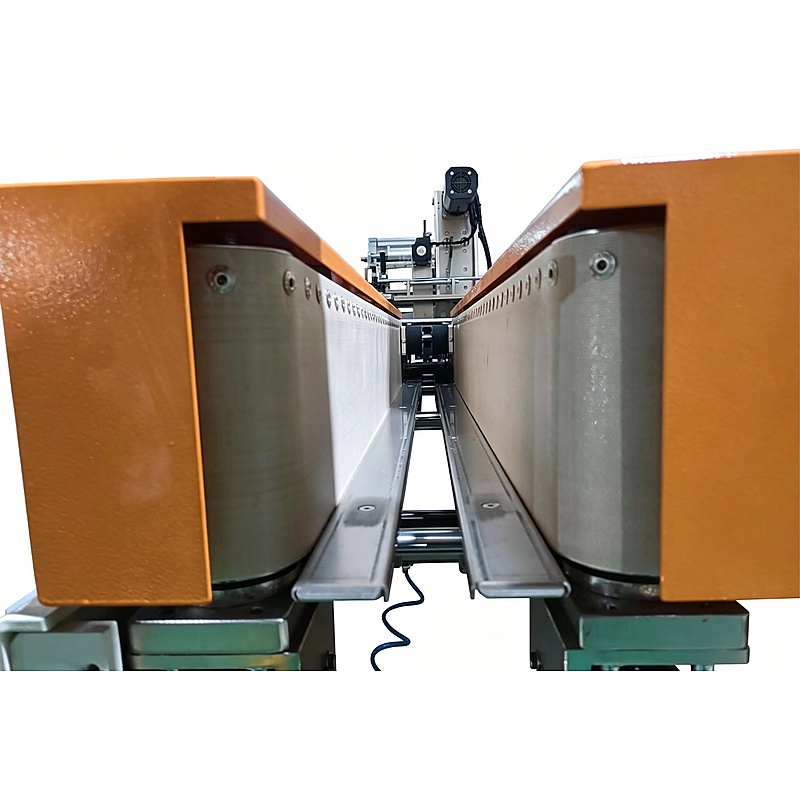
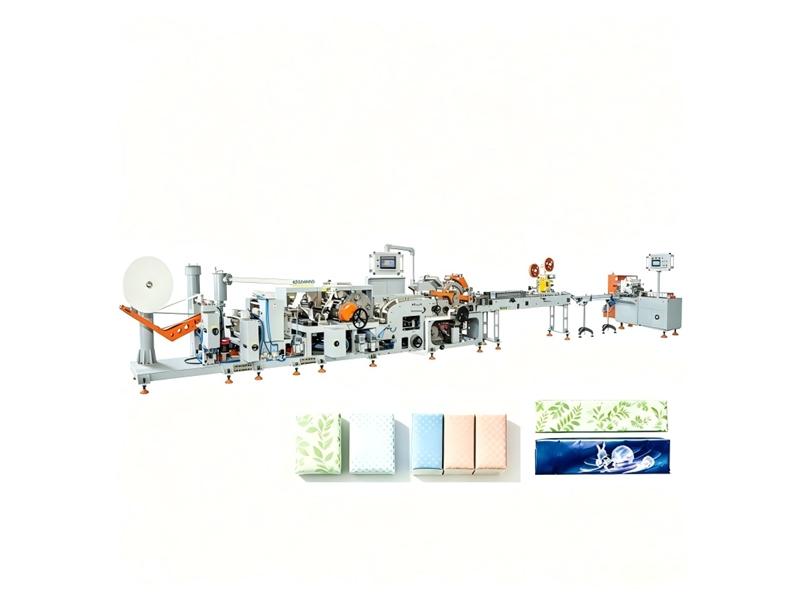
Opposing belt assemblies shown in the DB-NK-150P gallery. Exact function and the ordered opening arrangement require supplier confirmation.
Return a sample decision that purchasing can use
For the DB-NK-150P paper napkin packing machine, the returned opening decision should name the option, the napkin pack, the film and the reviewed sample. Keep the observed action and any outstanding demonstration beside that decision. “Easy tear approved” without those identities will be difficult to apply when a different wrapper arrives.
Retain the physical sample in a way that preserves the feature being discussed, with photographs identifying its unopened and opened condition. A photograph is a useful pointer to the reference, but it cannot reproduce the action that produced the opening. Where the action remains disputed, the parties need another agreed sample review.
A later change to the film or opening position should prompt a review of the affected requirement. A change of product name alone may not; a change that alters how the user finds or follows the tear may. Keep that distinction practical. The aim is a package that opens as agreed and an equipment offer that clearly identifies how that package is to be supplied.



 Tel: +8613908196540
 Email: info@doubletissuemachine.com
 MP/WhatsApp: +8613908196540
 Manufacturer Address:Dongguan, Guangdong, China