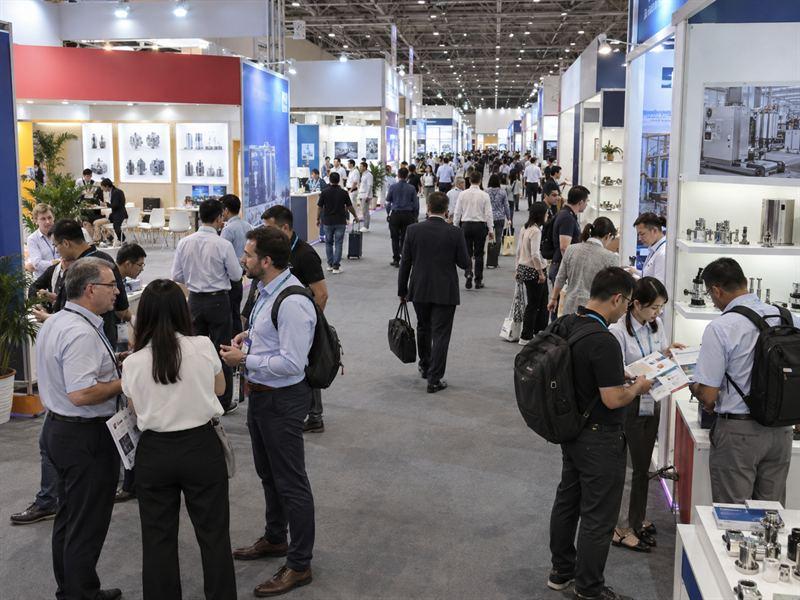
Phase 1 of the 140th Canton Fair is scheduled for October 15–19, 2026, in Guangzhou. Its published categories include Processing Machinery Equipment and Industrial Automation and Intelligent Manufacturing, which makes this phase relevant to buyers researching production technology. Whether a specific tissue machine or supplier will be present should still be checked against the official exhibitor directory before planning a visit. Official exhibition dates and categories.
Why Tissue Machinery Buyers Watch This Phase
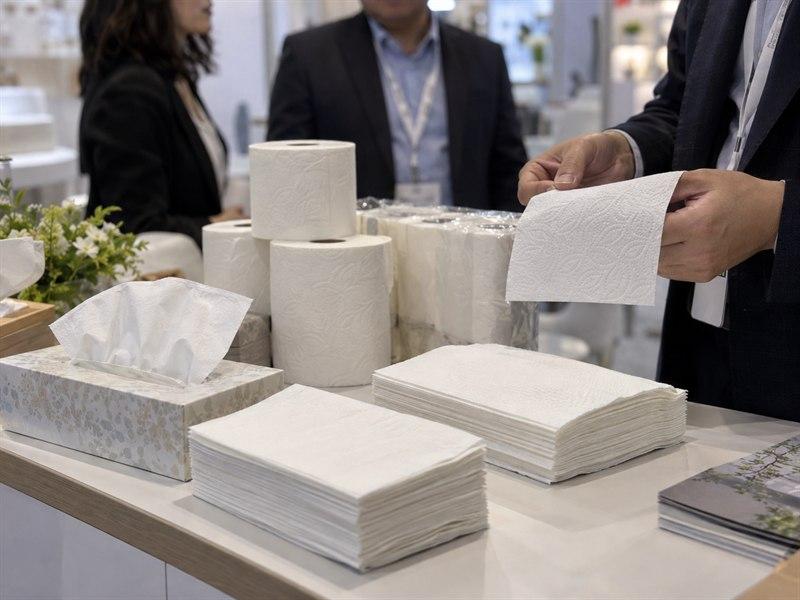
Tissue converting equipment sits at the intersection of processing machinery and factory automation, so the two published category groups cover much of what a tissue project needs. For buyers comparing rewinding, folding, cutting, wrapping, or packing equipment, the fair is mainly useful as a shortlisting step: it allows a first technical conversation, a look at machine build quality, and a check on how a supplier describes line integration before any quotation is requested.
It is not a substitute for a reviewed line proposal. Exhibition material is usually introductory, and final equipment decisions should rest on confirmed specifications, product samples, and a documented configuration.
Start With the Finished Product, Not the Machine
For a tissue converting project, a useful supplier discussion starts with the intended finished product. Buyers should identify whether they plan to produce facial tissue, kitchen towels, pocket tissue, hand towels, or toilet rolls, then specify the target sheet or roll dimensions, raw paper characteristics, and expected output.
These inputs determine which machine family is relevant and which options are worth discussing. A configuration proposed without them is difficult to compare against another supplier's offer.
Information to Prepare Before the Fair
-
Finished product type and format, such as toilet roll, kitchen towel, facial tissue, pocket tissue, or hand towel.
-
Target sheet or roll dimensions and the parent roll specification you expect to use.
-
Expected output and the working pattern behind it, for example shifts per day.
-
Available floor space, layout constraints, and how the line connects to existing upstream or downstream equipment.
-
Preferred automation level and the packaging format the line must support.
-
Utility conditions on site, including power supply and compressed air where applicable.
-
Operator availability and the maintenance resources you can support.
Compare the Complete Production Process
The next step is to compare the complete production process, not an isolated machine. Ask which operations are included in the proposed configuration, how material transfers between them, what level of automation is available, and which packaging format the line supports. Request a layout drawing and a clear list of equipment included in the quotation.
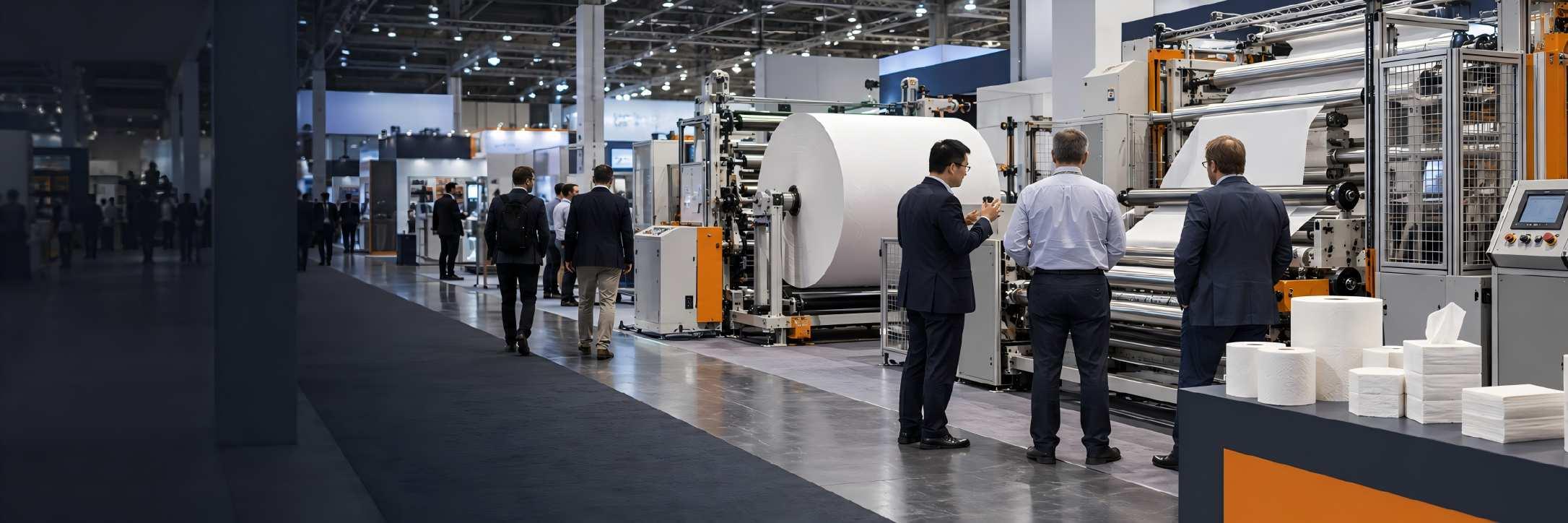
A line description that names each stage — unwinding, converting, cutting or perforating, transfer, counting, wrapping, and packing — is easier to check against your own process than a general statement about capacity.
Questions That Clarify a Quotation
-
Which machines and modules are included, and which are quoted as options?
-
How is material transferred between stages, and where are manual interventions required?
-
What automation level is proposed, and what does it change in daily operation?
-
Which packaging format and pack count does the line support?
-
What are the power, air, and other utility requirements of the proposed configuration?
-
How many operators are needed per shift, and what routine maintenance is expected?
-
What spare-parts support and technical documentation are provided?
Put Performance Figures in Context
Performance figures also need context. Confirm the conditions behind any quoted speed or capacity, along with power requirements, operator needs, routine maintenance, and spare-parts support. These details make quotations easier to compare and help identify questions that should be resolved before placing an order.
Where a value depends on the finished product, parent roll, or operating pattern, ask for that condition to be stated alongside the figure. A number without its basis is difficult to verify during acceptance.
Using the Fair as a Shortlisting Step
Buyers planning to visit the fair can prepare a short technical brief in advance and use the exhibition to shortlist suitable suppliers. Final equipment decisions should be based on confirmed specifications, product samples, and a reviewed line proposal.
If you are still at the comparison stage, reviewing a full tissue machinery project catalog before the visit can help you decide which machine groups to prioritize on site: Tissue Machinery Project Catalog. Buyers who already know their target product can also compare a specific rewinding line in advance, such as the DB-R500 Toilet and Kitchen Paper Non-Stop Rewinder Line, so the supplier conversation starts from a concrete configuration rather than a general introduction.
Next Step
Send us your finished product type, target dimensions, expected output, factory layout, and automation requirements. Our engineering team can review the information and discuss a suitable equipment configuration for your project.



 Tel: +8613908196540
 Email: info@doubletissuemachine.com
 MP/WhatsApp: +8613908196540
 Manufacturer Address:Dongguan, Guangdong, China