Soft-pack wrapping begins with two physical inputs: a tissue stack and a film roll. Their specifications must meet at the wrapped package, where the overlap, side seals and opening feature occupy real space. Start by defining the unwrapped stack and the intended package appearance, then assess the film using the proposed machine configuration. A film thickness alone is an incomplete purchasing specification. Equally, a neat finished pack made from an unspecified stack says little about how the planned tissue count and paper will run.
Describe the stack as it arrives at the wrapper
Record stack length, width, count and height before wrapping. State the orientation presented to the infeed and the condition in which the stack is measured. A stack delivered freely can differ from one held between guides. The supplier needs to know which condition represents the actual upstream handoff, rather than choosing dimensions from a retail pack that has already been compressed inside film.
Include the range of real products being planned. A low-count pack and a higher-count pack may share a footprint while needing different vertical clearance and film coverage. Paper changes can also alter stack bulk. List those combinations separately, with a representative stack for each important product. Avoid making a theoretical size range stand in for combinations that will actually be sold.
Examine the stack edges and top surface. Tilted edges, loose sheets or uneven placement should be visible before film is introduced, because wrapping can hide their origin. The infeed discussion should identify how a stack is arranged and supported during entry. This is an interface question for the selected upstream equipment and wrapper, rather than a reason to assume that every incoming stack can be corrected automatically.
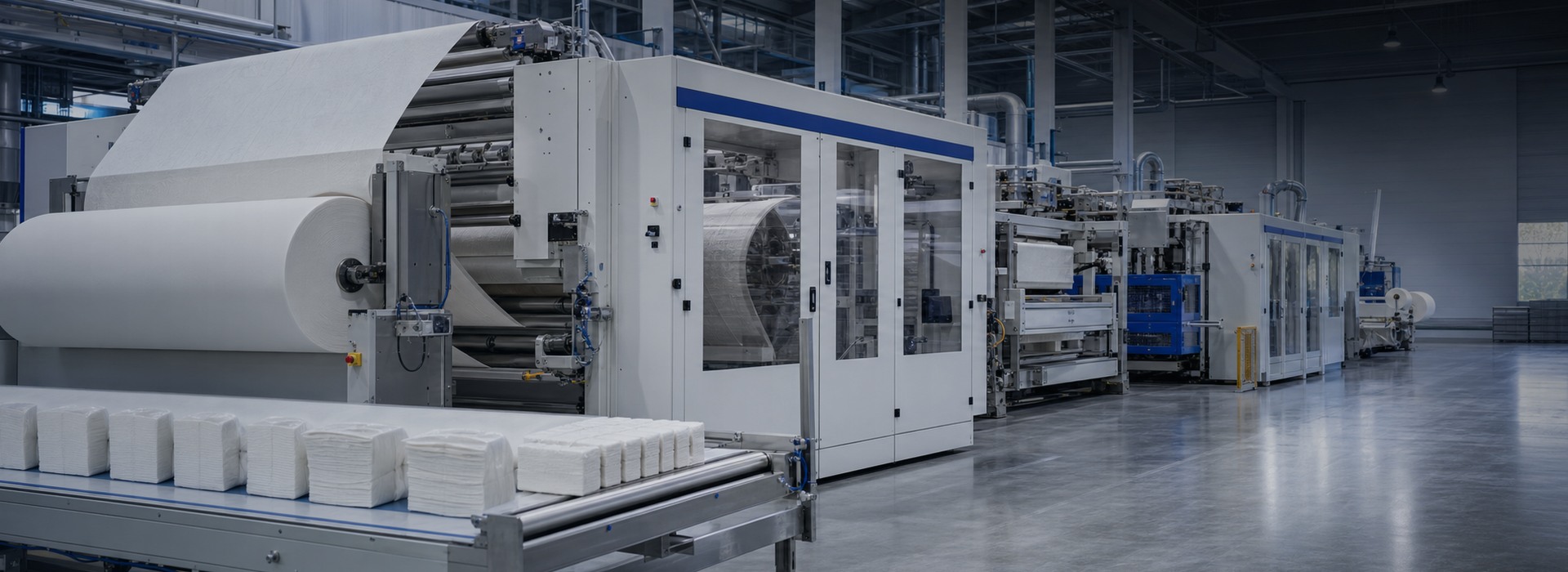
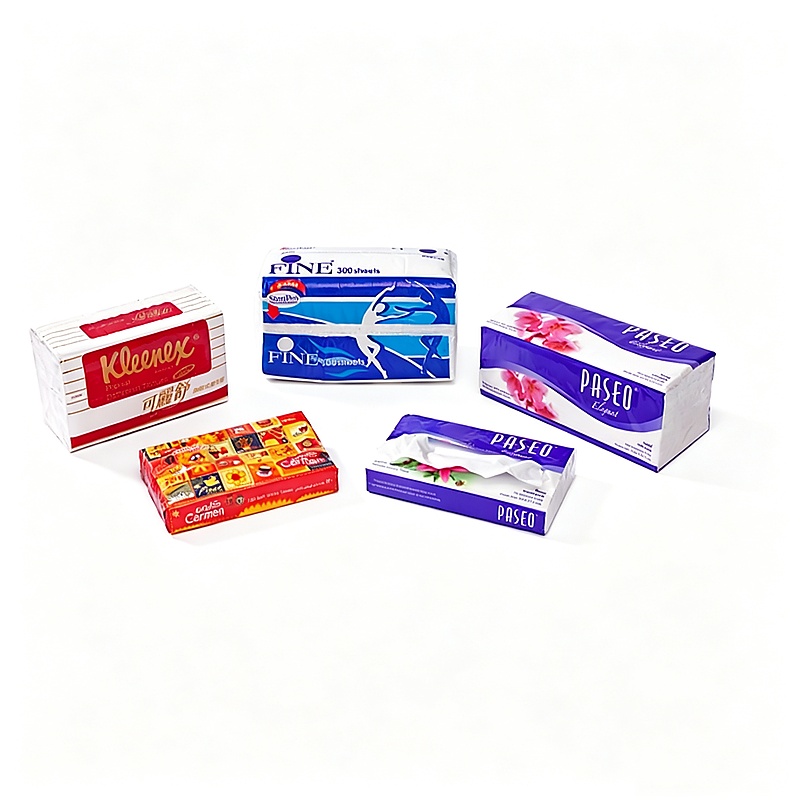
Published pack examples illustrate package appearance. They do not document a buyer's film trial or customer installation.
Give the film supplier more than a thickness
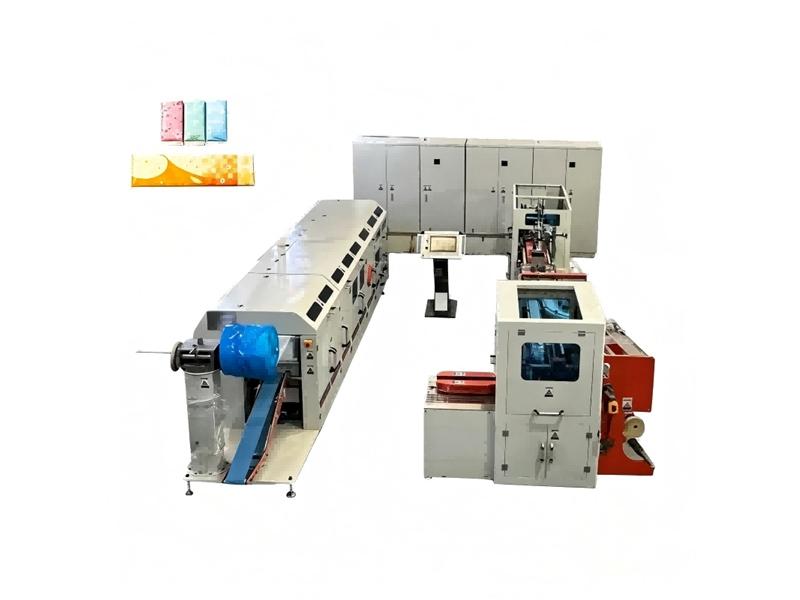
DOUBLE's DB-IF-180P automatic facial tissue soft packing machine description identifies film wrapping, CPP film cutting, overlap sealing, side sealing and finished-pack output. It also lists film material, thickness, roll diameter and roll width among quotation inputs. Use that published scope to begin a compatibility review. It does not establish that any film sold under a broad material name will give the same result.
Identify the film product and supplier, its declared construction, the printed and sealing sides and the intended winding direction. Provide a physical roll for evaluation where the supplier requests one. Record the core and outside roll dimensions as well as the web width. The roll must fit the planned film handling arrangement, and the web must present the artwork and sealing surfaces in the intended direction.
For printed film, retain the artwork layout and explain how the repeat is intended to align with the package. Include the registration mark location if it is part of the proposed detection method. A photograph of the wrapper's front panel cannot show which face of the film will form a seal or where the printed repeat begins. Those details belong in the film record.
Ask the machinery supplier and film supplier to review the same sample. If film is substituted later, record it as a changed input. Matching the nominal thickness does not prove that the replacement has equivalent winding, sealing or handling behaviour. Keeping its identity in the trial record makes a later difference in pack appearance easier to investigate.
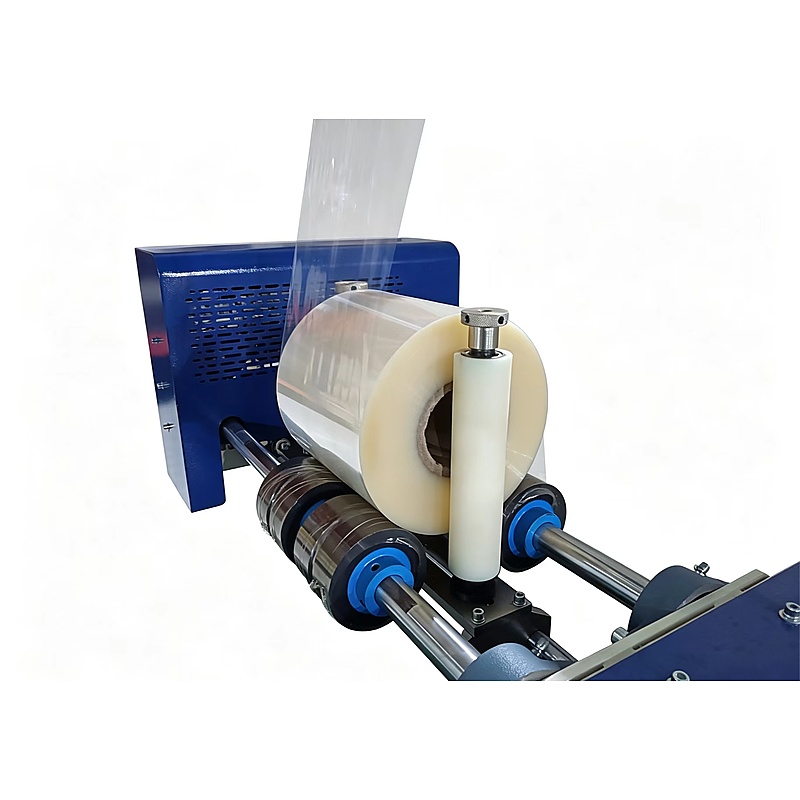
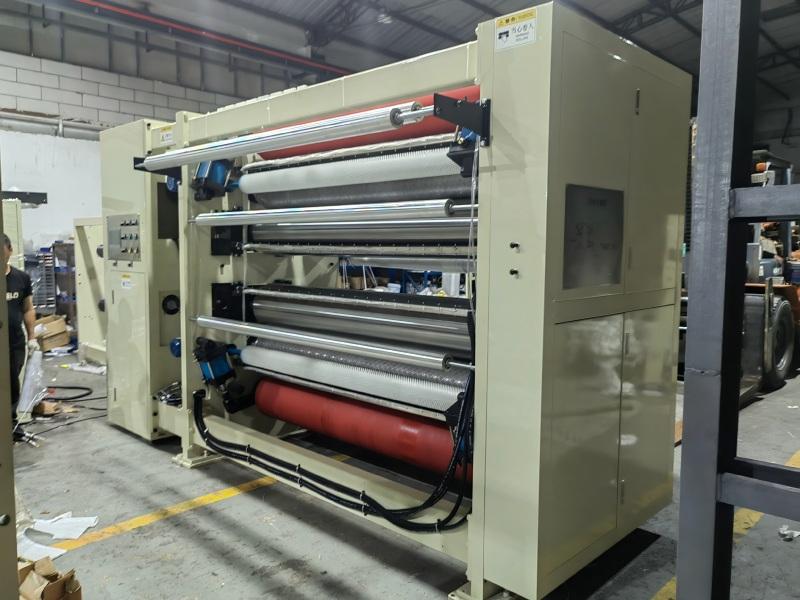
The film roll brings its own width, core and winding requirements to the wrapping process.
Place the film allowance on the package drawing
Draw the intended outside package with the tissue orientation marked. Show where the overlap and side folds should sit, and where the opening feature and printed information should appear. The film allowance must accommodate that geometry. Ask the supplier to confirm the proposed web width and cut length against the actual wrapping arrangement; do not derive an order quantity from the tissue footprint alone.
The stack's height matters here as much as its length and width. A taller stack changes the surfaces the film must cover. Compression during wrapping can change the effective shape again. The agreed package drawing should therefore be paired with the representative unwrapped stack and the intended pack condition, rather than treating the wrapper as a box of fixed internal dimensions.
Identify any area where printing must remain clear of a seal, fold or opening. A design can look correct as flat artwork yet become difficult to read when part of it turns under the package. Review that placement on a wrapped sample. If the pack carries variable coding, agree its position and readability after the package is formed, not only on a drawing of the film web.
Evaluate the two seal regions separately
An overlap seal and a side seal occupy different parts of the wrapped pack. Inspect them separately so that one acceptable area does not obscure a problem elsewhere. Agree how the sample will be judged: visible wrinkles, unintended openings, tissue trapped in the seal and the appearance of the folded ends are useful observations to define. The precise acceptance method belongs in the trial agreement.
Do not adopt a generic temperature or timing setting as a purchasing guarantee. The chosen film and machine arrangement need their own agreed operating conditions. Ask the supplier to establish those conditions during the proposed sample evaluation, and record any limits placed on the product or material combination. This article does not provide machine adjustment instructions; changes to sealing equipment should follow the supplied operating procedure.
Check packs after the agreed handling step as well as immediately at discharge. A package that looks sound on the conveyor may need to retain its appearance through collecting and carton loading. Decide what handling represents the buyer's process and examine the resulting samples. That links acceptance to the intended package use without inventing an unsupported durability claim.
When a visible defect appears, preserve the film and stack identities before replacing either input. Record where the wrinkle or opening occurs and whether it repeats in the same location. A displaced stack, a film-layout issue and a seal issue may look similar on a finished pack, but they call for different investigation. The supplier can compare unwrapped and wrapped samples using that record instead of receiving only a rejected package photograph.
For a mixed product range, agree which combinations must be demonstrated individually. One successful short pack does not establish the coverage or seal appearance of a taller pack made with another printed film. A compact trial matrix can name those actual combinations, their reference samples and the observations needed. It keeps the discussion manageable while preventing an untested combination from being treated as approved.
Machine mechanisms support the wrapping process; the finished overlap and side seals need their own agreed inspection.
Confirm the opening feature on the finished pack
The DB-IF-180P page lists straight and zipper-style tear-opening choices. Name the required choice in the equipment proposal. Then assess the formed pack: where the opening starts, whether the user can identify it and how it relates to the tissues below. A choice shown in a list of options is not a substitute for agreement on the delivered configuration.
Keep the desired opening behaviour separate from the seal inspection. A pack can be neatly sealed yet difficult to open as intended. Conversely, an easy opening does not establish that the remaining package is properly closed. Use retained samples to explain both requirements, especially if the buyer plans multiple pack heights or artwork designs.
When a product changes, review whether the opening still sits in the correct place. A taller stack or a changed printed repeat can move the visible feature relative to the tissue. Record any required tooling, film layout or setup change in the product combination list so that purchasing does not assume one approved pack represents every future format.
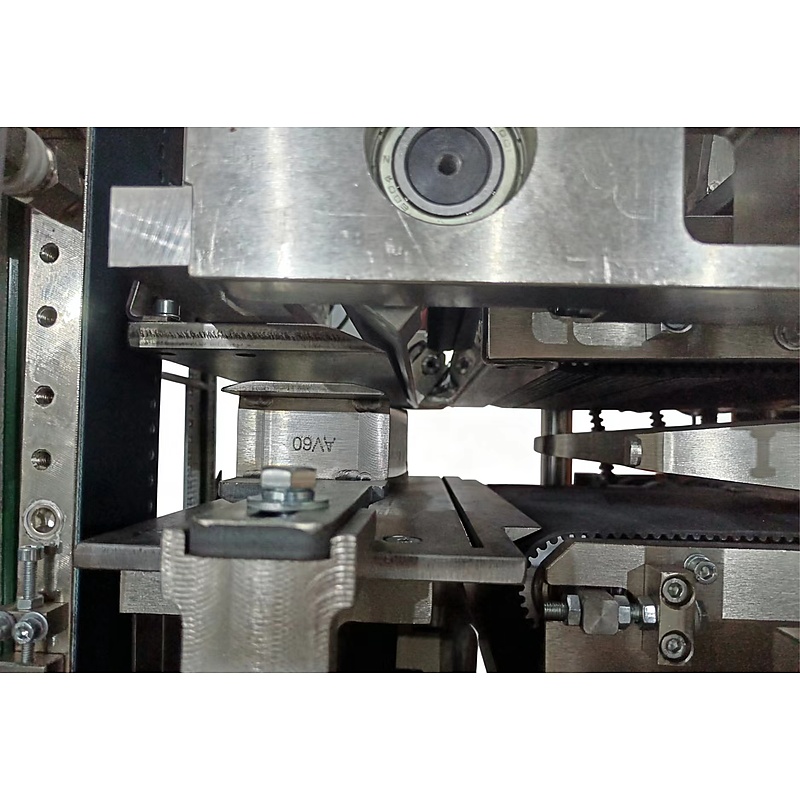
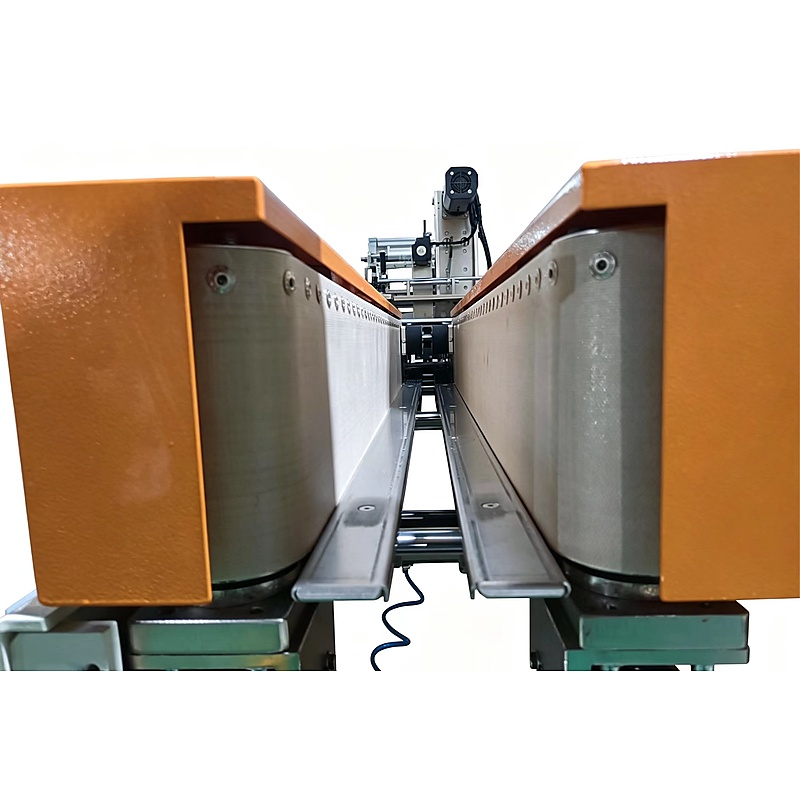
A published machine detail provides context for the equipment; clearance and product handling are confirmed against the selected configuration.
Approve a film-and-stack pair, then control substitutions
Give each evaluated combination a reference number linking the paper, tissue count, unwrapped dimensions, film identity and artwork revision. Retain finished packs with that record. Note the selected opening and coding arrangement. The result is a defined combination that can be compared during delivery, rather than a general statement that the machine wraps facial tissue.
For a later film or stack change, state what has changed and repeat the relevant checks. A new roll width affects coverage; a new stack height affects package geometry; a new artwork affects alignment and readability. Some changes may be straightforward, while others need supplier review. Controlling the input pair makes those decisions visible before an unsuitable material is ordered in volume.



 Tel: +86 139 0819 6540
 Email: info@doubletissuemachine.com
 MP/WhatsApp: +86 139 0819 6540
 Manufacturer Address:Dongguan, Guangdong, China