Embossed toilet paper is a differentiated tissue product defined by a pressed surface pattern rather than by ply count alone. For tissue converters and brand owners, embossing is a practical way to add visible texture, improve roll appearance, and create product distinction in a competitive market. This page explains what embossed toilet paper is, how the embossing process fits into a converting line, and what to consider when planning production.
What Is Embossed Toilet Paper?
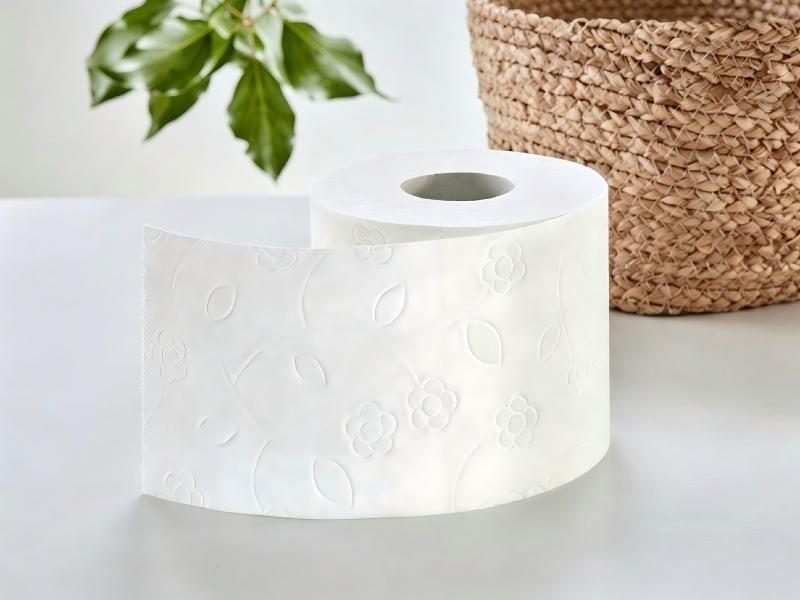
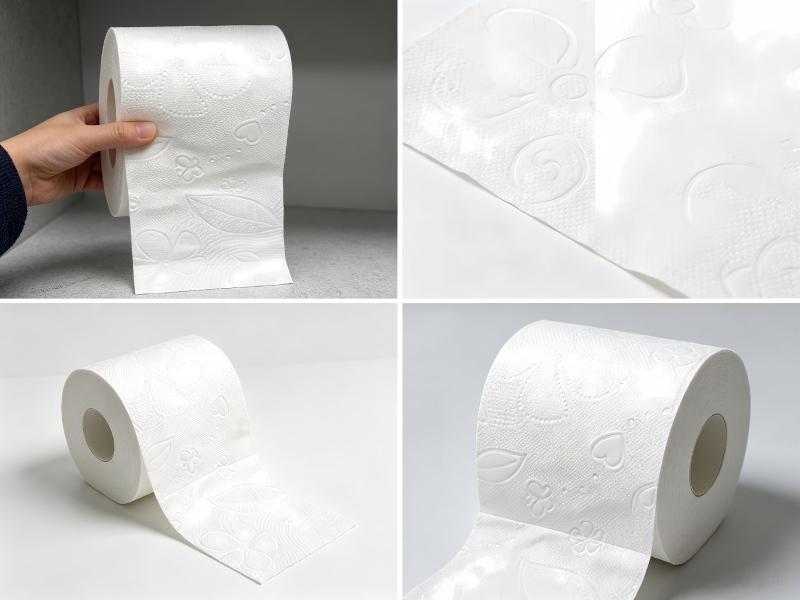
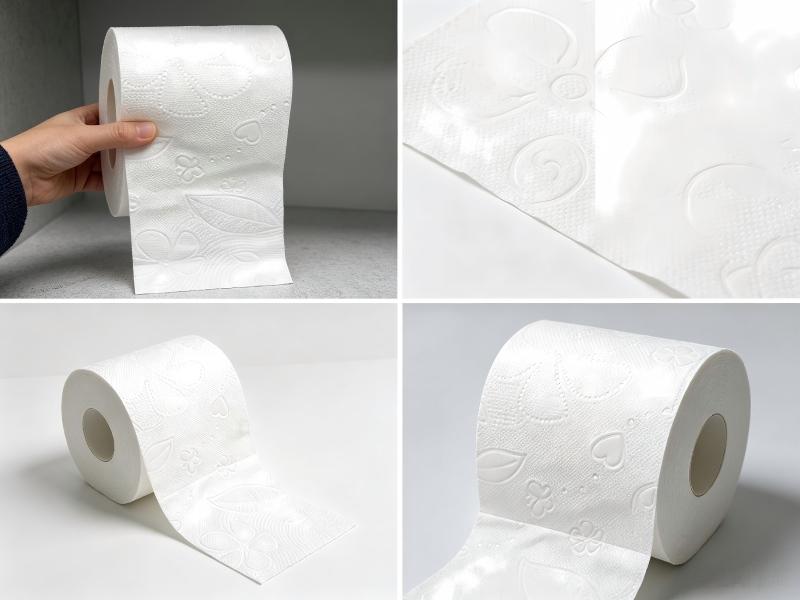
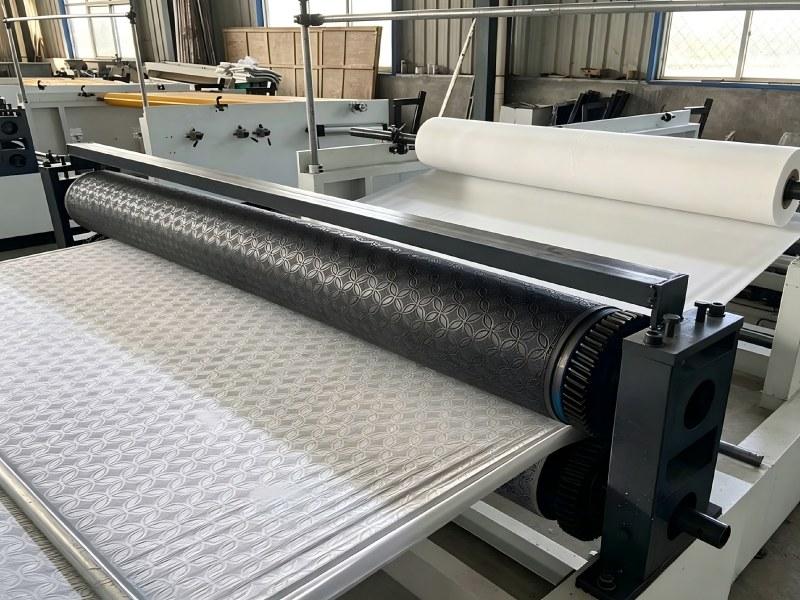
Embossed toilet paper is produced by passing one or more tissue plies through an embossing unit, where a patterned steel roller presses a design into the paper surface. The result is a regular, repeatable texture that changes the look and feel of the finished roll. Unlike standard household toilet paper, which is often defined by softness or absorbency, embossed toilet paper is selected mainly for its surface appearance and the tactile impression it creates.
Embossing can be applied to a single ply or combined with lamination, where two plies are bonded together through the embossing pattern. The choice depends on the target product type, the parent roll specification, and the converting line configuration.
Key Features of Embossed Toilet Paper
Embossed toilet paper is defined by its surface structure and the production flexibility it offers. The main features that matter to converters and buyers include:
Visible Surface Texture
The embossing pattern is clearly visible on the finished roll, giving the product a distinct appearance on shelf and in use.
Pattern Differentiation
Different embossing rollers create different textures, allowing brands to differentiate products without changing the base paper specification.
Ply Bonding Option
In multi-ply production, embossing can be used to bond plies together, replacing or reducing the need for adhesive in some configurations.
Converting Line Integration
Embossing is performed inline during rewinding or converting, so it does not require a separate offline process step.
Applications
Embossed toilet paper is used in markets where product appearance and brand identity are important. Common applications include:
Retail toilet paper brands that want a distinctive roll pattern for shelf recognition.
Hotel, restaurant, and commercial tissue buyers that specify a particular surface finish.
Private-label production where the embossing pattern is part of the brand specification.
Premium or specialty tissue lines that combine embossing with other converting steps.
The suitable market depends on the finished roll format, the target price point, and the buyer's requirement for surface appearance. Embossing is not limited to one market tier; it is a configuration choice that can be matched to the product plan.
Embossing Process
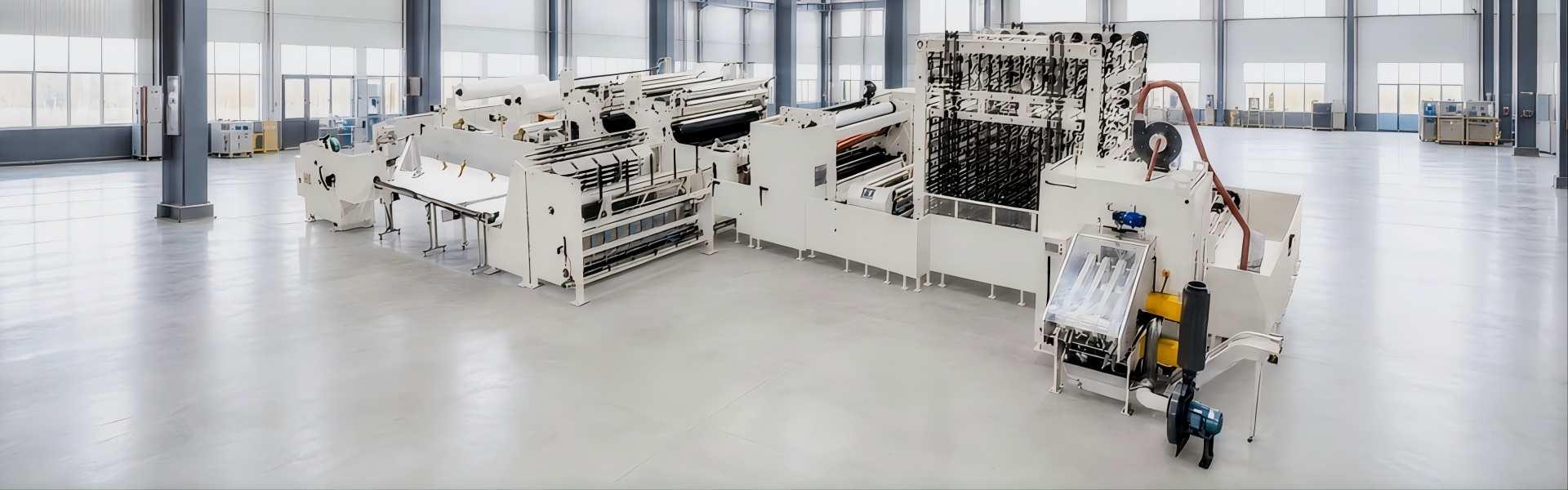
In a typical toilet paper converting line, embossing is one step in a sequence that starts from a jumbo roll and ends with a finished log ready for cutting. A common process flow is:
This sequence is a general reference. The actual order and configuration can vary depending on the machine layout, the number of plies, and whether additional steps such as lamination or glue application are included. For example, some lines apply embossing before perforation, while others may combine embossing with ply bonding in a single unit. The exact arrangement should be confirmed against the specific converting equipment and the finished product specification.
Embossing and Converting Equipment
Embossing is performed by an embossing unit installed on the converting line, typically before the rewinding section. The embossing roller pattern determines the final surface texture, and the unit must be matched to the parent roll width, the number of plies, and the target production speed. Because embossing affects the paper structure, the choice of pattern and roller configuration should be reviewed together with the rewinding and cutting equipment to ensure stable operation and consistent finished roll quality.
For converters planning a new product line or upgrading an existing one, the key questions are: what finished tissue format is required, what embossing pattern is specified, what parent roll condition will be used, and what output target must be met. These factors define the embossing unit configuration and its position in the line.
Planning an Embossed Toilet Paper Line
Embossed toilet paper is a surface-driven product. The right configuration depends on the finished roll format, the embossing pattern, the parent roll specification, and the target output. Discussing these points with the equipment supplier helps ensure the embossing unit, rewinder, and cutting machine are matched to the actual production plan.
Tell Us Your Embossed Toilet Paper Requirement
To prepare a practical equipment proposal, share your finished tissue format, target output, parent roll condition, available factory layout, and automation requirements. Our team can then review the embossing unit and converting line configuration that fits your project.




 Tel: +86 139 0819 6540
 Email: info@doubletissuemachine.com
 MP/WhatsApp: +86 139 0819 6540
 Manufacturer Address:Dongguan, Guangdong, China