Coreless toilet paper rolls are a practical product format for tissue converters, brand owners, and commercial buyers. By removing the inner paper core, this roll structure changes how tissue is wound, packed, and used. This page explains the product structure, key features, production considerations, and how coreless toilet paper relates to rewinding and converting equipment.
What Are Coreless Toilet Paper Rolls?
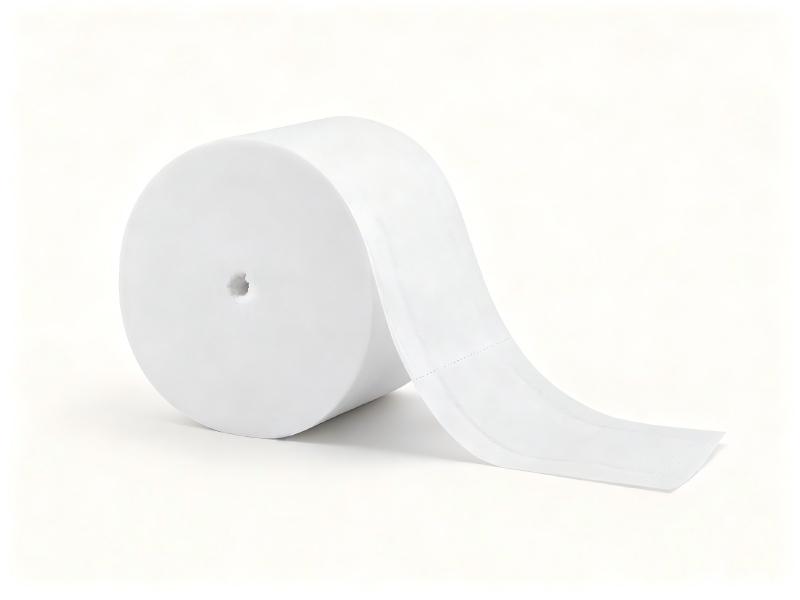
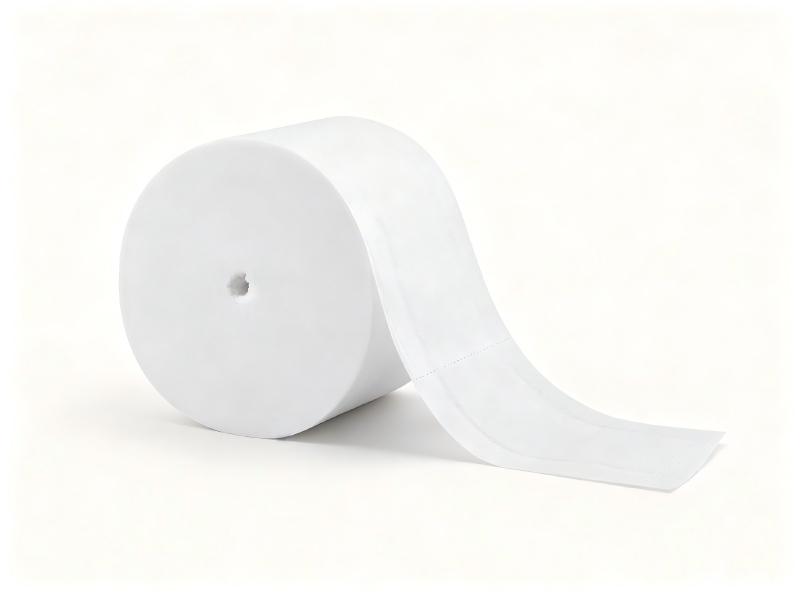
Coreless toilet paper rolls are toilet tissue rolls wound without a central cardboard or paper core. The roll is built around a small hollow center, with the first sheet starting from the innermost layer. This structure is different from traditional cored rolls, where the paper is wound around a separate tube.
Because there is no core, the roll uses the available space more efficiently. The hollow center is smaller than a standard core, which means more tissue can be wound into the same outer diameter. This makes coreless toilet paper a space-conscious option for retail shelves, storage, and dispensing systems.
Key Features of Coreless Toilet Paper
No Paper Core
Coreless toilet tissue eliminates the inner tube, reducing the need for paper cores in the converting process. This can simplify material handling and reduce waste from core remnants.
Efficient Roll Structure
Without a core, more tissue fits into the same roll diameter. This makes more efficient use of roll space, which can improve packaging density and reduce the frequency of roll changes in high-traffic facilities.
Simplified Packaging
Coreless rolls can be packed with less void space, which simplifies packaging and may reduce the amount of packing material needed per roll.
Flexible Product Formats
Coreless toilet paper can be produced in different sheet counts, roll diameters, and ply combinations, depending on the target market and the converting equipment used.
Applications
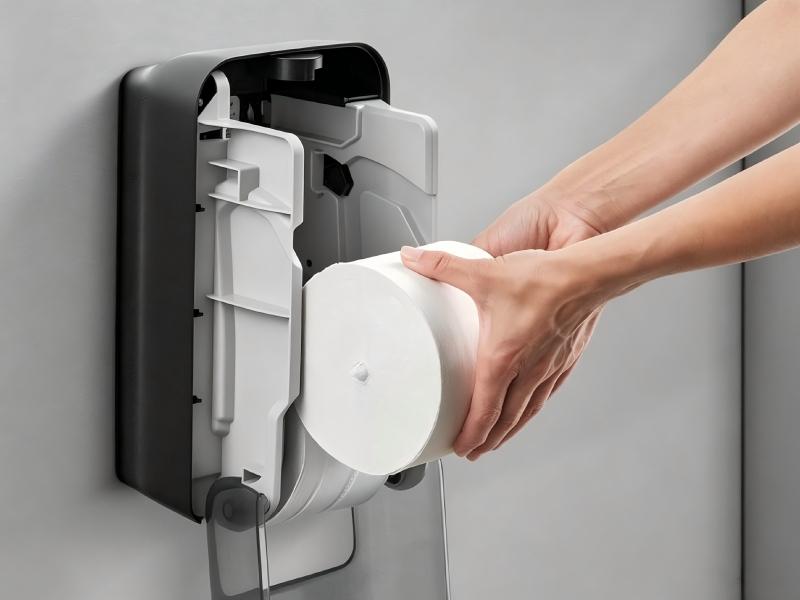
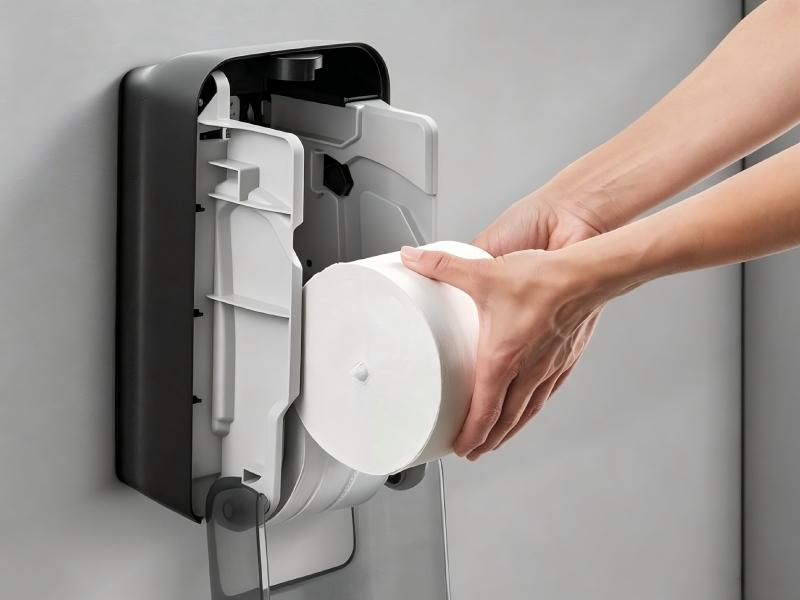
Coreless toilet paper rolls are used in both household and commercial settings. In retail, they are often sold in multi-roll packs where compact packaging is an advantage. In commercial facilities such as offices, hotels, and public restrooms, coreless rolls can be paired with compatible dispensers that accept the hollow-center format.
For buyers and distributors, the coreless format is worth evaluating when storage space, packaging efficiency, or dispenser compatibility is a priority. The final suitability depends on the target market, the dispensing system, and the product specifications required.
Coreless Toilet Paper Production
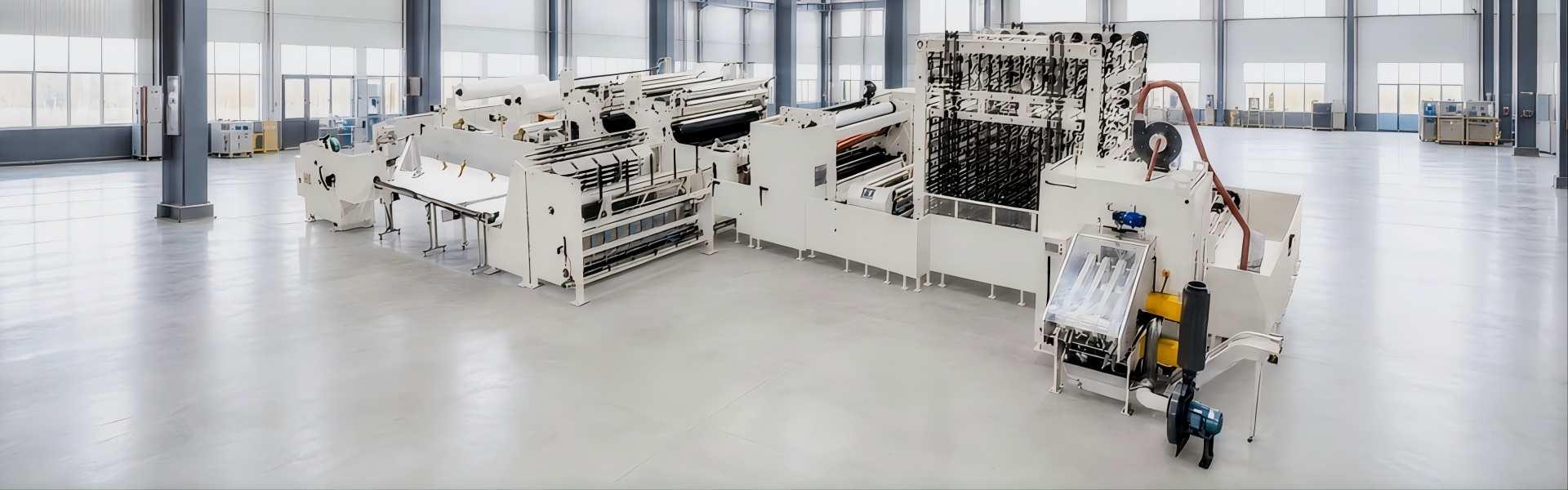
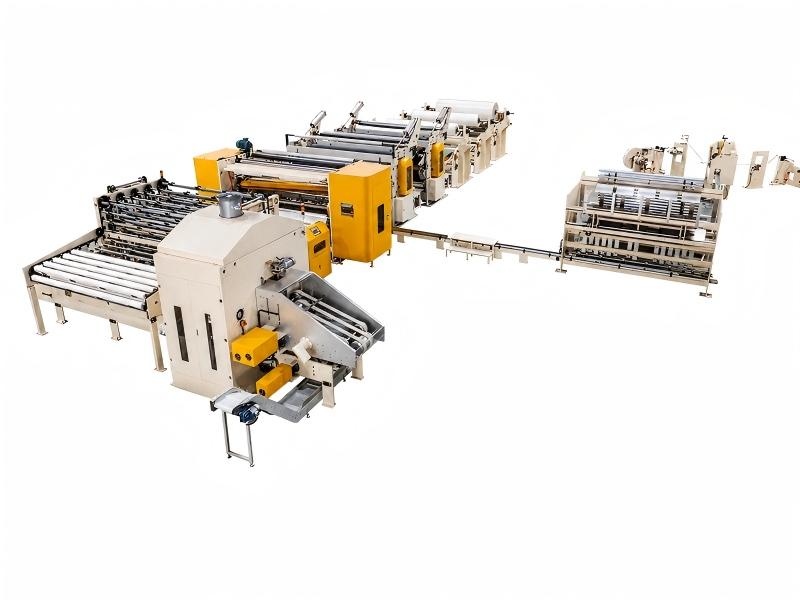
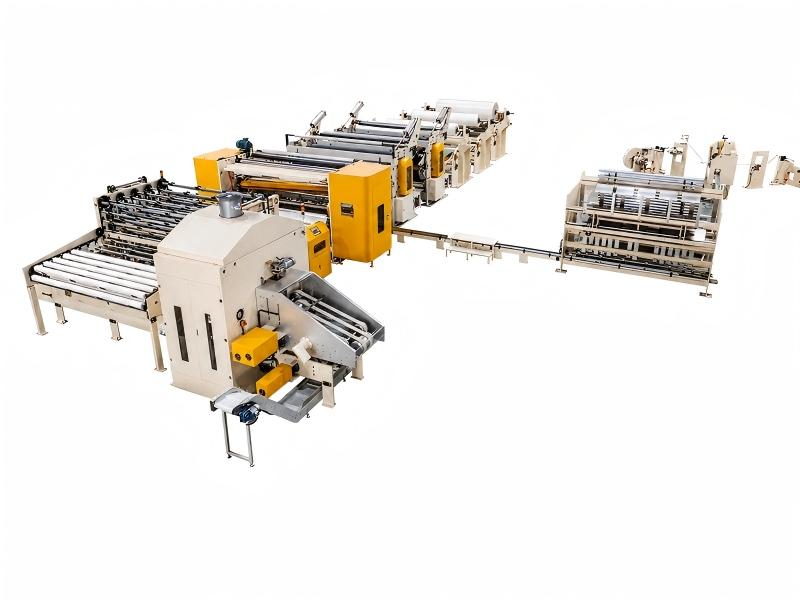
Coreless toilet paper is produced on rewinding and converting lines that are configured to wind tissue without a core. The process starts with a jumbo parent roll, which is unwound and fed into the rewinder. The machine winds the tissue into the required roll diameter and then cuts the log into finished rolls. Depending on machine configuration, the line may also include embossing, perforation, and other converting steps.
The exact production sequence can vary. Different machines handle coreless winding, log cutting, and transfer to packing in different ways. Buyers should confirm the machine configuration, finished roll size, and output requirements with the equipment supplier before selecting a line.
Coreless Toilet Paper and Converting Equipment
Coreless toilet paper is directly related to the rewinding and converting equipment used to produce it. A toilet tissue rewinding machine must be set up for coreless winding, which affects the winding mechanism, the transfer process, and the finished roll structure. A toilet paper converting machine may also include log saws, packing units, and other downstream equipment that handle the coreless format.
When planning a coreless toilet paper line, buyers should consider the finished roll size, sheet count, ply, embossing pattern, and packing method. These factors influence the machine configuration and the overall line layout.
Next Steps
If you are evaluating coreless toilet paper production, start by defining your finished product format, target output, and factory layout. Share these details with our team so we can discuss the rewinding and converting equipment options that match your requirements.
Tell us about your project: finished roll size, sheet count, ply, target output, parent roll condition, available floor space, and automation needs. We will help you compare the right coreless rewinding and converting equipment.




 Tel: +86 139 0819 6540
 Email: info@doubletissuemachine.com
 MP/WhatsApp: +86 139 0819 6540
 Manufacturer Address:Dongguan, Guangdong, China