


Comparing Toilet Roll Shape Across Trial Batches
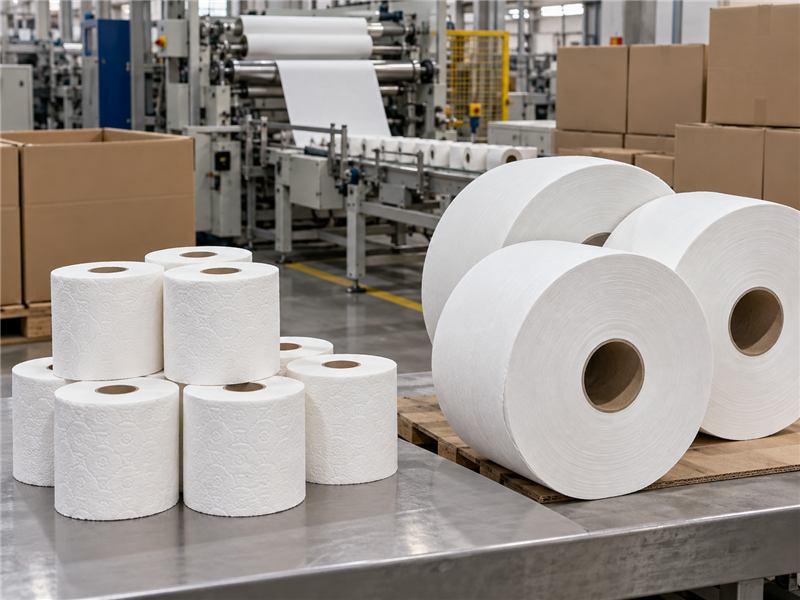
For a DB-R500 project, compare toilet roll shape between trial batches. Check how differences in roll build affect their arrangement at the proposed packing stage.
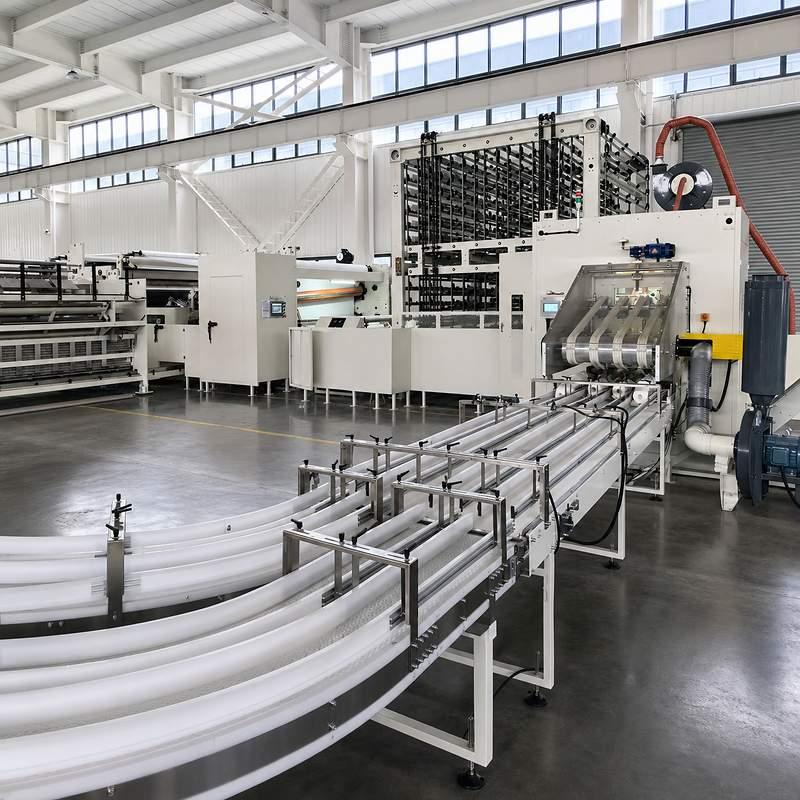
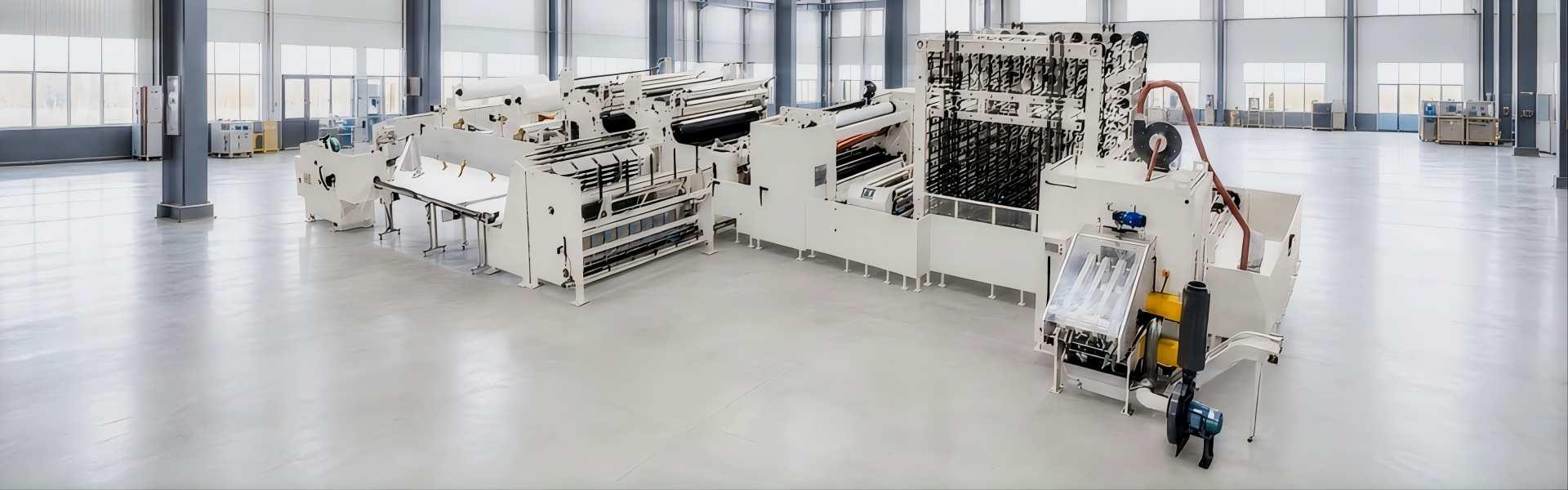
 Finished Tissue Product | Toilet Rolls, Kitchen Towels |
| Stable Working Output | 500 m/min |
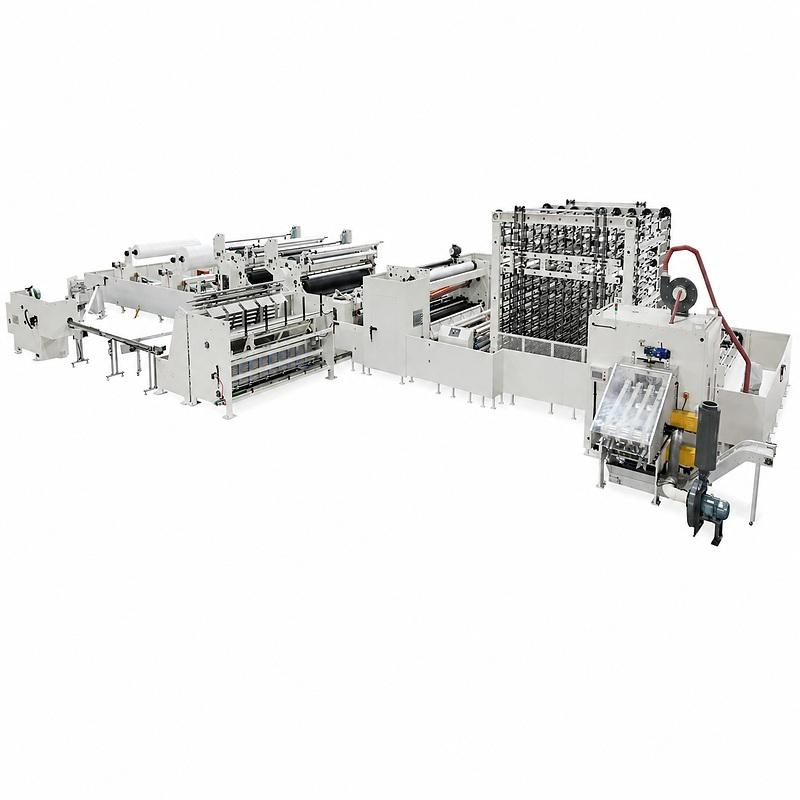
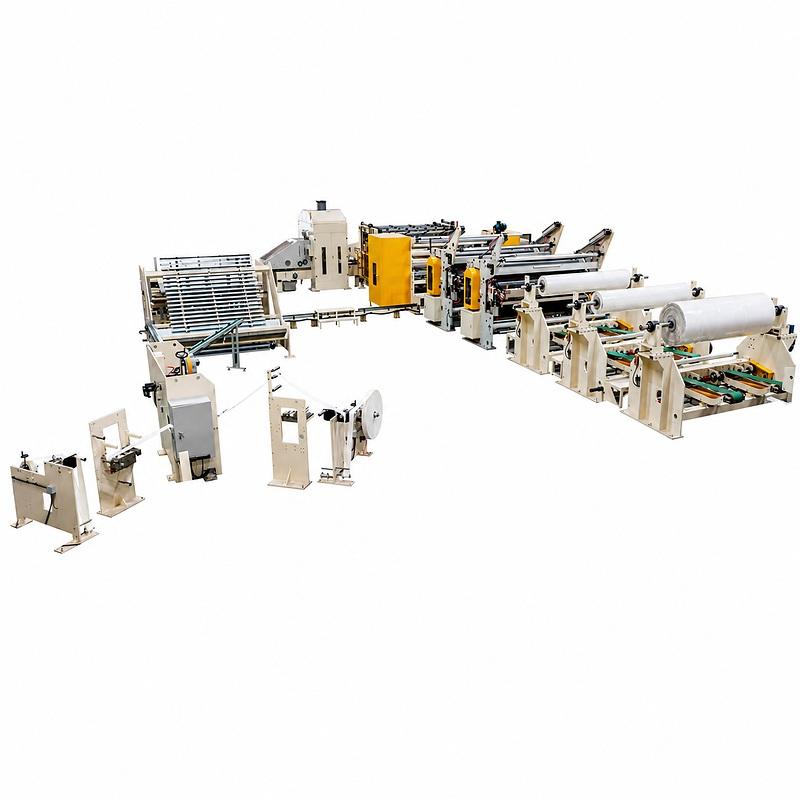
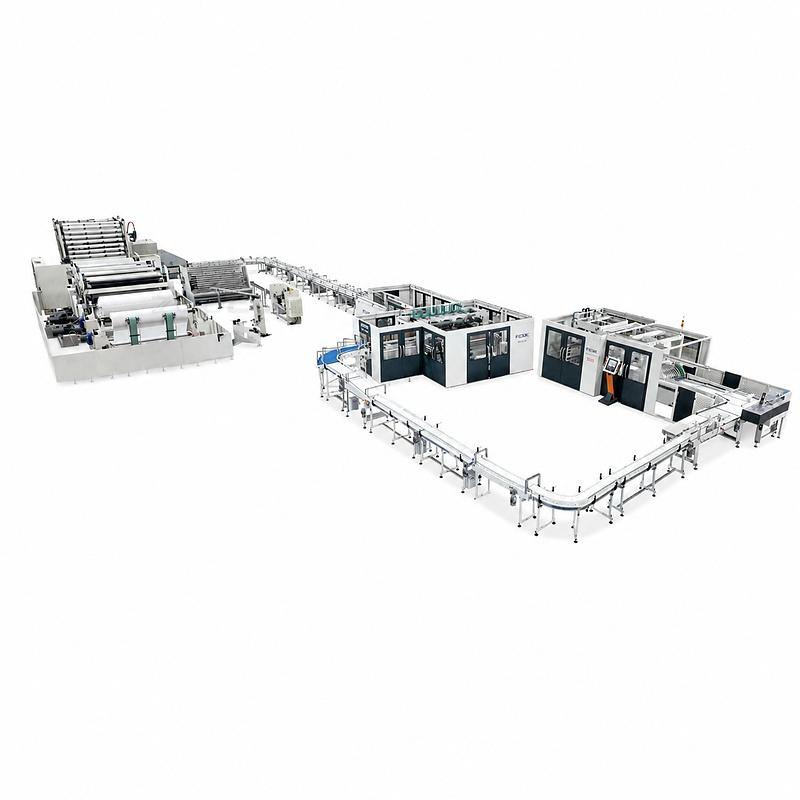
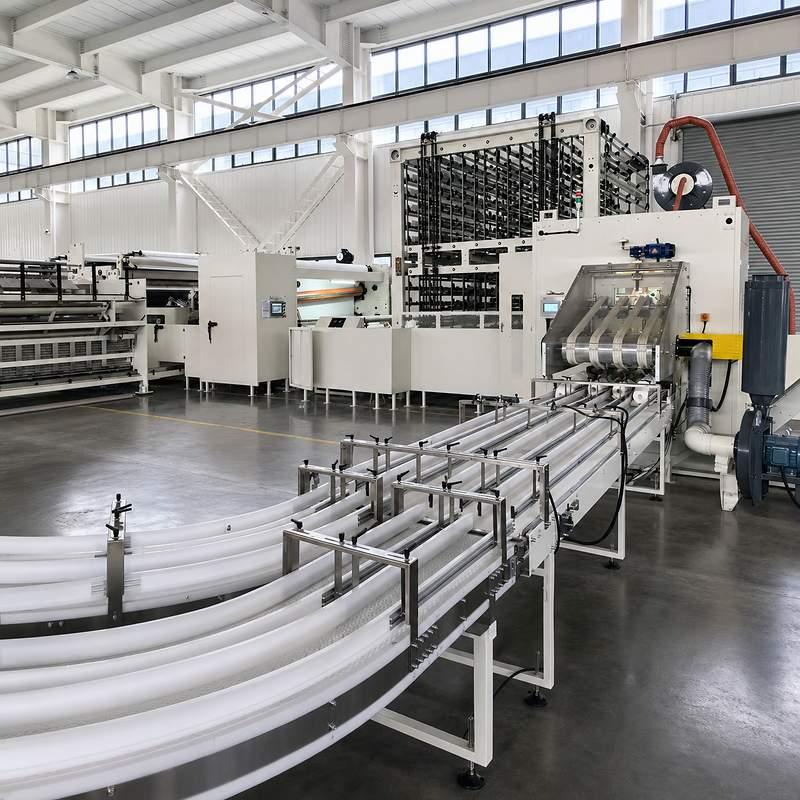
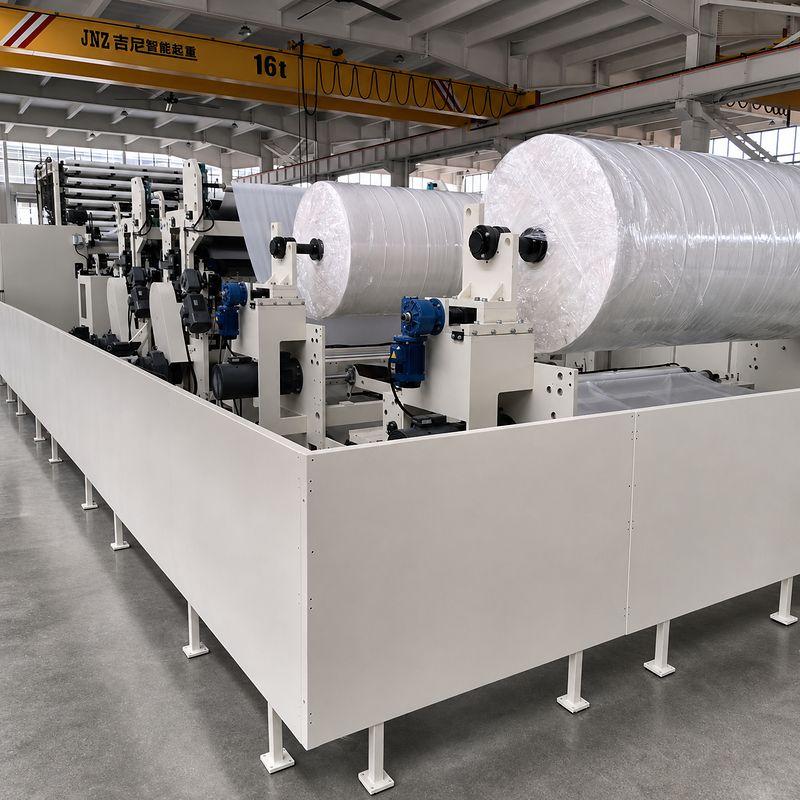
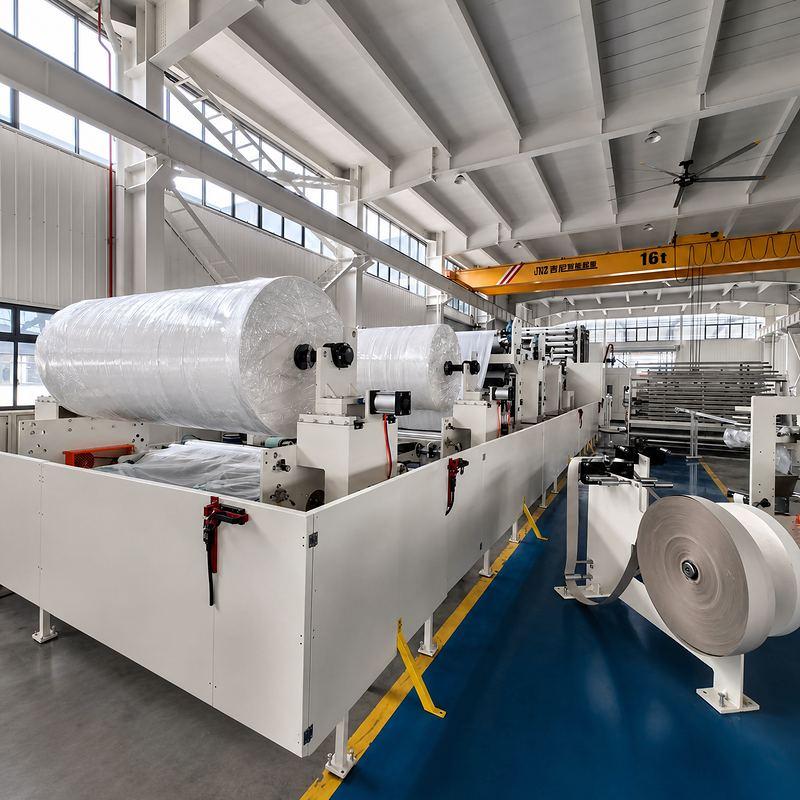
The DB-R500 is an integrated tissue converting line built for continuous, high-speed production of toilet tissue and kitchen towel rolls. It combines jumbo roll unwinding, non-stop rewinding, perforation, and log saw cutting into one synchronized system, supporting large-scale converting operations that require stable output and flexible configuration.
To prepare an accurate quotation and line configuration, please provide the following information:
When planning the DB-R500 line, confirm the parent roll width and diameter against your existing jumbo roll supply to avoid backstand reconfiguration. The independent motor drive on each unwind stand helps maintain stable web tension across different ply combinations, which is critical for consistent embossing and perforation quality. For the log saw section, verify that the cutting tolerance of ±1 mm meets your finished roll length requirements before finalizing the line layout.
For detailed machine parameters, refer to the Technical Specifications section. Contact us by WhatsApp or submit the inquiry form for a fast factory response.
| Machine Model | DB-R500 |
|---|---|
| Application | Toilet Rolls, Kitchen Towels |
| Production Speed | 500 m/min (Stable) |
| Log Saw Production Speed | 150 - 180 Cuts/min (Stable) / Cutting Tolerance: ±1 mm |
| Rewinding Type | Non-Stop (Surface Winding) |
| Feeding Channels | 4 Independent Channels |
| Edge Embossing | Independent Cylinder Pressurization |
| Embossing Unit | Steel to Rubber, Steel to Steel Embossing |
| Parent Roll Width | 2000-3650 mm (Customizable) |
| Parent Roll Diameter | Φ2000-Φ3000 mm (Customizable) |
| Backstand Capacity | 1-5 Ply (Independent Motor Drive) |
For detailed line configuration and layout planning, please refer to the Tissue Paper Cutting Machine Catalog or explore the Toilet Paper Production Line for related machinery.
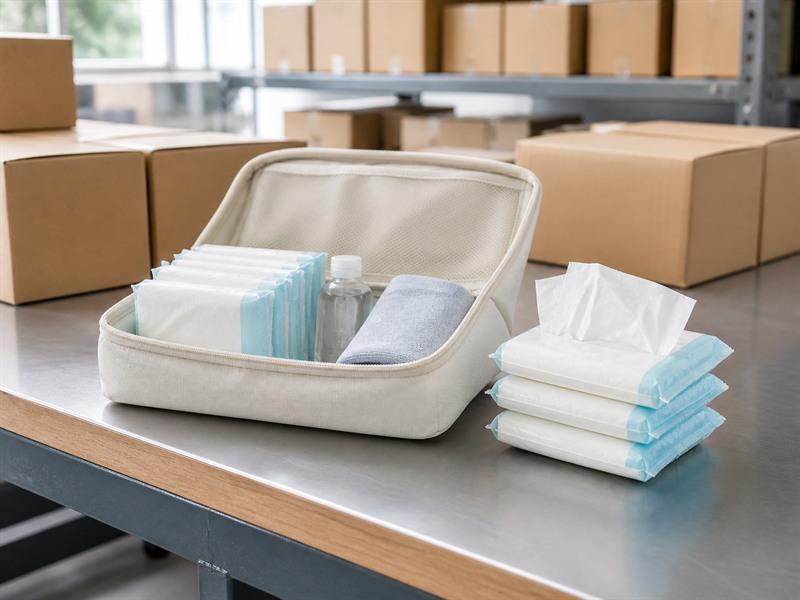
For a DB-R500 project, compare toilet roll shape between trial batches. Check how differences in roll build affect their arrangement at the proposed packing stage.
Review log shape and transfer into cutting where that stage is included in the DB-R500 layout. Define handoff checks for the proposed toilet paper production routine.
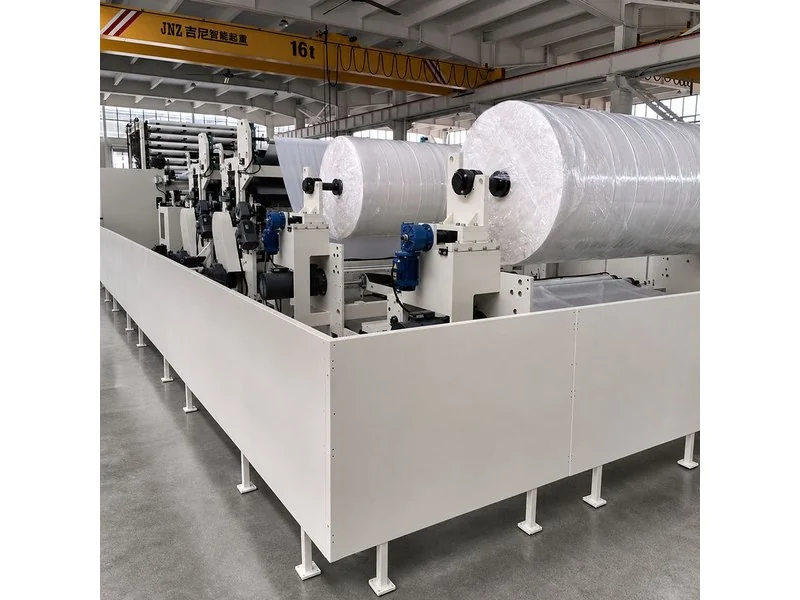
When planning cored toilet rolls on a DB-R500 setup, inspect winding alignment around the core. Compare roll balance and appearance before arranging them for packing.
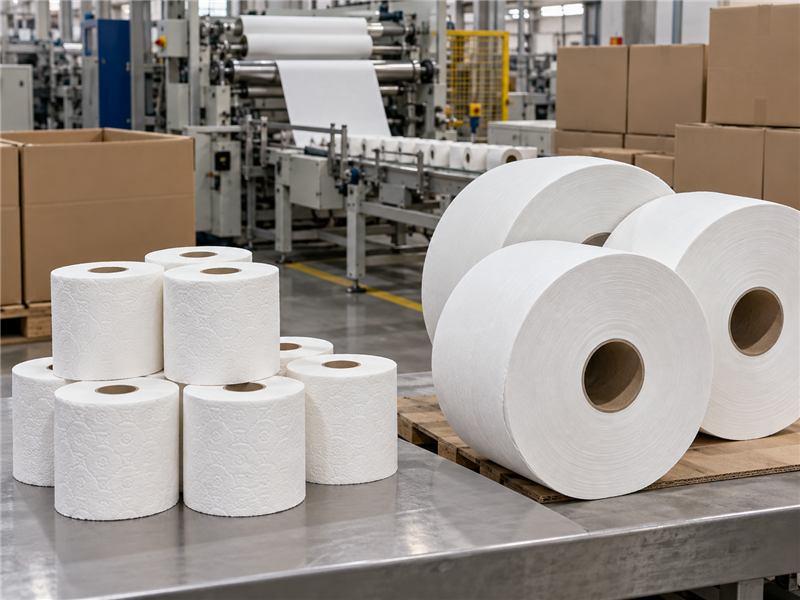
Evaluate trial toilet rolls for layer alignment, outside edge appearance and overall shape. Confirm whether these meet the requirements of the packaging format proposed for DB-R500.
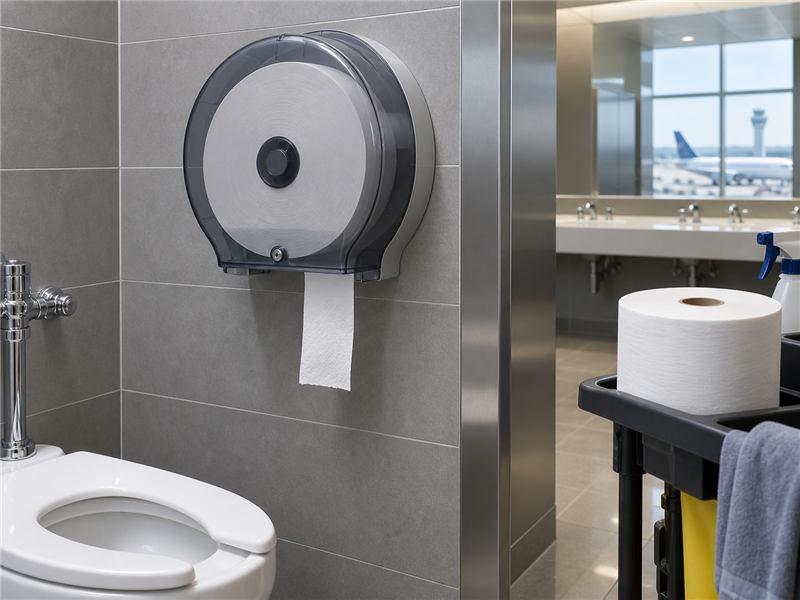
For extended DB-R500 toilet paper trials, monitor winding and web alignment throughout the run. Define quality checkpoints rather than assuming longer operation will preserve the same roll condition.
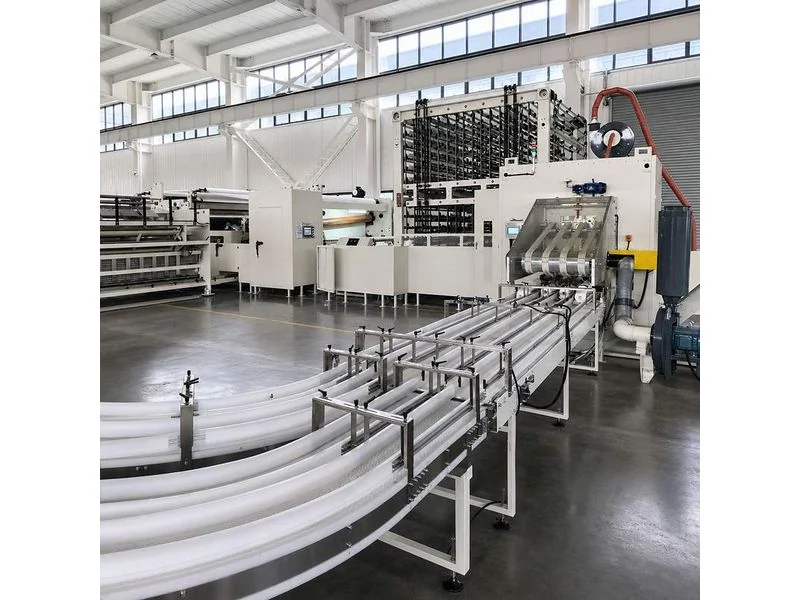
Where a DB-R500 toilet paper setup includes bundle wrapping, check incoming roll shape. Compare the proposed bundle presentation with the arrangement of rolls before wrapping.
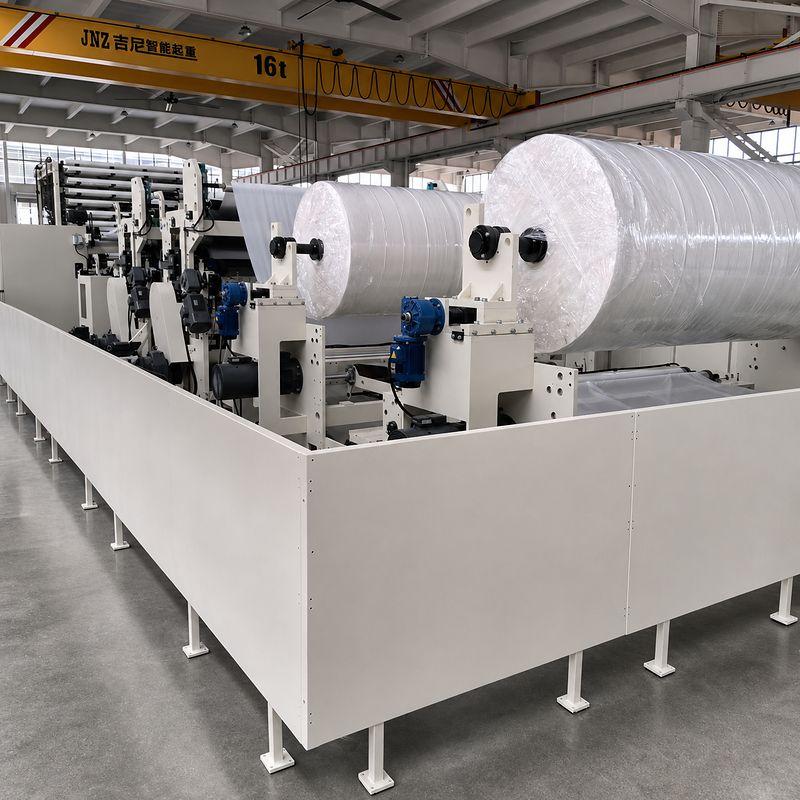
Set a target toilet roll profile for a DB-R500 project. Compare rewound samples with that reference before they enter the next operation in the planned layout.
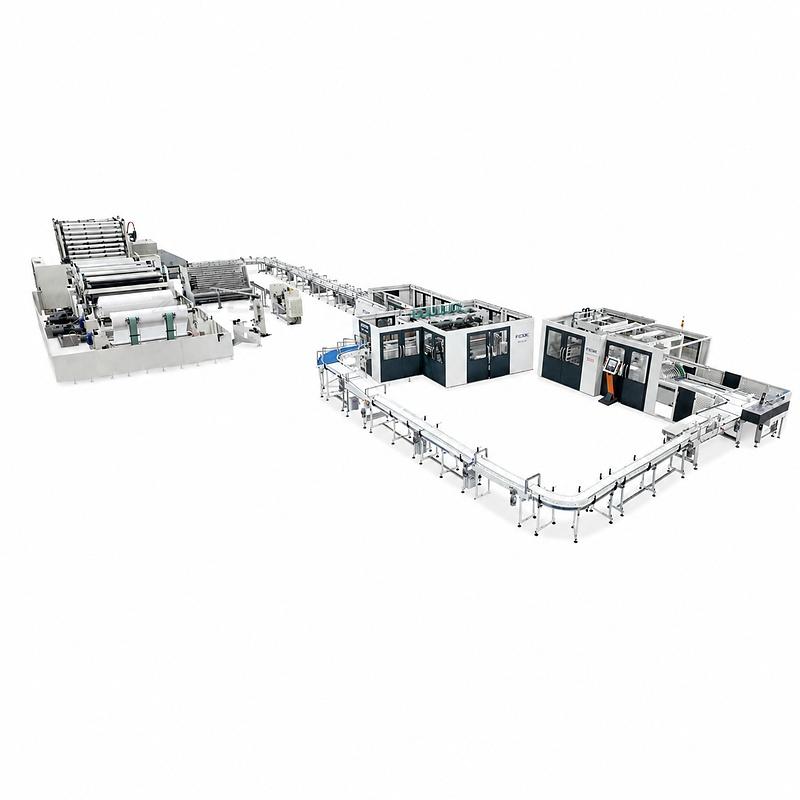
If log cutting is part of the proposed DB-R500 setup, inspect log profile at the handoff. Confirm the transfer arrangement and cutting infeed requirements.
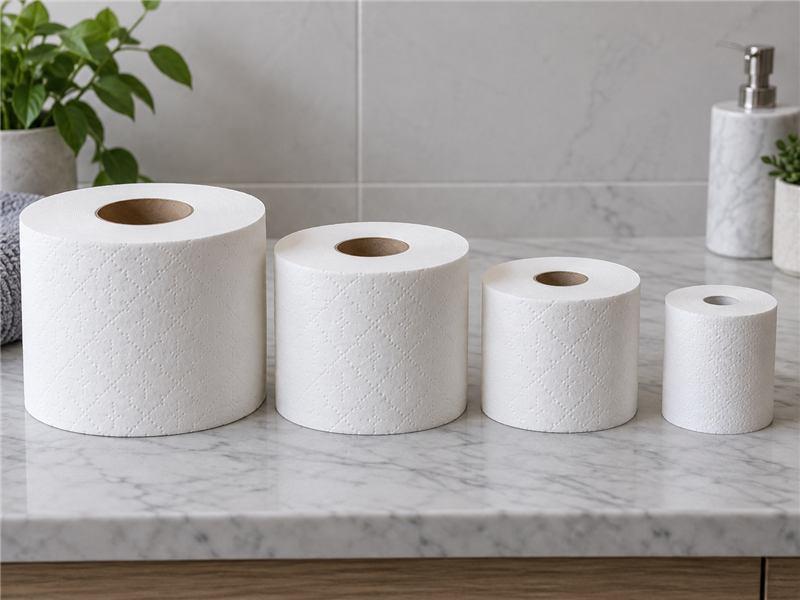
If individual roll wrapping is specified downstream of DB-R500 rewinding, check its incoming roll requirements. Inspect roll shape and presentation during a coordinated configuration trial.

 Tel: +8613908196540
 Email: info@doubletissuemachine.com
 MP/WhatsApp: +8613908196540
 Manufacturer Address:Dongguan, Guangdong, China



No reviews yet.