Facial Tissues for Hospitals & Clinics: A Reliable Hygiene Supply for Medical Facilities
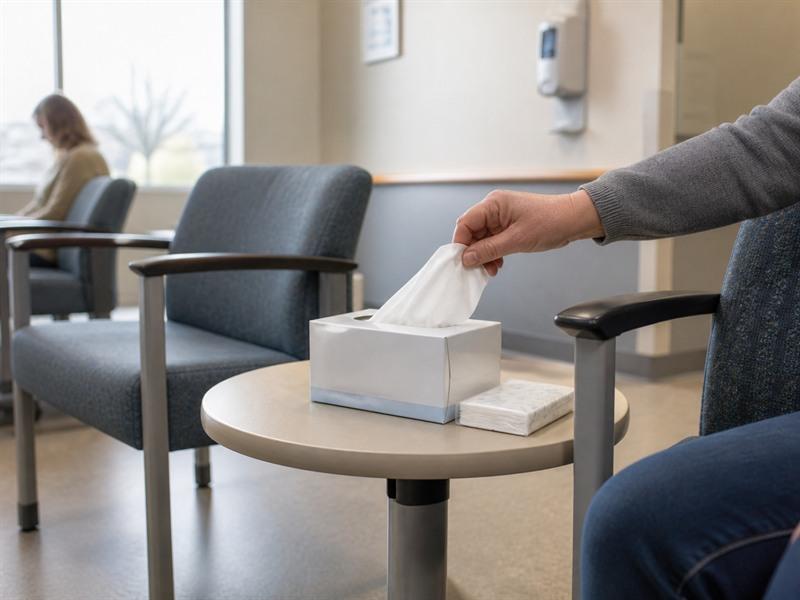
Hospitals, clinics, pharmacies, and medical waiting rooms require a steady supply of soft, absorbent facial tissues for patient care, examination procedures, and daily hygiene. The demand is not only for comfort but also for dependable quality that supports infection control and professional presentation.
Project Background
Medical facilities face a unique set of requirements when sourcing facial tissue products. Unlike general retail use, these environments need consistent product quality, reliable supply chains, and packaging that fits the workflow of busy clinical staff. The purchasing decision often involves procurement teams, facility managers, and clinical staff who prioritize both patient comfort and operational efficiency.
Key Requirements for Medical-Grade Tissue Supply
|
Requirement
|
Typical Consideration for Medical Facilities
|
|
Softness & Absorbency
|
Patient comfort during examinations, post-procedure care, and daily use
|
|
Product Format
|
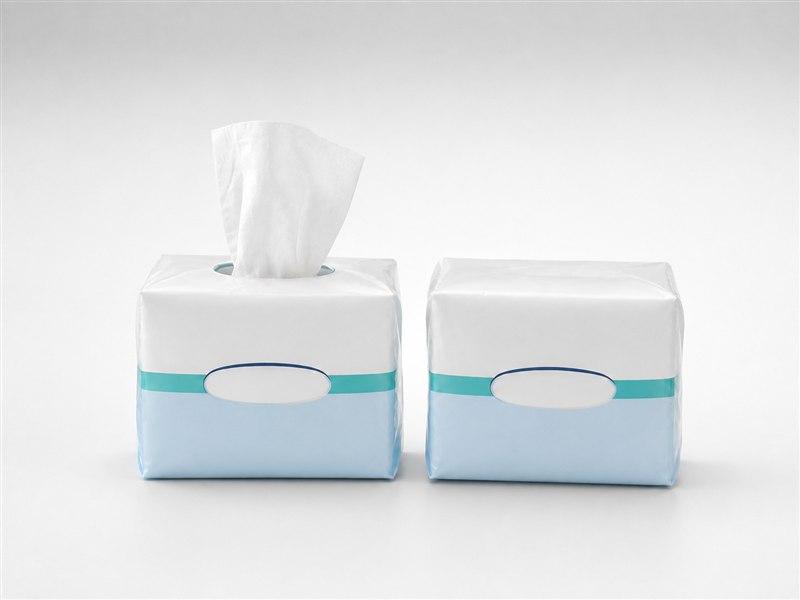
Interfolded facial tissues, flat pack, or boxed formats depending on dispenser type
|
|
Packaging
|
Bulk packs for storage rooms, individual boxes for patient rooms and waiting areas
|
|
Supply Reliability
|
Consistent quality across batches and dependable delivery scheduling
|
|
Hygiene Standards
|
Clean manufacturing process and appropriate packaging protection
|
Solution Approach
For medical facilities evaluating tissue supply options, the production equipment behind the product matters as much as the tissue itself. A facial tissue production line that delivers consistent sheet count, accurate folding, and reliable packaging helps ensure that every box meets the same standard—an important factor when supplies are ordered in volume for multiple departments or facilities.
The selection of a converting line should be based on the finished tissue format, target output per shift, parent-roll specifications, and the packaging method that fits the facility's distribution plan. Whether the requirement is for interfolded facial tissues, flat-packed sheets, or boxed products, the equipment configuration must match the intended end-use.
Matching Equipment to Medical Supply Requirements
For buyers planning tissue production for the medical sector, the key is matching the machine configuration to the actual product specification. Factors such as sheet size, fold type, count per pack, and packaging style all influence the choice of converting equipment. A clear understanding of these parameters before equipment selection helps avoid costly adjustments later.
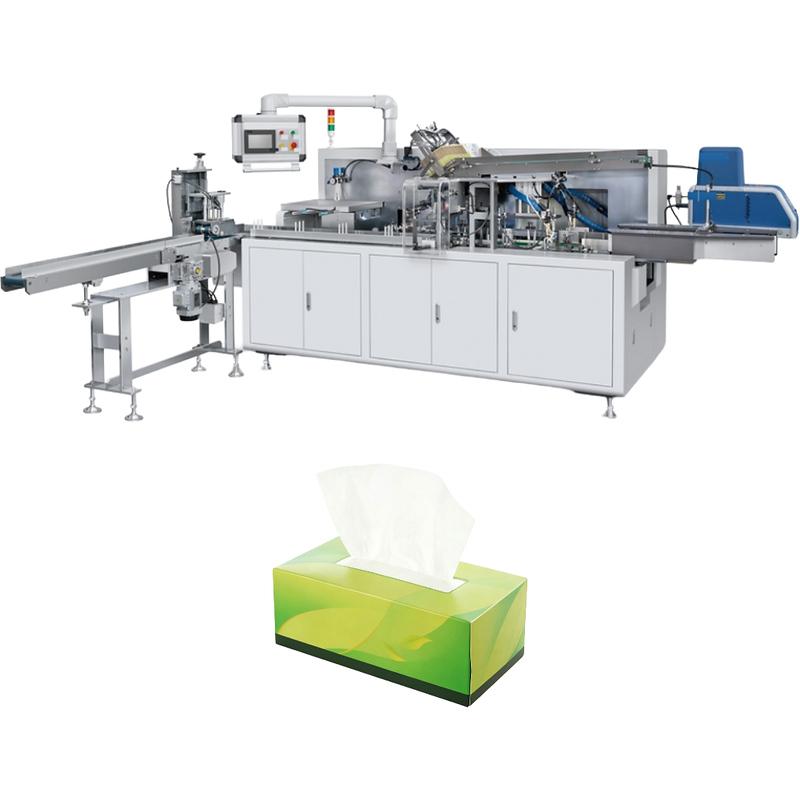
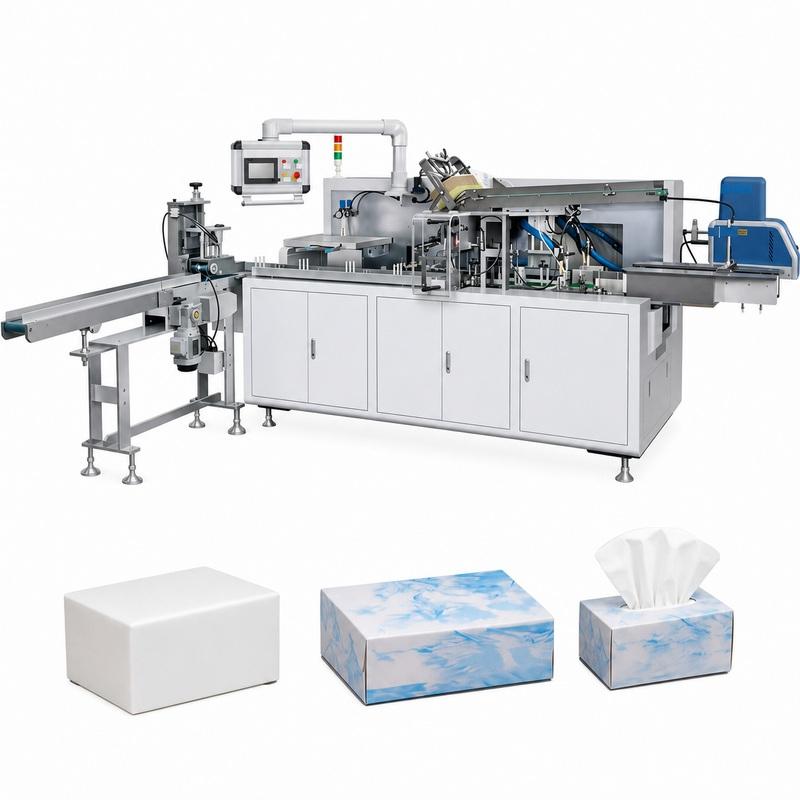
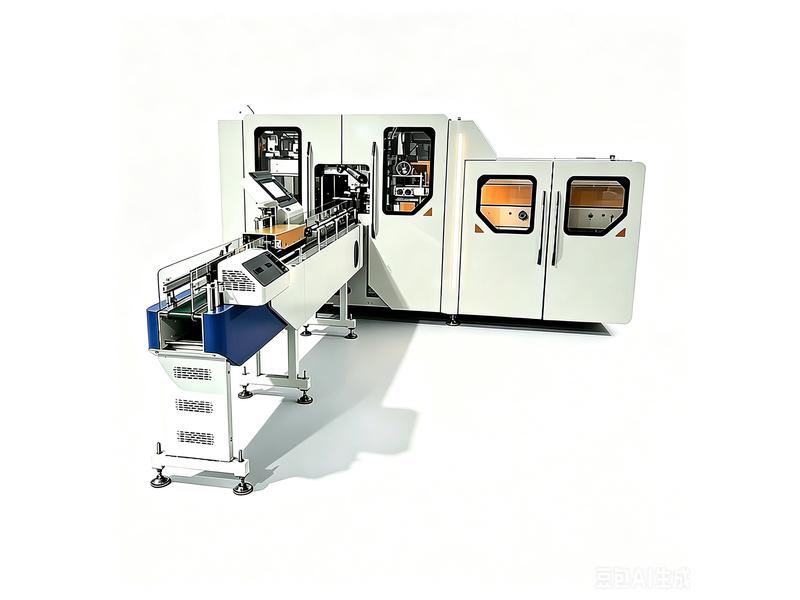
Facilities that distribute to hospitals and clinics often need flexibility in pack sizes—from small boxes for bedside use to bulk packs for central supply rooms. This requirement points to the importance of a production line that can handle format changes efficiently without compromising output stability. For boxed facial tissue formats, machines such as the DB-BF-100B Automatic Facial Tissue Box Packing Machine or the DB-BF-150B High-Speed Automatic Facial Tissue Box Packing Machine can be considered depending on the required output level. For soft-pack or bundle formats, the DB-IF-180P Automatic Facial Tissue Soft Packing Machine offers a relevant configuration option.
Buyer Takeaway
When planning tissue supply for hospitals, clinics, or pharmacies, define the finished product format first—sheet size, fold type, pack count, and packaging style. Then match the converting line to those specifications. This approach ensures the production equipment supports the quality and consistency that medical environments demand.
Plan Your Tissue Production for Medical Supply
If you are evaluating facial tissue production for the medical sector, share your finished tissue format, target output, parent-roll condition, available factory layout, and packaging requirements. This information helps determine the most suitable machine configuration for your project.
For a broader view of available converting equipment, you may also review the Tissue Paper Machine Catalog to compare production options.





 Tel: +86 139 0819 6540
 Email: info@doubletissuemachine.com
 MP/WhatsApp: +86 139 0819 6540
 Manufacturer Address:Dongguan, Guangdong, China