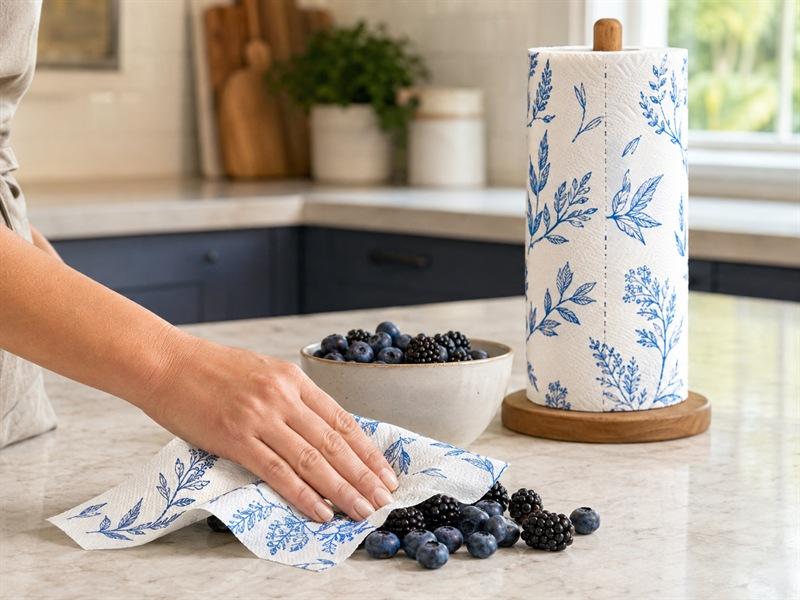
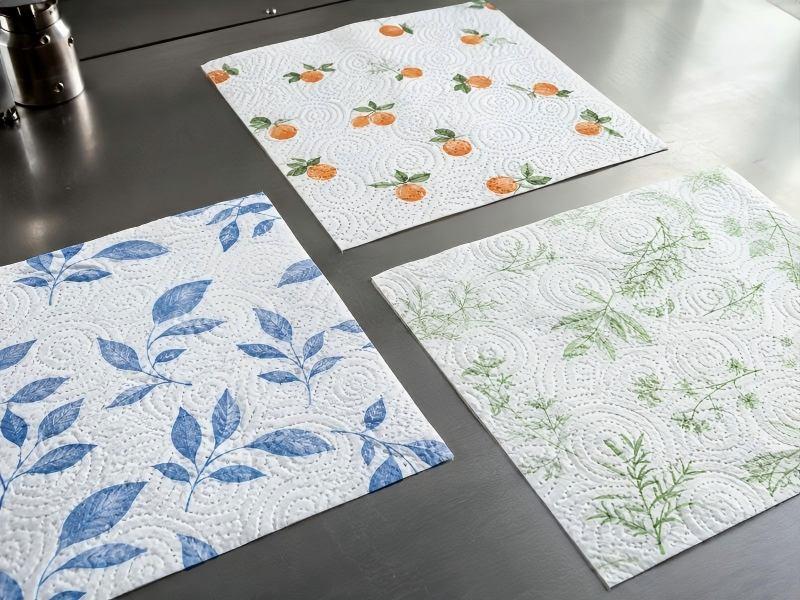
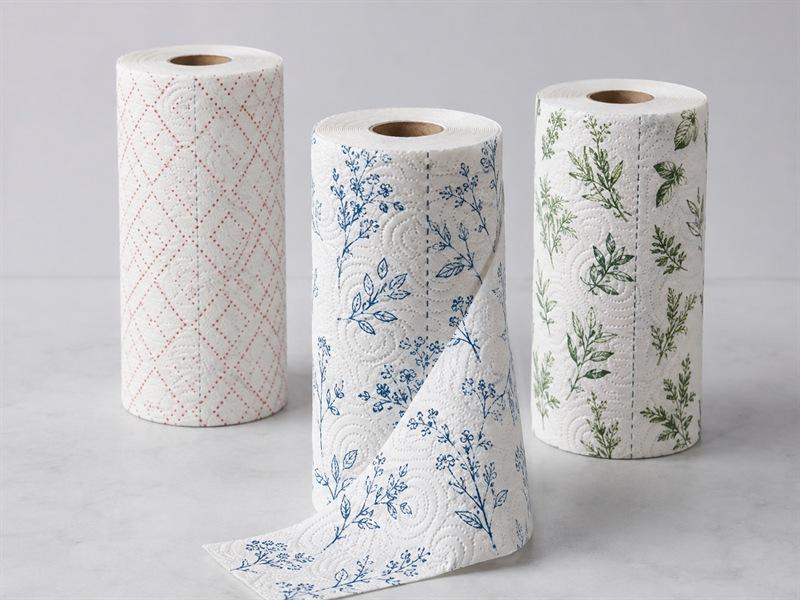
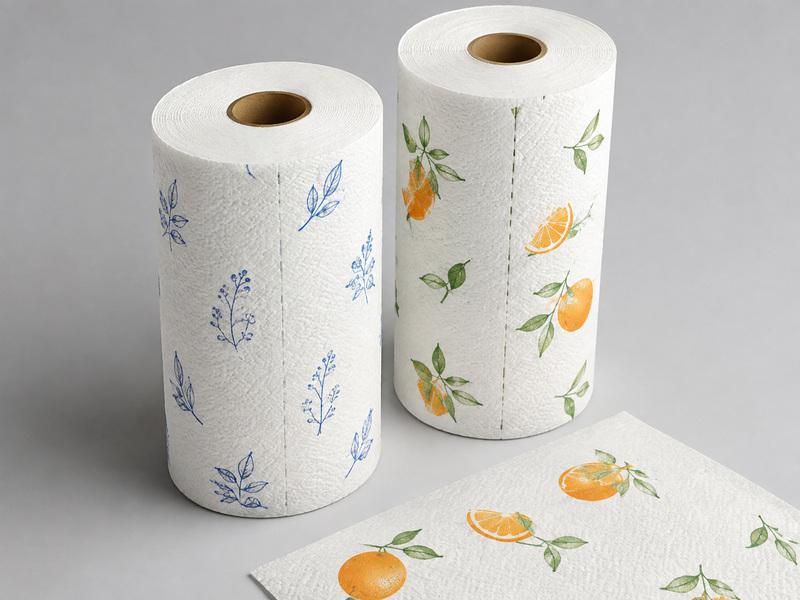
Printed kitchen towel rolls combine practical wiping performance with decorative or private-label visual design. Printed elements may include simple patterns, botanical designs, geometric graphics, or other brand-specific artwork. Printing requirements must be confirmed together with the tissue grade, embossing pattern, ply structure, and packaging design.
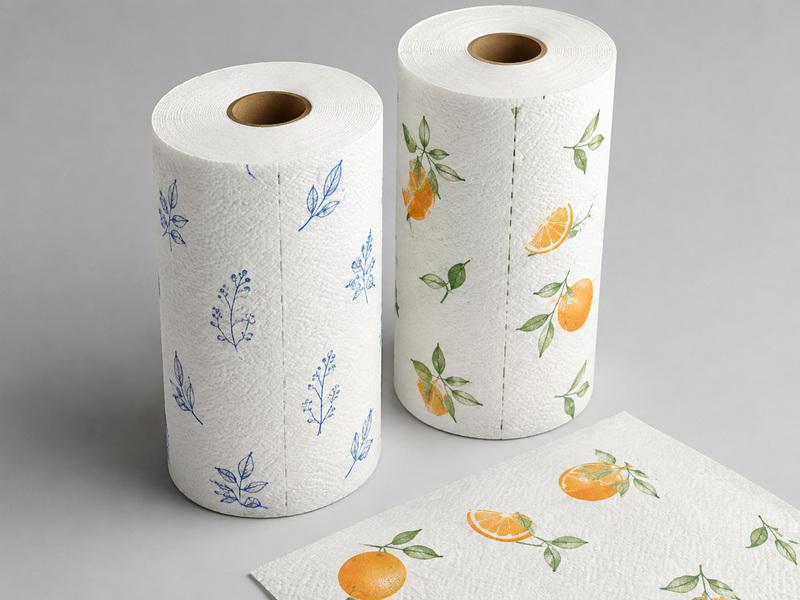
Project Background and Application Context
This application guide is relevant for household tissue converters, private-label brand owners, and retail packaging programs evaluating printed kitchen towel production. The configuration logic applies to converting lines where the finished roll must carry one- or two-color printed designs without compromising converting stability or final product quality.
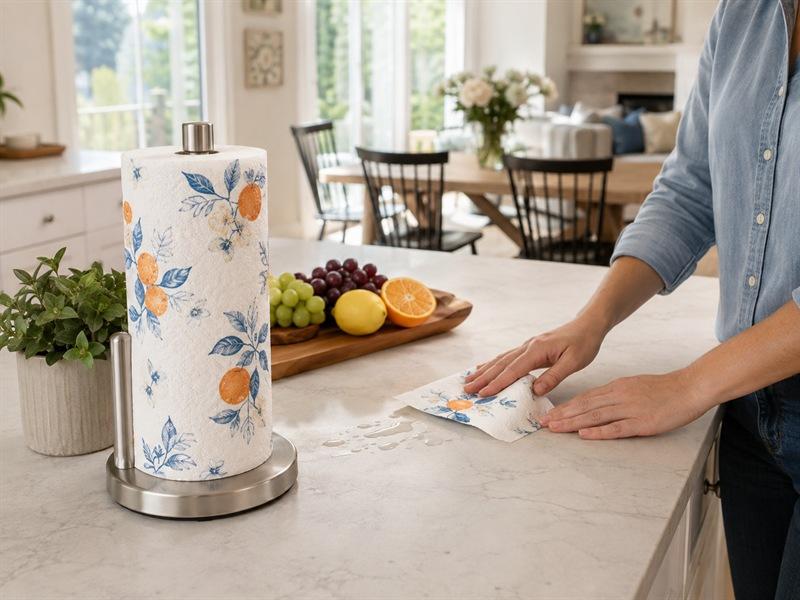
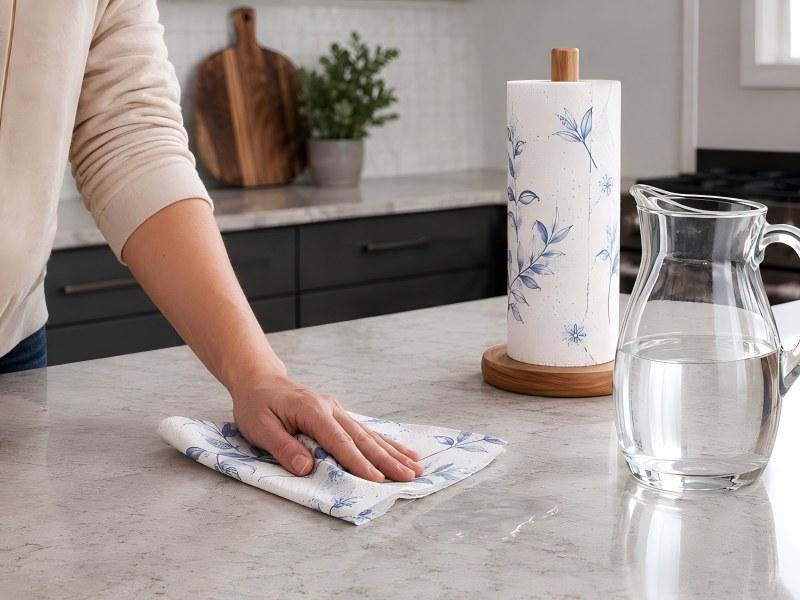
Printed kitchen towels may be developed for household retail programs, seasonal packaging programs, private-label brands, decorative kitchen products, or promotional product ranges. The printing step must be planned together with the tissue grade, embossing pattern, ply structure, and packaging design so that the finished roll meets both visual and functional requirements.
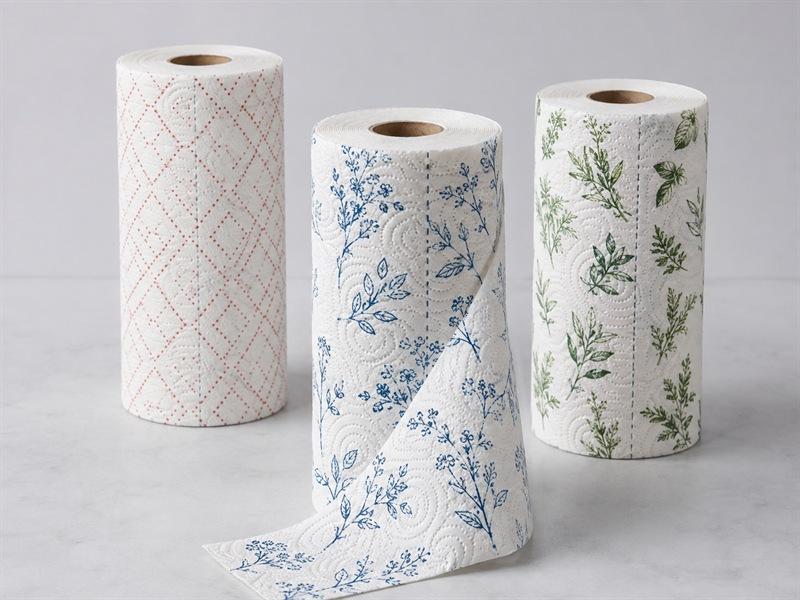
Common Printed Formats
Printed kitchen towels may be offered as economy, standard, or premium products. Product variables include:
-
One- or two-color printing
-
Tissue ply and basis weight
-
Embossing pattern
-
Glue lamination
-
Roll width and diameter
-
Sheet length
-
Core specification
-
Retail packaging format
Printing should not interfere with the required converting stability or finished-product quality. The selected printing configuration must be compatible with the parent-roll condition, the target production speed, and the downstream rewinding and cutting process.
DB-R300 and DB-R500 Printing Configurations
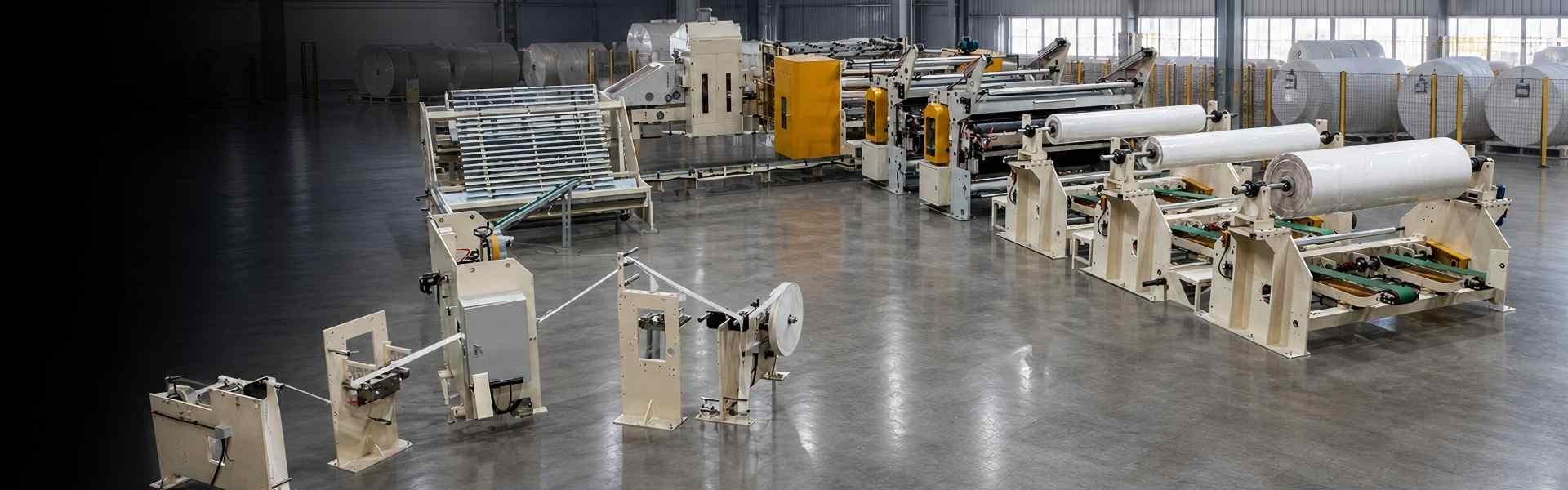
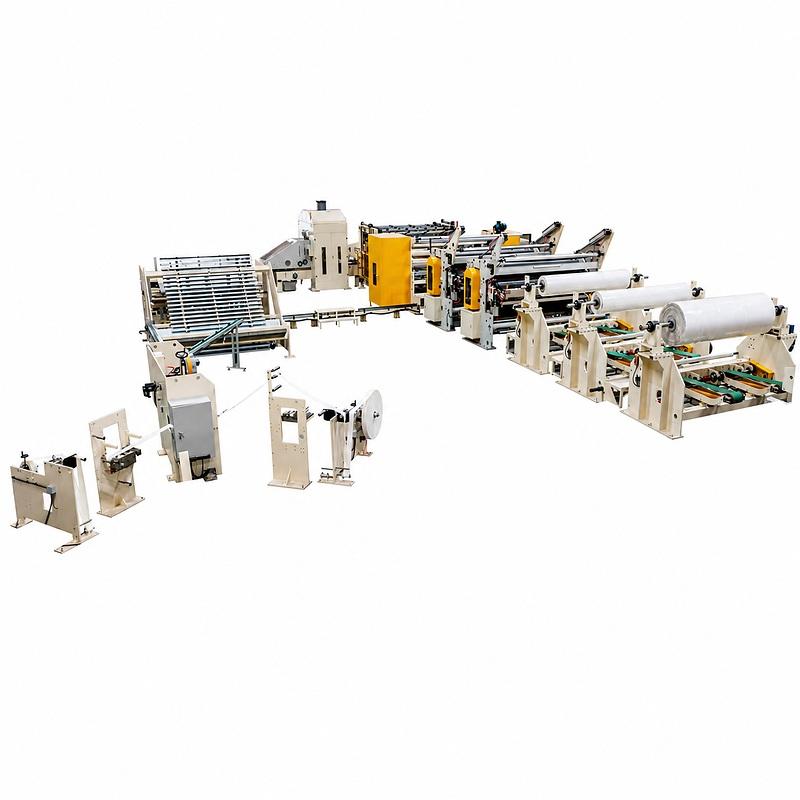
The DB-R300 and DB-R500 rewinder lines can be supplied with optional one- or two-color printing systems. Printing is not automatically included in every machine. It must be selected during line configuration and matched to the paper, printing design, target speed, and downstream process.
Model No.: DB-R300
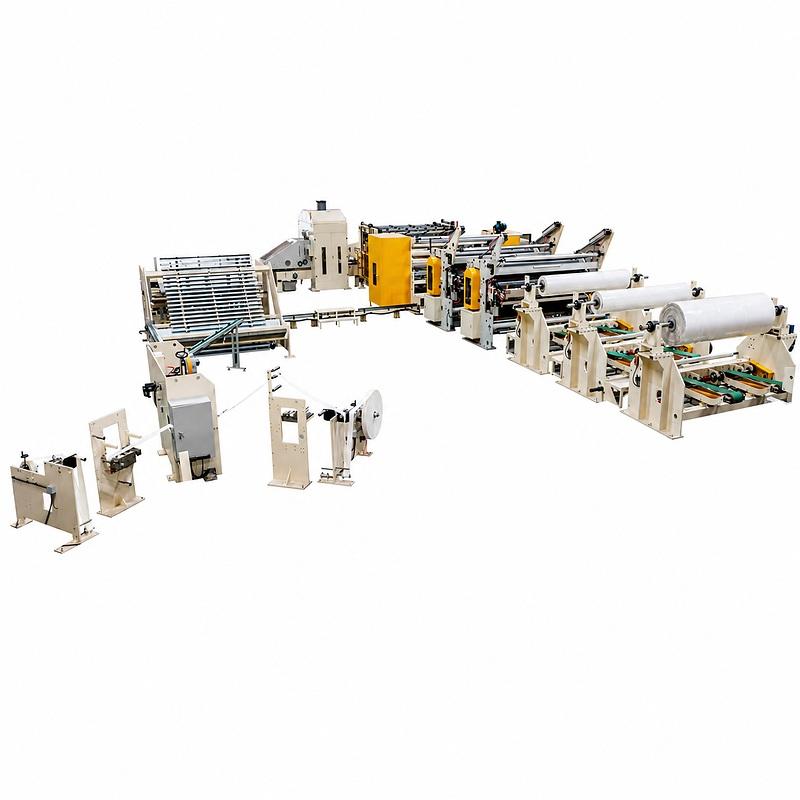
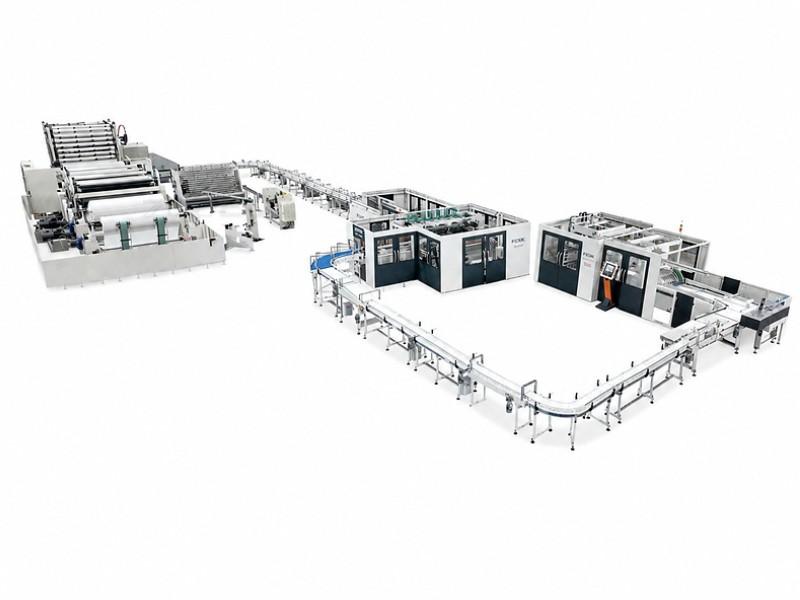
Model No.: DB-R500
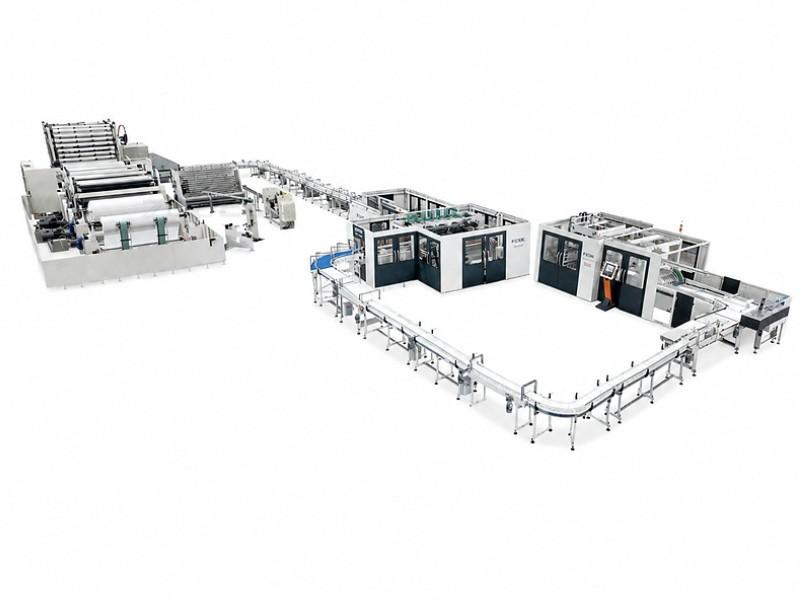
Production Flow
The converting sequence for printed kitchen towel rolls follows this flow:
Parent-Roll Feeding → Optional One- or Two-Color Printing → Embossing or Lamination → Perforation and Non-Stop Rewinding → Log Transfer → Log-Saw Cutting → Finished-Roll Conveying → Retail Packaging
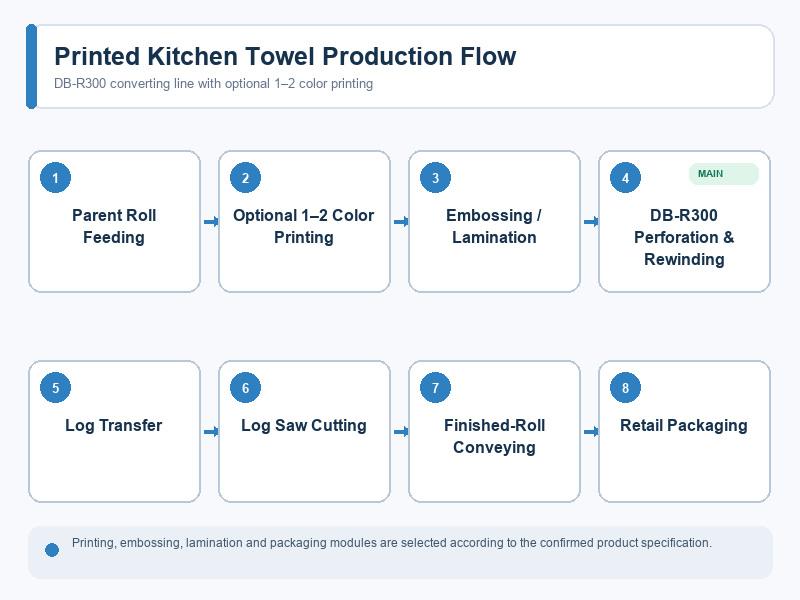
Buyer Takeaway
When planning a printed kitchen towel line, confirm the printing design, color count, tissue grade, embossing pattern, ply structure, roll format, and packaging requirement before finalizing the machine configuration. The DB-R300 and DB-R500 lines can be arranged with optional printing to match the intended product program.
For a more detailed review of the rewinder options, see the DB-R300 Kitchen Towel Non-Stop Rewinder Line. For a broader view of the converting sequence, the Kitchen Towel Production Solution explains how printing, embossing, rewinding, cutting, and packing are coordinated in one line plan.
Request a Line Proposal
Contact DOUBLE Machinery for a printed kitchen towel line proposal. Please share the finished roll format, sheet length, target output, parent-roll specification, printing design and color count, available floor layout, voltage and utilities, downstream packing requirement, and automation level so that the line configuration can be matched to your project.




 Tel: +86 139 0819 6540
 Email: info@doubletissuemachine.com
 MP/WhatsApp: +86 139 0819 6540
 Manufacturer Address:Dongguan, Guangdong, China