Embossed Kitchen Towel Roll Patterns and Finished-Product Options
Embossed kitchen towel rolls feature raised and recessed surface patterns formed in the tissue web. Embossing provides a recognizable product appearance and can influence the perceived texture and bulk of the finished sheet.
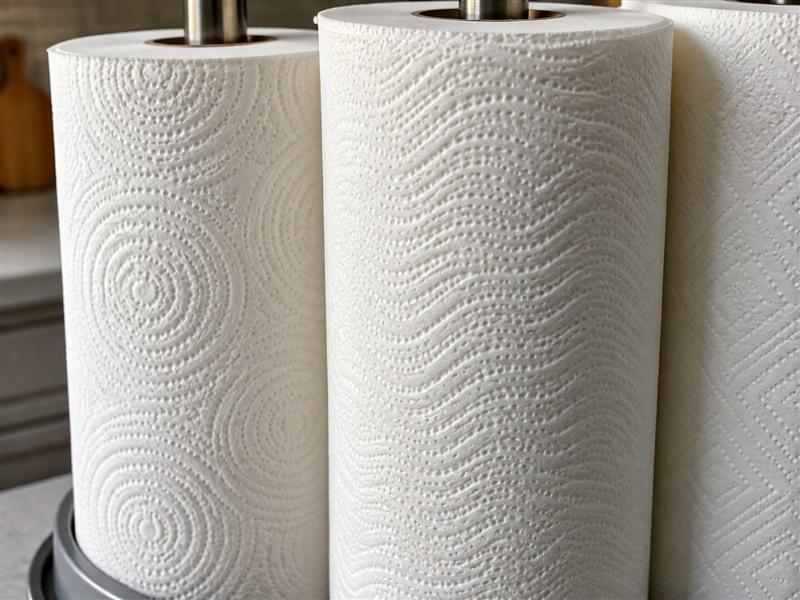
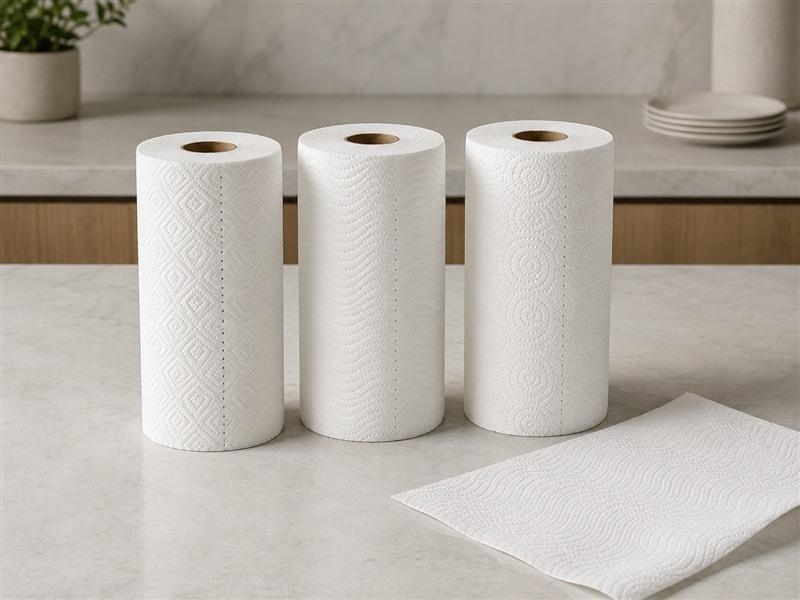
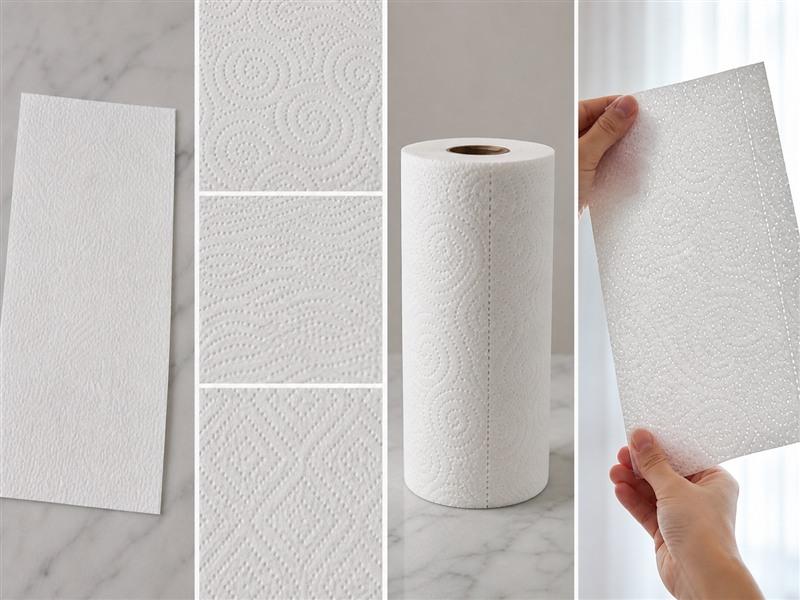
Kitchen towel embossing may range from simple micro-dot or geometric patterns to waves, circles, leaves, and private-label decorative designs. The appropriate pattern depends on the tissue properties, intended market, finished-roll dimensions, and required visual positioning.
This article concerns the appearance and finished-product options of embossed kitchen towels. Glue bonding and adhesive control are covered separately in the glue-laminated kitchen towel article.
Common Embossing Pattern Options
Kitchen towel embossing patterns may include:
Micro-dot patterns
Diamond or geometric patterns
Wave patterns
Circular patterns
Leaf and floral patterns
Brand-specific decorative designs
Edge embossing
Full-width embossing
A pattern selected for a soft, lightweight tissue may not produce the same result on a stronger or heavier paper grade. Embossing depth, roller pressure, and paper moisture can influence pattern definition.
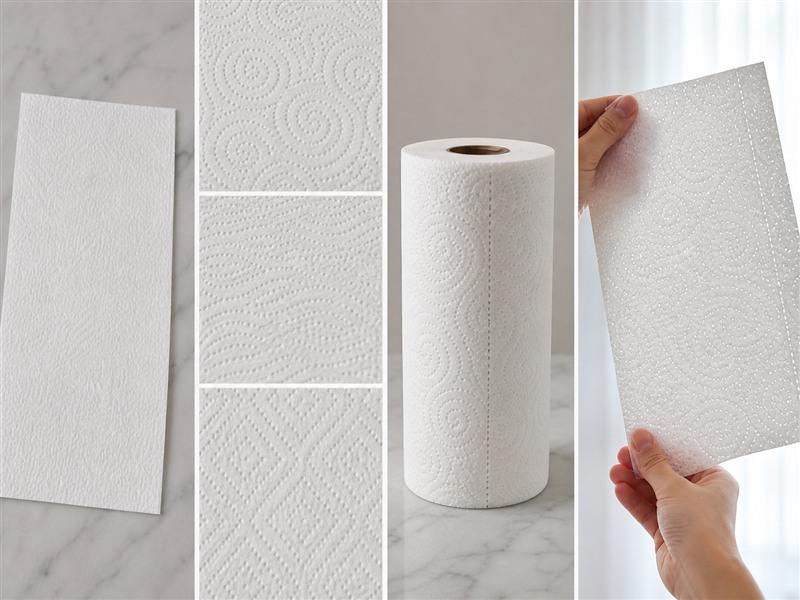
The finished product should be evaluated by inspecting an actual paper sample rather than relying only on the embossing roller drawing.
Product Appearance and Texture
Embossing can help distinguish one finished kitchen towel range from another. The pattern may create a fuller visual appearance, add surface texture, and support private-label product differentiation.
Important finished-product factors include:
Pattern clarity
Consistency across the roll
Tissue softness and flexibility
Sheet thickness
Paper strength after embossing
Perforation quality
Roll firmness
Finished-roll dimensions
Core alignment
Packaging presentation
An embossed pattern should not cut through or excessively weaken the tissue. It should also remain consistent after perforation, rewinding, log cutting, and packaging.
Claims that a particular pattern produces a defined percentage increase in absorbency or strength require supporting test data.
Embossed Kitchen Towel Product Ranges
Embossed kitchen towel rolls can be developed for different retail and commercial programs.
Possible product ranges include:
Practical household kitchen towels
Decorative retail kitchen rolls
Private-label kitchen towel products
Higher-bulk kitchen towel rolls
Recycled-fiber embossed kitchen towels
Printed and embossed kitchen towels
Selected commercial kitchen towel products
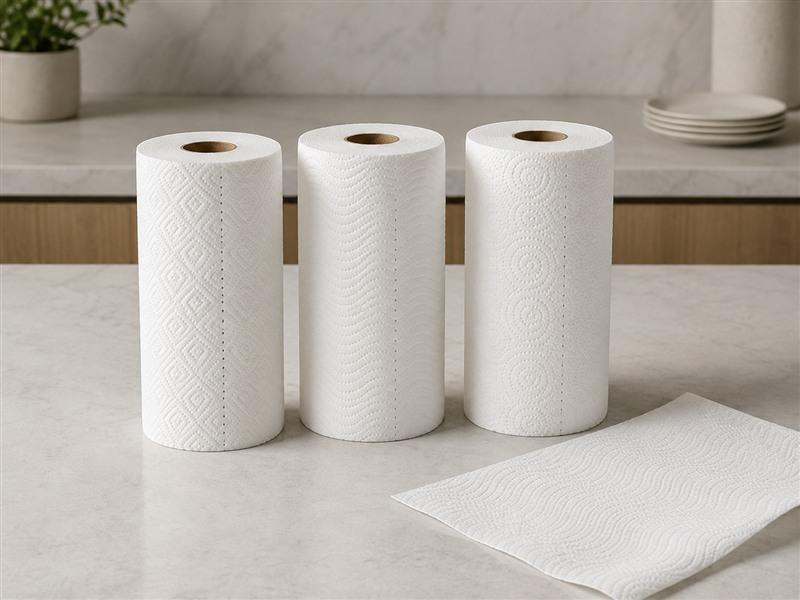
A natural-color or off-white recycled-fiber roll may use a simpler embossing pattern. A white retail product may use a more defined decorative texture. These are product-development options rather than fixed rules.
Packaging may include individual roll wrapping, twin packs, or larger retail multipacks, depending on the downstream packaging configuration.
Household and Commercial Applications
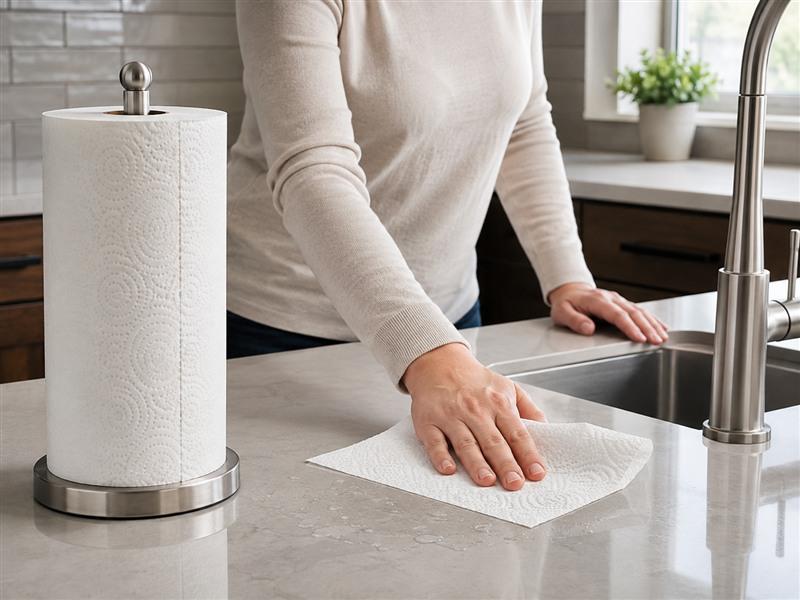
Embossed kitchen towels may be used for:
Absorbing small kitchen spills
Wiping worktops
Cleaning around sinks
Wiping cooktops after they have cooled
General household surface cleaning
Selected foodservice cleaning tasks
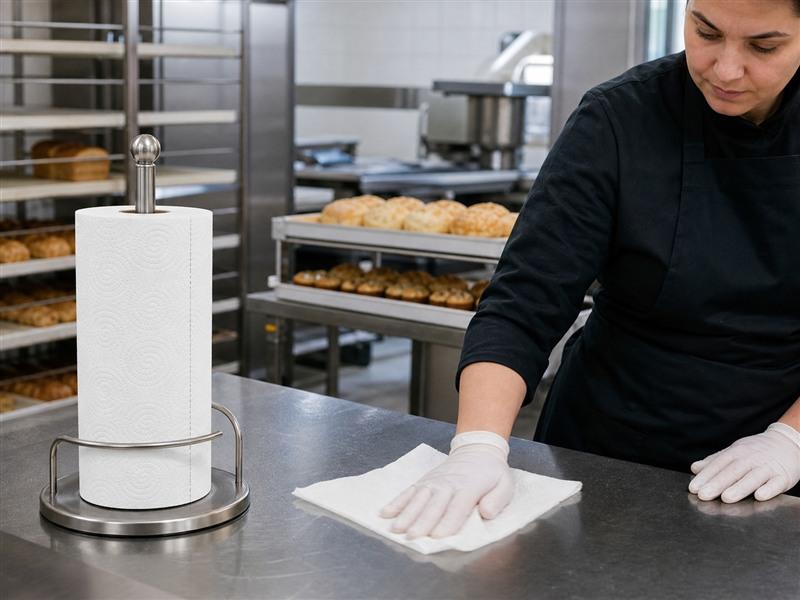
The application photograph should show a complete, realistically sized sheet being used correctly. Hands, plates, trays, and other objects must be properly supported.
No food-contact, antibacterial, or hygiene-performance claim should be made without the required supporting evidence.
Embossing Quality Inspection
A finished embossed kitchen towel should be checked for:
Clear and repeatable pattern definition
Even embossing across the paper width
No tissue punctures caused by excessive pressure
No flattened or missing pattern areas
Consistent sheet flexibility
Proper perforation
Stable roll diameter and firmness
Clean roll edges
Correct sheet count
Acceptable packaging appearance
Embossing should remain visually distinct from perforation. Decorative micro-dots must not be drawn as repeated cutting lines across the entire roll.
The roll face should show only one genuine point-perforation line at the sheet boundary. The remaining surface markings should clearly read as embossing.
How Embossed Kitchen Towel Rolls Are Produced
A typical production sequence is:
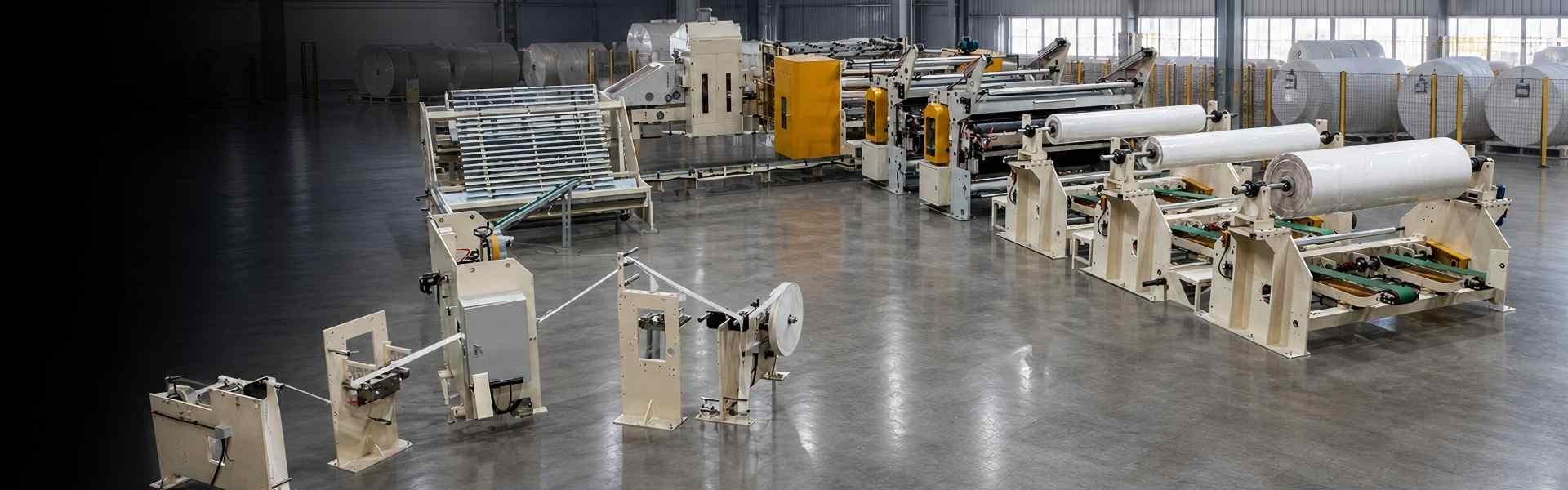
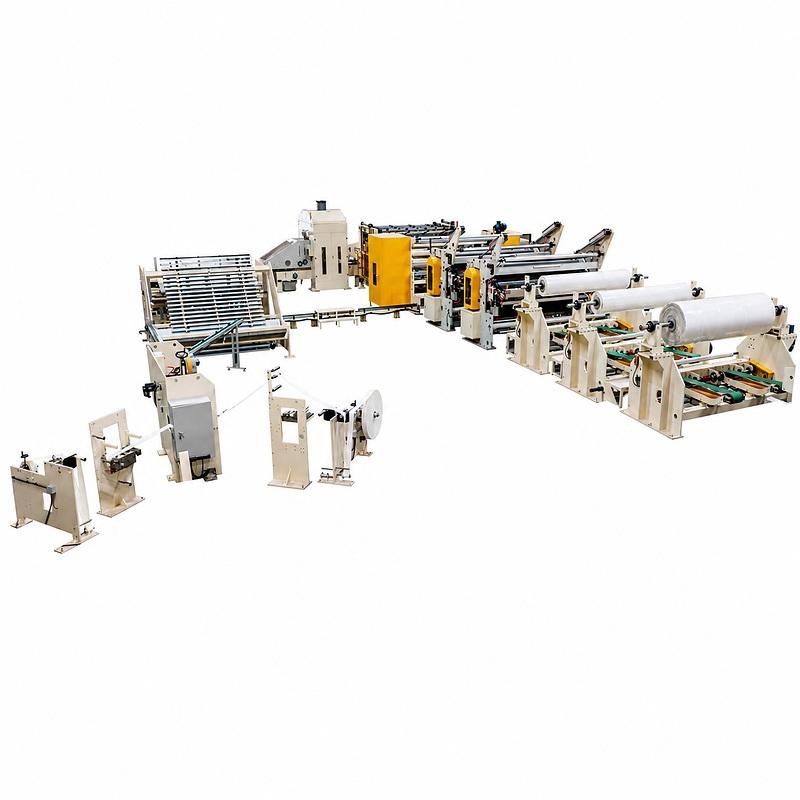
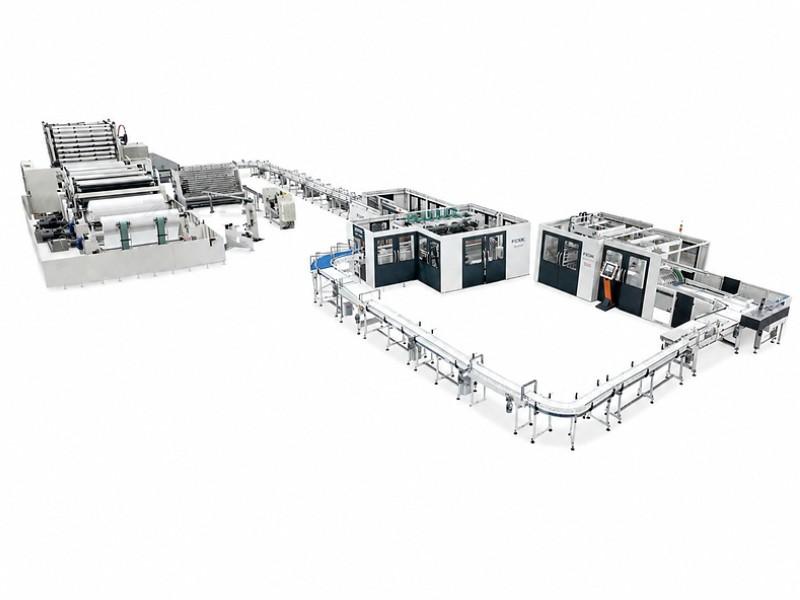
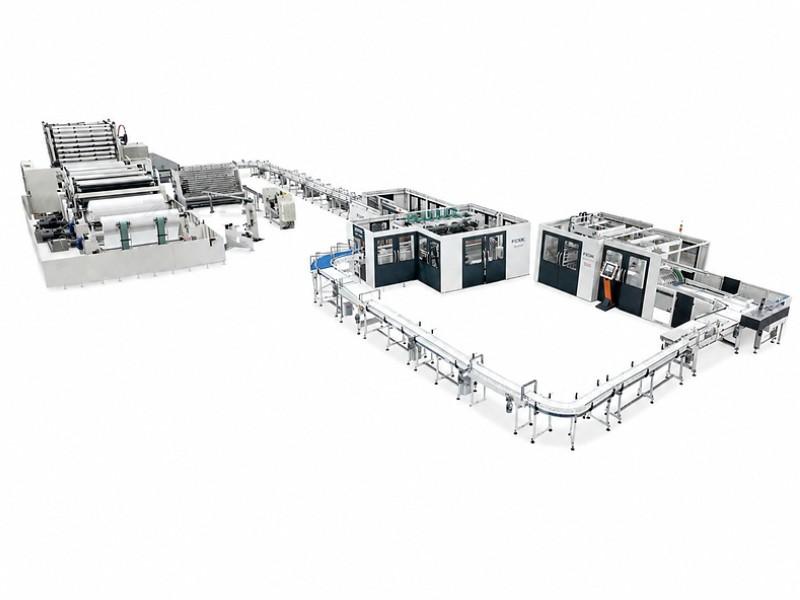
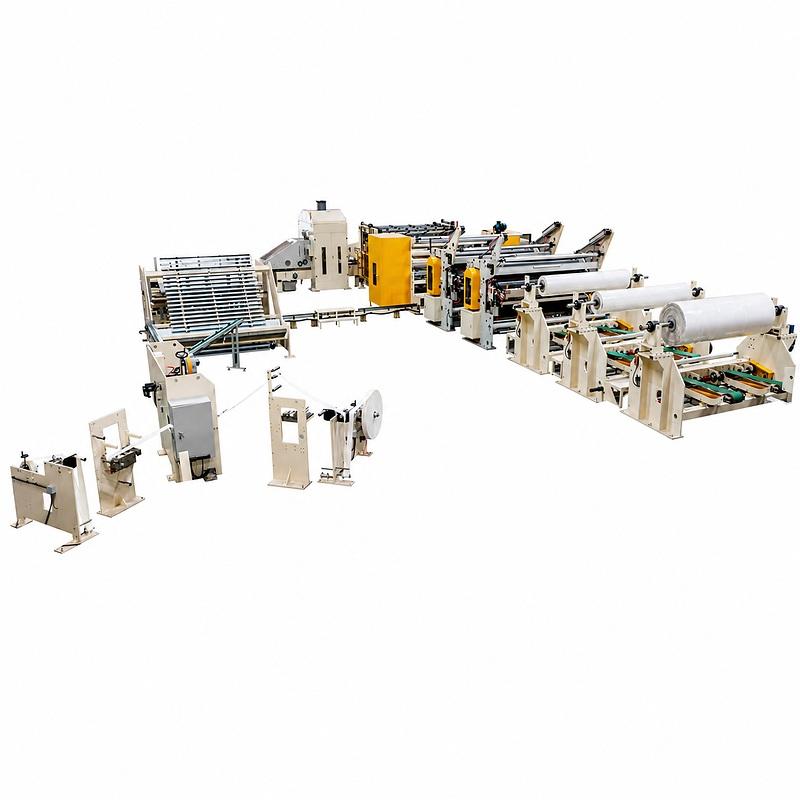
Parent-Tissue Feeding → Web Alignment and Tension Control → Embossing → Optional Ply Combining → Perforation → Rewinding → Log Cutting → Finished-Roll Inspection → Packaging
The DOUBLE DB-R300 or DB-R500 may be selected as the main perforating and non-stop rewinding platform, depending on the confirmed product, parent-roll data, and target output.
The embossing arrangement must be confirmed separately. Possible engineering configurations may include steel-to-rubber or steel-to-steel embossing, subject to the actual machine specification and required product.
The rewinder produces long logs rather than individual retail rolls. A matched log saw and packaging system are required downstream.
Model No.: DB-R500
Model No.: DB-R300
Developing an Embossed Kitchen Towel Product
Before recommending a converting configuration, buyers should confirm:
Tissue grade and color
Basis weight and number of plies
Parent-roll dimensions
Embossing reference or drawing
Finished-roll width and diameter
Core or coreless requirement
Sheet length and sheet count
Required roll firmness
Packaging format
Target output
Finished-product approval criteria
A reference roll or physical paper sample is particularly useful when developing a customized embossing pattern.
DOUBLE Machinery can assess the required finished product and recommend a corresponding embossing, rewinding, cutting, and packaging arrangement.
To evaluate an embossed kitchen towel project, please share the finished roll format, sheet size and count, parent-roll specification, target output, and available factory layout. DOUBLE Machinery will assess the converting arrangement accordingly.





 Tel: +86 139 0819 6540
 Email: info@doubletissuemachine.com
 MP/WhatsApp: +86 139 0819 6540
 Manufacturer Address:Dongguan, Guangdong, China