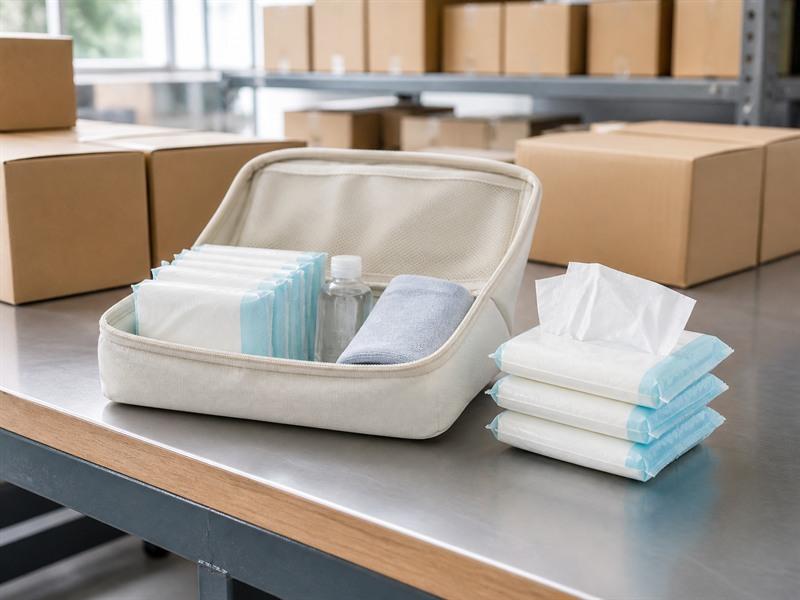
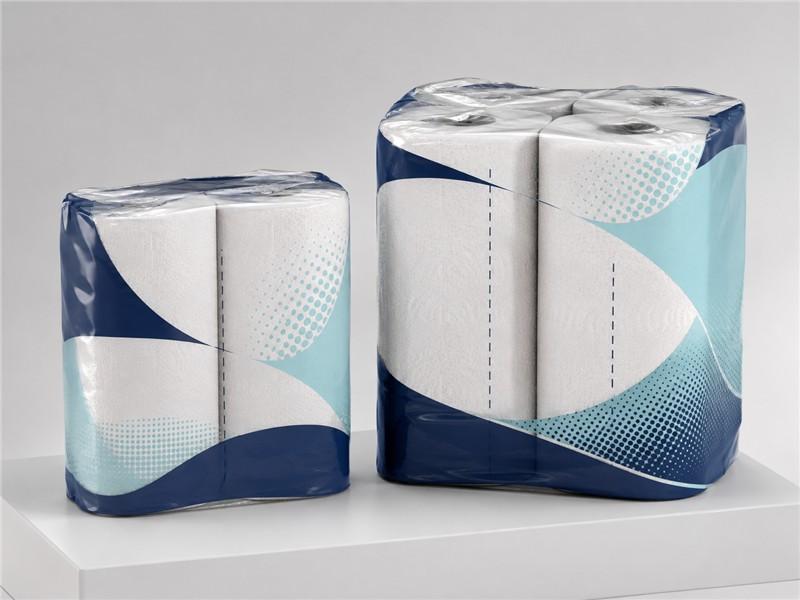
A shipping carton should be specified around the tissue packs it will contain and the journey it must complete. Soft packs, boxed tissues and wrapped rolls should each be evaluated in their actual packed condition. Start with representative products, a proposed case count and a description of handling from the packing area to the delivery point.
Confirm pack fit and the case pattern
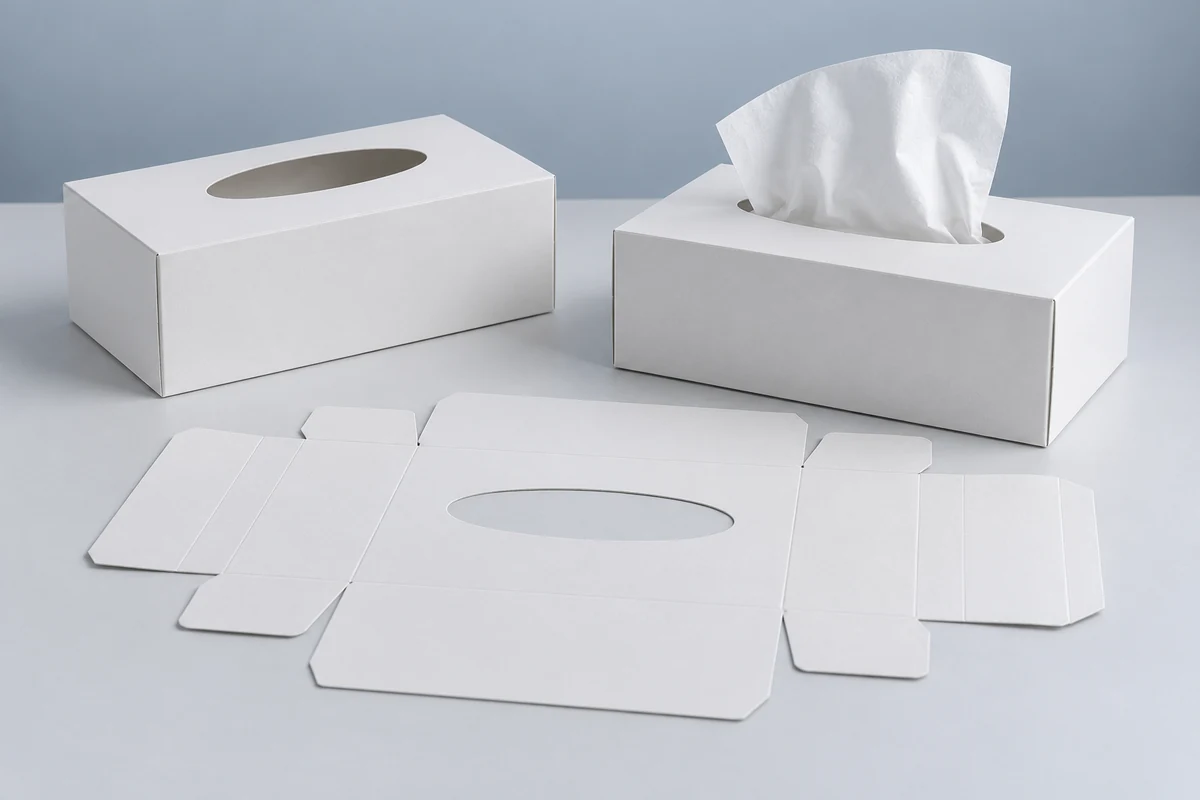
Record the outside dimensions of the finished retail packs and agree the number and arrangement per carton. Distinguish the carton's internal dimensions, which determine fit, from its external dimensions, which affect handling and pallet layout. Make a loaded sample before fixing the final drawing.
Inspect the packs after insertion and removal. Check whether the intended arrangement causes box distortion, damages printed surfaces or creates excessive movement. If dividers or pads are proposed, include them in the sample and specification rather than adding them informally after the trial.
Choose construction for the distribution route
Smurfit Westrock's corrugated packaging overview describes multiple constructions and custom formats for different supply chains. Ask your carton supplier to select and justify the proposed construction using the loaded case, stacking plan, storage conditions and handling route. Do not approve a board grade solely because the tissue packs are light.
Discuss how cases will be stacked, how long they may remain in storage and whether transport includes repeated handling. Request relevant supporting test results for the proposed loaded package. Agree the acceptance criteria with the supplier instead of inventing a universal strength value or assigning a shipping guarantee to an untested carton.
Trial packing, closure and pallet handling
Confirm whether cases are erected, filled and closed manually or with equipment. Test the actual carton format, flap arrangement and specified closure method. Where a case packer or sealer is used, check the machine's dimensional limits and retain the trial settings.
- Load cartons with the approved retail pack count and orientation.
- Inspect closures and pack condition after agreed handling tests.
- Verify the proposed pallet pattern using loaded cases.
- Check that labels and handling information remain visible.
Release a complete case specification
Keep the carton drawing, material reference, packing pattern, closure details and approved loaded sample together. Record any test conditions so that a later result can be compared fairly. Review the shipping carton when the retail pack changes, even if the nominal number of packs per case stays the same.
Share your finished tissue packs, intended case count and case-packing method with DOUBLE to discuss the packaging equipment interface and trial preparation.







 Tel: +86 139 0819 6540
 Email: info@doubletissuemachine.com
 MP/WhatsApp: +86 139 0819 6540
 Manufacturer Address:Dongguan, Guangdong, China