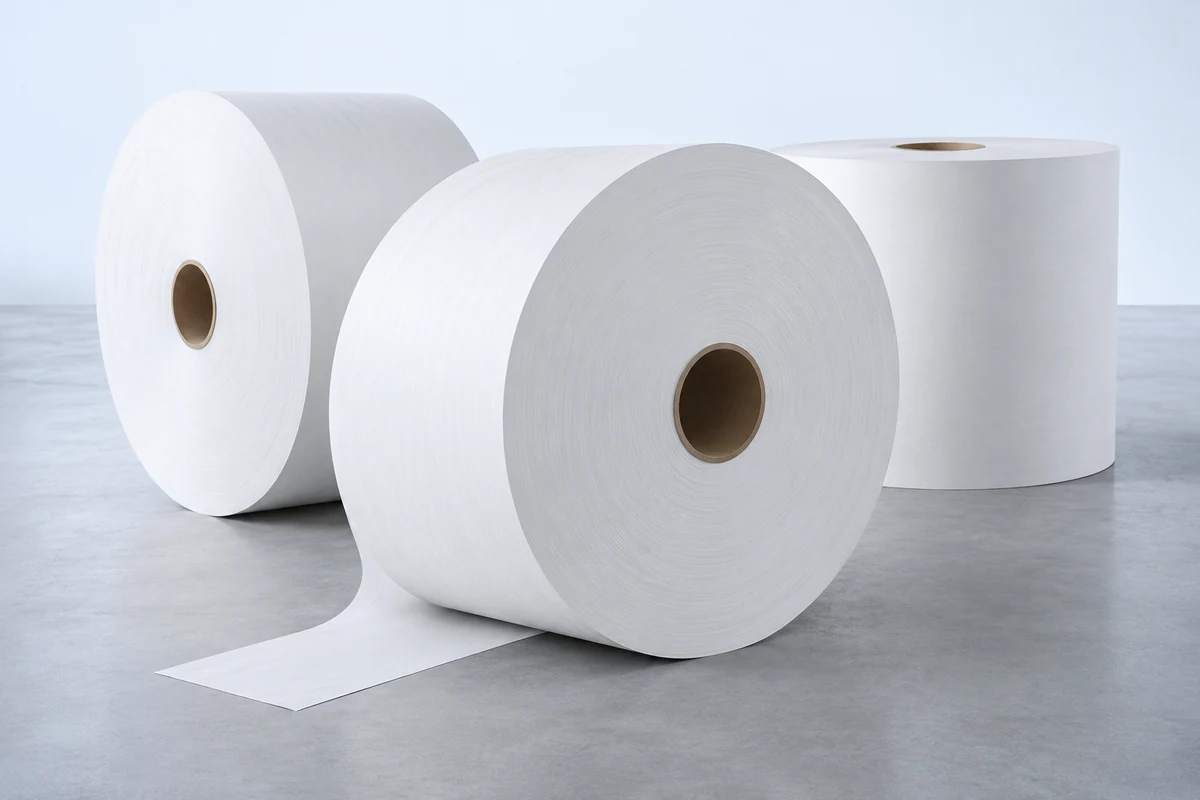
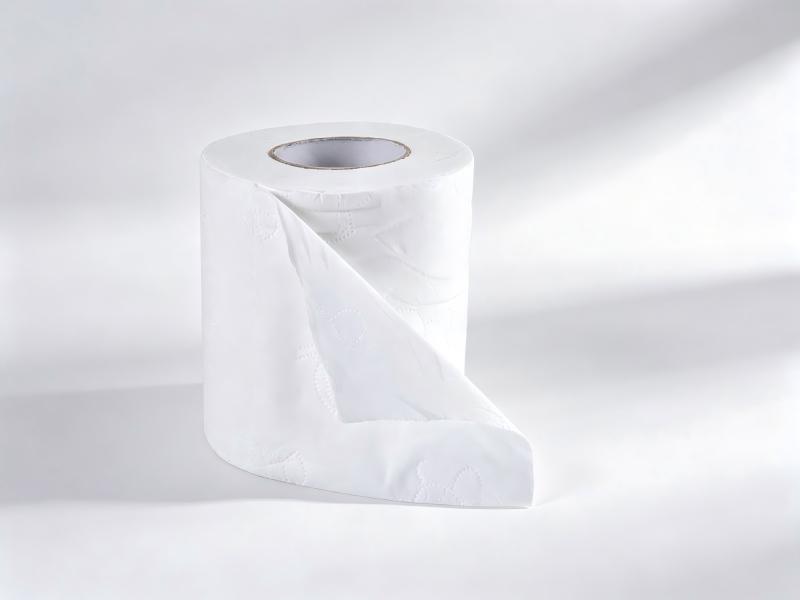
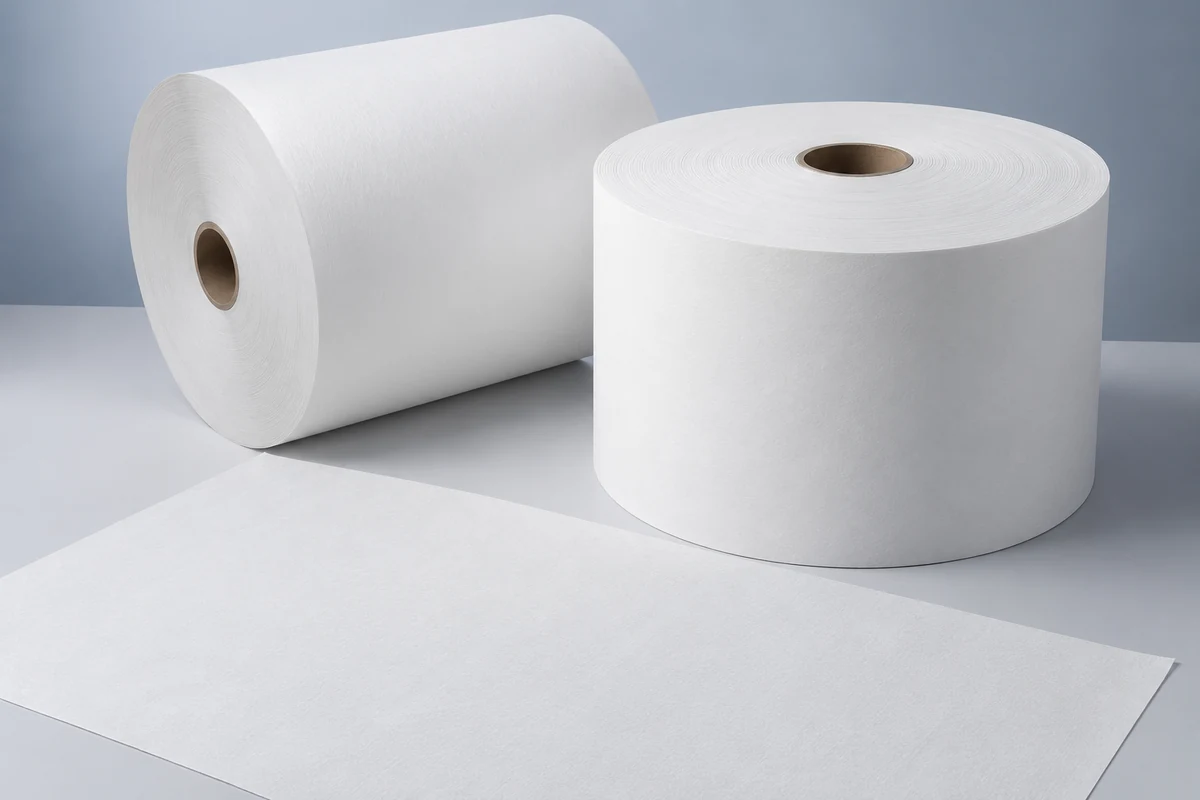
Toilet tissue parent roll selection should connect the paper supply specification with the roll that will leave the packing line. Start with an approved finished product sample and a drawing or checklist of its dimensions. A supplier's reel description is a starting point for evaluation, not a substitute for a trial on the intended rewinding equipment.
Build a brief around the finished roll
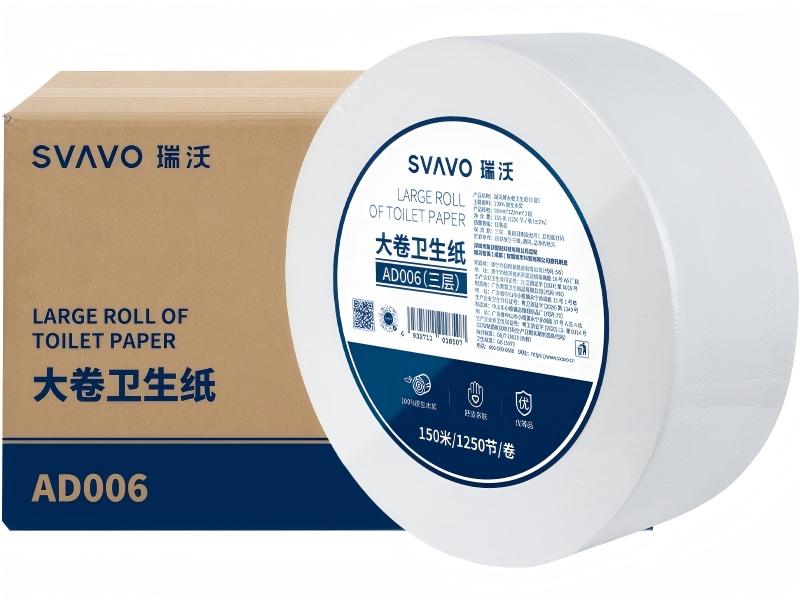
Record the required roll width, outside diameter, core format, ply arrangement and sheet or perforation pattern. If several retail formats are planned, identify them separately so that one trial result is not assumed to cover every product. Agree how paper feel, appearance, perforation separation and roll firmness will be compared with the reference sample.
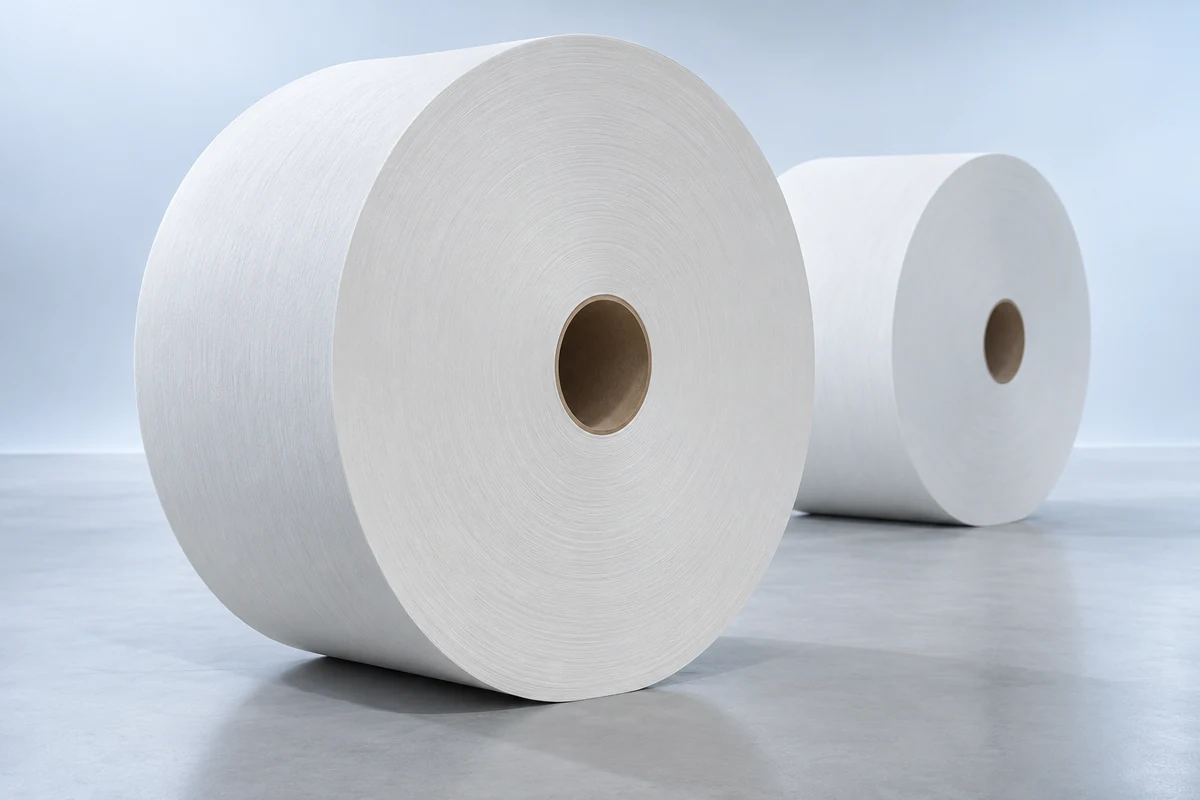
WEPA's jumbo roll information identifies toilet paper among parent roll applications and describes tailored specifications. Use that application-led approach when discussing candidate grades with your own paper supplier.
Confirm the reel fits the equipment
Check reel width, maximum outside diameter, core inside diameter and weight against the unwind stand and the available handling equipment. Confirm the number of feed webs, reel winding direction and splice identification. Ask the supplier to state the agreed tolerances and delivery protection for reel edges and cores.
Keep fibre composition, basis weight, grade reference and supplier test reports in the same material file. If recycled, virgin or blended fibre options are being compared, ask for actual samples of each proposed grade. Do not transfer the characteristics of one supplier's paper to another grade with a similar description.
Trial the whole converting sequence
The WEPA production overview distinguishes parent roll formation from subsequent converting steps such as embossing, perforating, winding and cutting. During your own trial, inspect the product after every operation used on the line rather than judging only the incoming paper.
- Record unwind behaviour and web breaks at the tested settings.
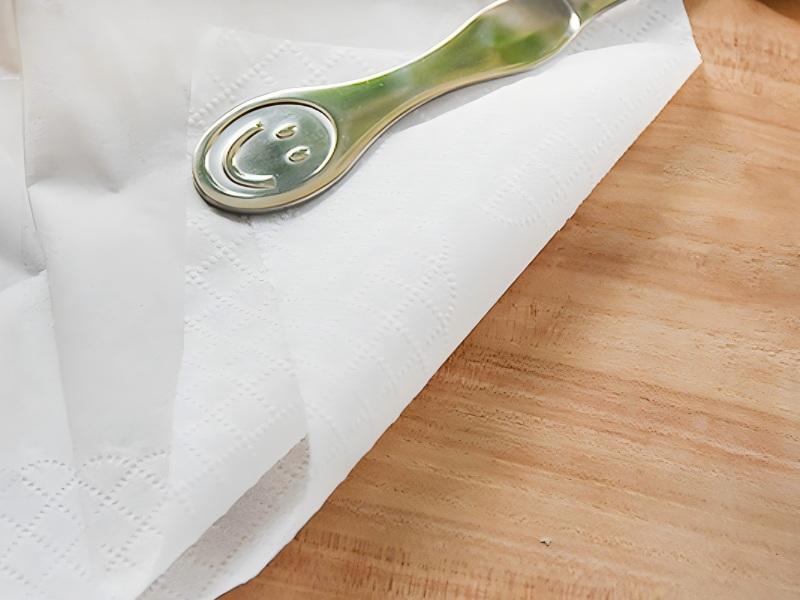
- Check the selected embossing and perforation result on finished sheets.
- Inspect log cutting, roll shape and transfer into the intended package.
- Keep trial speed and machine settings with the retained samples.
Set clear acceptance and change control
Agree written acceptance criteria with the paper supplier and the converting team. Obtain supporting product documentation for any intended claims, including disposal instructions; do not infer them from softness, fibre type or appearance. Recheck the finished product when the material grade or production configuration changes.
Share your target toilet roll sample, proposed parent roll details and rewinder model with DOUBLE to review the material-to-machine fit.





 Tel: +86 139 0819 6540
 Email: info@doubletissuemachine.com
 MP/WhatsApp: +86 139 0819 6540
 Manufacturer Address:Dongguan, Guangdong, China