A napkin specification needs an unfolded sheet, a finished folded shape and a drawing showing how one becomes the other. Giving only a size such as “260 mm” leaves the supplier to guess which dimension it describes. Begin with a physical sample, open it fully and mark both dimensions and the fold directions. Then identify the presentation required at packing. That small amount of preparation connects the product sold to the converting configuration being quoted, before optional embossing or output arrangements complicate the discussion.
Open the sample before naming the format
Place the napkin flat without pulling it out of shape. Mark one edge as the reference and record the unfolded length and width against that orientation. Then refold it as supplied and record the two finished dimensions. Photograph both states with the same sample identifier. If the napkin has a border, printed artwork or a particular visible face, mark those details on the drawing as well. A loose photograph without orientation can be interpreted in more than one way.
Do not treat a fold fraction as a complete dimensional specification. A quarter fold describes an arrangement, but the drawing establishes the resulting shape and the sequence of folds. Rectangular and square sheets need not produce the same finished presentation. Similarly, the number printed on a machine model is not a substitute for an approved product drawing. Ask the supplier to return a marked drawing showing the proposed unfolded sheet and finished folded sample.
The input is parent paper; the order specification must describe the finished napkin that the converting setup will produce.
Keep three descriptions beside one another
Unfolded sheet
Record the length, width, paper grade and ply. Indicate the direction of any border or artwork and identify the sample used for approval. These describe the sheet before the folds conceal part of its surface.
Folded napkin
Record the finished footprint, fold direction and visible face. Show the edges that should align. Retain a folded reference sample so that a measurement cannot silently replace the intended presentation.
Pack presentation
Record the napkin orientation, sheets per pack and expected stack dimensions under a stated measuring method. These describe what the next handling or packing operation must receive.
These descriptions solve different problems. Two napkins can have the same folded footprint but different unfolded sheets. Two stacks of the same napkin can have different heights because their counts or measuring conditions differ. During quotation, keep the sample identifiers visible on all three descriptions. That lets a change to paper, fold or pack count be traced instead of being buried in a later email attachment.
Use the quarter-fold configuration as the reference
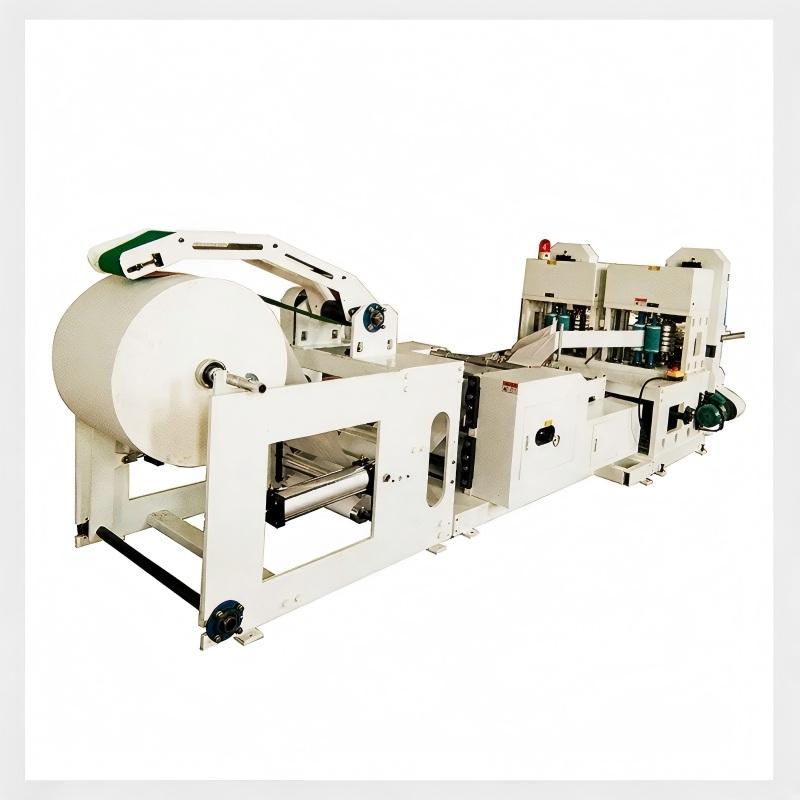
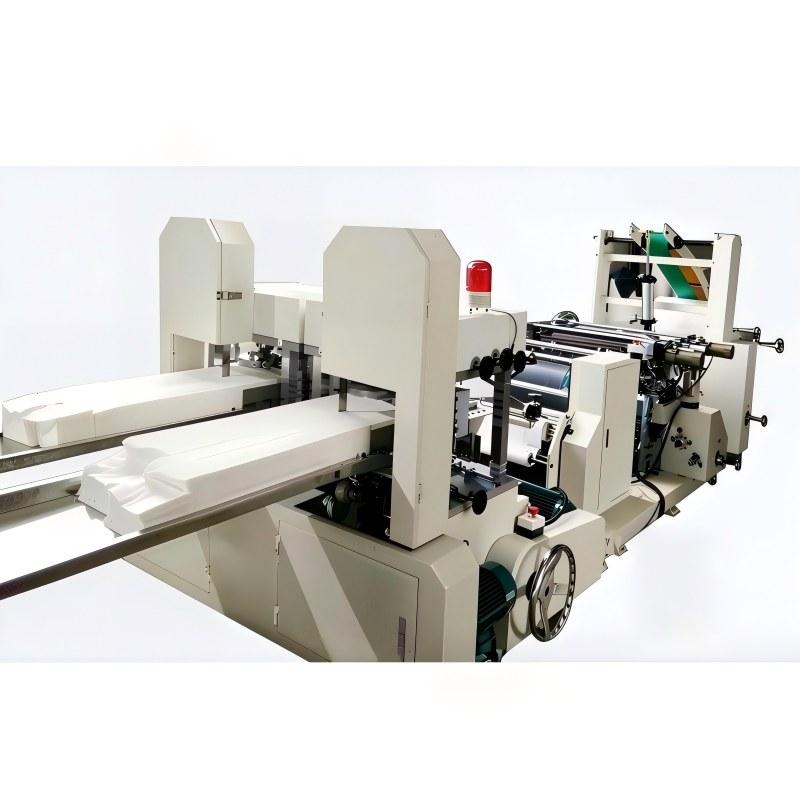
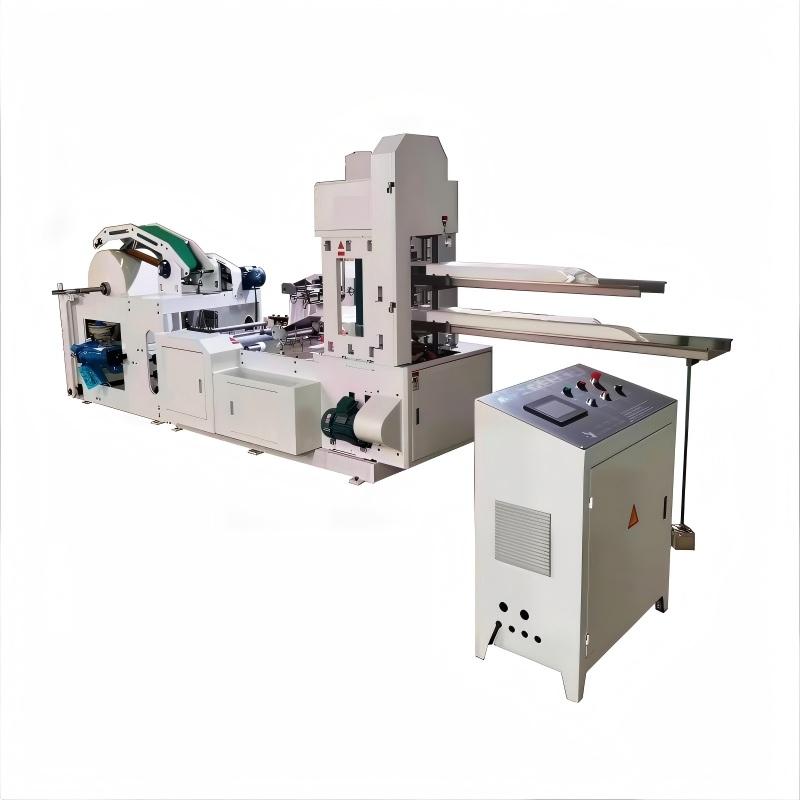
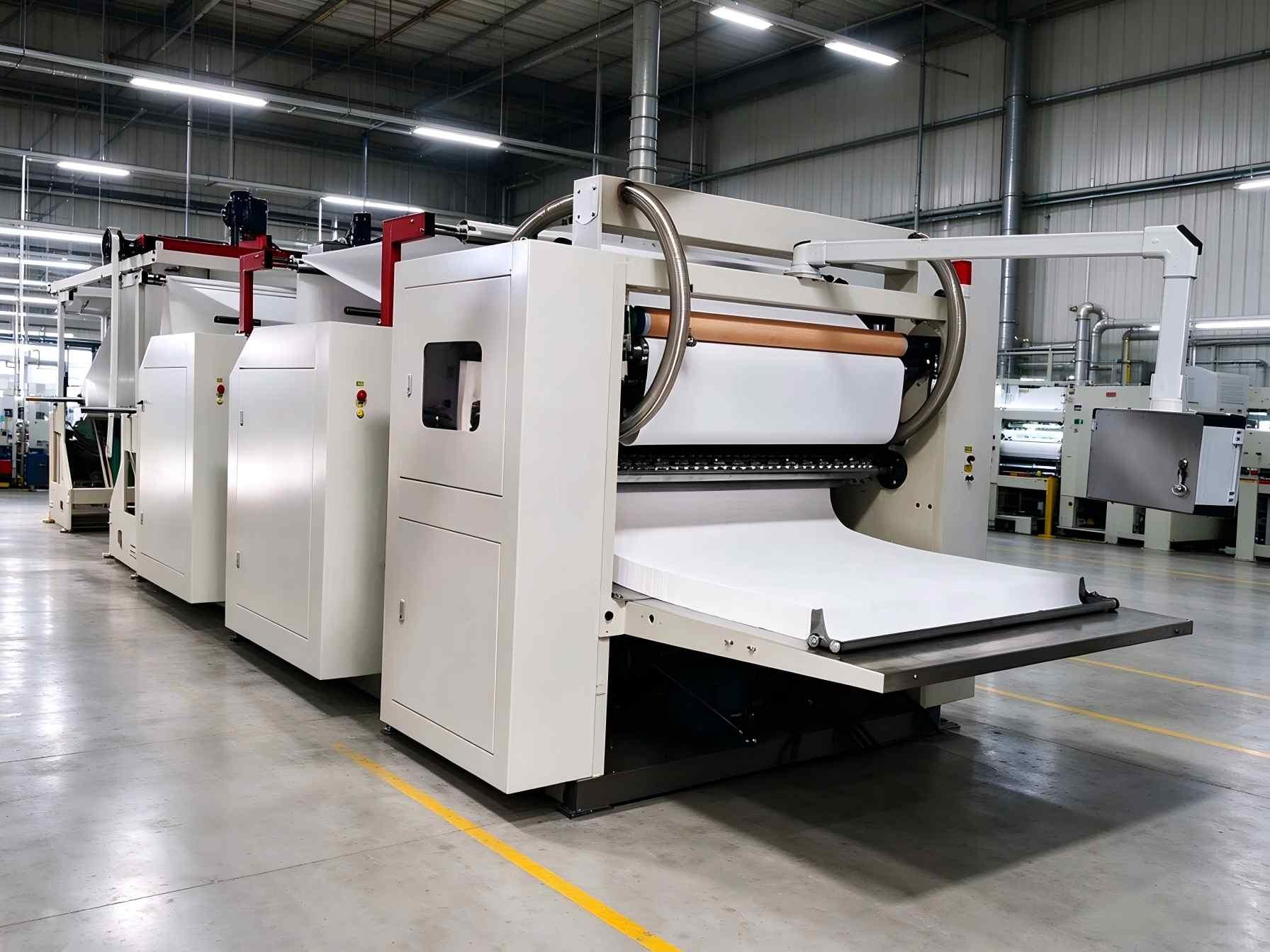
DOUBLE identifies the DB-NK-260 as an automatic napkin tissue machine for quarter-fold production. Its described process includes parent-roll feeding, embossing, folding, automatic counting and dual-deck output. The listing also describes customized sizes and other fold arrangements as options. An option is a matter for a confirmed proposal; it does not establish that every fold or dimension can be obtained from one unchanged machine setup.
For a quarter-fold enquiry, ask the supplier to show where the two folds lie on the supplied unfolded drawing. Check the finished corners and the intended open edges against the physical sample. If the target changes to a different fraction, request a fresh dimensional review and a clear account of which configuration changes. Avoid carrying over the original quarter-fold drawing while changing only the name of the finished product.
The DB-NK-260 napkin paper machine is the product reference for this discussion. Use its published configuration as a starting point, then request confirmation for the actual paper and sample. A quotation should identify the approved format and any separately selected options in terms the purchasing and production teams can both follow.
Put the embossing pattern on the drawing
Embossing is visible on the finished sheet but can be partly hidden after folding. Mark the desired patterned area, borders and blank areas on the unfolded drawing. Also show which portion should be visible on the folded napkin. A pattern that looks appropriate on an open sheet may have a different visual balance when only one panel is displayed. Review the open and folded samples together rather than approving them in separate conversations.
The DB-NK-260 product information lists steel-to-steel, steel-to-rubber and steel-to-wool embossing options. Those names describe configuration choices, not a universal result on all tissue grades. Select the intended paper and pattern for evaluation. If the pattern or paper changes later, review the finished sheet appearance and the folded stack again. Ask which tooling and adjustments belong to the supplied configuration, and which would be additional work.
Folded presentation and stack handling should be considered together when choosing the format.
Separate dimensional fit from paper behaviour
A correct folded size does not by itself prove that the selected paper will run or pack as intended. Record the paper basis weight, ply and parent-roll specification alongside the dimensions. When comparing samples, state whether they came from the same paper grade. Differences in texture, embossing or sheet construction can affect the way a stack settles. They should not be mistaken for a change in the fold drawing.
Measure stack height using an agreed method: define the sheet count, the support surface and whether any load is applied. Record the method with the result. Otherwise one person may measure a loose stack while another measures a compressed pack, producing figures that appear contradictory. For the receiving packer, supply the physical stack as well as the written measurements. Let the technical review establish the acceptable presentation range.
Trace the product out of the machine
The DB-NK-260 listing describes output-direction choices, including left or right and upper or lower arrangements. The chosen configuration should be shown on the factory layout. Mark the machine reference side on that drawing; “left output” has little meaning if the buyer and supplier are facing different ends. Include the location of the next operation so that the product does not need to be turned unnecessarily after leaving the folder.
Request a description of how counted napkins will be collected and transferred for the selected fold. The end of a counting cycle needs to be recognizable to the next handler. A folded stack also needs to retain its orientation. Where additional equipment is proposed, identify it separately from the napkin machine. A product photograph can show an arrangement, but the order drawing should state what the particular installation includes.
The final arrangement is confirmed on the order drawing, including the selected output direction and receiving operation.
Describe acceptable edges and panel alignment
Mark the edges that matter visually on the finished napkin. If the product requires aligned corners or a particular visible border, show the acceptable reference rather than using a general phrase such as “good folding.” Agree how dimensions will be measured and which variation is acceptable for the order. The buyer may have a retail presentation requirement that is not apparent from the unfolded size alone.
During sample review, open the napkin after examining it folded. This helps distinguish a fold-position difference from a difference in the cut sheet. Retain any sample that does not match the reference with a note identifying the observed condition. A corner misalignment should not automatically be called a cutting fault, nor should a size difference be attributed to folding without checking the open sheet. The physical comparison narrows the discussion.
List actual combinations for a product family
If several formats are intended, list each unfolded size, fold arrangement, paper specification and pack count as one combination. Separate limits for width, length and count can accidentally imply combinations that were never reviewed. Ask the supplier to mark which listed products share a setup and which require another configuration. Include any required change items in the proposal.
Select samples for the formats that create different folding or receiving conditions, rather than sending several visually similar mid-range products. If a proposed format remains unconfirmed, keep it outside the approved production list. This gives later additions a clear technical review point and avoids treating a customized fold option as evidence that the entire future range has already been accepted.
Return a sample set with the quotation
Ask for the approved unfolded drawing, the folded reference and the proposed output orientation to be returned as one set. Identify any difference between the requested sample and the quoted configuration. This is especially useful when a supplier offers a nearby size or an alternative fold: the purchasing team can see the difference before treating two quotations as equivalent.
At the later sample review, compare the open sheet first, the folded napkin second and the pack-ready stack last. Keep the same identifiers through all three checks. Record a dimensional issue separately from a paper, embossing or handling issue so that the corrective discussion stays specific. The result should be a product definition that can survive handover from sales to machine setup, with neither the model name nor a fold fraction left to carry the whole specification.



 Tel: +86 139 0819 6540
 Email: info@doubletissuemachine.com
 MP/WhatsApp: +86 139 0819 6540
 Manufacturer Address:Dongguan, Guangdong, China