A factory acceptance test for a tissue converting line should follow one agreed product across every supplied handoff. Folding, cutting and packing demonstrations performed with different samples cannot establish the result of the connected line. Define the tissue, sheet count and finished soft pack first; then agree what each section must receive and deliver. Keep the same sample identity and time record through the run. The test can then show where product is accepted, delayed or rejected, and whether the final pack meets the order conditions.
Mark the supplied line on a process drawing
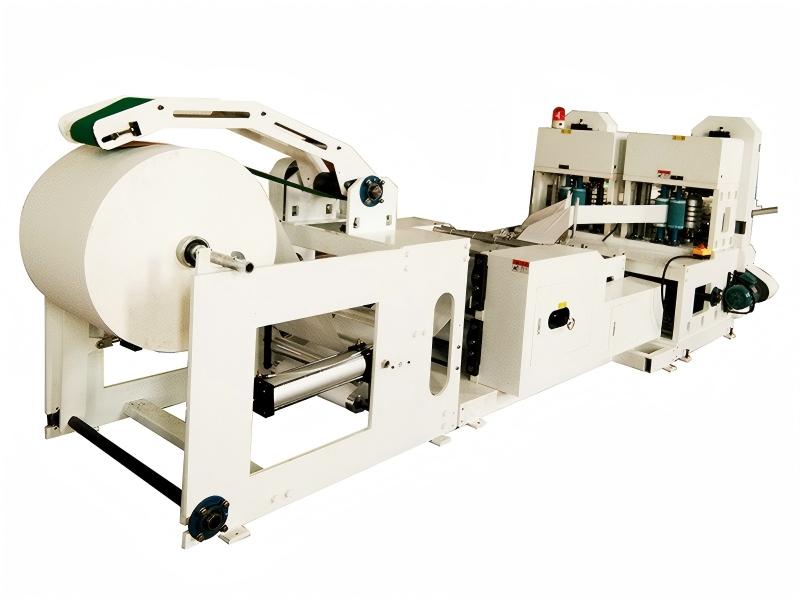
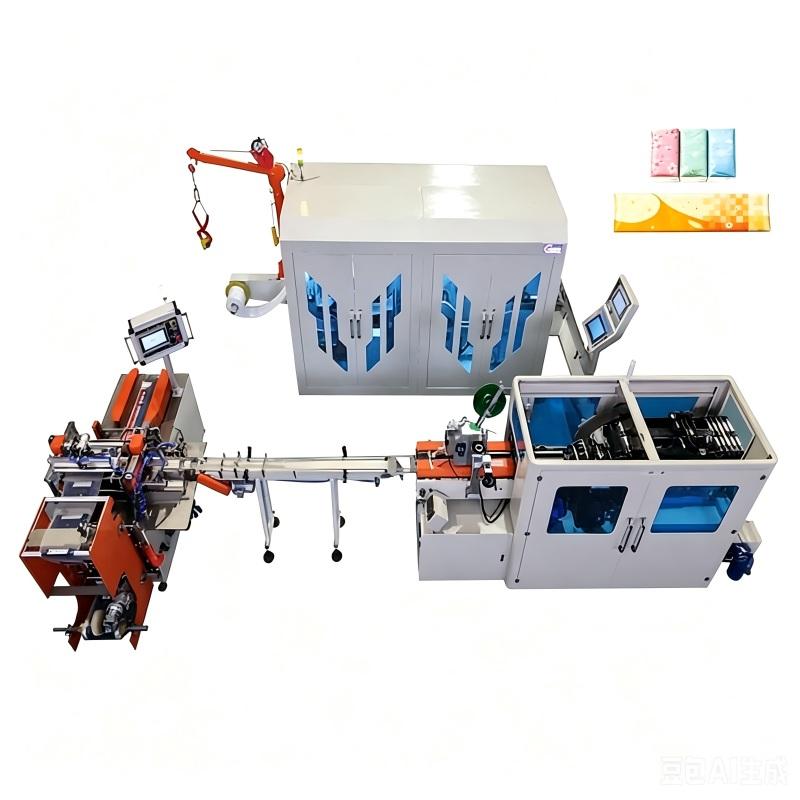
DOUBLE's automatic soft-pack facial tissue production line describes interfolding, separation and transfer, log cutting, product distribution, individual wrapping and optional bundle packing. The listed equipment includes DB-IF-V folding, DB-L-320C cutting and DB-IF-180P soft packing, with DB-IF-30P bundle packing identified as optional. Use this sequence as the reference, then mark the actual order scope on the drawing. Do not add an optional section to the acceptance test simply because it appears in a product photograph.
Name the interfaces with equipment outside the supply. These may include parent-roll provision, compressed air, finished-pack removal or a later handling operation. Identify the receiving condition and the party responsible for each one. A connected-line acceptance result needs a defined beginning and end. Otherwise the buyer may expect a shipping-ready output while the supplier is testing only the individual soft pack.
Define the product condition at the transfer instead of judging the handoff from appearance.
Create one product definition for the test
Record the parent paper, ply, tissue dimensions, fold and sheets per pack. Add the cut-stack dimensions, selected packing film and finished package specification. Retain the physical reference sample with these records. If the line is intended to make several formats, define each format separately and agree which will be demonstrated. A result for one soft-pack format does not establish every proposed size and count combination.
Use identifiers that remain visible across the sections. The folded log, the cut stack and the wrapped pack are different physical states of the same product. Label retained samples by state and time. When a change is made during the test, identify it in the record and retain a sample from before the change. This prevents a later review from comparing a cut stack from one setup with a sealed pack from another.
Write a receive-and-deliver condition at each handoff
Handoff
Product condition to agree
Evidence to retain
Folding to separation and transfer
Log dimensions, count convention, orientation and intended release condition
Identified folded sample and transfer observations
Transfer to log cutting
Position, presentation and approved handling of the folded log
Samples and observations before and after transfer
Cutting to distribution
Cut-stack dimensions, cut condition and disposition of excluded material
Accepted and rejected cut samples with reasons
Distribution to soft packing
Stack orientation, arrival pattern and selected receiving positions
Entry observations linked to finished-pack samples
Soft packing to final collection or bundle packing
Accepted individual pack and the actual downstream scope
Closed packs, agreed inspection result and output count
Set tolerances and inspection methods with the supplier before the test. The table identifies topics to agree; it does not supply universal limits for tissue or packaging. Where a section has a different unit of output, define the conversion and the counter scope. Logs, stacks and packs should not be compared as if they were the same quantity.
Watch transfer before judging the final pack
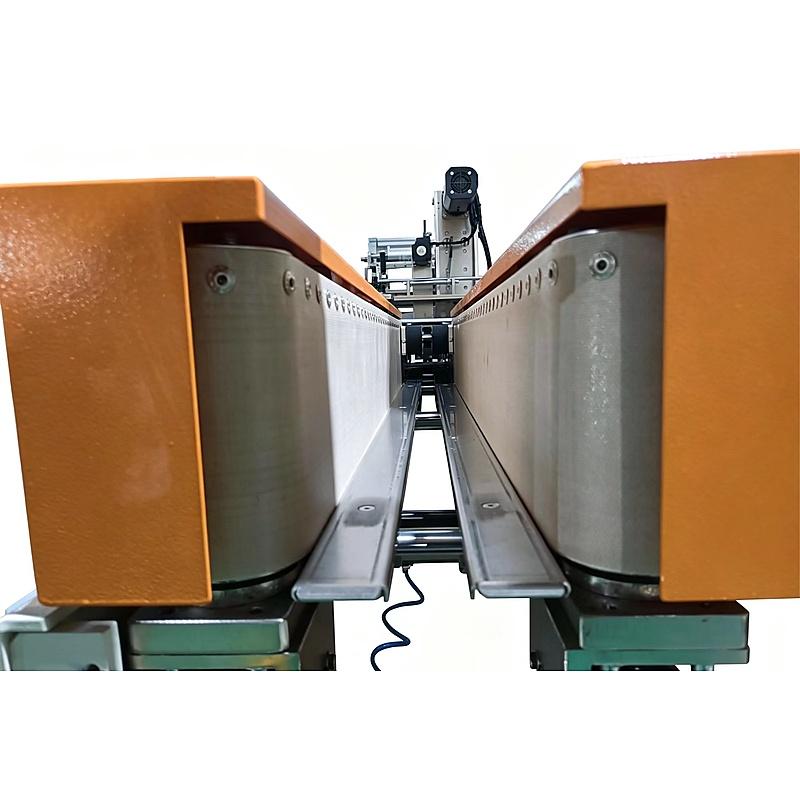
Observe whether the folded product retains its intended shape and orientation as it moves into cutting. Record leaning, edge movement or manual correction where observed. Compare samples before and after transfer rather than attributing every later defect to folding. The separation and transfer arrangement in the product information is confirmed against the factory proposal, so the acceptance record should identify the actual arrangement being tested.
At distribution, follow the cut stacks to the selected packing positions. Confirm that the record identifies all positions included in the test and does not count the same product twice. If only one packing path is demonstrated, state that limitation. A buyer planning several packing units needs to know which connected paths have actually been reviewed with the agreed product, not merely how many machines appear on the layout.
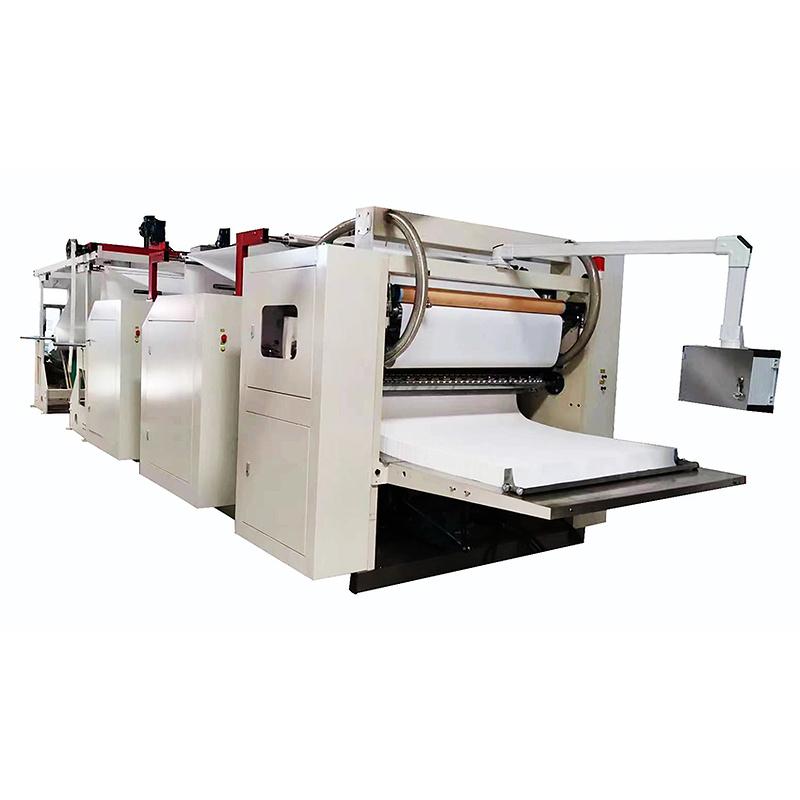
The published folding equipment view identifies one section to include in the line scope.
Count accepted flow across one common period
Choose an agreed observation period for the connected run and use the same clock at every recording point. Separate running time from elapsed time. Record ordinary replenishment, adjustments, waiting and rejects rather than discarding them from the log. The line's product page explains that connected output depends on the balance between stages; the test should therefore report the accepted finished output together with the conditions that produced it.
Monitor accumulation at the handoffs as well as the final pack count. A temporary stock of cut stacks can keep packing active while upstream supply is interrupted. Conversely, a high folding count may leave unfinished product waiting before packing. Record what was already present at the beginning and what remains at the end. This prevents work in progress from being treated as newly completed line output.
Report rejected product by the state in which it was rejected and the agreed reason. Product held for inspection should remain separate until its disposition is known. A final-output figure without these records can hide the difference between a balanced run and a run supported by repeated manual recovery. Manual intervention is not automatically unacceptable, but its role needs to be visible against the contracted automation scope.
Include an agreed pause and recovery case
Ask the supplier to demonstrate a planned interruption and recovery within the approved operating and safety procedures. Agree the condition in advance; do not create a hazardous jam or bypass a safeguard to provoke a response. Record where product remains, which sections wait and how suspect or incomplete product is identified. The physical disposition of product matters alongside the control response.
After recovery, retain the first accepted samples at the relevant stages. Check that they correspond to the same product definition and inspect the closed packs by the agreed method. If the restart produces a temporary quality difference, record its duration and the product disposition. A steady-state demonstration and a recovery demonstration answer different questions. Both should be identifiable in the test record rather than combined into one unexplained average.
Treat the optional bundle as another product boundary
If DB-IF-30P bundle packing is included in the order, define the number and arrangement of individual packs in the bundle and the agreed outer package. Inspect accepted individual packs before they enter that section. A bundle that looks correct cannot establish that each enclosed soft pack passed its own inspection. Retain samples of both states, tied to the same test period.
If bundle packing is absent, finish the acceptance count at the agreed individual-pack boundary. Identify the later handling assumed by the buyer's production plan. This keeps the test aligned with the supplied line and avoids promising a complete shipping arrangement from an individual wrapping result. The scope should be explicit on the process drawing and in the final record.
A published retail-pack reference distinguishes the primary pack and bundle; it is not a customer FAT result.
Record a section that cannot be demonstrated
If a contracted section or format is unavailable for the factory test, identify the gap by name. A separate machine demonstration may provide useful evidence, but it does not replace the missing connected handoff. State which receiving and delivering conditions remain unverified and agree how they will be reviewed before acceptance is closed.
Keep incomplete test items separate from defects found in a completed test. One means evidence is missing; the other means observed product did not meet the agreed condition. Each needs a defined action and a result that can be checked. This prevents an attractive final soft-pack sample from concealing the absence of a transfer, distribution or optional downstream demonstration required by the order.
Sign off the connected result with its conditions
For the automatic soft-pack facial tissue production line, request a signed test record containing the configuration, product identifiers, inspection methods, accepted-output counts and retained sample list. Record unresolved items by handoff and product condition. Assign the evidence needed to close each item, so that a general “line tested” statement does not conceal a transfer or packing limitation.
Keep the approved drawings and samples for installation review. Utilities, layout and receiving conditions may differ at the buyer's factory, so commissioning should identify those differences against the factory test. A useful acceptance package explains what crossed each boundary and under which conditions. It gives the buyer evidence for the connected soft-pack result, while leaving untested products and optional sections clearly identified for their own review.





 Tel: +8613908196540
 Email: info@doubletissuemachine.com
 MP/WhatsApp: +8613908196540
 Manufacturer Address:Dongguan, Guangdong, China