






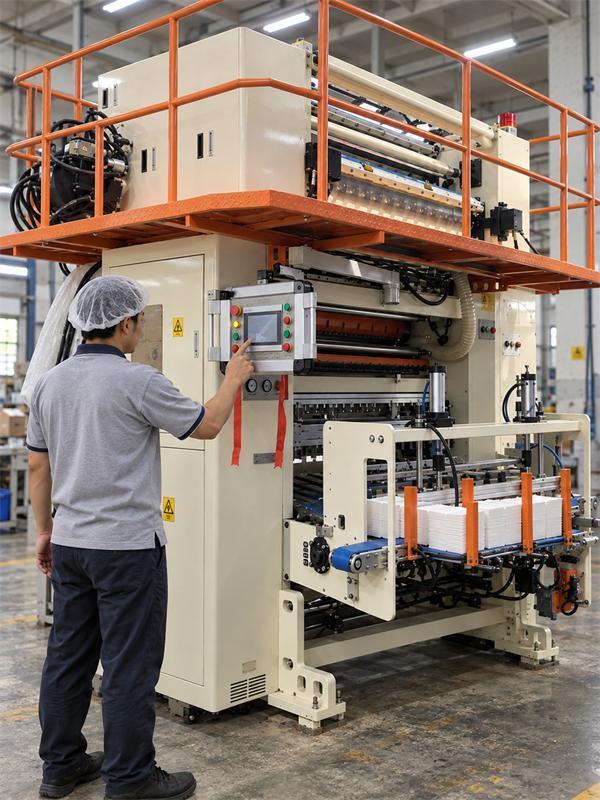
Coordinating Facial Tissue Folding and Cutting Handoffs
Review how facial tissue interfolding and cutting connect to the selected packing stage. Define acceptance checks for stacks before they pass between these operations.
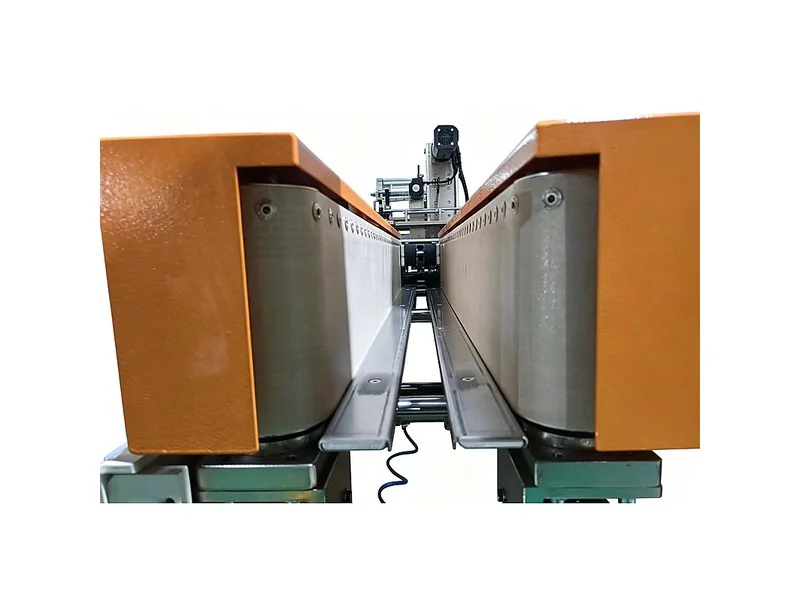
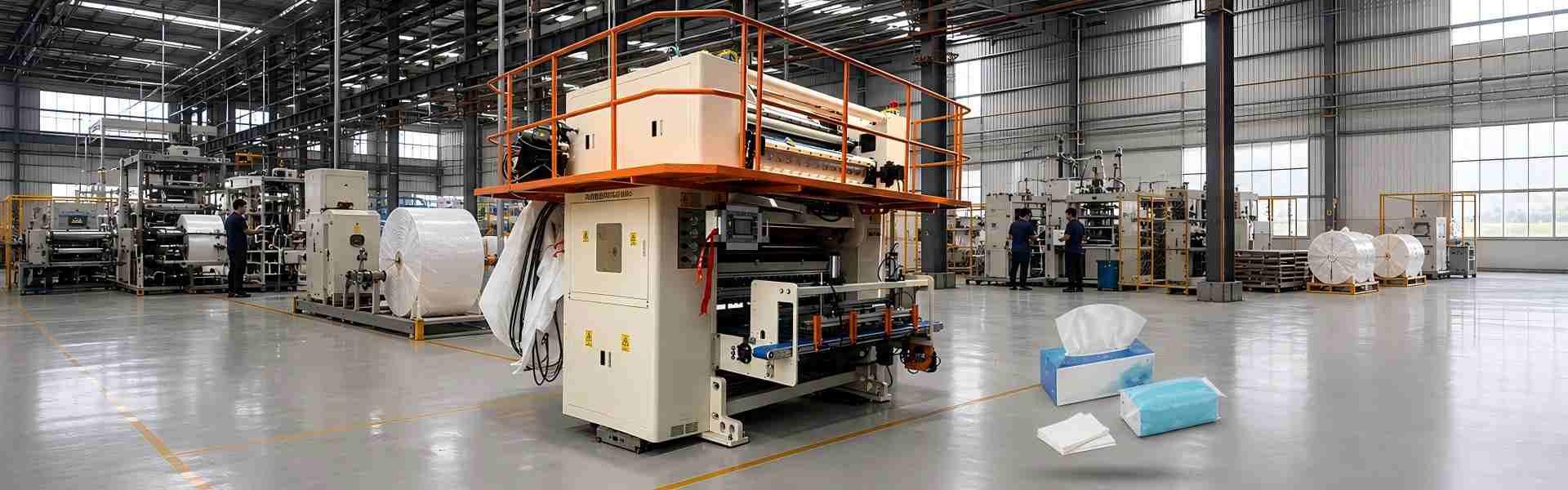
 Line Model | Automatic Soft-Pack Facial Tissue Production Line |
 Power Supply / Installed Power | 380 V, 50 Hz, 3 Phase; voltage and total installed power confirmed with the final configuration |
 Design Output | Matched to the output of the DB-IF-V folding machine and the downstream cutting and packing capacity |
| Line Layout Size | Final layout issued after tissue size, output, machine arrangement and automation scope are confirmed |
| Finished Tissue Product | Individually wrapped and bundled soft-pack facial tissues |
| Stable Working Output | Determined by the balanced operating speed of folding, transfer, cutting, individual wrapping and bundle packing |
| Compressed Air Requirement | Required for the cutting, transfer and packing sections; final pressure and consumption confirmed with the configuration |
 Line Weight | Confirmed with the final line scope and layout |
 Certification | Specified for the destination-market safety requirements |
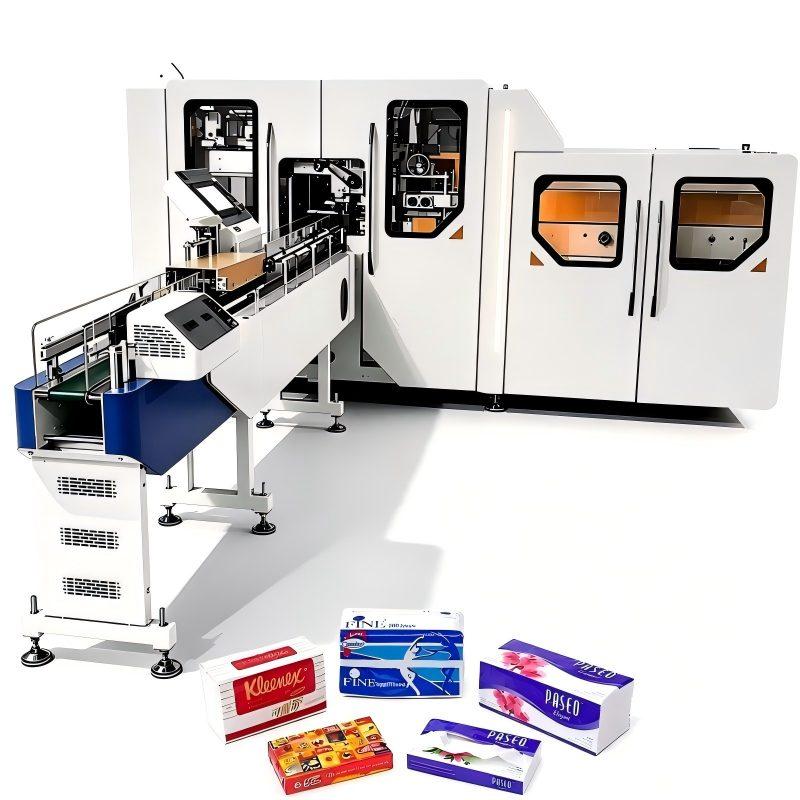
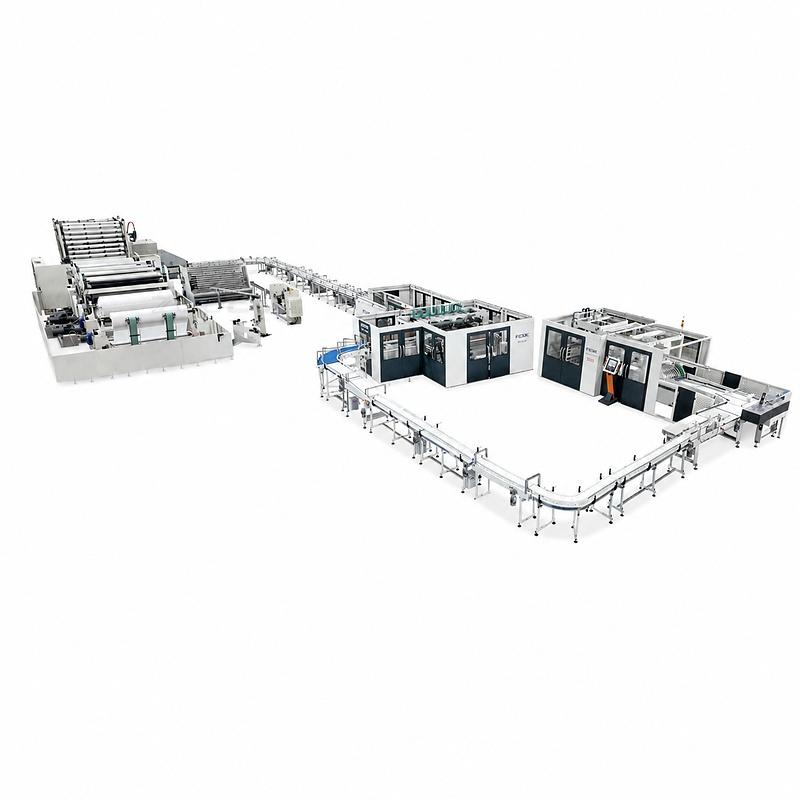
The DB-IF-V-based automatic facial tissue production line links interfolding, product separation and transfer, log cutting, soft-pack wrapping and optional bundle packing into one coordinated flow. Equipment and conveyor connections are matched to your tissue dimensions, sheets per pack, package size and factory layout, so the folding, cutting and packing stages stay balanced rather than running as separate islands.

The line follows a defined sequence: paper feeding and interfolding, tissue-log separation and transfer, log cutting, product distribution, individual soft-pack wrapping, optional bundle packing and finished-pack conveying. Each stage is set to keep product flow organized and to match the agreed production target. Because the stages are mechanically linked, the practical output of the line is governed by the slowest stage in the chain, not by any single machine running at its own maximum.
| Equipment | Main Function |
|---|---|
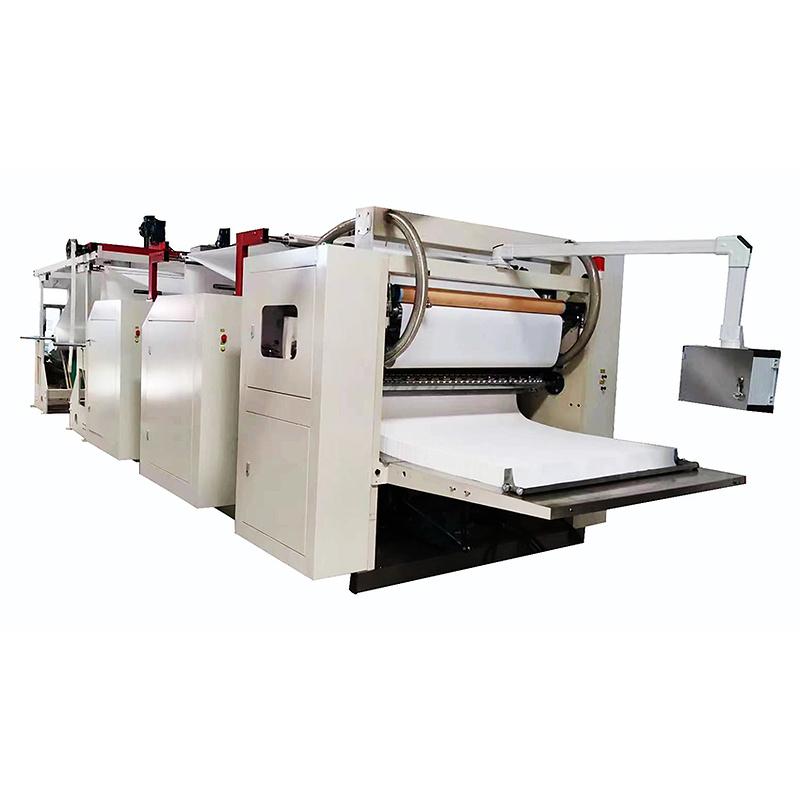
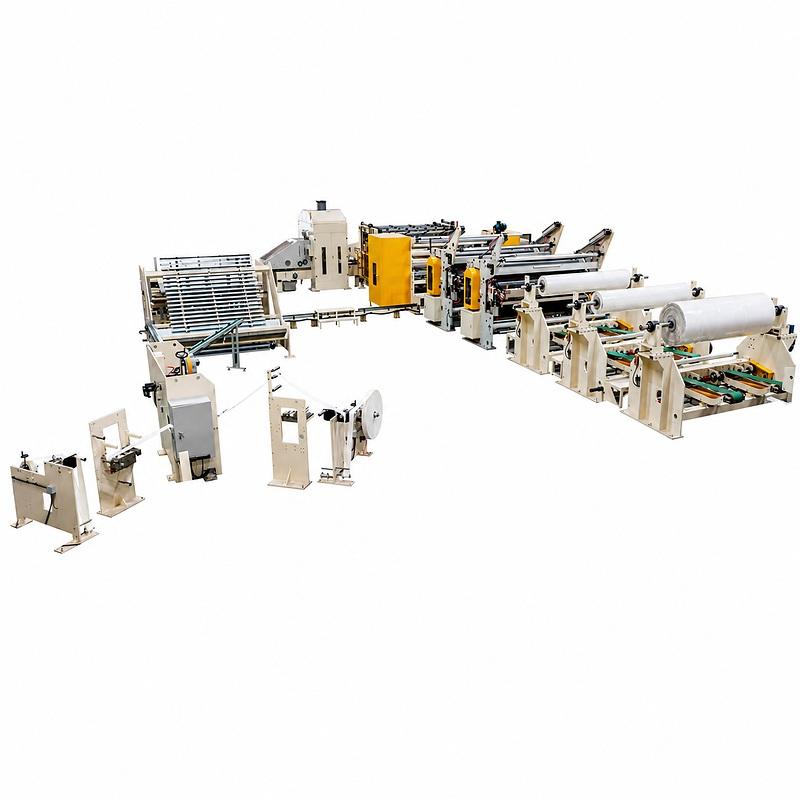
| DB-IF-V | Unwinds, slits and interfolds parent tissue rolls to produce continuous facial tissue logs; embossing is included where selected. |
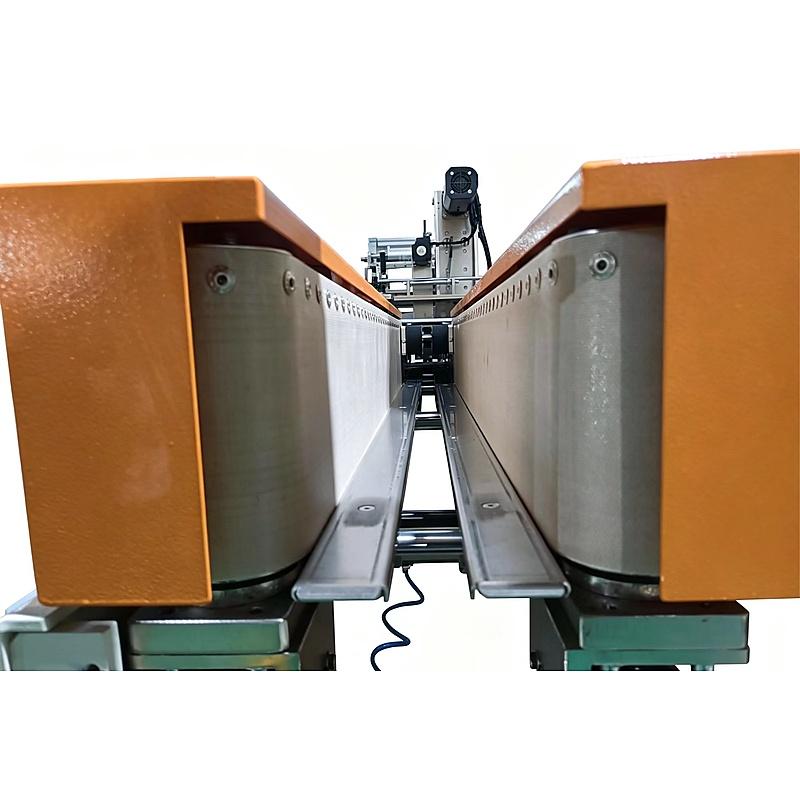
| Separation and Transfer System | Separates, positions and transfers folded tissue logs for downstream cutting. |
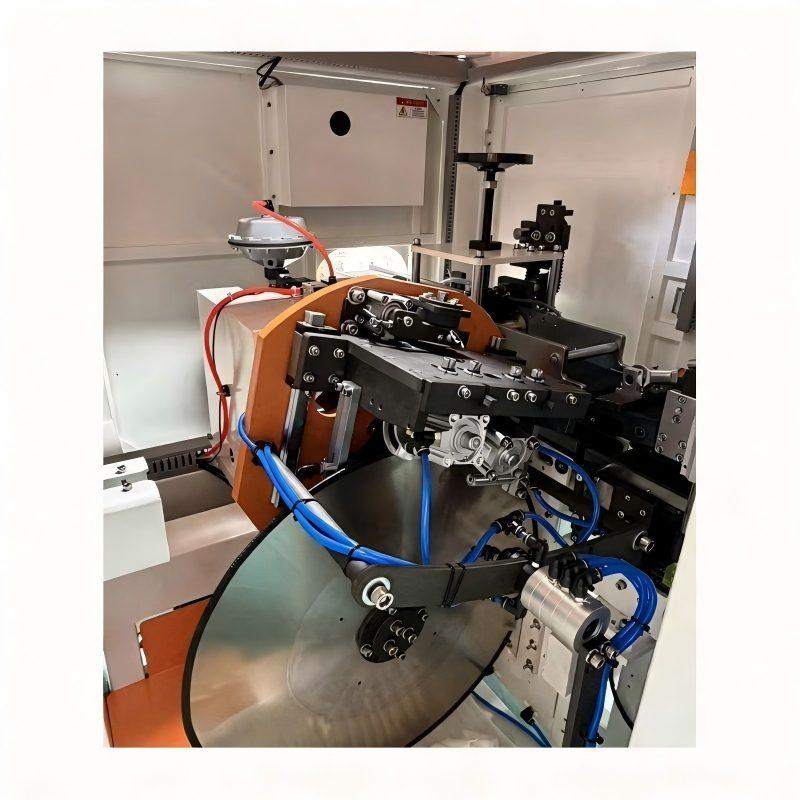
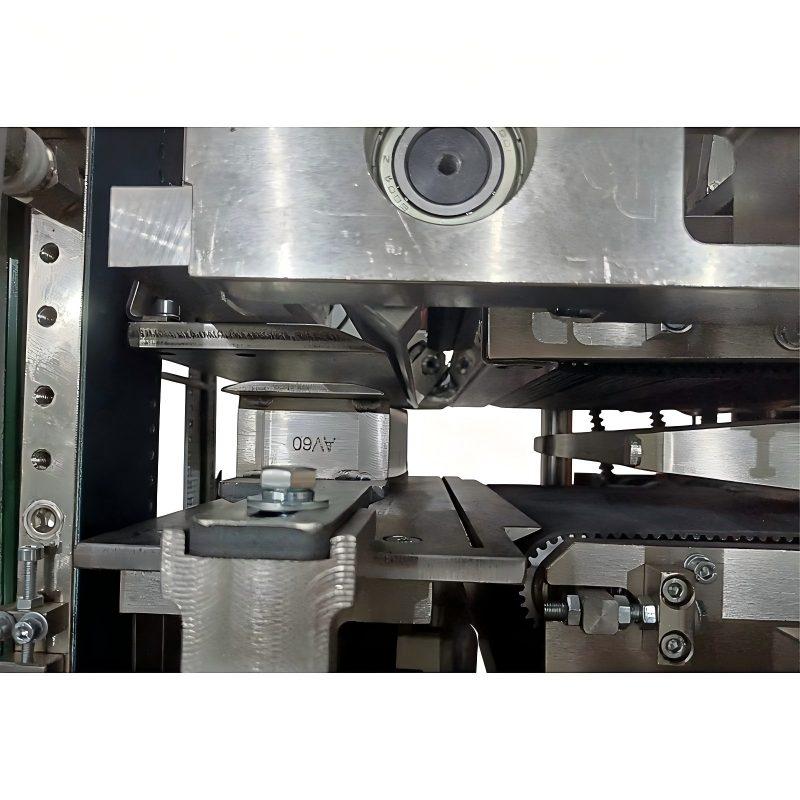
| DB-L-320C | Cuts folded facial tissue logs into the required single-pack length. |
| Distribution System | Routes cut facial tissue stacks to the agreed packing positions. |
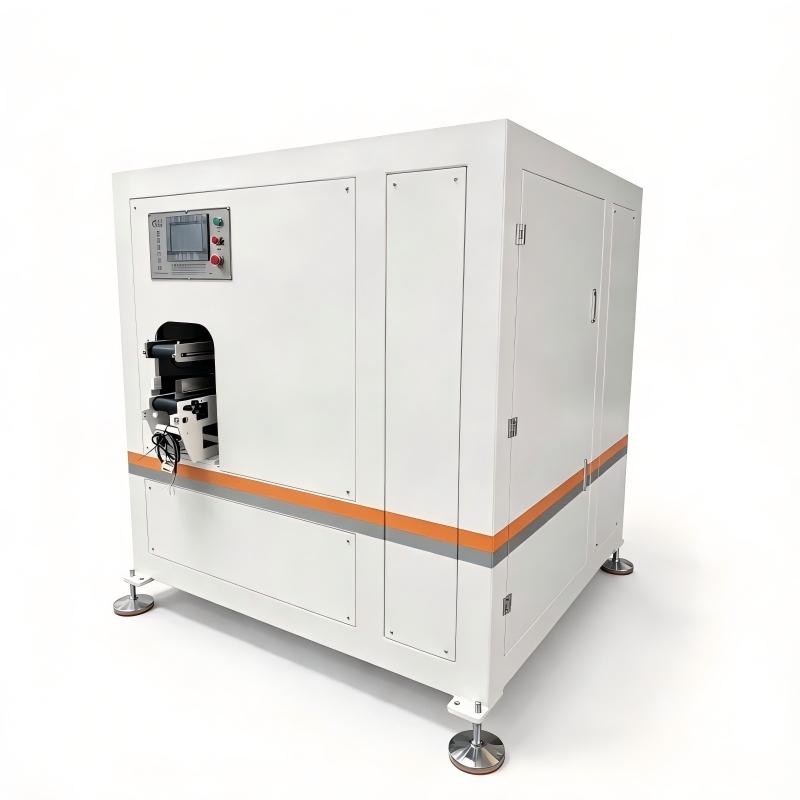
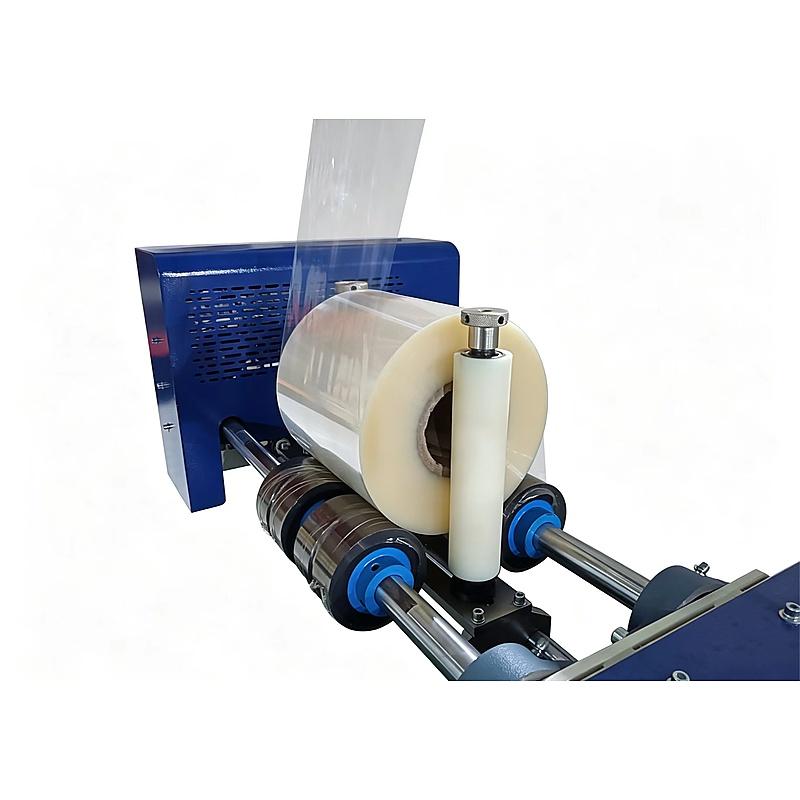
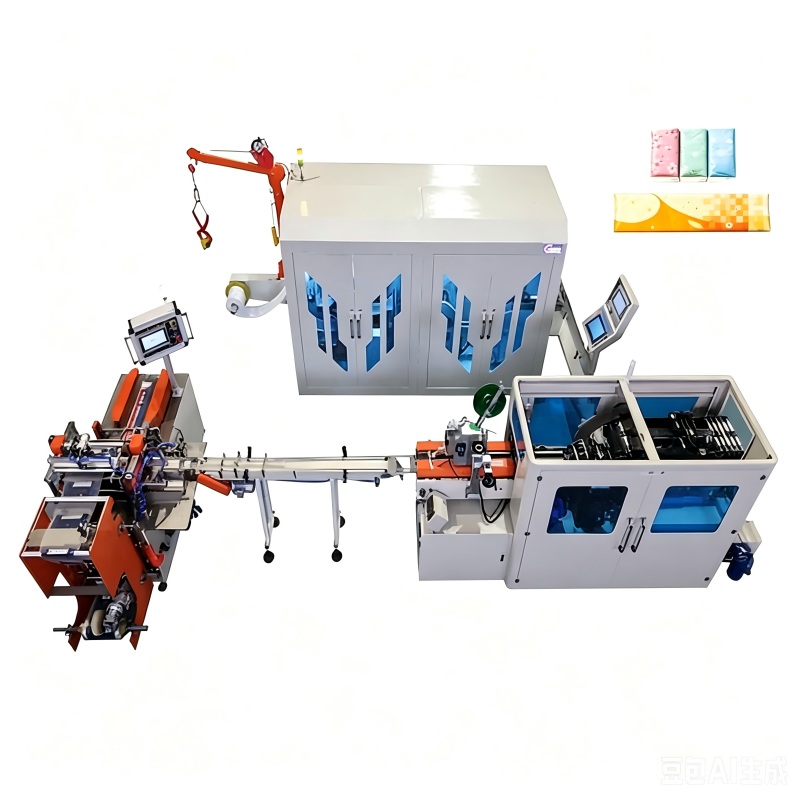
| DB-IF-180P | Wraps individual facial tissue stacks in film to produce finished soft packs. |
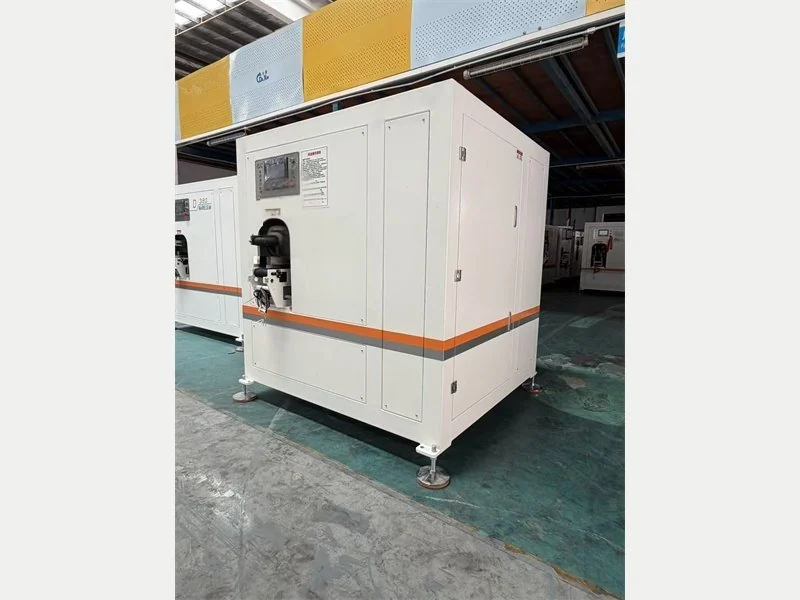
| DB-IF-30P — Optional | Groups multiple soft packs and applies an outer bundle package for handling and transportation. |
| Finished-Pack Conveyor | Transfers completed packs for collection or further handling. |
The separation and transfer section is confirmed against the factory proposal. Where a different handling configuration is required, the transfer and distribution sections are adjusted accordingly.
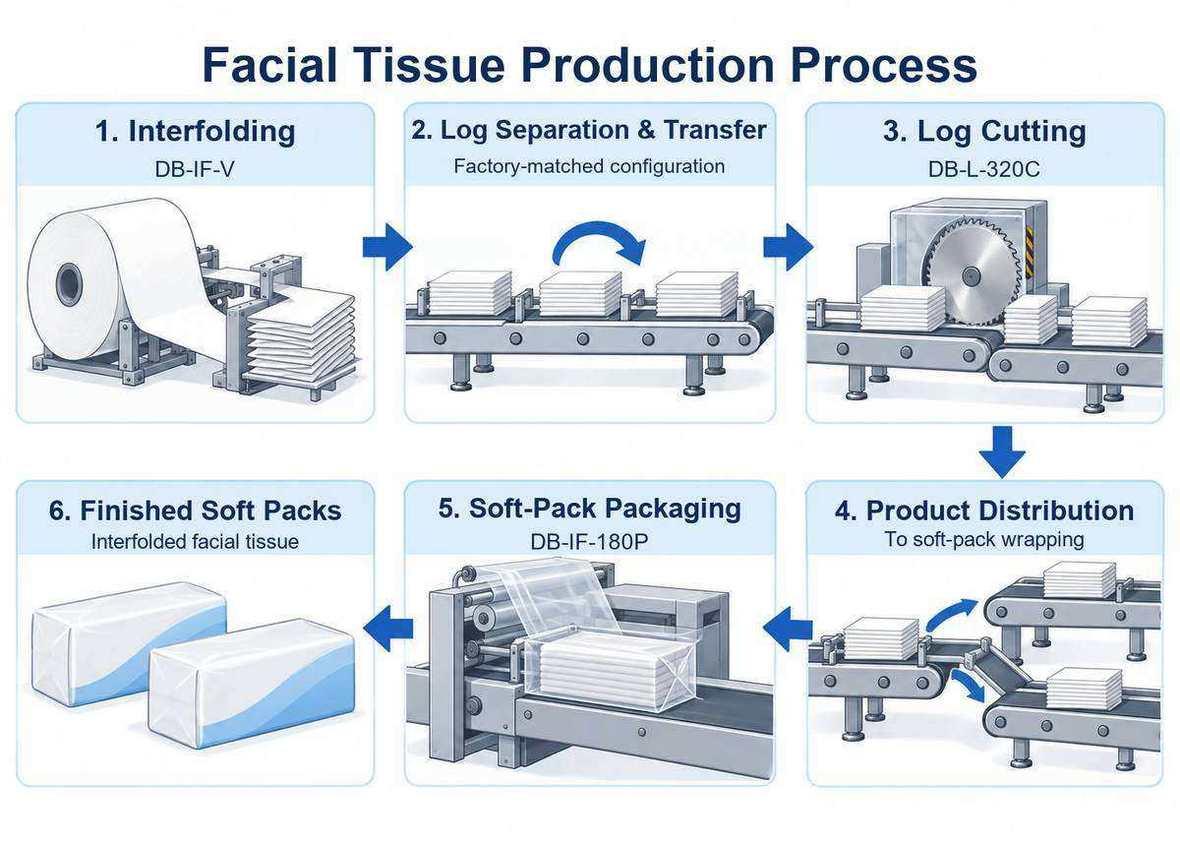
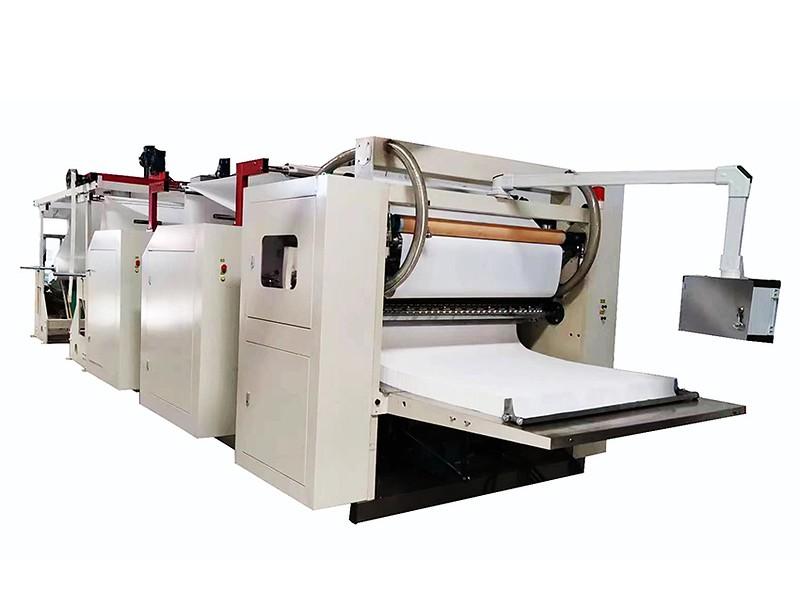
Confirmed machine parameters for the DB-IF-V, including folding output, finished product size, jumbo roll specification, cutting method and installed power, are listed in the Technical Specifications field. Final values are confirmed against the factory proposal.
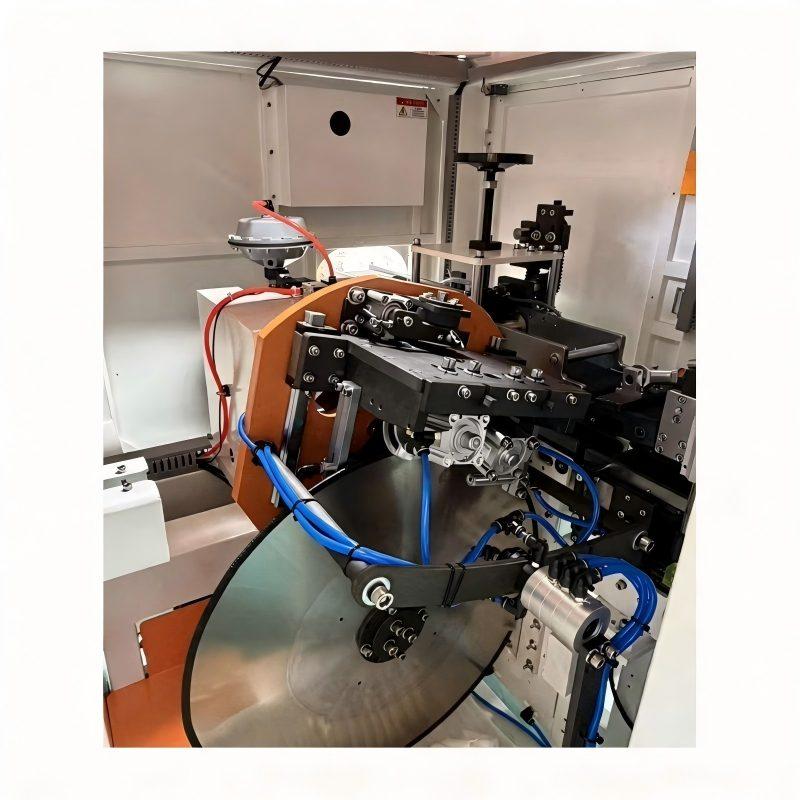
The DB-L-320C cuts soft-pack facial tissue logs to the required single-pack length. Its cutting speed, cut size range, cutting accuracy, feeding system, control system and power and air requirements are listed in the Technical Specifications field.
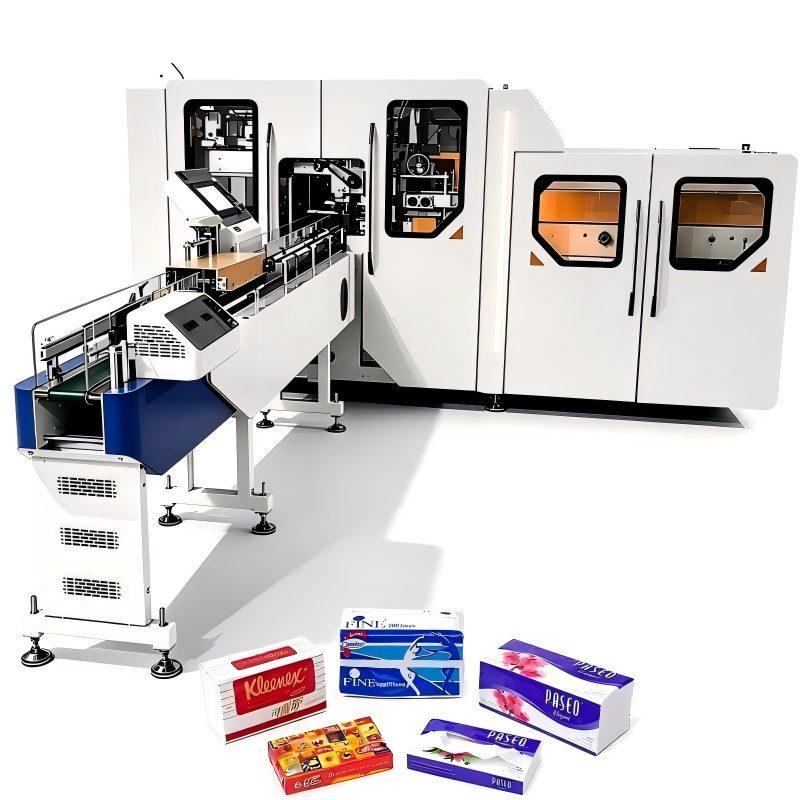
The DB-IF-180P wraps individual facial tissue stacks in film to produce finished soft packs. Its packing speed, product size range, packing material, film roll size, control mode, tear opening type, machine dimensions, weight and power and air requirements are listed in the Technical Specifications field.
Before the line is finalized, several configuration decisions determine how the folding, cutting and packing stages connect:
Confirmed machine parameters, including folding output, cutting speed, packing speed, packing size range and installed power, are listed in the Technical Specifications field. Final values are confirmed against the factory proposal.
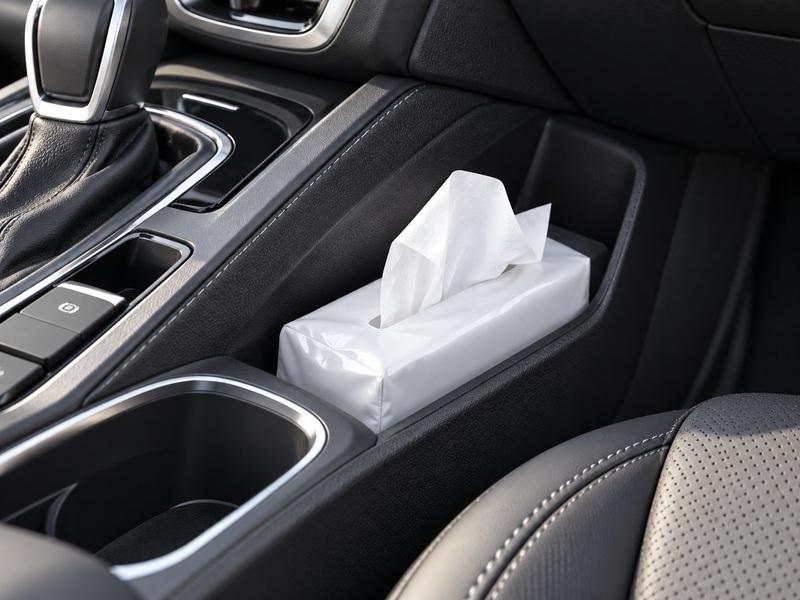
The line produces interfolded facial tissue in sealed soft packs for retail, household and away-from-home applications. Tissue dimensions, fold pattern, sheet count per pack and package specification are confirmed using your sample, so the finished pack matches your intended sales format and distribution requirements.
Stable running depends on consistent parent-roll quality, correct web tension at the folding stage, and clean separation and transfer of tissue logs into the cutting and packing sections. Operators should have clear access to the folding unit, the cutting unit and the packing unit for routine checks, film changes and jam clearing. Planning spare parts and wear items for the cutting and sealing sections before commissioning helps reduce unplanned stops once the line is in production.
What information should I provide to get an accurate line proposal?
Send your facial tissue sample or finished tissue dimensions, fold pattern, sheet count per pack, package size, target output, factory layout and local voltage. These inputs let us match the folding, cutting, transfer and packing stages correctly.
How is the line output determined?
Finished-pack output depends on sheet count per pack and on the balance between the connected stages. The folding and packing units each have their own working range, and the practical line output is set by how those stages are matched to your product.
Can the line be adapted to a different facial tissue format?
Tissue dimensions, fold pattern, sheet count and packaging format are confirmed using your sample. Where a different format is required, the cutting configuration and transfer sections are adjusted accordingly.
Is the DB-IF-30P bundle packing machine required?
No. The DB-IF-30P is optional and is included when multiple individual soft packs require an outer bundle package for retail, storage or transportation.
What is confirmed before the order is placed?
Layout, separation and transfer arrangement, cutting configuration, packing-machine quantity, optional bundle packing and utilities are confirmed before order. Final technical values are agreed against the factory proposal.
Send us your facial tissue sample, package specification, output target and factory layout, and we will prepare a matched folding, cutting, transfer and soft-packing solution. Contact us by WhatsApp or submit the inquiry form for a fast factory response.
Facial Tissue Production Line · Tissue Paper Packing Machine Catalog
| Line Model | DOUBLE Custom Configuration |
|---|---|
| Finished Tissue Product | V-fold facial tissues in individual soft packs and multi-pack bundles |
| Tissue Size | Unfolded: 200 ± 2 × 220 mm; folded: 100 ± 2 × 220 mm |
| Parent Roll | Max. Ø1,500 × 1,550 mm; Ø76 mm core |
| Individual Packaging | Heat-sealable CPP film |
| Bundle Quantity | 3, 4, 5, 6, 8, 10 or 12 packs per bundle |
| Maximum Bundle Size | L500 × W400 × H105 mm |
| Bundle Packaging | Pre-made heat-sealable bags |
| Line Configuration | Included, optional, and customer-supplied modules are confirmed per project; final scope is issued with the approved line layout |
| Utilities & Site Conditions | To be confirmed according to the selected configuration, local voltage, and factory floor plan |
Final technical values are issued with the confirmed line configuration. For a detailed quotation and layout drawing, please provide your finished tissue format, target output, and factory floor plan. View the Facial Tissue Production Line or Download the Tissue Paper Cutting Machine Catalog. Contact us by WhatsApp or submit the inquiry form for a fast factory response.
Review how facial tissue interfolding and cutting connect to the selected packing stage. Define acceptance checks for stacks before they pass between these operations.
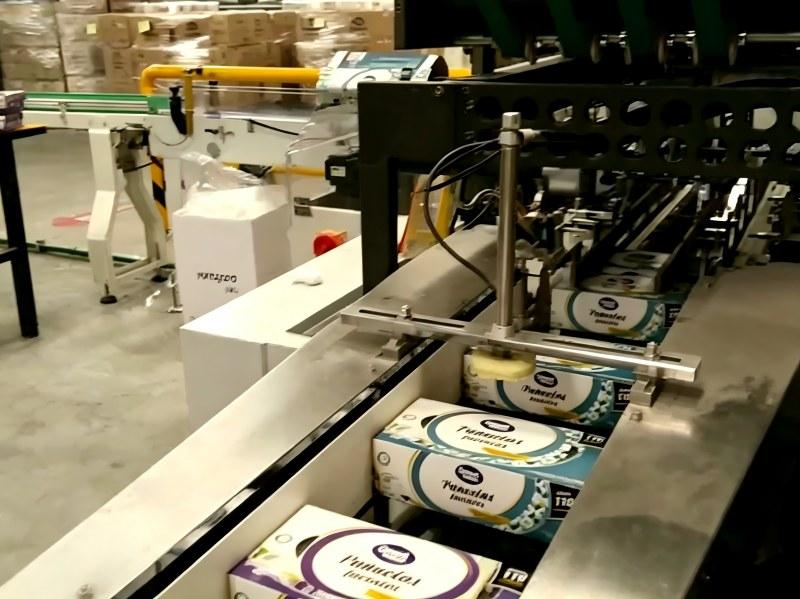
For a layout combining DB-IF-V interfolding and DB-L-320C log cutting, review the path toward box packing. Confirm transfer arrangements and operator access before fixing the configuration.
Define the desired facial tissue soft-pack appearance before trials. Compare that reference with upstream folds and cut edges to decide where inspection criteria belong.
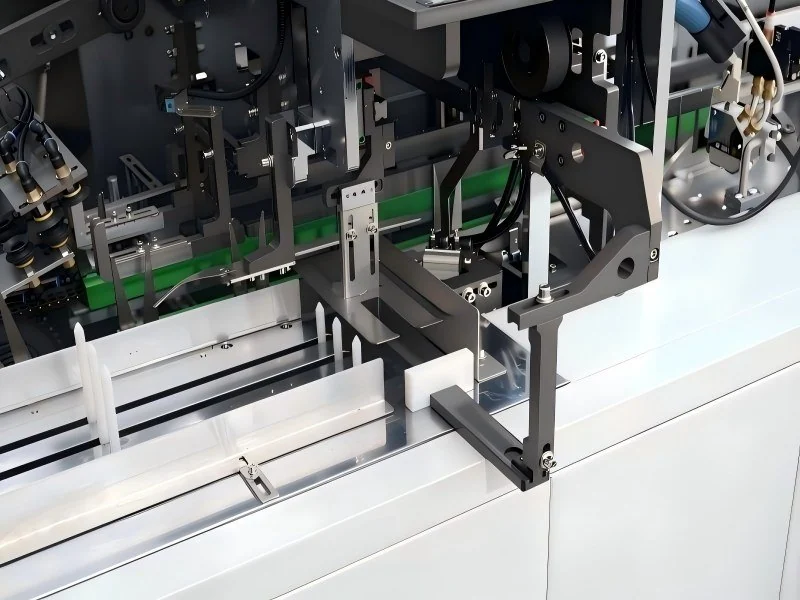
For a soft-pack facial tissue configuration, check stack alignment at the packing infeed. Compare finished pack appearance with the condition of the incoming interfolded tissue.
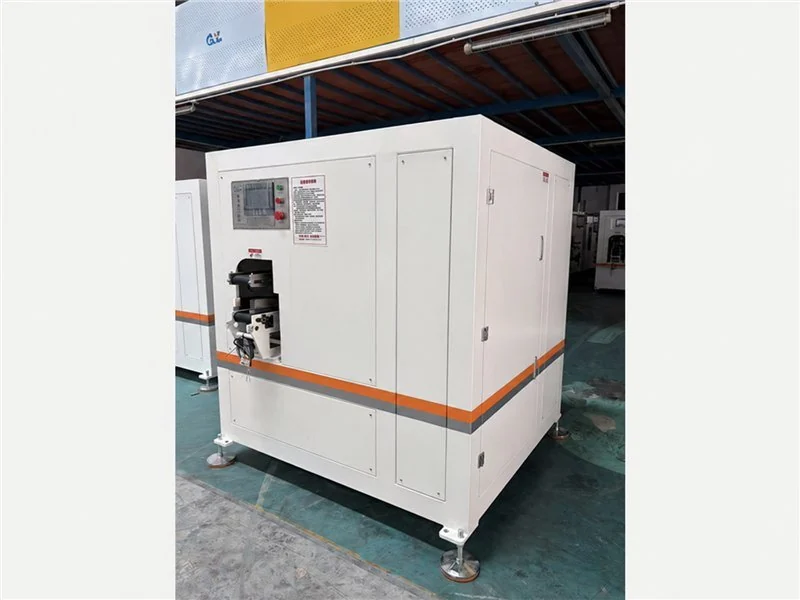
Include an opened-box check when evaluating facial tissue box packing. Inspect fold alignment and stack placement, and record whether manual tidying would be required.
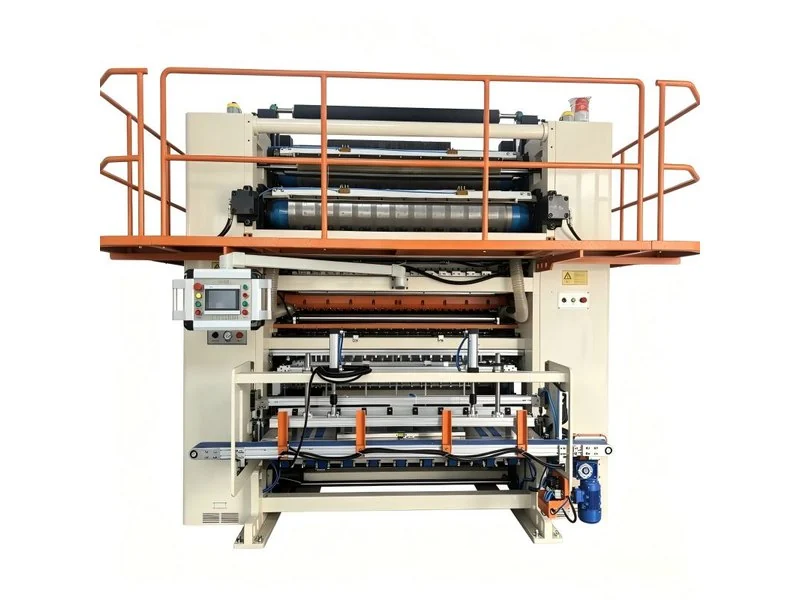
Review facial tissue appearance from interfolding through cutting and packing. Define consistent inspection criteria at each stage rather than relying only on the finished pack.
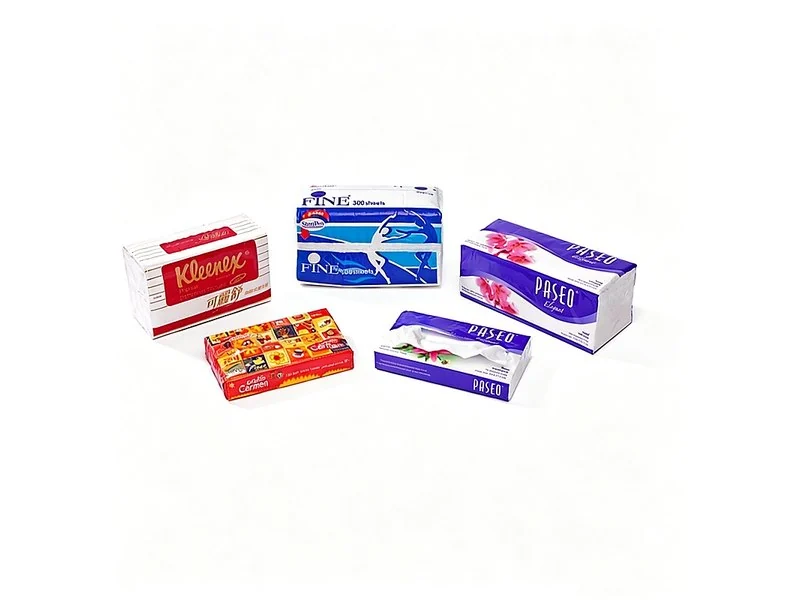
When considering box packing, check folded stack dimensions and cut-stack placement against the chosen box. Assess the appearance of the tissue when the box is opened.
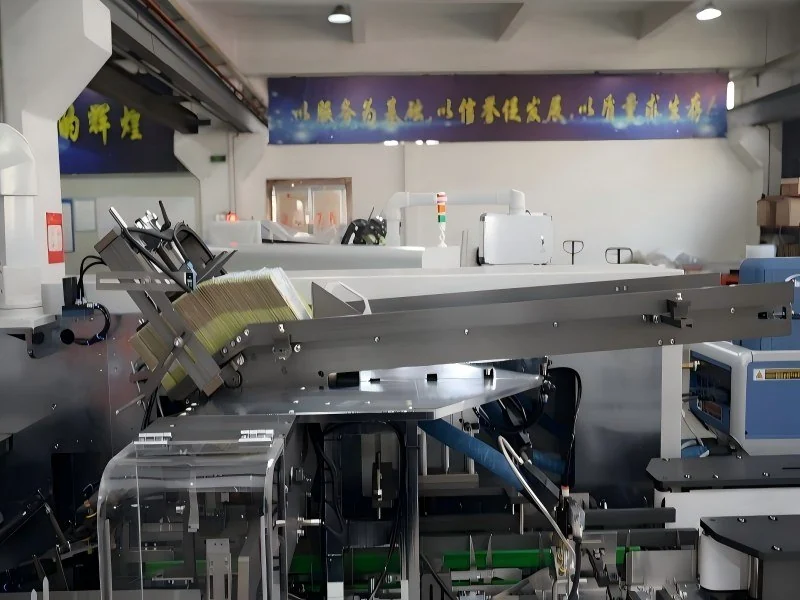
For a soft-pack facial tissue layout, inspect cut-stack edges before loading. Check whether edge condition affects how the tissue sits inside the proposed pack.
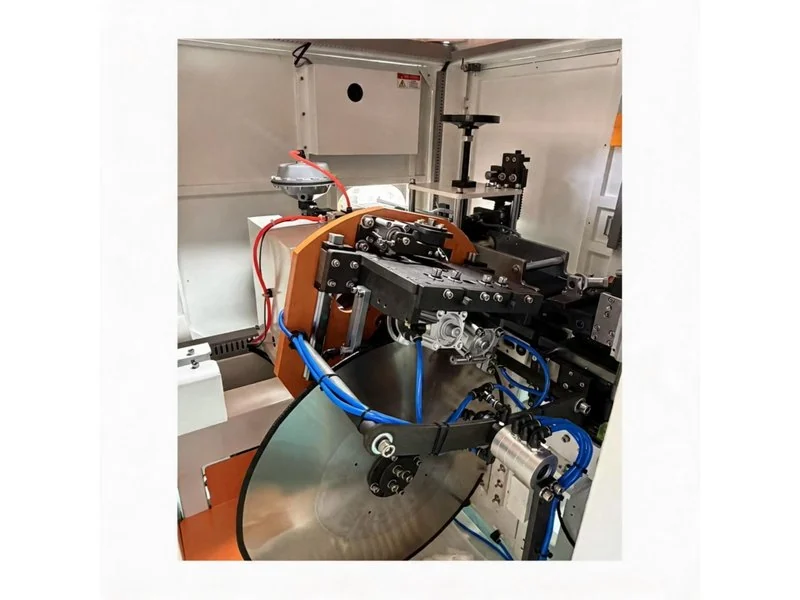
When assessing a DB-IF-V facial tissue setup, compare interfolded stack appearance at the folding exit. Define the stack condition required by the next handling stage.
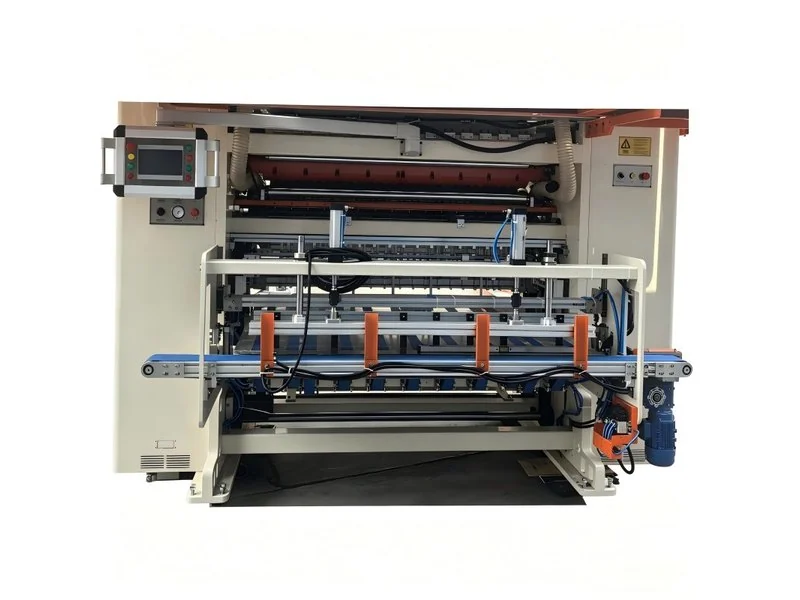

 Tel: +8613908196540
 Email: info@doubletissuemachine.com
 MP/WhatsApp: +8613908196540
 Manufacturer Address:Dongguan, Guangdong, China



No reviews yet.