Choose the tear opening and the variable code as two related parts of the finished facial tissue pack. Specify where the user starts opening, which printed information must remain visible and where the production code will be read. DOUBLE lists straight or zipper-style tear-opening choices and coding customization for the DB-IF-180P. Those choices still need a package drawing and an agreed configuration. A request for “easy opening with date coding” leaves important decisions unresolved, particularly when the same wrapper will handle several artwork versions.
Separate the opening, printed artwork and variable code
Start with a drawing of the pack in its intended display position. Mark the opening feature, the fixed film artwork and the information added during production. Each has a different owner: the brand approves presentation, the film supplier produces the printed roll and the machinery proposal defines the supplied opening and coding arrangement. A single finished-pack photograph rarely tells all three parties what they need to deliver.
Use a named face and an orientation for every mark. “On top” is ambiguous if one person holds the pack upright and another draws it lying flat. Identify the dispensing face, the viewing direction and the tissue orientation. Mark the positions from the same reference edges. The supplier can then explain where the proposed opening and coding positions fall on the formed package.
Keep the fixed product description separate from the variable message. A printed sheet count may belong to the artwork, while a production date or batch identifier may need to change between runs. Ask the buyer's quality team to define the required message. This article does not establish a regulatory coding requirement or prescribe which information a particular market demands.
Describe the opening by the action it must support
State whether the intended action is to expose a dispensing area or remove a larger portion of film. Show the starting point and the portion the user is expected to remove on a physical reference. DOUBLE's published straight and zipper-style options provide names for the configuration discussion; they do not establish a particular opening force, reusable closure or tear behaviour for every film.
Explain what should remain after opening. The brand may want its main panel intact, and the production code may need to stay on the retained package. Mark those areas before the film artwork is finalized. If the desired opening crosses either area, resolve the conflict through the package design and machinery review rather than leaving operators to choose a different position later.
Ask how the specified opening will be produced in the quoted arrangement, including any necessary film preparation or machine parts. Record who supplies each item. A reference retail pack communicates a desired result, but it does not prove that the ordered machine includes the same feature or can reproduce it with the chosen material.
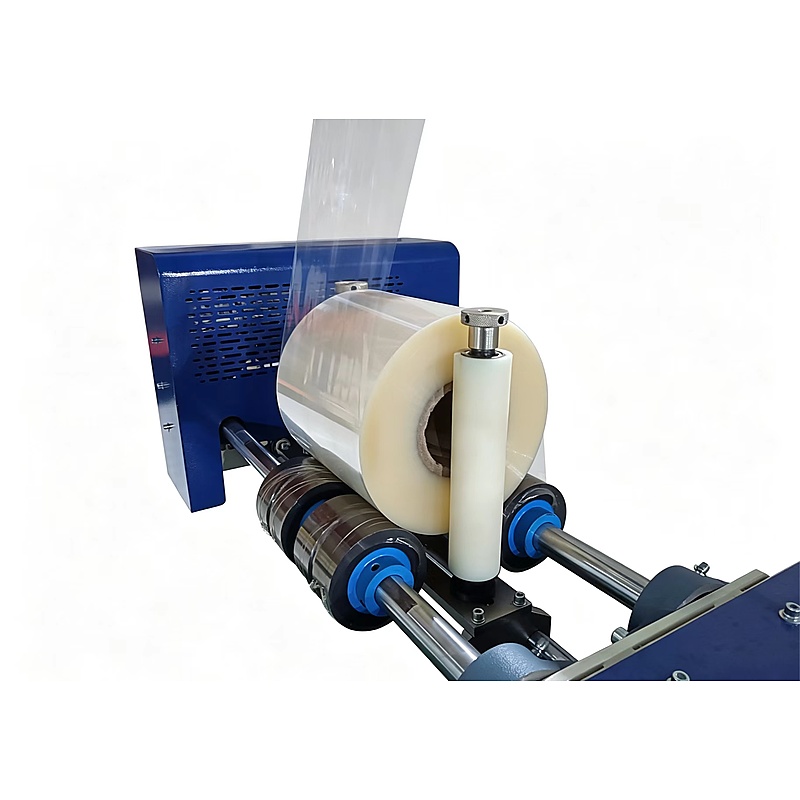
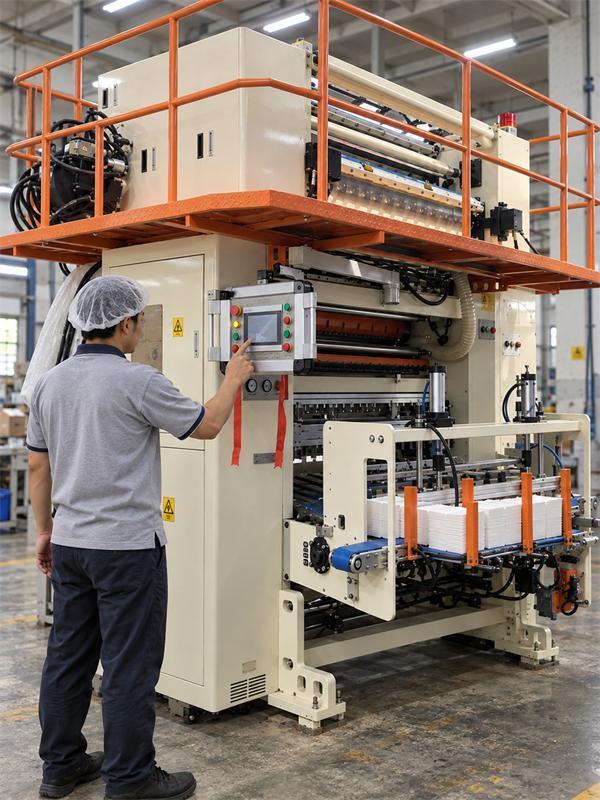
The selected film is an input to the coding review. This photograph does not identify a coding device or printing method.
Map the information onto the formed pack
Review the artwork as it will appear after wrapping. A flat design and a finished soft pack present information differently. Ask for the intended opening and coding areas to be marked on both views, so that the film supplier's drawing and the machine supplier's arrangement refer to the same package faces.
Area to identify
Question to settle before artwork release
Opening start
Can the user locate it without removing required information?
Retained code panel
Does it remain available after the intended opening action?
Folded or sealed region
Will the proposed code or instruction remain visible there?
Brand panel
Does the final orientation match the approved display sample?
The table is a design review, not a set of machine tolerances. Let the suppliers define the available placement limits for the actual arrangement. Keep the approved artwork revision beside the pack drawing. An earlier mock-up should not remain the coding reference after the opening position has changed.
Where products share a wrapper but use different designs, mark the required panel on each version. Similar package dimensions do not necessarily mean identical information placement. Purchasing should know whether the quoted arrangement covers all intended designs or only the first one supplied for review.
Define the message before choosing the coding equipment
Write the exact fields, character format and intended reading direction. State whether the message is plain text or includes a machine-readable element, and explain who will use it. A warehouse reader, a quality investigator and a shopper may need different access to the same pack. The proposal should address the buyer's actual requirement rather than an unspecified “date printer.”
DOUBLE lists coding content and position customization. Ask which coding equipment is included, which is optional and which printing method is proposed for the selected film. Do not infer a technology, automatic verification function or consumable compatibility from that brief product description. Obtain the relevant equipment specification as part of the quotation.
Assign responsibility for message entry, format changes and consumables. If the buyer supplies its own coding unit, identify its mounting, power and control interfaces for supplier review. If the machinery supplier supplies it, request the operating information and consumable references needed by the buyer. Neither arrangement should leave the production team uncertain about which message is active.
Describe how production staff will select and confirm a message at the start of a run. The buyer may require an authorized person to compare the first printed pack with the work order and retain it as the run reference. Agree that procedure with the quality team. Do not assume the proposed coder automatically knows which film design or tissue product has been loaded.
Also define the response to a missing or incorrect message. Ask whether the quoted arrangement has any relevant detection or rejection function; if it does, obtain its stated scope. Keep the buyer's inspection and product-disposition responsibilities explicit whether or not such equipment is supplied. A wrong batch value printed clearly is still a content error, while a correct value placed where it cannot be read is a placement problem. The enquiry should make both expectations visible.
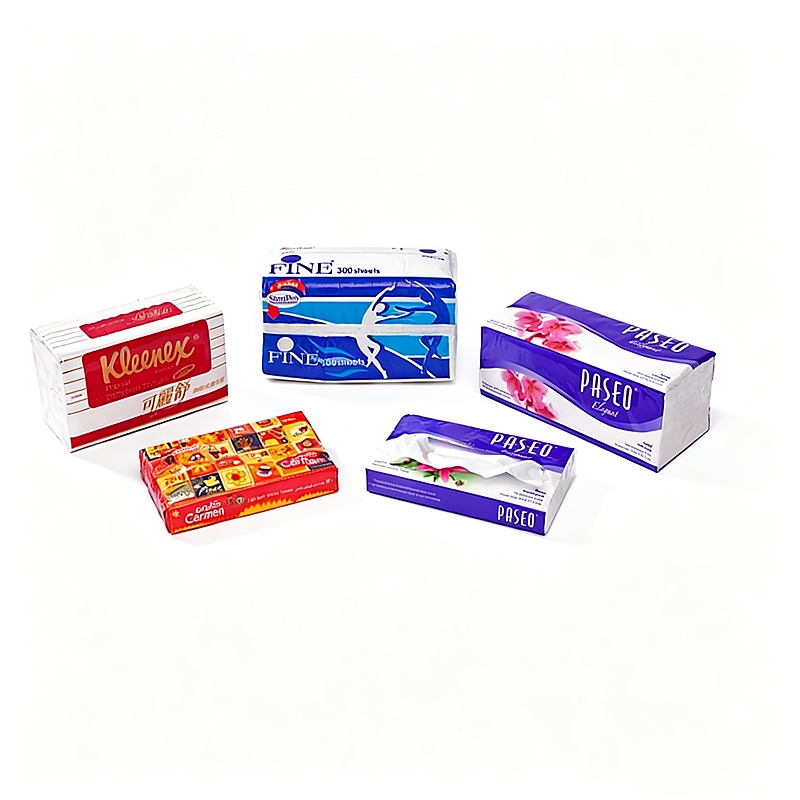
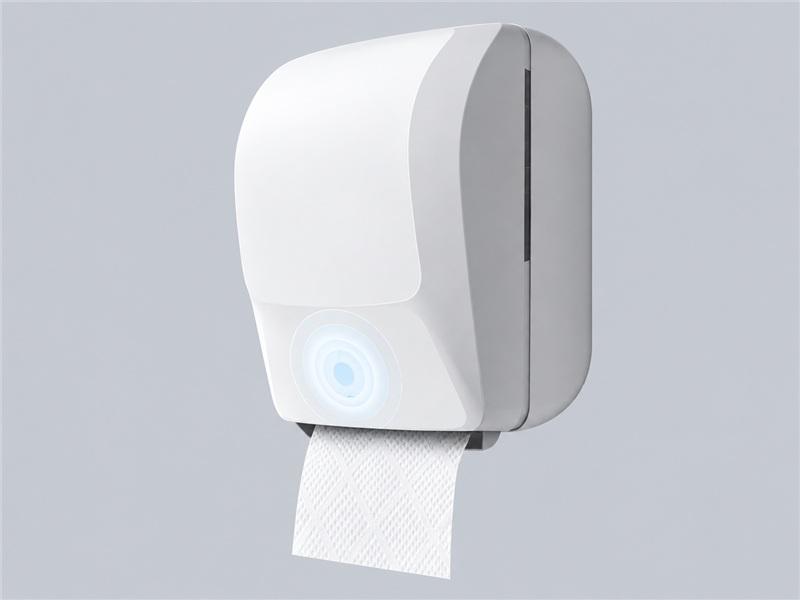
These published branded packs are appearance references. They are not evidence of customer supply or a trial of the quoted opening.
Review readability where the pack will be handled
Agree how the proposed code will be reviewed on a formed pack. Specify the viewing position, the required complete message and any reader used by the buyer. Compare the result with the approved content, including characters that could be confused. These are proposed review conditions, not a claim that a particular result has already been demonstrated.
Inspect the panel after the intended opening action as well as on the unopened package. Record whether the code remains on the retained film and can be found without rearranging loose pieces. If information is meant only for unopened stock, state that purpose explicitly. A location suitable for warehouse handling may be unsuitable for identifying a partly used pack.
Include the buyer's normal collecting or outer-packing step in the discussion. Decide whether packs must be individually accessible for reading or whether an outer-package record is also required. Do not assume that a code visible at wrapper discharge will be visible when packs are grouped. Define the needed identification at each packaging level with the buyer's quality team.
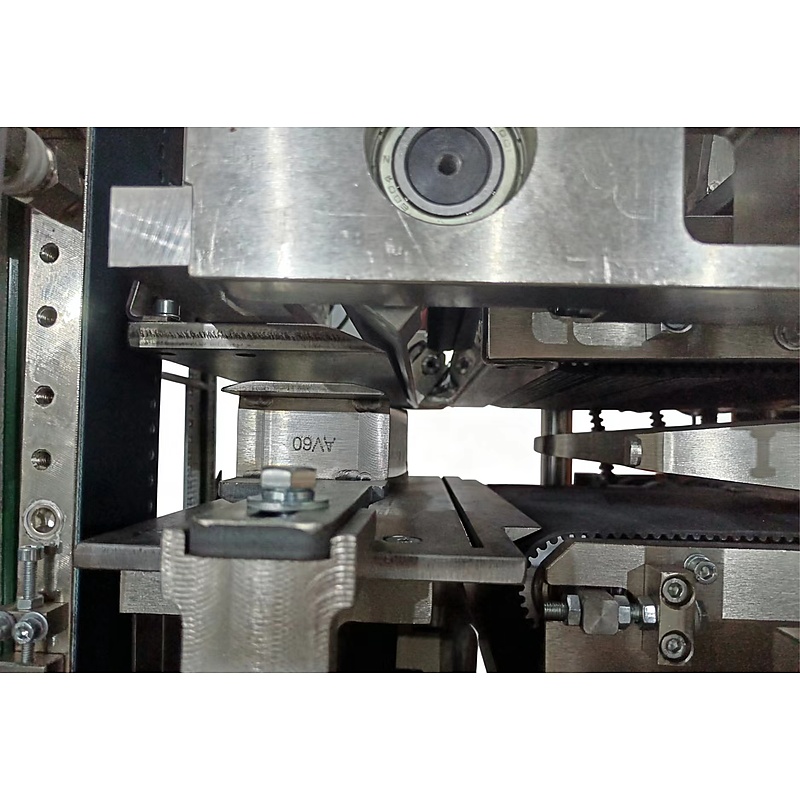
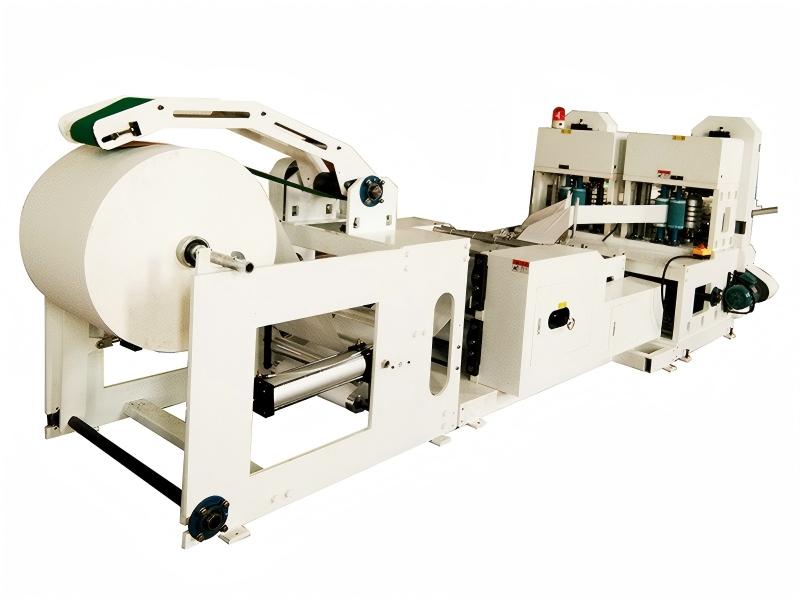
The published mechanism view provides machine context; opening and code placement must be confirmed on the finished package.
Treat a new location differently from a new message
A revised batch value and a relocated coding panel are different changes. The first concerns message control; the second may involve artwork, equipment position or a different presentation of the film. Ask the supplier which changes can be made through the specified coding controls and which require technical review. Keep that distinction in the product change procedure.
The same applies to the opening. A brand redesign can move an instruction without moving the physical feature, leaving the two inconsistent. Compare the revised drawing with the retained approved pack before ordering a new printed roll. Record any required configuration change separately from the artwork approval.
Return a package decision with the quotation
For the DB-IF-180P facial tissue soft packing machine, request a marked package drawing, the selected opening arrangement, the coding-unit scope and the exact reviewed message. List any outstanding film or artwork confirmation. The returned documents should show which party owns each decision.
Keep the approved reference with the production specification. The next artwork or message change can then be reviewed against a known opening, readable panel and supplied configuration. That is more useful than retaining a general promise of easy opening and clear coding without showing where either belongs.



 Tel: +8613908196540
 Email: info@doubletissuemachine.com
 MP/WhatsApp: +8613908196540
 Manufacturer Address:Dongguan, Guangdong, China