Inspect a facial tissue soft pack with two separate questions: does its wrapping look acceptable, and does it meet the agreed closure requirement? A flat side fold can still need a closure check; a securely closed region can still have an appearance defect. DOUBLE describes overlap sealing and side sealing on the DB-IF-180P, with smooth overlap and flat side seals as intended finish characteristics. Define how those characteristics will be judged on the buyer's pack. Keep the closure method explicit, and do not turn a neat sample photograph into evidence of airtightness, shelf life or an unperformed seal test.
Name the overlap and side regions on the actual pack
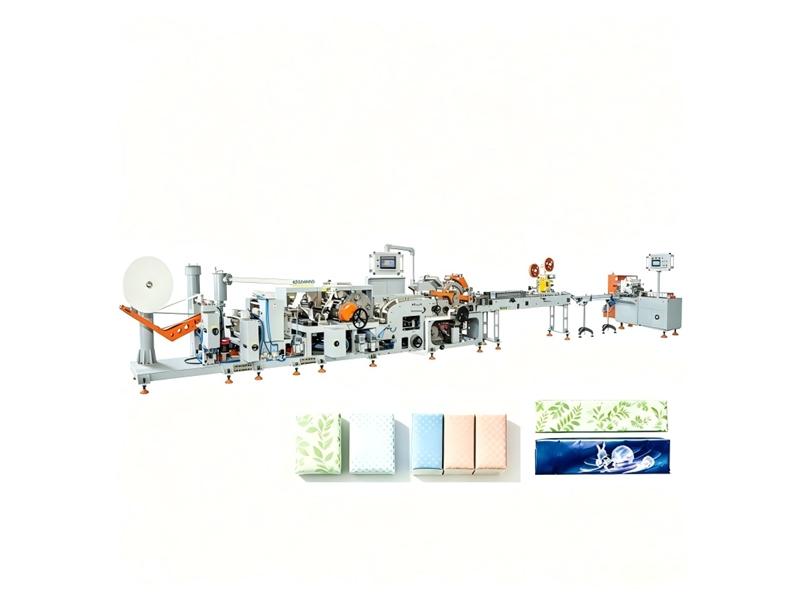
The DB-IF-180P facial tissue soft packing machine description includes wrapping, overlap sealing, side sealing and finished-pack output. Use a representative pack drawing or labelled photographs to identify those regions. Mark the package orientation and distinguish the two sides when recording observations. A note saying “seal bad” leaves the supplier uncertain about which part of the wrapping is affected.
Use the formed package as the reference. The overlap region and the folded sides present different visible shapes, so they need separately identified inspection locations. Do not assume that an observation at one side represents the opposite side. A problem limited to one region should remain visible in the record rather than being combined into a general package score.
Mark any intended tear-opening feature separately. It is part of the product's opening design and should not be mistaken for an unintended gap in a sealed region. The opening choice belongs to its own specification; the seal review needs to show which parts of the unopened pack are expected to remain closed.
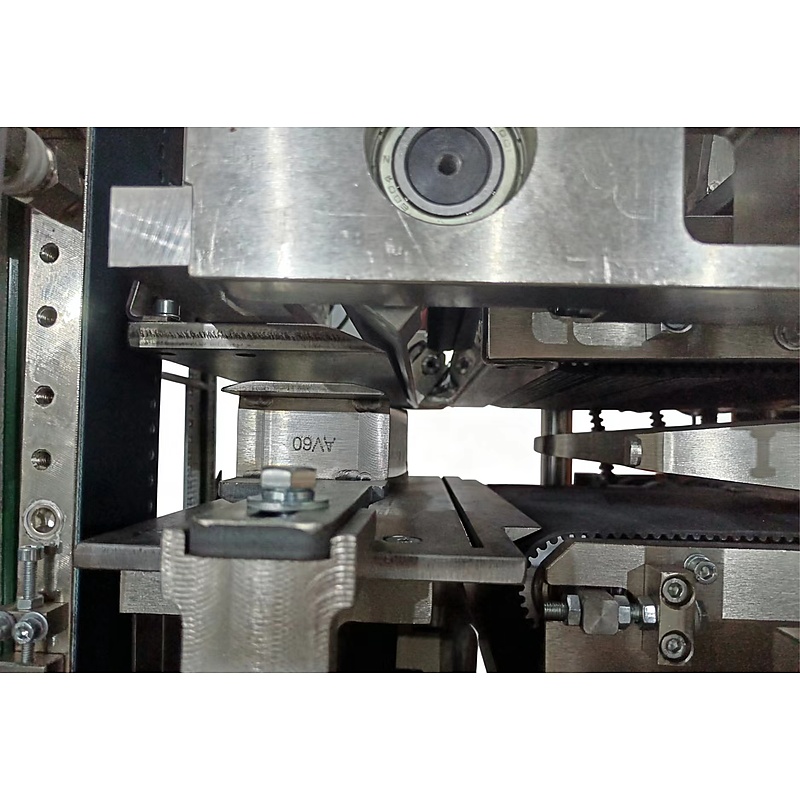
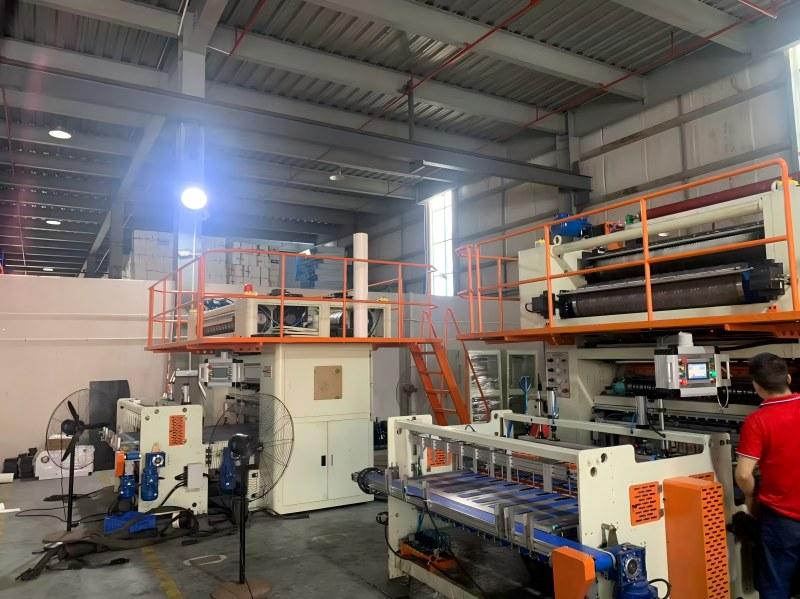
Machine-gallery detail. Finished-package criteria should define acceptance without deriving settings or performance from a component photograph.
Replace “neat sealing” with visible appearance criteria
Describe the features the buyer will actually inspect. At the overlap, these might include the visible seam position, wrinkles, uneven edges or unwanted marks. At each side, they might include the folded-end presentation and any visibly misplaced film. Select the criteria that matter to the approved pack rather than requiring every sample to match an unrelated retail package.
Separate the sealed region from surrounding film. A wrinkle on the package face and a wrinkle passing through the inspected seam are different observations. Record their locations. The first may be an appearance concern; the second may also require closure review. Neither observation should be assigned a mechanical cause from its photograph alone.
Agree the viewing condition for visual approval. Specify the package orientation, the relevant faces and whether the pack is examined immediately at output or after an agreed handling step. Compare physical samples under consistent conditions. An enlarged photograph is useful for locating a feature, but its magnification should not silently redefine what is acceptable on the pack at ordinary viewing distance.
Retain a reference for any accepted cosmetic variation. If a small visible feature is allowed, say where and under what criterion it is accepted. This gives purchasing and production the same appearance standard. It also prevents a later decision from depending on which person happens to inspect the sample.
State what the closure check establishes
A visual inspection can identify an obvious opening or an interrupted-looking region, but an apparently continuous seam does not establish every seal property. Define the closure requirement and ask the machinery supplier to agree an appropriate checking method with the buyer. Keep the result tied to what that method actually examines.
If an agreed handling check is used, describe the handling and the expected package condition afterwards. If a quantitative seal-strength requirement is needed, name the method, sampling locations and acceptance basis separately. Do not replace those details with an informal pull on the film and then report a measured strength result. The product agreement should make the difference between an observation and a measurement clear.
Inspect the overlap and side regions identified on the map. Record which region was checked, whether the pack was previously disturbed and what happened. A pack opened during an earlier inspection cannot serve as an untouched example of later closure behaviour. Keep inspection samples identifiable so that their condition is understood before another check is attempted.
The proposed methods concern the package the buyer intends to accept. They do not establish hermetic sealing, moisture protection, sterility or storage life. If a separate barrier requirement is part of the product, it needs a material and package assessment specifically addressing that requirement. It cannot be inferred from the DB-IF-180P's overlap- and side-sealing description.
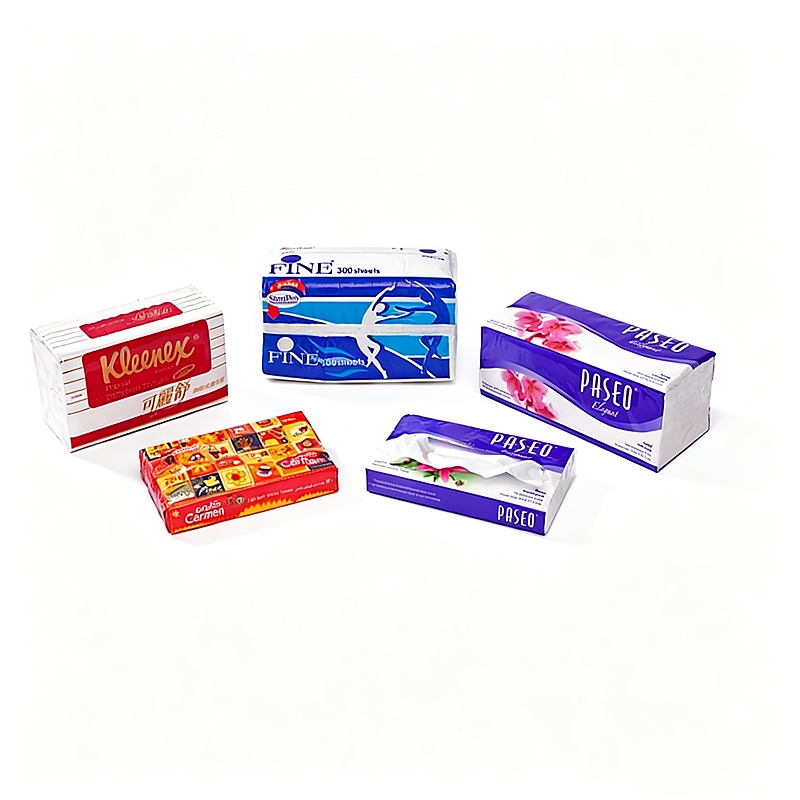
Published retail packs illustrate presentation. They are not customer records or evidence that a particular seal check has passed.
Keep two verdicts instead of one overall impression
Use separate fields for appearance and closure in the proposed review record. A pack can have a satisfactory result in one field and an unresolved result in the other. That distinction is especially useful when a sample is attractive but the agreed closure method has not yet been applied.
Appearance observation
Closure finding
Decision to record
Matches the agreed visual reference.
Meets the agreed closure criterion.
Both requirements have evidence for the inspected sample.
Matches the visual reference.
Not yet checked or unresolved.
Appearance accepted; closure remains open.
Has a defined cosmetic discrepancy.
Meets the closure criterion.
Closure accepted; appearance needs its own disposition.
Shows a suspect gap or disturbed seam.
Not confirmed.
Retain the sample and obtain the relevant technical review.
This is a proposed decision framework, not the manufacturer's inspection standard. The buyer's quality owner should define the actual disposition rules and acceptance limits. A permitted cosmetic variation must not automatically authorize an unresolved closure condition. Equally, evidence of closure should not erase an appearance requirement that the buyer explicitly included.
Keep a reason beside a hold or rejection. “Side fold outside the visual reference” tells a different story from “opening observed at the overlap under the agreed check.” Precise descriptions help the supplier review the relevant condition without receiving a collection of packs labelled only as failures.
Distinguish an incomplete inspection from a failed one. If no closure check was performed, write “not checked” rather than declaring either a pass or a defect. If the method was performed but the result is unclear, retain that uncertainty with the sample. The quality owner can decide the next review without losing the original observation. Filling an empty result field with a general visual approval would hide the remaining work.
Give each observation enough context to investigate
Record the pack identity, inspected region, time or production reference and condition at inspection. Keep the tissue and film references available so that a material substitution is visible. The purpose is traceability of the observed pack, not a new film-selection exercise. A sample described only as the latest pack can be difficult to relate to the supplied configuration.
Take an overall photograph showing orientation, followed by a detail showing the affected region. Describe what is visible before naming a cause. Film trapped in a fold, a visible wrinkle and a region that separates during the agreed check are observations; the technical explanation needs the supplier's review of the actual arrangement.
Retain an unaffected comparison sample where the review method allows. Do not use one clear photograph to represent every pack produced, and do not claim that a single affected sample establishes a repeatable machine fault. State the observed scope and leave the sampling quantity and inspection frequency to the agreed quality plan.
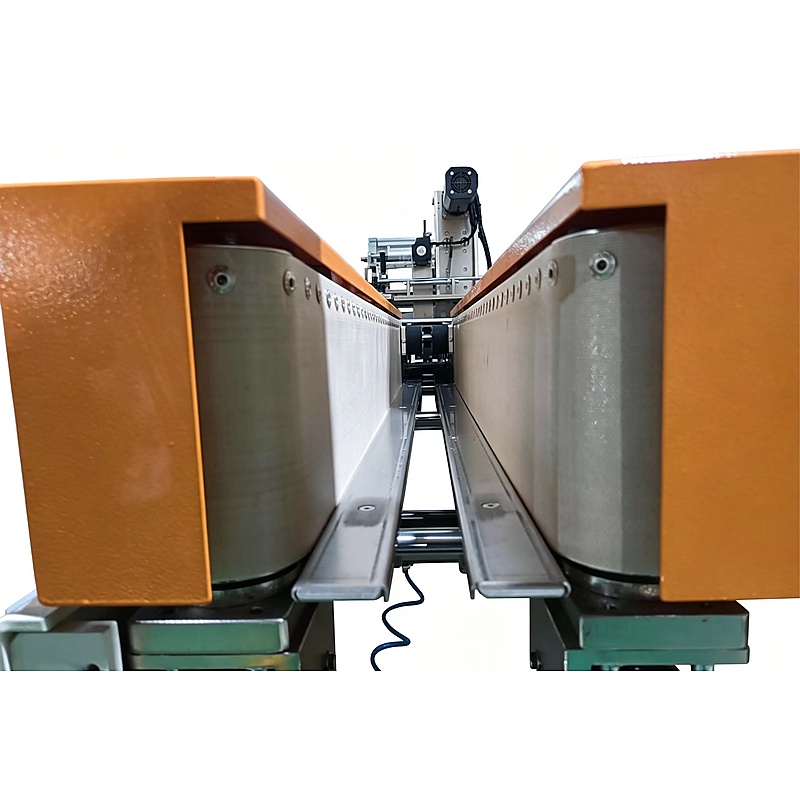
Opposed assemblies in a published machine detail. Their visible layout does not identify an adjustment or a package acceptance result.
Define the state in which the pack is accepted
The buyer may need the wrapping to retain its agreed condition through collecting and normal outer packing. If so, identify that handling stage and examine the appropriate sample afterwards. Keep the immediate output observation separate from the later one. A difference appearing after handling needs its own record rather than being attributed automatically to the sealing stage.
Agree any inspection interval that matters to the product requirement. Label when the sample was produced and when it was examined. This makes the accepted state clear without inventing a fixed waiting period or a storage-performance claim. The supplier and buyer can then review whether the proposed observation addresses the intended use.
Write two acceptance clauses into the offer
For appearance, identify the approved pack reference, the regions inspected and the visible differences that require review. For closure, identify the method, the inspection state and the criterion agreed for those regions. Request both clauses in the returned technical offer so that the demonstration and receiving review refer to the same expectations.
The supplier should establish operating conditions for the selected product through its supplied procedures. A purchasing specification needs the accepted result and evidence, not an invented temperature, pressure or timing recipe. Keep any unconfirmed condition open. The final record then shows whether the package looks right and whether its closure has been checked, with neither verdict being used to stand in for the other.





 Tel: +8613908196540
 Email: info@doubletissuemachine.com
 MP/WhatsApp: +8613908196540
 Manufacturer Address:Dongguan, Guangdong, China