A pocket tissue machine comparison can go wrong before a contractor sees it: the power figure from one model is copied beside the dimensions of another. Both rows may look plausible, especially when the machines share a single-channel description. Keep one utility schedule per named model and supplied configuration. Catalogue ratings can start that schedule, but the confirmed order documents must establish the connection requirements for the actual build.
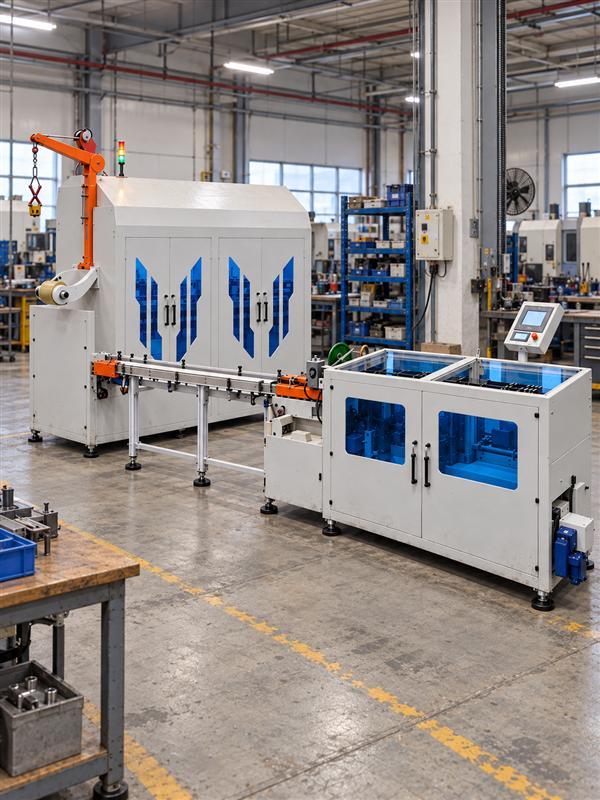
Workshop photograph published with DB-HK-150P. It identifies the gallery context; visible equipment cannot establish electrical demand or the scope of a power rating.
Start with two separate catalogue rows
DOUBLE's published DB-HK-130P page lists rated power of 27 kW. The DB-HK-150P full-servo single-channel pocket tissue line page lists rated power of 50 kW. These are model-specific published figures. They are not measurements of either machine running the buyer's tissue, nor do they establish the installed site's actual electricity consumption.
Retain the model name beside every copied value. A comparison document should also identify the source page and capture date, then leave room for the supplier's confirmed configuration and document revision. If a quotation later changes the equipment supplied, review its utility schedule rather than leaving the original catalogue number attached to a different scope.
Published reference
DB-HK-130P
DB-HK-150P
Rated power
27 kW
50 kW
Published pack-rate range
100–130 packs/min
120–150 packs/min
Published overall dimensions
L14000 × W2500 × H2000 mm
L8000 × W2500 × H5000 mm
Approximate listed weight
8000 kg
6000 kg
Read this as a transcription of two catalogue references, not a validated design comparison. In particular, the stated 5000 mm height for DB-HK-150P remains a source value requiring confirmation against the supplier's arrangement drawing. Do not silently replace an unexpected dimension with a more familiar one. A visible discrepancy is a useful question for the supplier; an invented correction is not.
Why the two power numbers cannot rank efficiency
Rated power and energy used during a run answer different questions. The published pages do not provide a measured energy record for the same tissue, pack format, operating interval and equipment boundary. Dividing a catalogue power figure by a catalogue speed range would therefore create a comparison whose operating basis has not been demonstrated.
The pack-rate ranges also need their own context. The manufacturer states that output depends on product and operating conditions. Two different formats or sheet counts are not automatically comparable because both are called pocket tissue. A higher listed pack rate is not evidence that the buyer will obtain that rate on the selected product throughout a shift.
Keep the units visible in every document. Power in kilowatts and energy over an interval in kilowatt-hours are related quantities, but they are not the same field. A catalogue power rating cannot be renamed as hourly energy use merely because a spreadsheet asks for a consumption number. Leave that consumption field unconfirmed until evidence with the appropriate measurement basis is available.
A commercial comparison also needs the same equipment boundary. If one proposed measurement includes an additional downstream unit and the other stops at individual-pack output, the totals concern different scopes. State that difference before drawing a conclusion. A neat comparison chart cannot repair a missing definition of which equipment was included.
If energy performance matters to purchasing, define a separate proposed evidence request. Identify the product, included equipment and measurement boundary, along with the operating interval and how accepted output will be recorded. Ask the supplier what evidence can be provided on that basis. This article reports no such test and makes no electricity-cost estimate for either model.
The same limitation applies to comparisons drawn from photographs. A larger cabinet, a different enclosure or a compact-looking view does not quantify consumption. The pictures here illustrate the two source galleries; they cannot establish which loads are active together or how the actual build will behave during production.
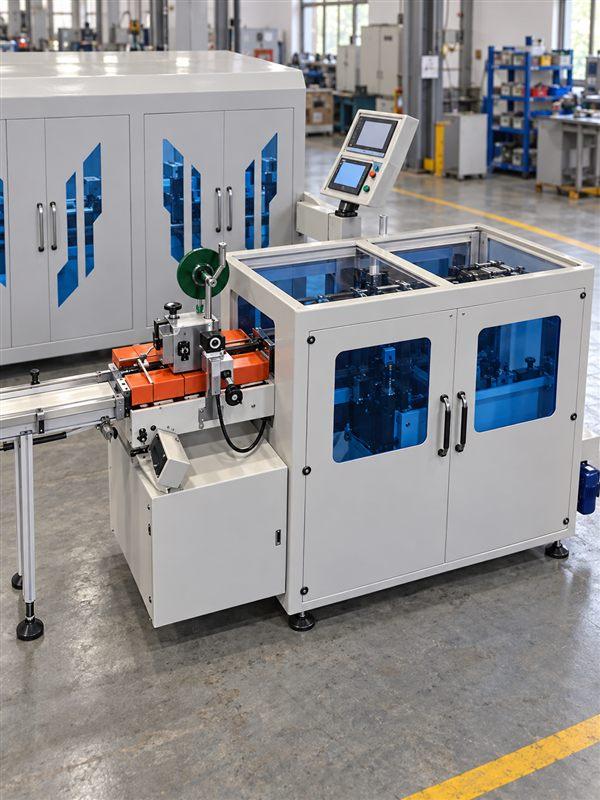
A second DB-HK-150P gallery view. Its transfer and enclosure details do not reveal connected load, simultaneous demand or the final connection specification.
Ask what equipment sits inside the stated boundary
For each model, ask the supplier which supplied equipment is included in the quoted power information. The line description alone should not be used to decide whether every optional unit or downstream item is covered. Identify any separately supplied coding, collection, cartoning or other equipment in the order and request its own relevant information where needed.
A useful schedule distinguishes the main quoted equipment from items supplied by the buyer or a third party. It should also identify the document that governs each item. This is a coordination task: it prevents the site team from preparing a connection for one scope while purchasing expects another. It does not require the buyer to guess the electrical design from a machinery photograph.
Keep terminology exactly as the supplier defines it. If a document gives rated power, installed power or another demand figure, record that label and ask what it represents for the quoted build. Do not rename one quantity as another to fill a spreadsheet column. An unresolved definition should remain open until the responsible supplier clarifies it.
Identify the point at which the supplier's responsibility meets the site's responsibility. Request the applicable connection drawing and any separately required service information for that point. A schedule that lists equipment values but never identifies where they apply can leave the contractor and machinery team working to different assumptions. The responsible parties should settle the interface through their own documents.
The site's responsible electrical professional needs the confirmed supply and connection data for the order. Local voltage, frequency, connection arrangement and other relevant requirements must be agreed for that build. Neither 27 kW nor 50 kW alone specifies a cable, protective device or site distribution design. Those decisions require the responsible team's engineering documents.
Give compressed air a separate line of questions
Both published pages list dry compressed air at a pressure of at least 0.6 MPa and a flow figure of at least 48 m³/h. Preserve those labels and units in the preliminary schedule. Ask the supplier to confirm the requirement for the selected configuration, including the basis of the flow figure and the relevant point of supply.
A shared catalogue air figure does not prove identical consumption profiles or tell the site team how to select a compressor. Request the required air quality and any applicable operating basis from the supplier. Keep unresolved detail visible rather than treating the word “dry” as a complete air-treatment specification.
For the flow figure, ask whether the supplier is describing an average, a demand condition or another stated basis, and what reference conditions apply to the quoted units. Do not supply those answers by inference. Preserve the supplier's returned wording beside the number so that the site's air-system specialist can interpret the requirement on the correct basis.
Link the air information to the same model and quotation revision as the electrical information. If an option is added or a supplied unit changes, ask whether the corresponding requirements change. The schedule should show the answer for the selected order, not an average assembled from the two product pages.
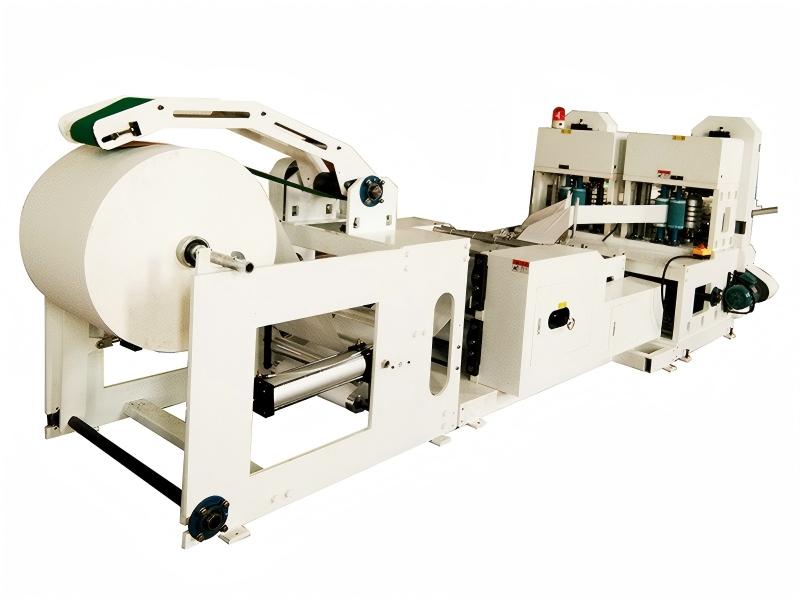
This separate photograph comes from the DB-HK-130P gallery. It is not a DB-HK-150P installation or evidence that the two models share utility connections.
Move from catalogue data to an order-specific schedule
Give the supplier the intended pocket tissue format and the factory's available service information. Ask for a returned schedule with model, supplied equipment, rating definitions, connection requirements and outstanding confirmations. The site team can then review the relevant documents with a clear equipment identity. A generic “power available” note leaves too much uncertainty about what has actually been checked.
Keep the preliminary catalogue row after confirmation, but identify which returned document supersedes it. That provides a traceable explanation if a value changes. The goal is not to freeze an early web specification against a later engineered order; it is to prevent unnoticed substitutions and maintain a clear reason for each current value.
Keep a named owner and a required response for each unresolved field. “Supplier to confirm electrical connection drawing” is actionable; a blank cell can be overlooked as if it meant no requirement. Once an answer is received, attach its document identity and revision. This creates a usable path from an early equipment comparison to the site team's confirmed information.
Check copied schedules when documents are reissued. Model names, units and boundary notes can be lost when a table is shortened for purchasing. Retain them in the working version used by the supplier and site team, even if the commercial summary is shorter.
Before site work relies on the schedule, resolve the open items through the responsible parties. Each model should still have its own coherent row set. The final comparison may show differences in supply, equipment scope or confirmed arrangement, but those differences should come from documents for the actual builds, not from combining whichever published values appear most convenient.






 Tel: +8613908196540
 Email: info@doubletissuemachine.com
 MP/WhatsApp: +8613908196540
 Manufacturer Address:Dongguan, Guangdong, China