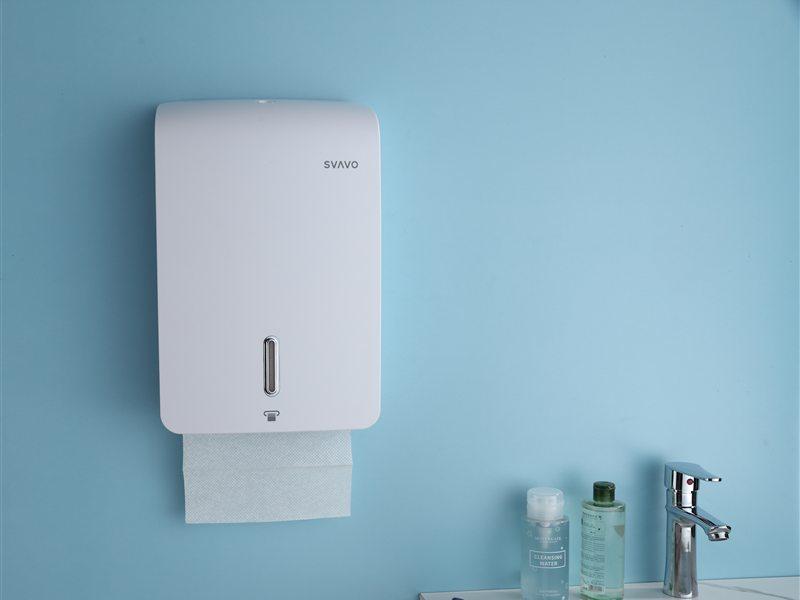
Compare hand towel candidates in the same dispenser, with the same loading method and a recorded withdrawal procedure. Changing the cabinet between samples can change the result as much as changing the towel. A useful trial follows each stack from loading through depletion and records what users can actually observe: access to the first towel, ease of grasping, unintended multiple withdrawal and any obstruction. The trial should identify suitable product combinations for the selected cabinet. It should not turn one successful pull into a general claim that a folding machine suits every dispenser.
Keep the cabinet as the fixed test fixture
Identify the dispenser model and the physical cabinet used. Inspect its condition and confirm that the parts supporting or retaining the towels are fitted as intended. A missing support or a damaged opening can distort the comparison. If the buyer will use several cabinet designs, run separate comparisons and keep their results distinct.
Position the cabinet consistently. Mounting orientation and access should represent the intended use, rather than a convenient position on a desk. Follow the dispenser manufacturer's loading instructions where available. Record the direction in which towels are inserted and the initial quantity. Different loading pressure or an overloaded cabinet can make equivalent towels appear different.
Before comparing candidates, use the same method to clear and reload the cabinet. Do not leave remnants from one product under another or reshape one stack more carefully than its alternative. Where loading preparation is necessary, describe it and apply it consistently. The comparison should reveal the product difference being investigated, not the care taken with one sample.
A towel stack is only one part of the trial. Its loading orientation and the selected cabinet must also be recorded.
Name the candidate without relying on its appearance
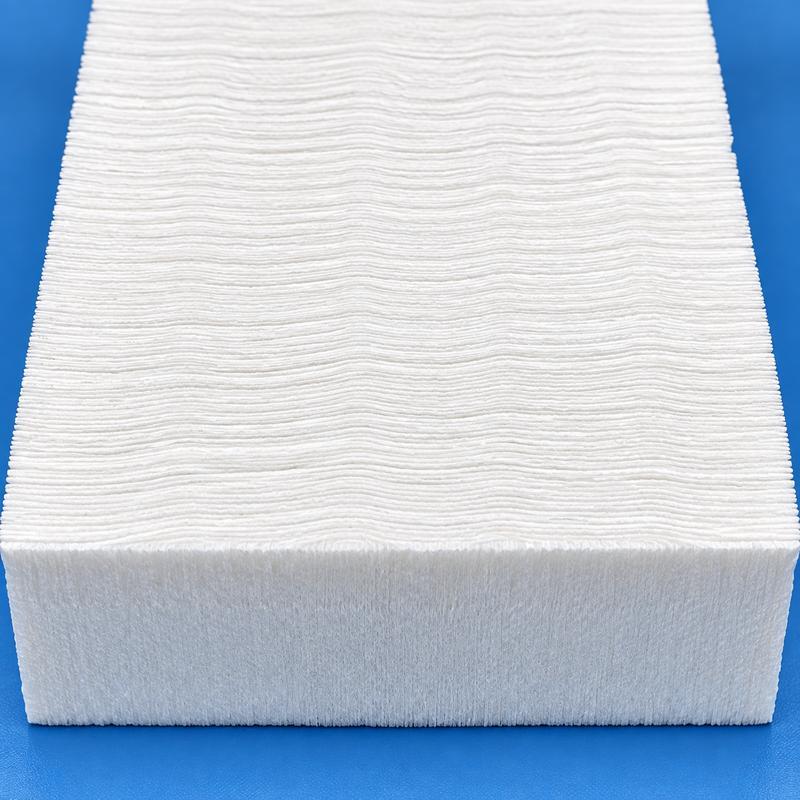
Give each towel candidate an identifier and retain its paper specification, opened dimensions, folded footprint and count. Record the actual folding arrangement supplied for the trial. Do not infer it from a machine model code or from a photograph of stacked white paper. The supplier should confirm the finished product definition that the machine proposal is intended to produce.
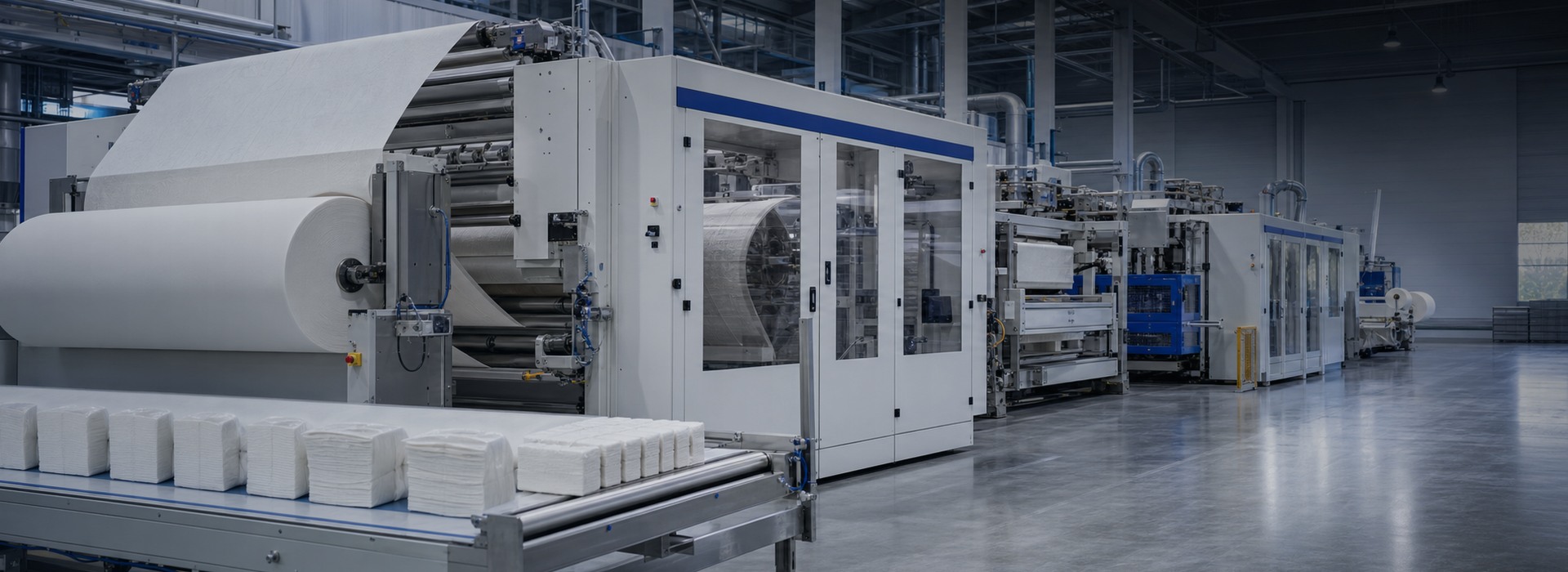
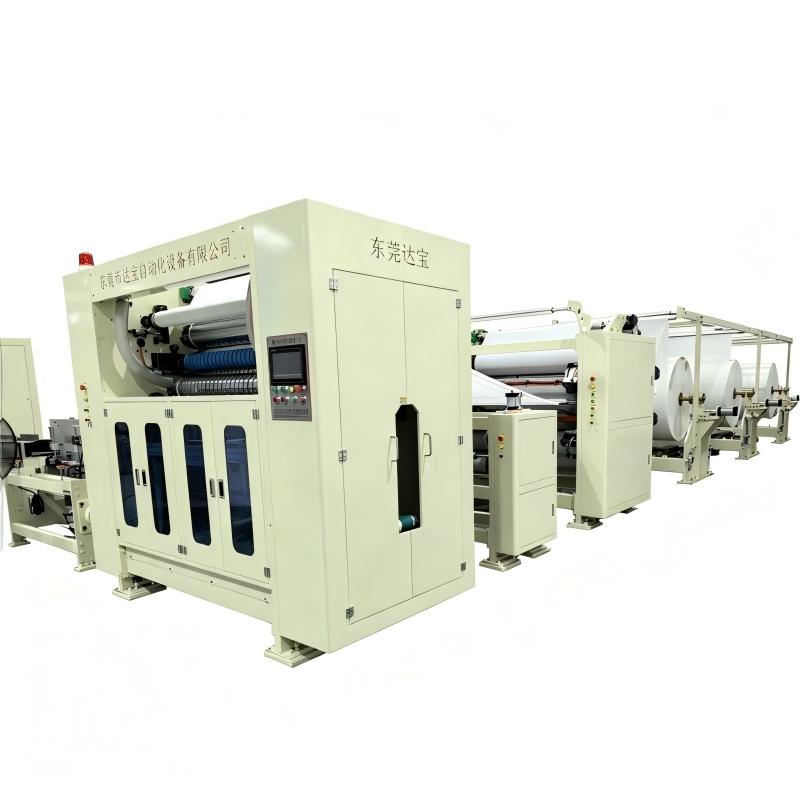
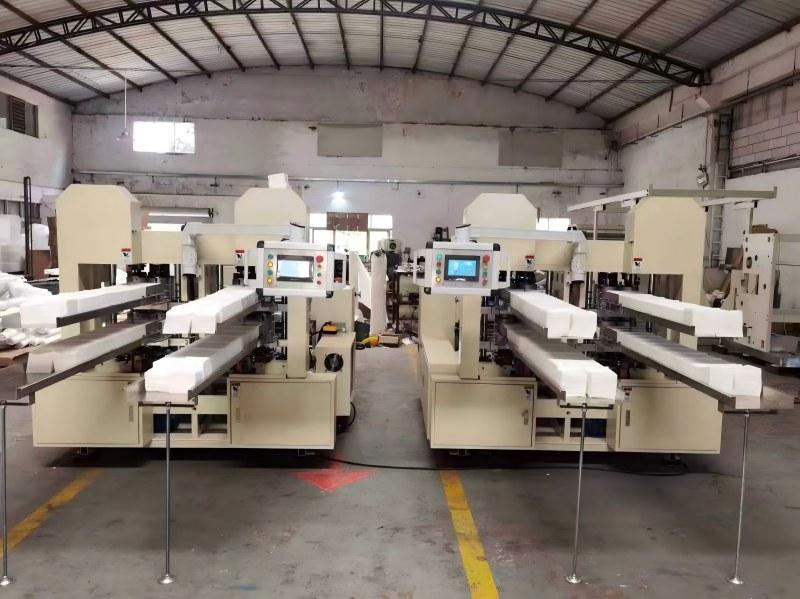
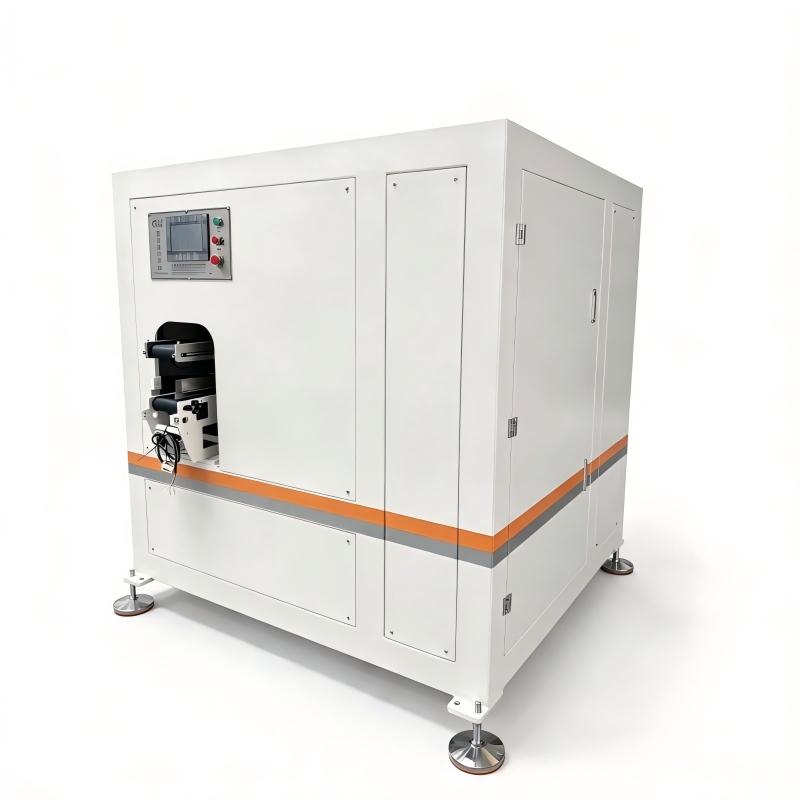
The DOUBLE DB-N-225 hand towel folding machine page describes converting parent rolls into hand towels, with cutting, automatic collection and side discharge. It requests finished size and folding requirements for quotation. That supports an enquiry about a specified towel; it does not establish a particular interfold pattern or universal dispenser compatibility.
Where samples differ in several respects, name all those differences. A paper grade, embossing finish and fold geometry changed together create a product comparison, rather than a controlled fold-only comparison. That can still be useful to a buyer choosing between actual products. It simply needs to be described honestly so that the result is not attributed to the wrong feature.
Use one withdrawal procedure for both candidates
Agree how a trial withdrawal is performed. Identify the intended grasping point, the general direction of the pull and the way observations are recorded. A forceful tug at one sample and a careful lift of another are not a useful comparison. The procedure should represent the use question being asked without pretending that every user acts identically.
Use the same people for both candidates where practical, and record their observations before discussing the result together. If personal judgement is part of the trial, an anonymous sample code can reduce the influence of brand preference. That is a proposed comparison method, not a claim that an informal trial has the precision of a laboratory test.
Record each withdrawal event rather than relying on a final impression. Note whether one towel was obtained, whether extra towels came out unintentionally and whether the user had to reach into the opening. If a sheet tears, retain it and describe the visible event. An event log makes a later explanation more reliable than a broad comment that a stack was easy or difficult.
Define the event labels before the comparison. For example, separate an unintended extra towel from an intentional second withdrawal, and distinguish a torn towel from one that was already damaged when loaded. These definitions keep observers from recording the same event differently. They need only be detailed enough to answer the procurement question.
Follow the stack through four useful observations
Loading. Observe whether the stack enters and sits in the cabinet using the agreed method. Record any extra manipulation required. If the folded width or stack height prevents normal loading, stop and describe that fit issue before interpreting withdrawal behaviour.
First towel. Check access at the initial fill level. Record whether the intended towel portion is presented and how the first withdrawal begins. A specially prepared first sheet should be noted if preparation is part of the proposed product or loading method.
Middle of the stack. Continue the same observations after a recorded quantity has been removed. This checks whether the initial result persists as support and loading pressure change. Keep any adjustment separate from the original sequence.
Near depletion. Examine the final portion of the stack under the same procedure. Record difficulty reaching the remaining towels, displacement within the cabinet or other observed obstruction. The end condition should be reviewed alongside the good initial result.
Those observation points are a way to organize the trial, not mandatory universal fill levels. Choose the actual quantities with the buyer and dispenser supplier, then retain them in the record. If normal service involves topping up a partly used cabinet, consider a separate observation of that practice. Do not merge it into the original full-stack comparison without identifying the changed condition.
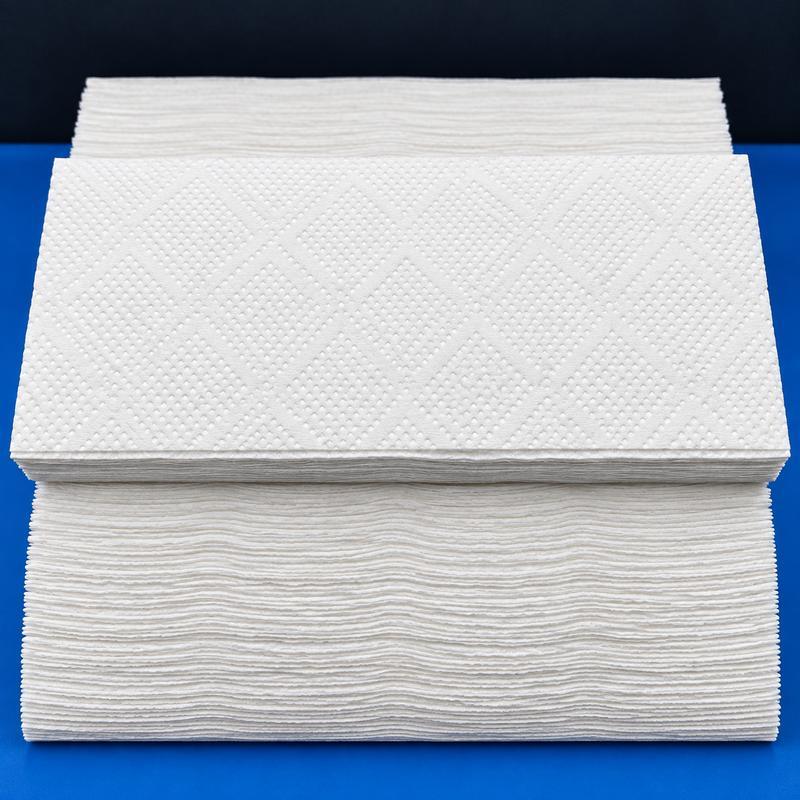
Visible embossing distinguishes this published sample's appearance. Its paper identity and dispensing result cannot be established from the image.
Separate a fit issue from a withdrawal observation
If a stack cannot be loaded normally, begin with dimensions and loading instructions. It is premature to blame the folding process for withdrawal behaviour in a cabinet where the stack is already forced into position. Refer the product drawing and cabinet measurements to the responsible suppliers. A revised fit should be checked before the dispensing comparison resumes.
If loading is acceptable but withdrawals differ, preserve the sample and event details. Note where the sheet was grasped, whether neighbouring towels moved and whether the remaining stack changed position. Those observations can guide a review of the product arrangement. They should not become unsupported adjustment instructions for the folding machine or the dispenser.
A single unusual event deserves recording, but its importance depends on the agreed sampling plan and repeat observations. Define that plan before deciding which candidate passes. No failure percentage or number of pulls is universally appropriate for every product and cabinet. The buyer should agree the acceptance criterion that answers its own service requirement.
Repeat the conditions that could change the conclusion
Use another representative stack from the same candidate to check whether the observation recurs. Preserve its lot identity. If the comparison uses machine-produced samples, identify when and where those stacks were collected. A result based on one carefully chosen stack should not be presented as proof of an entire production range.
Vary the order in which candidates are tested if repeated trials are planned. Familiarity with the cabinet may affect how carefully a person loads or grasps later samples. Keeping the procedure fixed and changing the sample order helps expose that influence. Record the sequence so that any difference can be reviewed.
Consider the state in which towels reach the dispenser after normal packing and handling. A loose stack supplied directly from converting may not represent a stack removed from the final distribution pack. Where that difference matters, make the receiving condition a separate trial case and apply it equally to both products. This keeps packaging effects visible.
After a paper or product revision, repeat the relevant comparison in the same cabinet. A retained nominal size alone does not establish that the changed towel behaves identically. Update the candidate record so that staff can distinguish the accepted revision from the previous sample, especially where their appearance is similar.
The machine proposal should reference the confirmed towel specification evaluated in the selected dispenser.
State the conclusion as a product-and-cabinet match
Report the towel identifier, cabinet, loading method, sampling plan and observed events together. Identify the agreed criterion and whether the tested combination met it. Describe unresolved observations precisely enough for the supplier to respond. This makes the report usable for procurement without extending its result to products or dispensers that were never compared.
Retain an accepted sample and the cabinet reference with the machine enquiry. Ask the machinery supplier to confirm the finished towel requirements and the scope needed to produce them. The evidence then travels in the right direction: an observed product requirement informs the equipment proposal, while a machine label does not stand in for a dispensing trial.



 Tel: +86 139 0819 6540
 Email: info@doubletissuemachine.com
 MP/WhatsApp: +86 139 0819 6540
 Manufacturer Address:Dongguan, Guangdong, China