Center Pull Toilet Tissue Rolls: Production Equipment and Application Guide
This application guide explains how DOUBLE Machinery equips B2B tissue converters to produce center pull toilet tissue rolls. It focuses on product characteristics, production workflow, and the machinery that supports consistent output for commercial and industrial buyers.
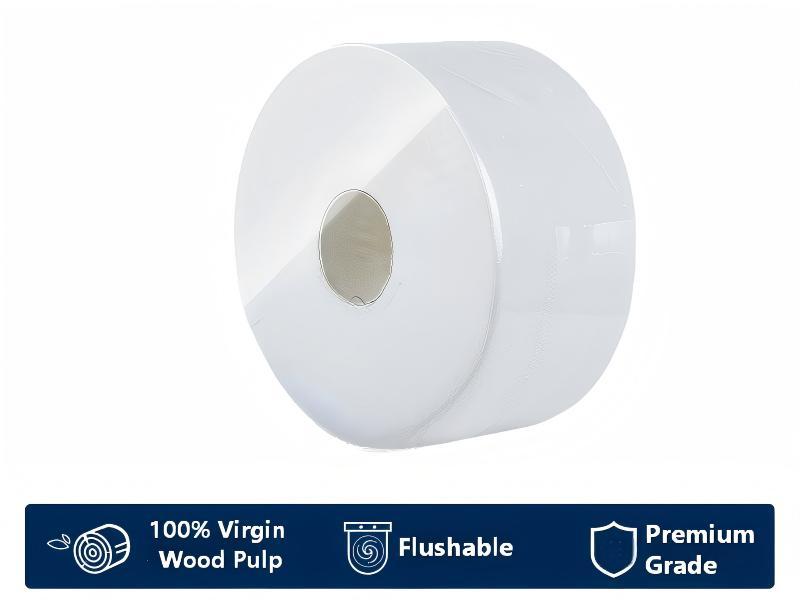
Product Characteristics and Market Application
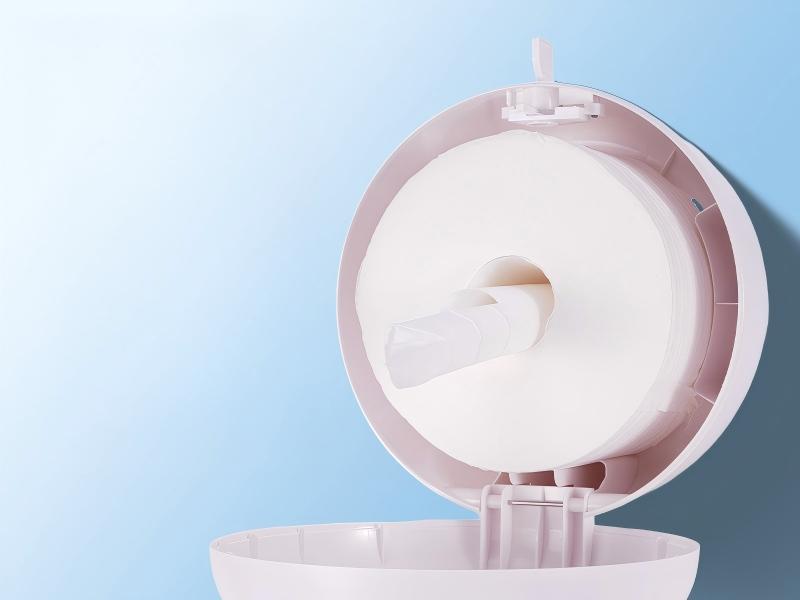
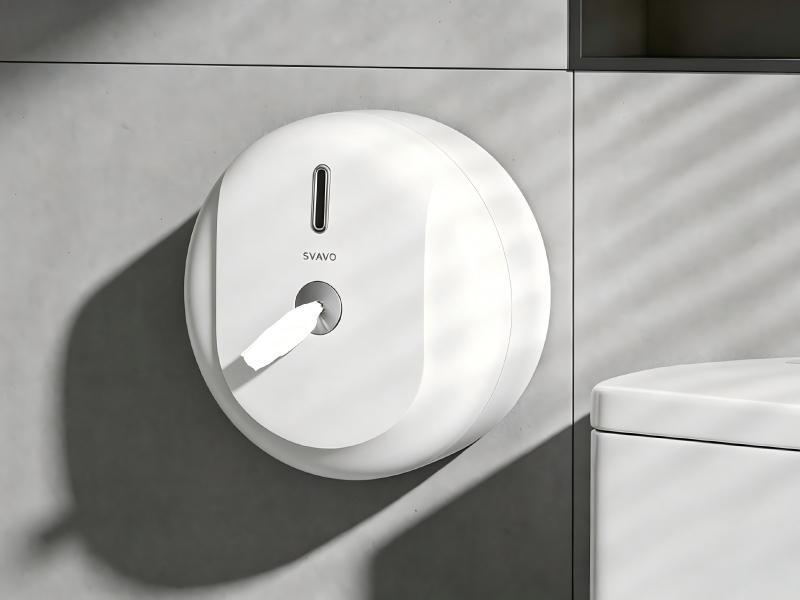
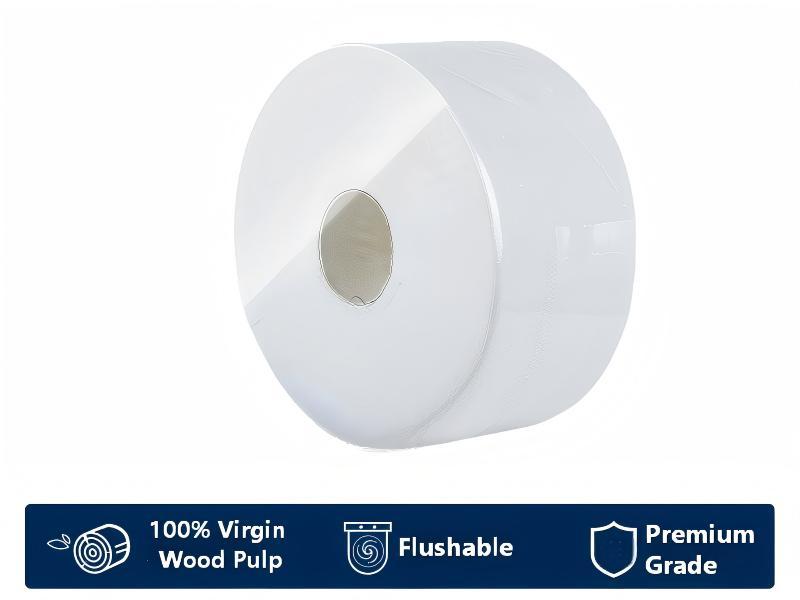
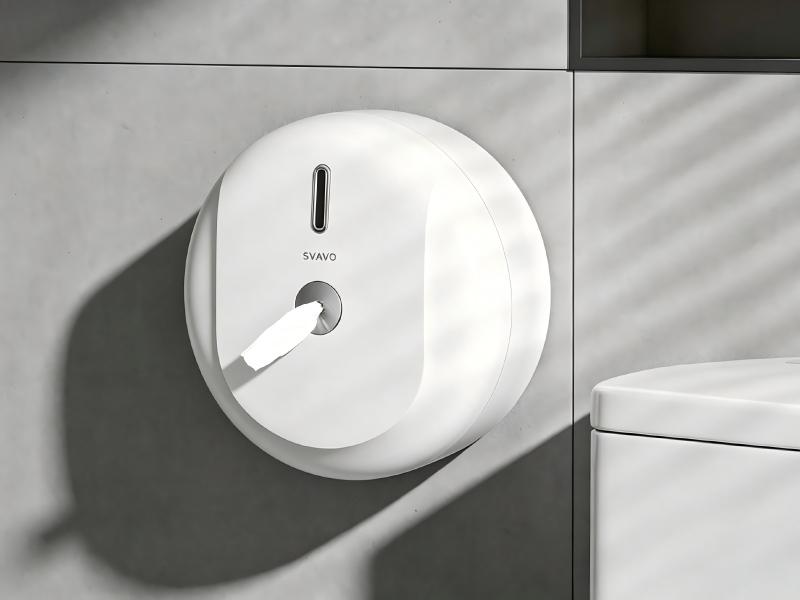
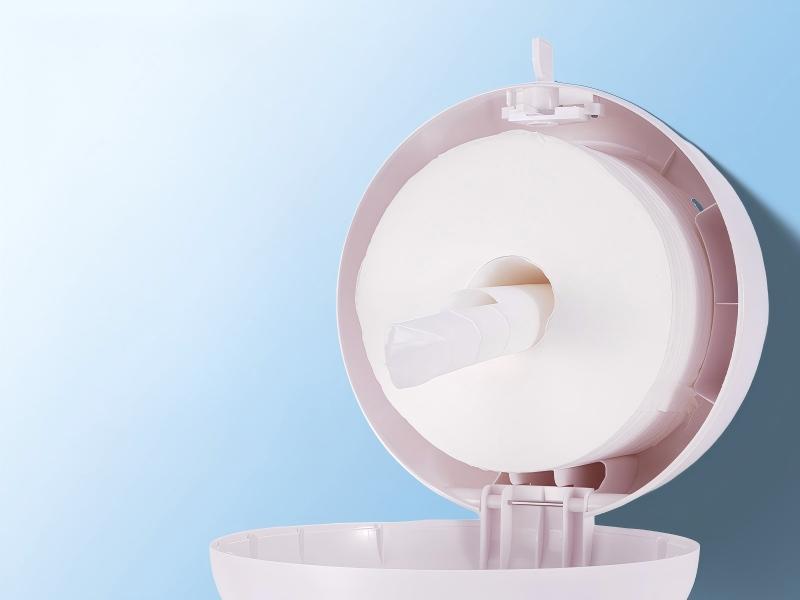
Center pull toilet tissue rolls are designed for controlled, one-at-a-time dispensing. They are commonly used in public restrooms, offices, hotels, and other high-traffic facilities where hygiene and reduced waste are priorities.
For converters, the key requirements are consistent roll density, clean perforation, and reliable coreless or cored formats that match commercial dispensers.
Production Workflow and Corresponding Equipment
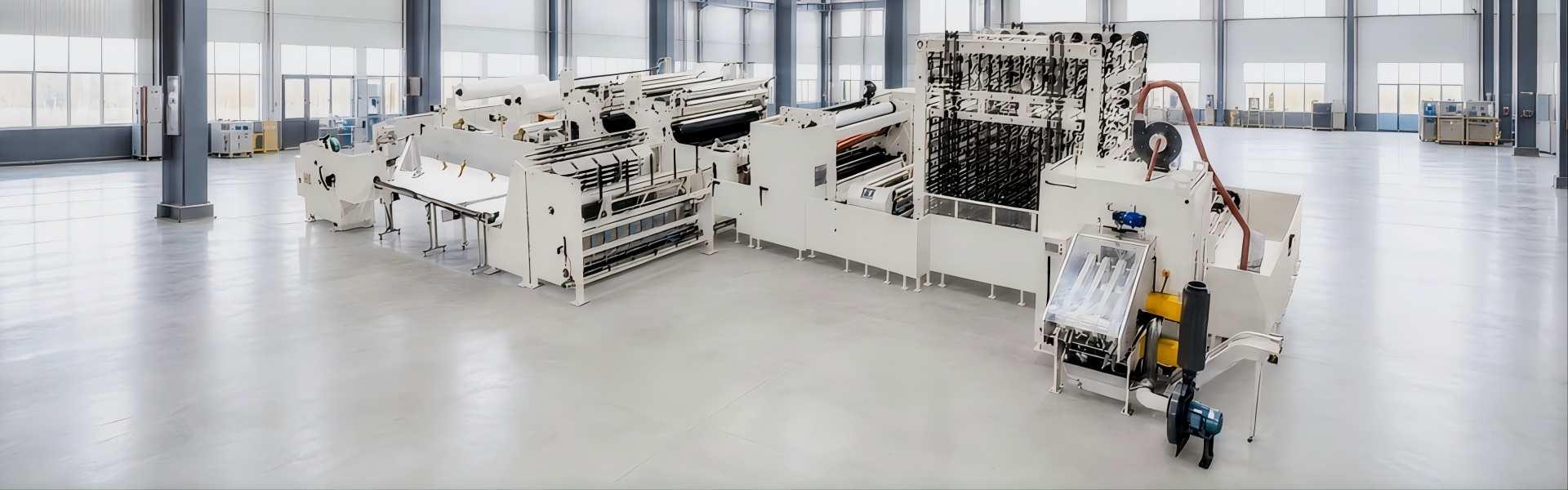
The production of center pull toilet tissue rolls follows a clear converting sequence. Each stage requires specific equipment to maintain quality and efficiency.
|
Production Stage
|
Equipment Function
|
|
Rewinding
|
Converts parent rolls into finished jumbo rolls with controlled tension and perforation.
|
|
Cutting
|
Log saws cut the jumbo roll into precise finished widths for center pull rolls.
|
|
Wrapping
|
Automatic wrapping machines package the rolls for distribution and retail readiness.
|
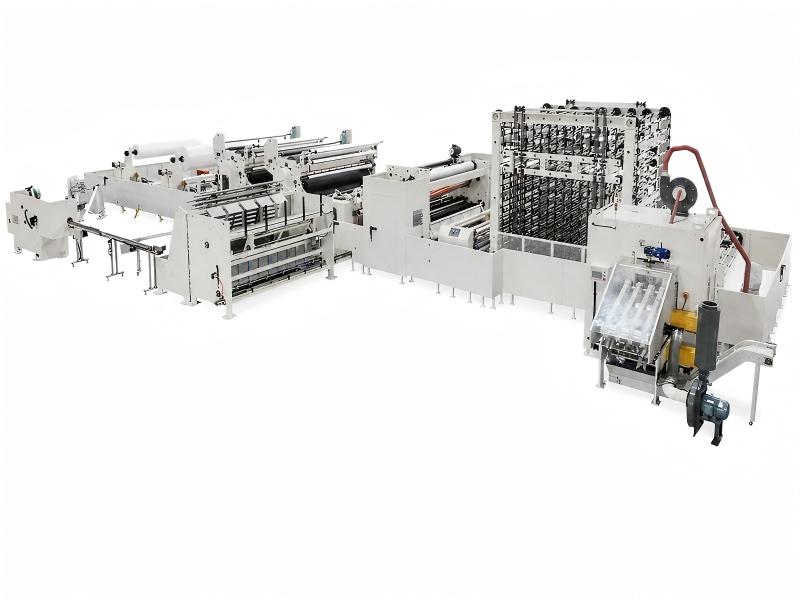
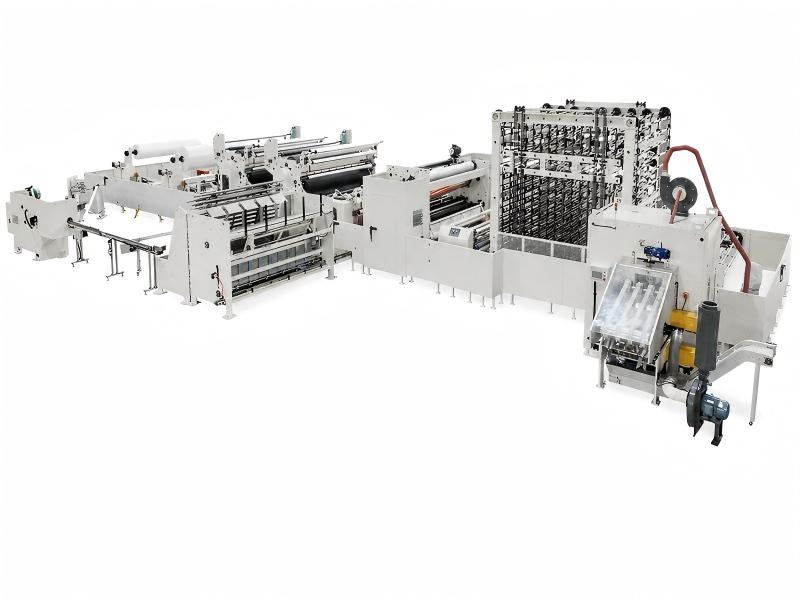
For a complete production line, the DB-R300 Non-Stop Toilet Paper Rewinder Line offers continuous rewinding, while the DB-TR-120P Automatic Toilet Tissue Paper Wrapping Machine handles the final packaging stage.
Equipment Selection Considerations
Choosing the right machine depends on your target output, finished roll size, and factory layout. Key factors include parent roll width, required production speed, and the level of automation needed for your operation.
DOUBLE Machinery provides configuration support to match equipment to your specific product format and facility constraints.
Get a Machine Recommendation
To receive a tailored equipment proposal, share your production details. Include your target roll size, required output per shift, available floor space, and current utility setup. This helps our engineers recommend the most suitable machine configuration for your plant.




 Tel: +86 139 0819 6540
 Email: info@doubletissuemachine.com
 MP/WhatsApp: +86 139 0819 6540
 Manufacturer Address:Dongguan, Guangdong, China