Automatic Napkin Tissue Packing Machine Installed in Brazil in 2024
In 2024, a tissue products manufacturer in Brazil added a DB-NK-150P automatic napkin tissue packing machine to improve the packaging stage of its folded paper napkin operation.
Project Background
The customer produced folded napkins for restaurants, cafés, catering companies, and private-label distributors. Napkin folding and counting were already completed by the existing converting equipment, but the finished stacks still required considerable manual handling before sealing.
Operators collected the napkins, straightened each stack, placed it into the packaging film, and checked the pack shape by hand. This process was manageable for short production runs, but it became less practical when the factory needed to prepare larger orders with several pack quantities.
The customer therefore wanted to automate the primary packaging stage without replacing the existing napkin folding machines.
Customer Requirements
The packing machine needed to handle the customer's main folded napkin formats and maintain the counted stack during transfer. The project review covered:
-
Folded napkin length and width
-
Number of napkins per pack
-
Finished stack height
-
Incoming stack orientation
-
Packaging-film material and roll dimensions
-
Straight or zipper-style tear opening
-
Required package appearance
-
Available floor space and operator side
-
Connection with the existing collection section
The customer supplied folded napkin stacks and printed-film samples so the feeding and sealing sections could be reviewed using the intended production materials.
Equipment Configuration
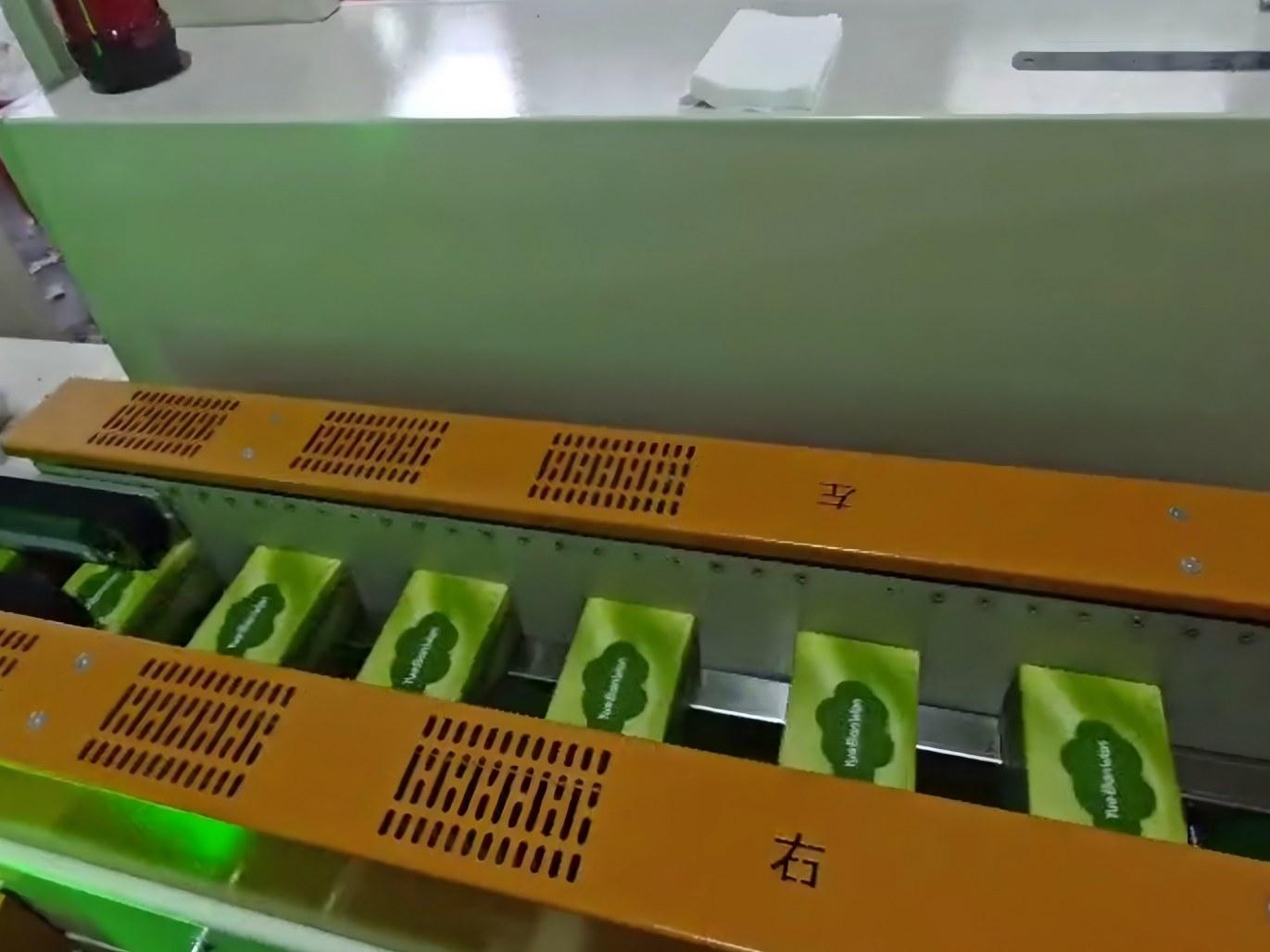
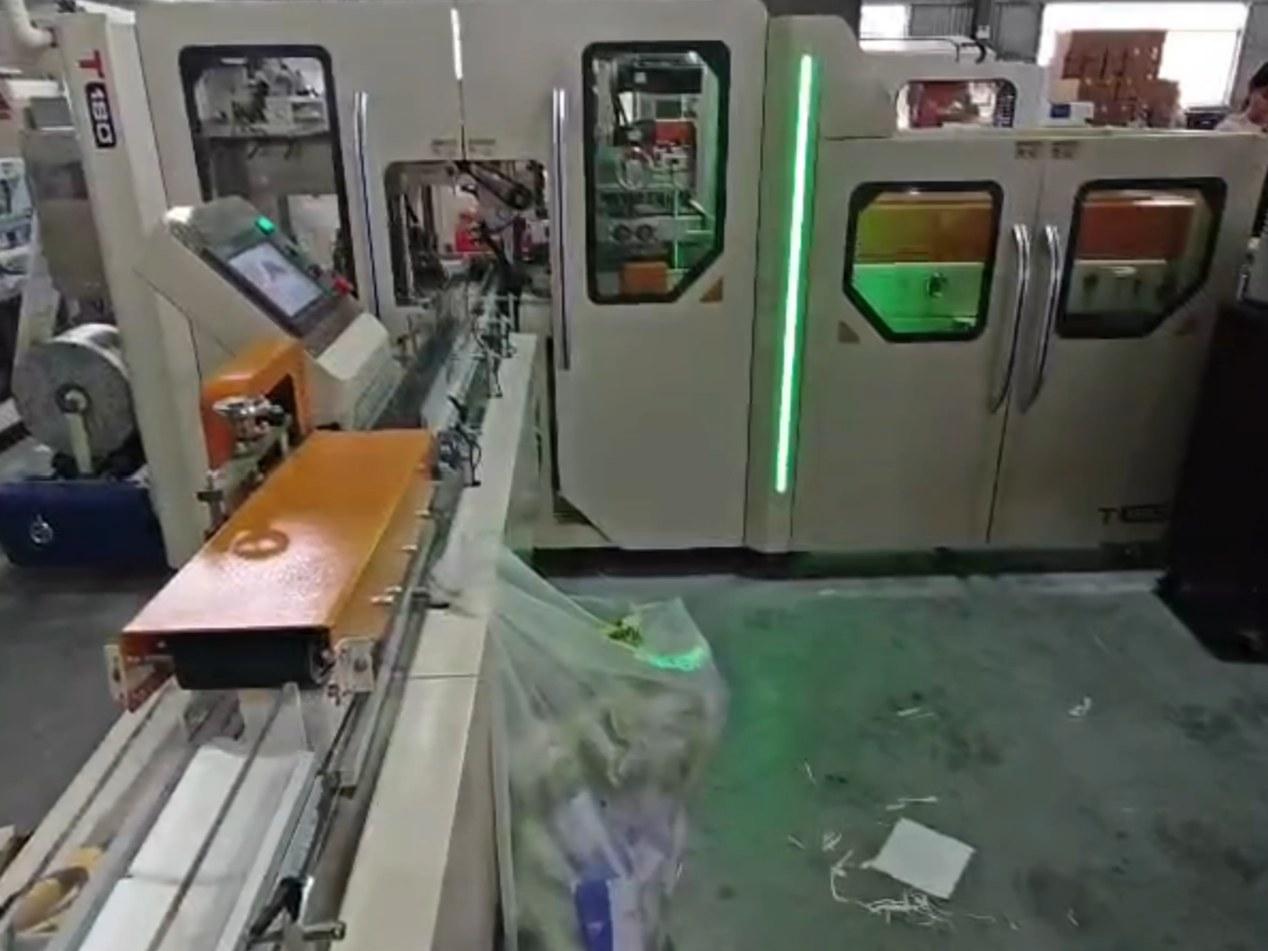
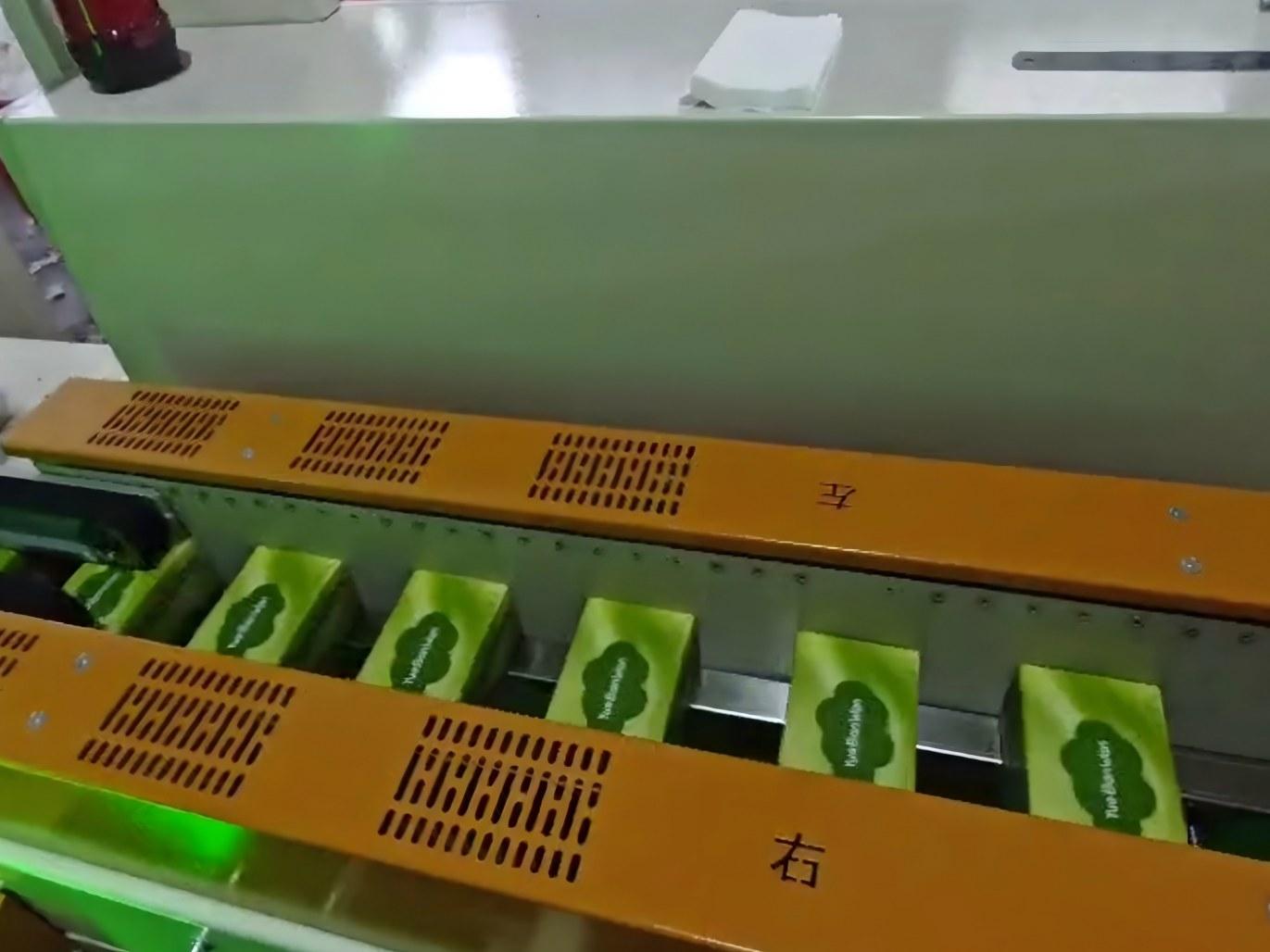
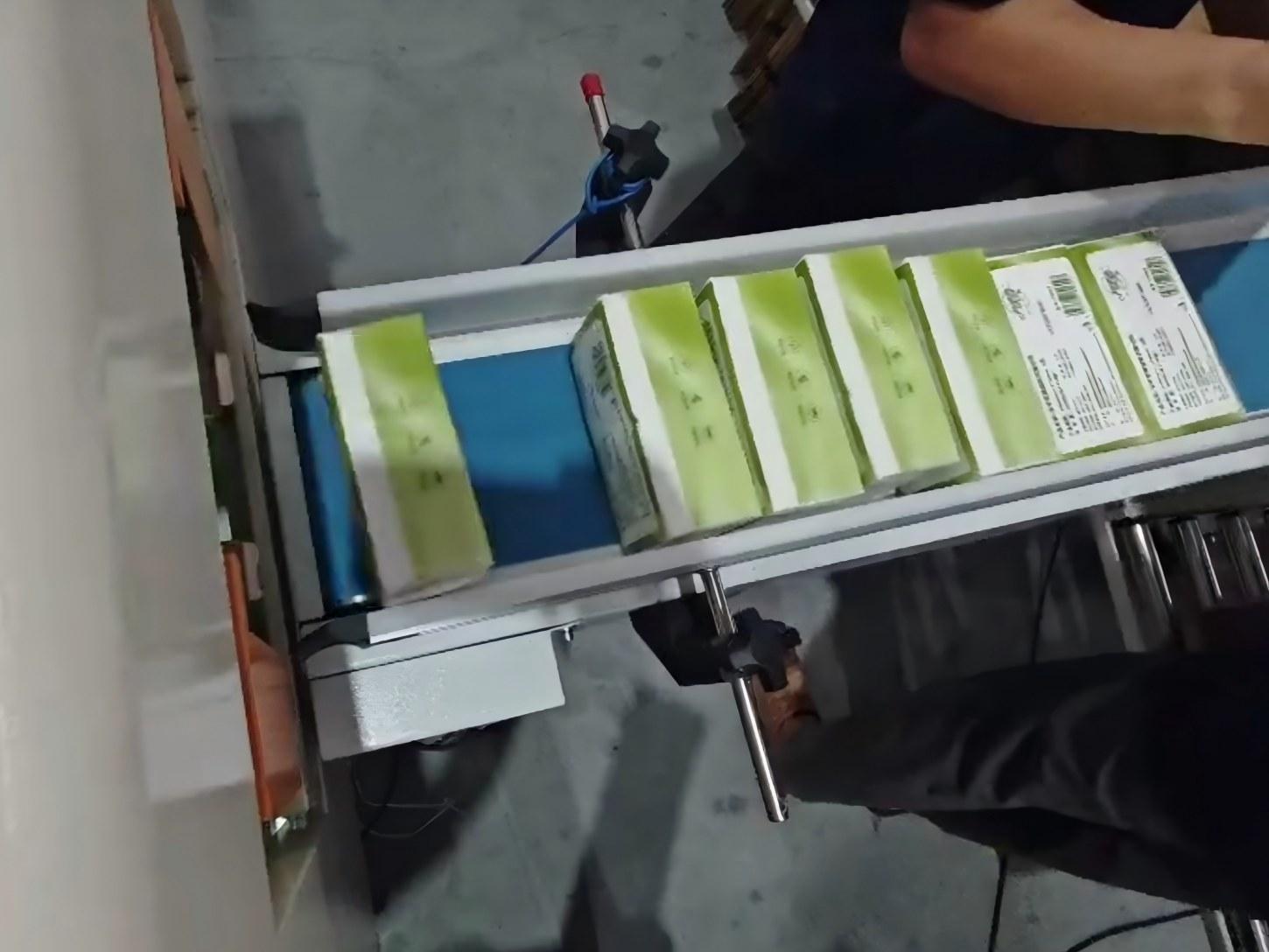
The DB-NK-150P automatic napkin tissue packing machine was selected for packing the counted napkin stacks into individual soft packs.
During commissioning, the infeed guides, product-pushing position, film tracking, photoelectric mark detection, sealing temperature, and tear-opening position were adjusted for the approved package.
The operators recorded separate settings for the main napkin quantities because a change in sheets per pack affected the stack height, film length, and sealing position.
Production Connection
A key part of the project was the handoff between the napkin converting section and the packing machine. Folded napkins needed to arrive as stable, counted stacks rather than loose sheets.
The feeding height and stack direction were therefore checked against the customer's existing collection arrangement. Space was also reserved for operators to inspect the stacks, replace film rolls, and clear the feeding area when changing products.
Where a fully automatic connection is required, a compatible napkin stack transfer unit can be reviewed separately. The transfer and packing stages should be matched to the actual stack count and machine layout rather than treated as an automatic connection.
Project Result
The new packing machine gave the customer a clearer production route from folded napkin stacks to finished retail packs. Manual insertion and repeated stack adjustment were reduced, while the finished packages became more consistent in shape and sealing position.
The customer could continue using the existing napkin machines and add automated packaging only where required. Different napkin products could be managed by saving the relevant feeding, film, and sealing settings for each approved format.
Buyer Takeaway
For a similar napkin tissue packing project, provide folded napkin samples at the intended pack quantity, the finished package drawing, film specification, printing-mark position, tear-opening requirement, incoming stack direction, and available factory layout.
The packing machine should be selected from the actual napkin stack and package—not from the unfolded napkin size alone.
Planning a napkin packing upgrade? Share your folded napkin size, sheets per pack, finished stack height, film specification, tear-opening requirement, target output, available floor space, and voltage/utilities so the packing configuration can be matched to your line.




 Tel: +8613908196540
 Email: info@doubletissuemachine.com
 MP/WhatsApp: +8613908196540
 Manufacturer Address:Dongguan, Guangdong, China