A toilet-roll changeover starts with the product boundaries, before anyone promises a changeover time. State the core type, core dimensions, finished roll width and diameter, sheet length and paper construction for each format. Then ask which changes are settings, which require parts and which require a separate configuration review. Core and coreless production deserve separate confirmation even when they are offered in one product range. The useful result is an agreed route between defined products, including the first accepted output and the downstream equipment that must change with them.
Describe the products at both ends
Write two complete product descriptions: the format being left and the format being entered. A request to change from “small roll” to “large roll” leaves several variables unresolved. The larger diameter could come from more paper, different paper bulk or a different winding condition. Record the intended finished dimensions and paper specification so that the proposal identifies the actual change.
Include the core inside diameter, outside diameter, length and material where a core is required. Supply actual cores as well as drawings for technical review. For a coreless product, provide the intended sample and describe the central opening or finished centre in terms the supplier can confirm. Do not use the cored product's dimensions as a complete definition of the coreless version. The forming and later handling conditions need their own review.
The changeover review should reach the first accepted downstream product, not stop at an adjusted machine setting.
Confirm what core interchange includes
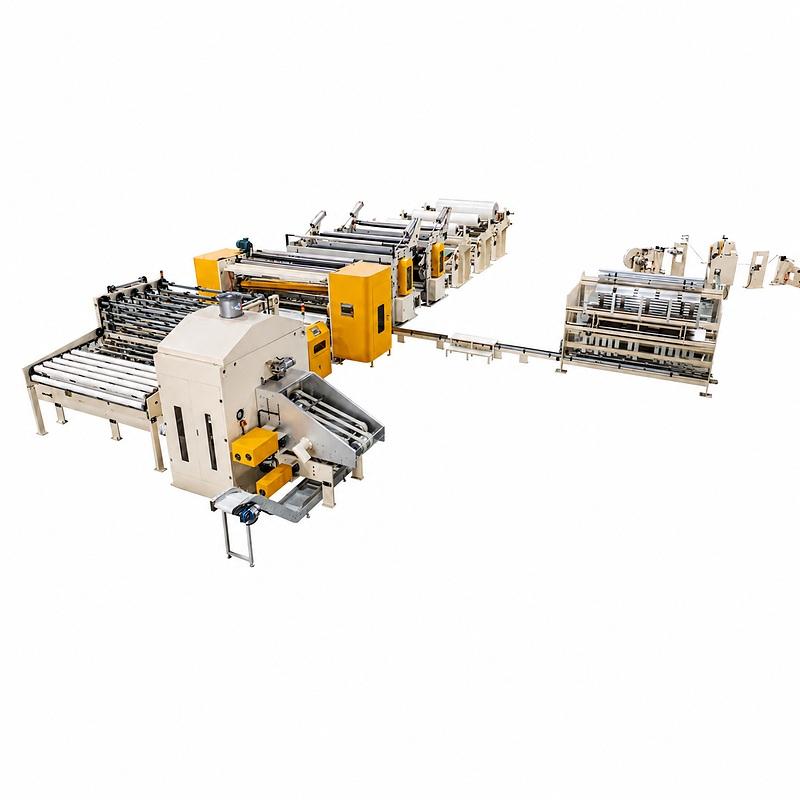
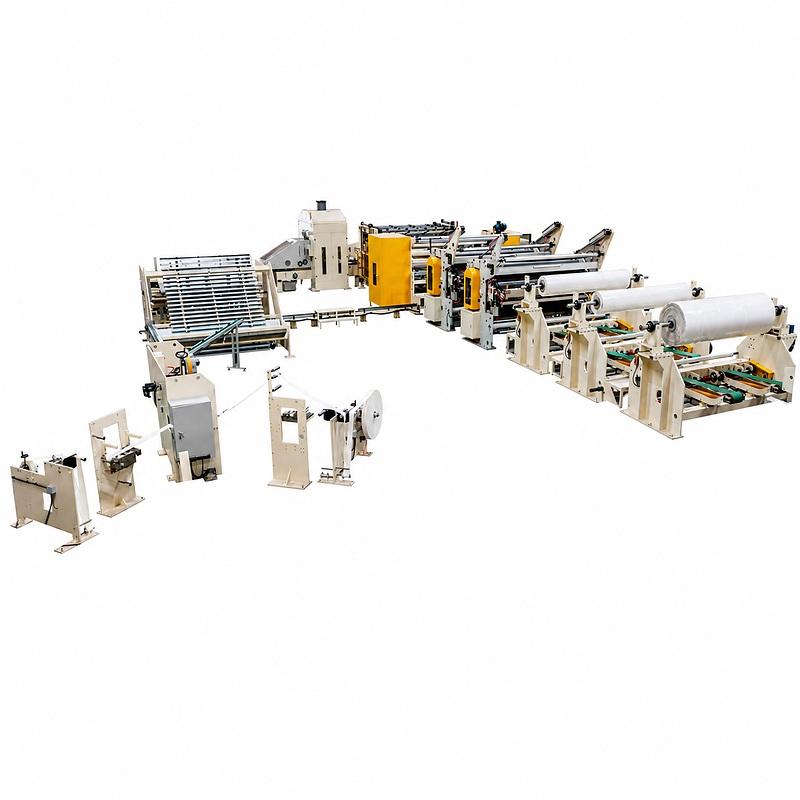
DOUBLE describes the DB-R300 as a rewinder line with core and coreless roll-forming options. The product page also lists independent drives and optional unwind, embossing, printing and lamination configurations. These facts provide a basis for an enquiry; they do not establish a universal procedure or elapsed time for switching every product. Ask the quotation to identify the exact forming arrangement supplied for each intended roll type.
For the proposed interchange, request a list of adjustments, replacement parts and any product-specific items that must be kept available. Identify who confirms the core specification and which samples will be used for the review. If both forms are required at installation, put both in the acceptance scope. An offer that includes one form now and reserves the other for a later modification should be compared on that basis.
Order boundary: “Core and coreless available” is a range statement. The order needs to name the two approved products and the supplied means of moving between them.
Map the change beyond the rewinder
Product change
Section to review
Information to request
Core specification or roll centre
Forming and subsequent handling
Confirmed forming arrangement, required items and receiving condition
Finished roll width
Log cutting and roll collection
Cut pattern, handling of edge material and accepted cut product
Outer diameter or sheet quantity
Winding and downstream packing
Finished product limits, pack fit and supplied adjustment scope
Paper ply, embossing or lamination
Unwind and selected converting units
Approved paper input, selected configuration and new sample requirement
This map prevents a rewinder change from being approved in isolation. A new roll width has consequences at cutting and collection. A different diameter may require a new pack arrangement. Even when those machines are outside the supplier's scope, their receiving conditions should be stated. Name the party responsible for confirming each interface so that an unresolved downstream change is visible before the order is placed.
Distinguish a working range from a demonstration
Ask for the approved range of each supplied configuration and for the product samples used to confirm it. A demonstration at one width and diameter establishes a result at that condition; it does not prove every combination of the stated maximum and minimum dimensions. Where the intended product family approaches a boundary, identify those combinations for technical review rather than selecting only a comfortable mid-range sample.
Do the same for paper construction. The DB-R300 page lists unwind and converting options, but a product programme still needs to state the paper and selected options for each roll. A change in ply or embossing may change the finished sample even if the nominal outer dimensions remain the same. Keep the configuration and product records together. Do not describe all options as included unless the approved proposal actually includes them.
Unwind, forming and downstream requirements should be reviewed as part of the same format change.
Define the start and finish of changeover time
If changeover time matters to the production plan, define its boundaries before measuring it. The start might be the last accepted product of the old order; the finish might be the first accepted product of the new order after the required checks. Other definitions are possible, but both parties need to use the same one. A time that excludes material clearance, component replacement or sample inspection should say so explicitly.
Record preparation that can occur while the old order is still running separately from work that requires the line to stop. Also record adjustment output and product held for checking. A quick mechanical adjustment does not mean that saleable output has resumed. The order should identify the supplied change items, operator responsibilities and acceptance checks that belong within the proposed time boundary. Treat any quoted time as conditional on those stated assumptions.
Use the supplier's approved operating and safety procedures for the actual change. A purchasing article cannot prescribe how to work inside a rewinder or its guards. For the review, the useful questions are whether the supplied instructions cover the agreed product pair and whether the change can be demonstrated with the intended equipment, materials and trained personnel.
Keep the first accepted output identifiable
Label the transition samples and the first output accepted for the new order. Check the core or centre condition, roll dimensions, sheet specification and downstream fit against the new product definition. Retain samples from cutting as well as winding where that equipment is in scope. If a problem appears only after transfer or packing, identify that stage before treating the rewinder setup as the sole cause.
Keep the last old-format material separate during the transition. Remaining cores, partly processed product and packaging need clear identification. The new order record should show which settings or items were selected and which sample was accepted. This creates a usable reference for the next change to the same format, without claiming that an unrecorded trial was a repeatable production result.
Different finished roll formats need separate product descriptions, including their centre and cut width.
Send the changed roll to its actual receiver
A coreless roll may require a different receiving review from a cored roll even when the outside dimensions are similar. Supply both samples to the party responsible for cutting, transfer and packing. Ask that party to confirm the presentation and support assumed by its equipment. The rewinder's forming option should not be used as evidence that an existing downstream machine will handle the changed product without review.
For a multi-roll retail pack, identify the arrangement and orientation of the new rolls. Review the package with actual accepted samples, not a drawing of empty spaces. If the finished diameter changes, retain the revised package specification with the roll definition. This closes a common gap between a successful forming demonstration and the product the factory expects to sell.
Review both directions of a recurring transition
If production will regularly alternate between two formats, ask whether the proposed demonstration covers the return change as well as the first change. Restoring an earlier product requires the correct items and a defined reference, just as introducing the second product does. Record which settings are retained and which physical items are changed under the supplied procedure.
Keep the accepted samples for both directions labelled. If an issue appears only when returning to the first format, the changeover record should expose it rather than reporting a single best elapsed time. This gives the production planner a more useful picture of the proposed mixed-order routine and identifies any preparation required before the next transition begins.
Compare the scope of competing proposals
When reviewing the DB-R300 toilet and kitchen paper rewinder line, provide the complete product pair and ask for a changeover scope tied to those samples. Compare proposals by the supplied forming arrangement, change parts, downstream assumptions and acceptance definition. A lower equipment price may reflect a narrower format scope rather than the same changeover route delivered more cheaply.
Resolve any format that remains outside the confirmed scope before assigning it to the production plan. If an additional format is expected later, identify what must be reviewed when it is introduced. The buying decision becomes clearer when each roll has defined boundaries and each transition has a named set of tasks, materials and checks. That is a firmer basis for planning mixed orders than a general promise of rapid interchange.







 Tel: +8613908196540
 Email: info@doubletissuemachine.com
 MP/WhatsApp: +8613908196540
 Manufacturer Address:Dongguan, Guangdong, China