



Checking Rewound JRT Rolls Before Downstream Handoff
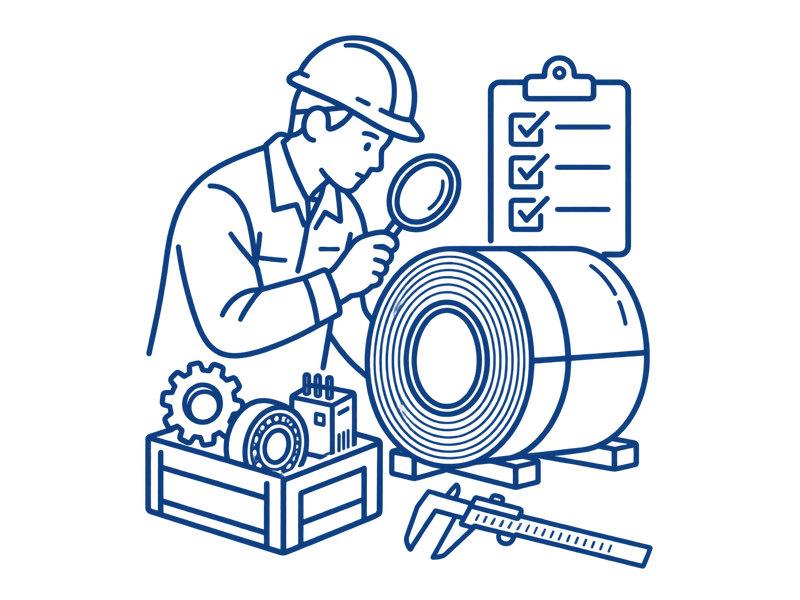
Define the roll condition required by the next operation in a DB-JRT500 project. Inspect trial JRT rolls as they leave rewinding and review the proposed handoff sequence.
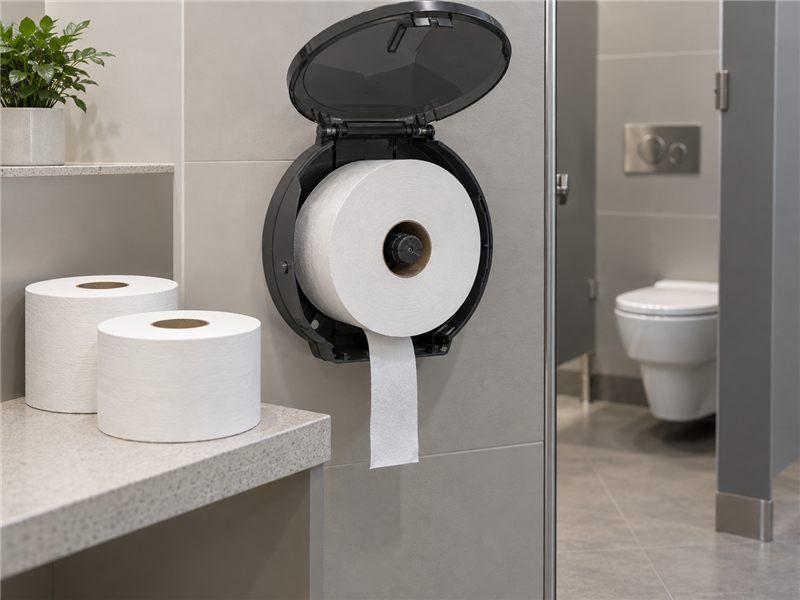
 Finished Tissue Product | Commercial Maxi Rolls, JRT Tissue Rolls |
| Stable Working Output | 500 m/min |
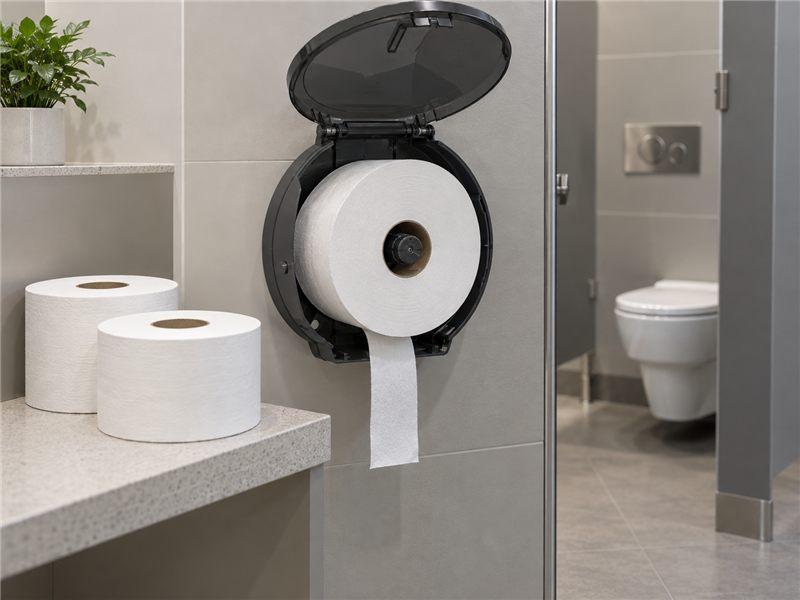
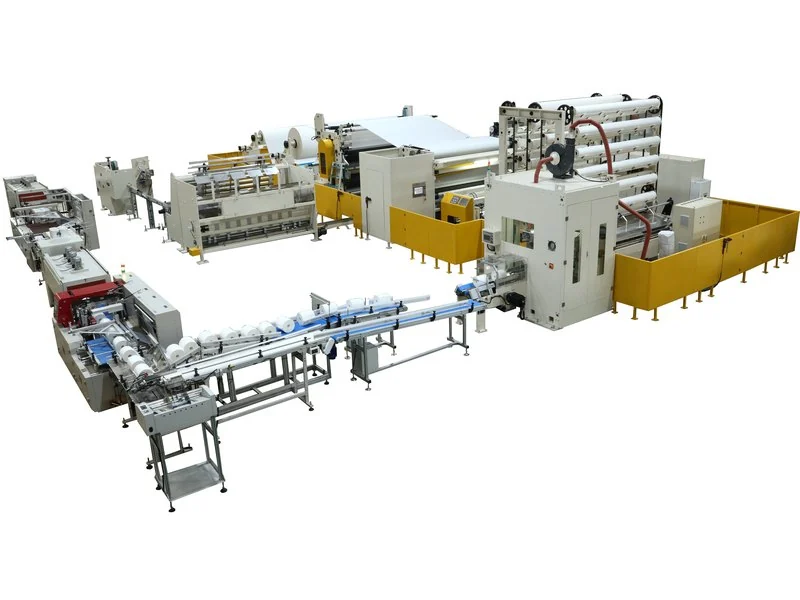
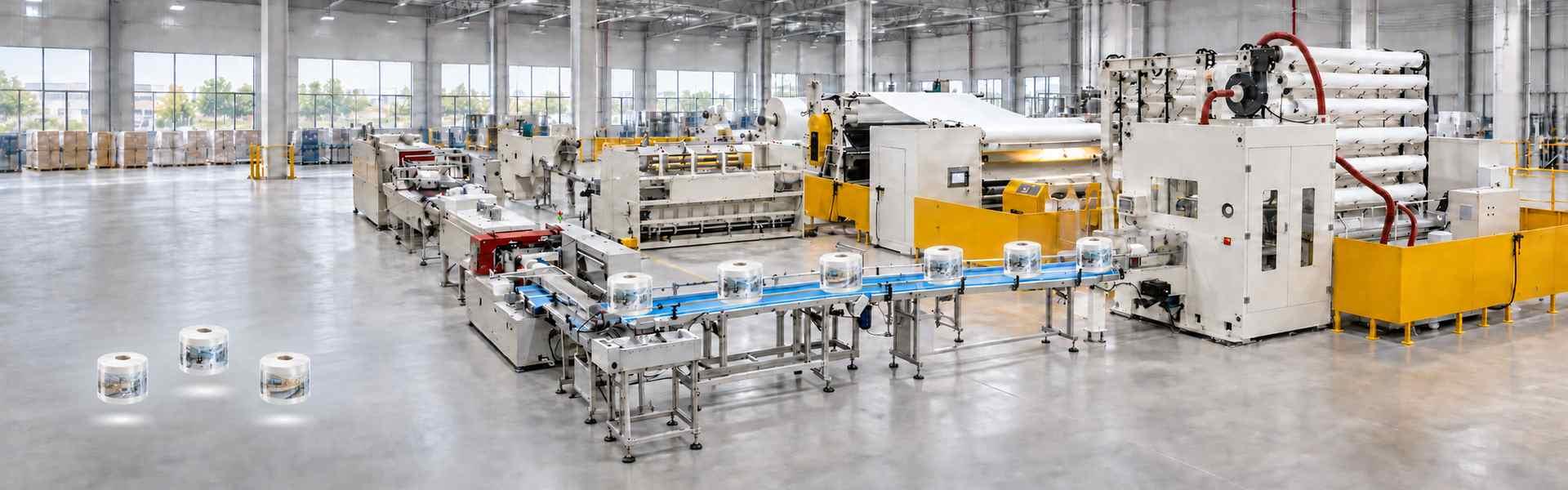
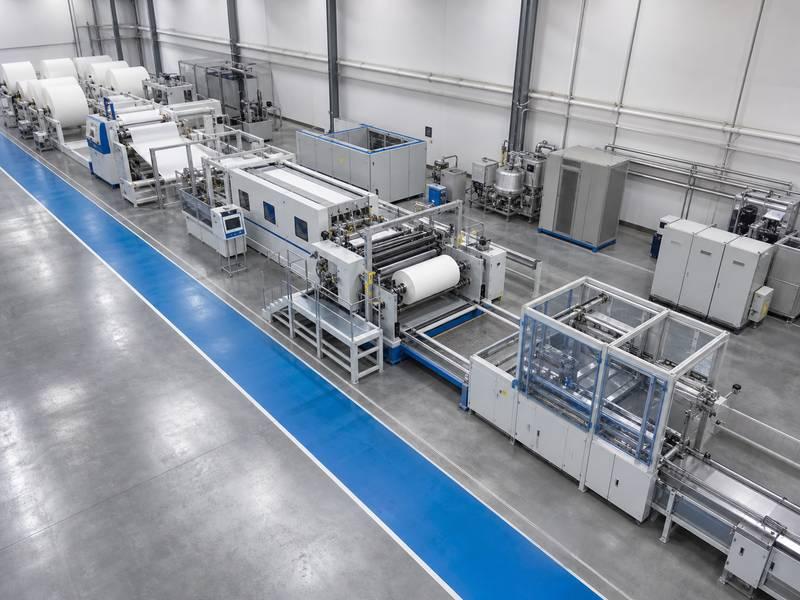
The DB-JRT500 Non-Stop Maxi Roll Rewinder Line is built for manufacturers producing commercial maxi rolls and JRT tissue rolls. It integrates jumbo roll unwinding, non-stop rewinding, embossing, perforation, and automatic log cutting into one continuous converting process, supporting stable high-output production for away-from-home tissue markets.
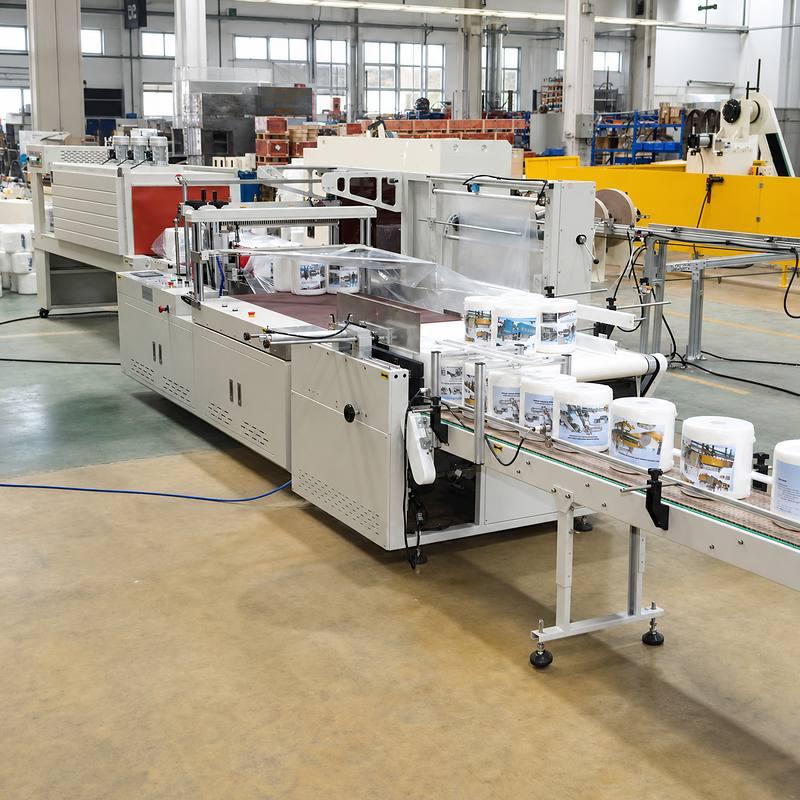
Choosing the right line configuration depends on your finished roll format, target output, and existing plant layout. The table below outlines the main decision points to review with our engineers before quotation.
| Decision Point | What to Confirm | Why It Matters |
|---|---|---|
| Parent roll input | Jumbo roll width, diameter, grammage, and ply count | Determines backstand configuration and unwinding stability |
| Finished roll format | Log diameter, core or coreless, and roll length | Affects rewinding settings and log saw cutting parameters |
| Output target | Required daily or shift production volume | Confirms line speed and automation level needed |
| Downstream packing | Packing machine type and line layout | Ensures smooth log transfer and avoids bottlenecks |
To prepare an accurate line proposal, please provide the following information:
Contact us by WhatsApp or submit the inquiry form for a fast factory response. For a complete overview of related converting equipment, see the Tissue Paper Cutting Machine Catalog or review the JRT Roll Rewinder Production Line.
| Machine Model | DB-JRT500 |
|---|---|
| Application | Commercial Maxi Rolls, JRT Tissue Rolls |
| Rewinder Production Speed | 500 m/min |
| Alternation Speed | 2-20 Logs/min |
| Log Saw Production Speed | 30-80 cuts/min (depending on log density) / Cutting Tolerance: ±1 mm |
| Rewind Type | Non-Stop |
| Jumbo Roll Width | 2000-3650 mm (Customizable) |
| Jumbo Roll Diameter | Φ2000-Φ3000 mm (Customizable) |
| Log Diameter | Φ100-Φ300 mm |
| Backstand | 1-5 Ply (Independent Drive) |
Final configuration depends on finished roll format, parent-roll specification, target output, and available floor space. For line integration guidance, see the JRT Roll Rewinder Production Line.
We start with your product type, target capacity, raw material, budget and automation goals to recommend the right tissue converting equipment and production approach.
From a single machine to a complete production line, we configure functions, specifications and automation levels around your products, market and operating requirements.
Our team helps plan equipment placement, material flow, utilities and operator access for a practical layout that supports safe, efficient and scalable production.
We translate confirmed requirements into a clear technical configuration, coordinating converting, cutting, packing and auxiliary equipment for smooth line integration.
Define the roll condition required by the next operation in a DB-JRT500 project. Inspect trial JRT rolls as they leave rewinding and review the proposed handoff sequence.
For the proposed DB-JRT500 downstream route, define checks for winding consistency at the handoff. Inspect trial rolls before transferring responsibility to the next operation.
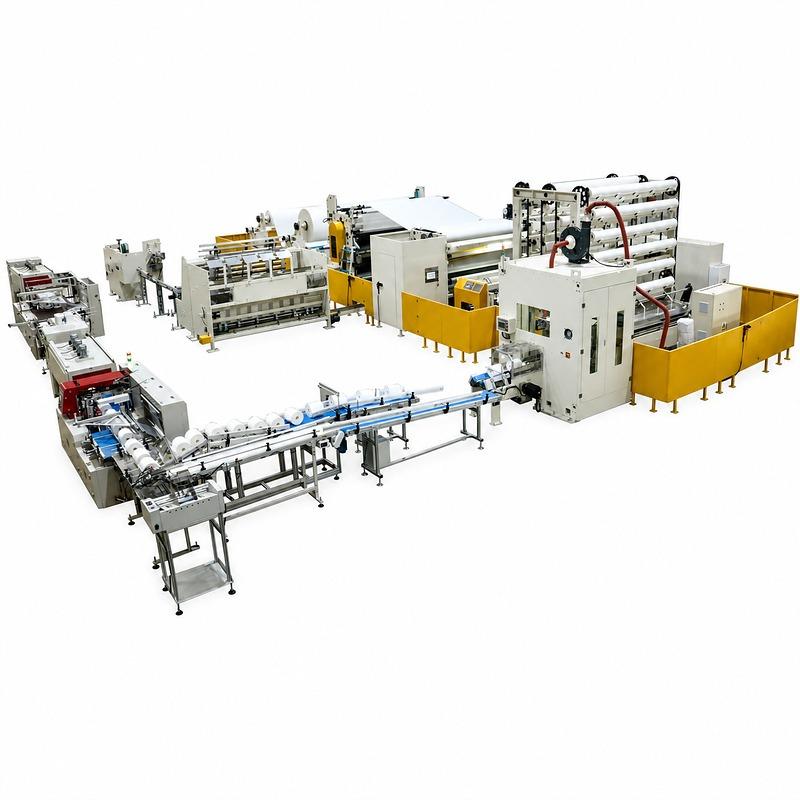
During DB-JRT500 evaluation, observe winding before, during and after parent roll transitions. Confirm the proposed continuous operation arrangement and define inspection points around splicing.
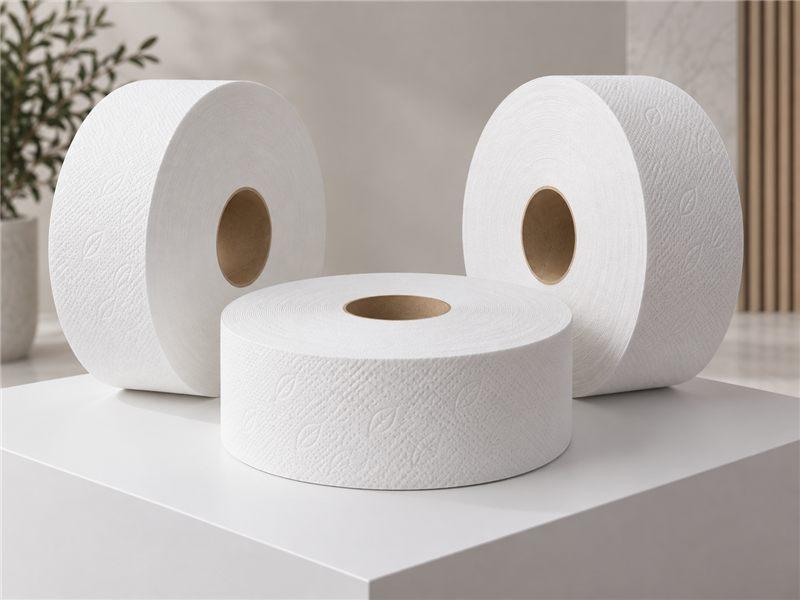
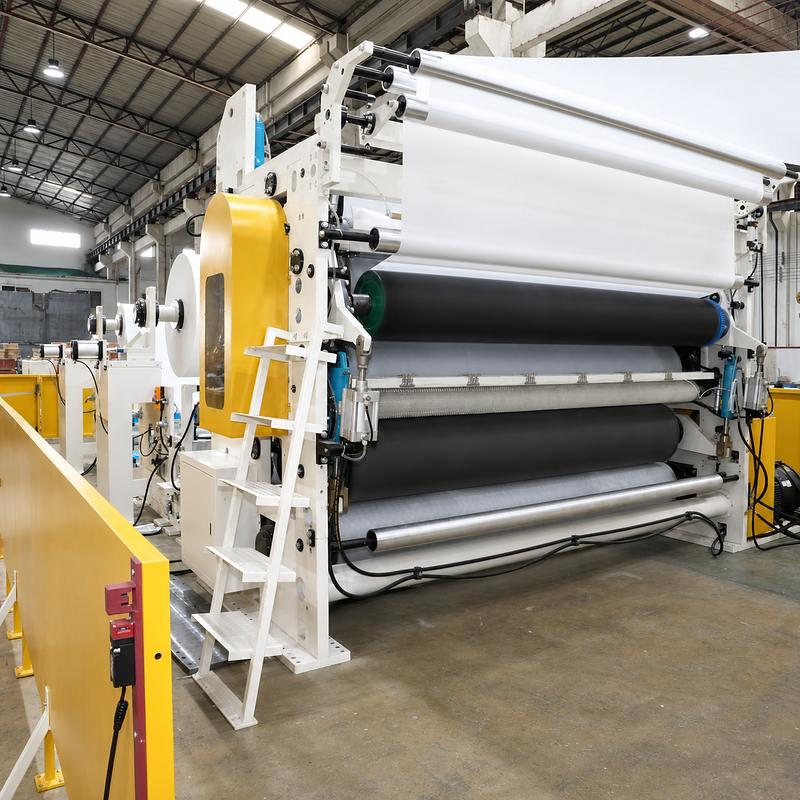
For a DB-JRT500 JRT project, confirm the proposed automatic splicing configuration for multiple parent rolls. Observe the transition during trials and assess its effect on rewinding flow.
Inspect DB-JRT500 trial rolls from before and after parent roll splices. Compare winding appearance across the proposed non-stop process using the same product reference.
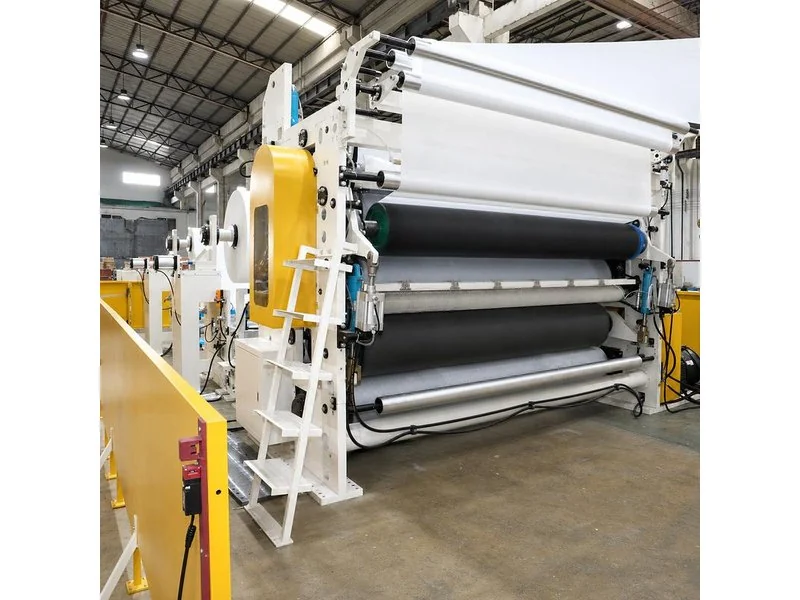
Inspect DB-JRT500 trial rolls before downstream transfer. Compare appearance at several points in the proposed continuous rewinding sequence and define the handoff acceptance criteria.
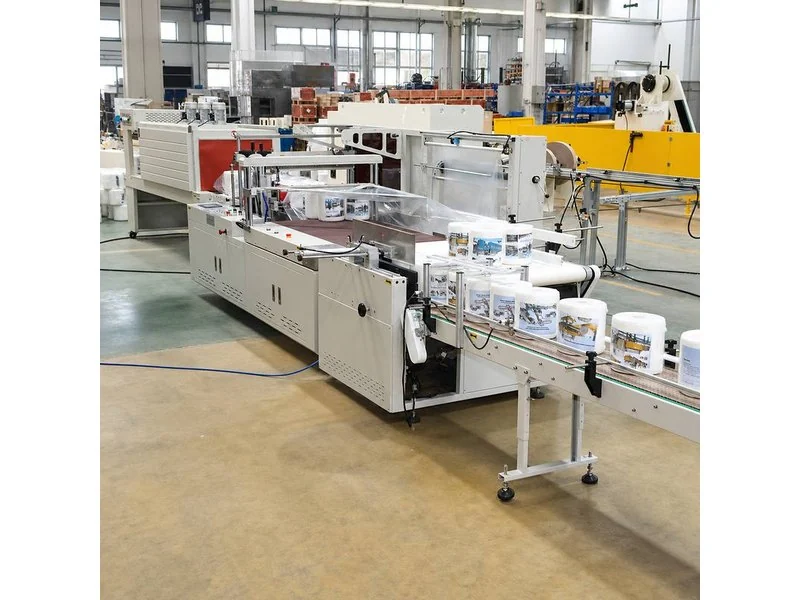
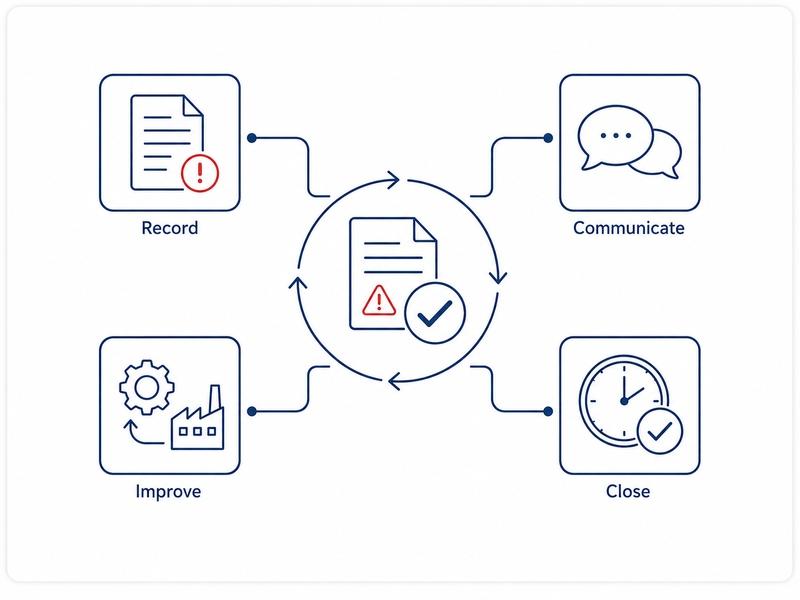
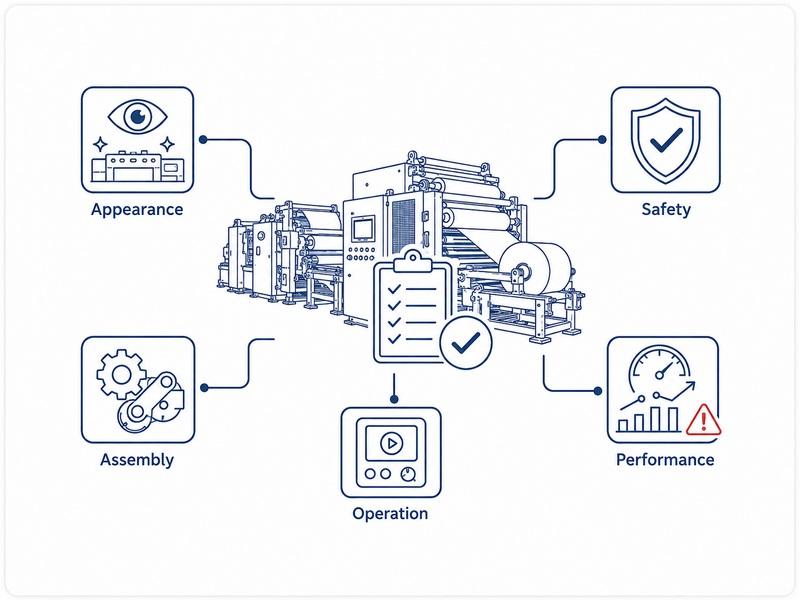
Define DB-JRT500 trial checkpoints covering PLC observations, parent roll splicing and finished roll appearance. Confirm how the results should be reviewed before downstream transfer.
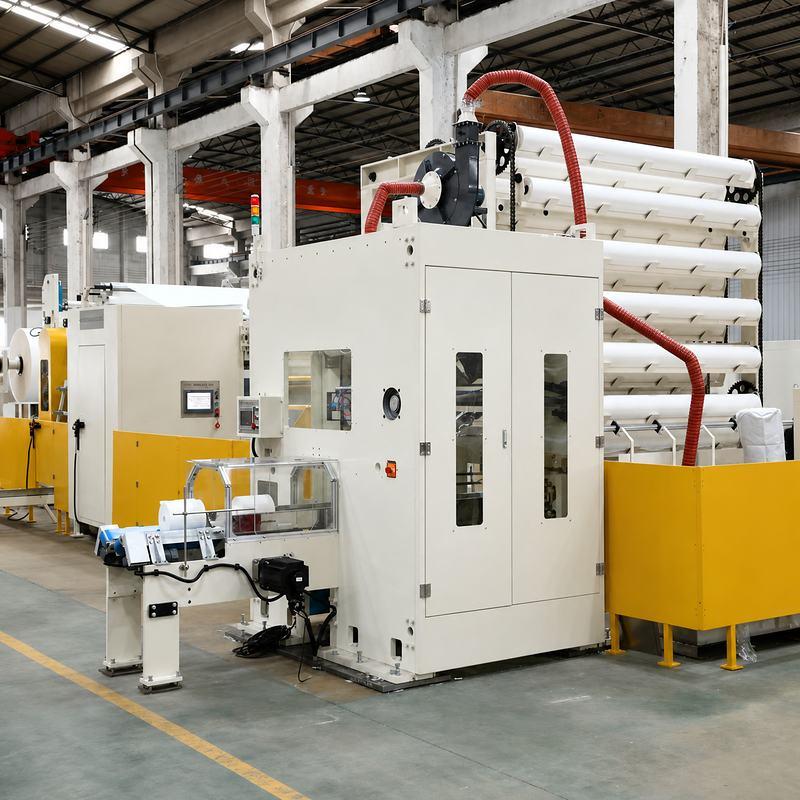
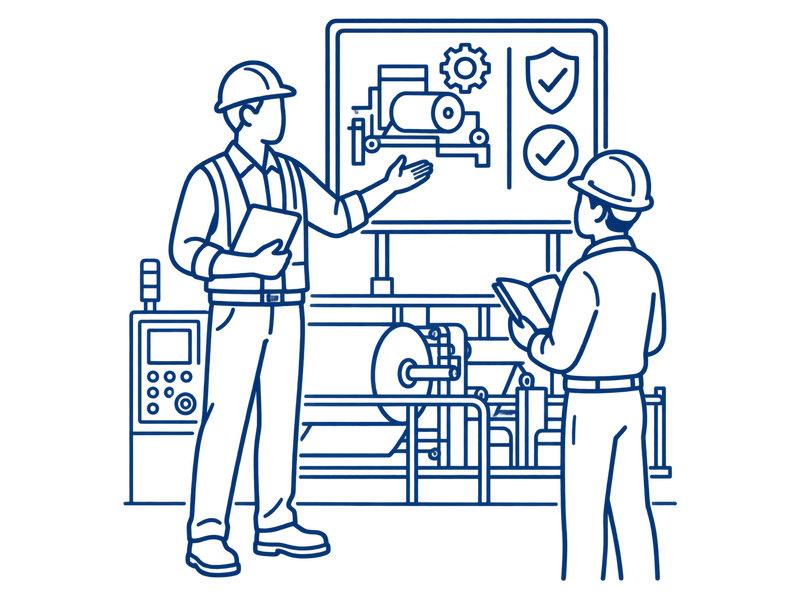
For a DB-JRT500 project, confirm the PLC, automatic splicing and rewinding configuration. Evaluate these together during trials and inspect JRT rolls before their proposed downstream handoff.
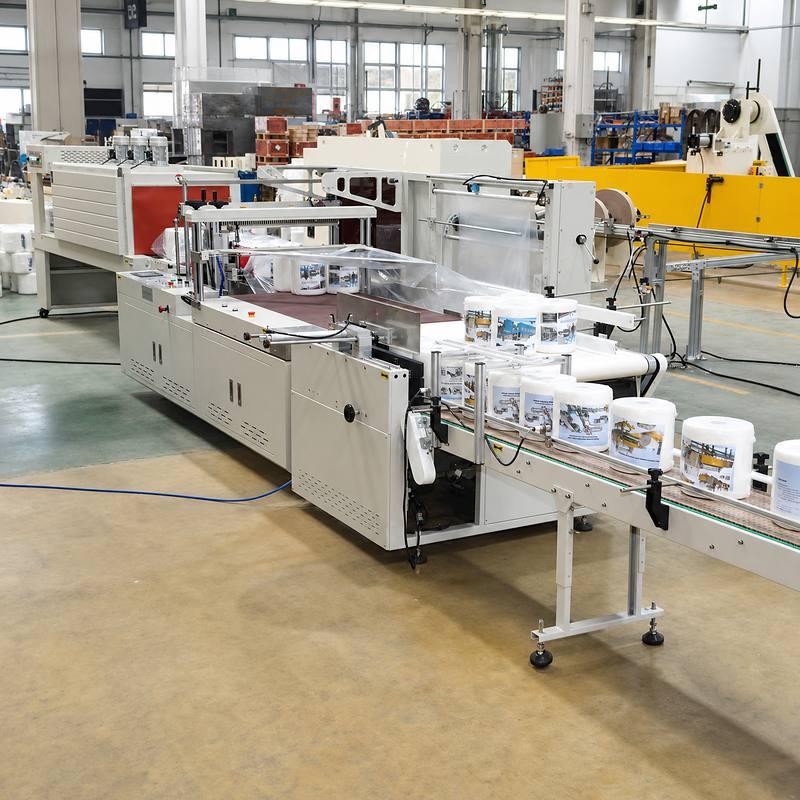
Assess the proposed DB-JRT500 automatic splicing sequence alongside the downstream handoff. During trials, observe whether roll arrival patterns match the requirements of the next operation.

 Tel: +8613908196540
 Email: info@doubletissuemachine.com
 MP/WhatsApp: +8613908196540
 Manufacturer Address:Dongguan, Guangdong, China



No reviews yet.