Perforation and roll firmness should be compared on the same defined toilet tissue, with samples taken at more than one point in the run. Otherwise a change in paper, roll diameter or sheet length can be mistaken for a machine improvement. Start with an approved reference roll and a written trial condition. Examine the tear behaviour and the wound roll separately, then examine how they work together after cutting and handling. The aim is a roll that meets the buyer's agreed product criteria, rather than an attractive sample selected from an unexplained run.
Use a reference roll that can be measured
Identify the paper grade, basis weight, ply, sheet length, roll width, outer diameter and core specification for the trial. Include the intended embossing and lamination configuration where relevant. Keep a physical reference roll with that description. A product name such as “premium toilet tissue” does not define these conditions, and a photograph cannot show the resistance of the perforation or the feel of the winding.
Agree the measuring method before comparing samples. Diameter readings depend on where and how a roll is measured, while a hand squeeze is a useful observation only when its limitations are understood. If a quantitative firmness requirement is needed, the buyer and supplier should agree a suitable instrument, method and acceptance range. Do not turn an informal squeeze into a numerical specification after the trial has already started.
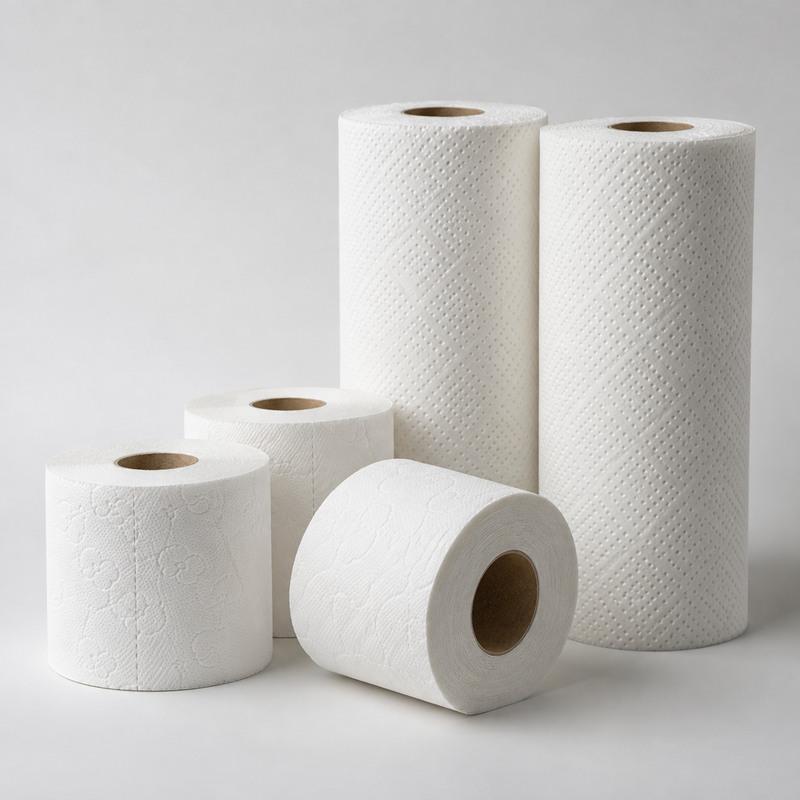
A retained reference roll should establish perforation, roll geometry and the intended paper finish.
Compare tear behaviour through the roll
Check that the perforation position corresponds to the intended sheet length. For the agreed sample set, observe tears near the outside, further into the roll and near the core where accessible under the inspection method. Record whether the tear follows the perforation or damages the sheet elsewhere. Keep these observations distinct from visual inspection of the perforation line; an orderly-looking line alone does not demonstrate acceptable use.
Use the same way of holding and pulling the paper when making a practical comparison. A sudden pull and a slow pull can give different observations. If more than one person assesses the rolls, agree the procedure and retain the labelled samples for review. Where laboratory strength or tear measurements are required, specify those separately. A short handling comparison should not be presented as a formal material test.
Check both unwanted separation and difficult separation. A perforation that opens prematurely during downstream handling creates a different problem from one that is difficult for the user to tear. Note the stage at which unwanted separation appears. If it occurs only after cutting or packing, retain samples before and after that operation. This allows the discussion to consider the complete handling path without assigning a cause to the rewinder from one finished pack.
Record firmness without hiding geometry
Compare rolls made to the same intended dimensions. A larger roll or a different paper grade can feel different even when the winding condition has not changed. Record diameter and width with every firmness observation. Examine the side faces, roundness and any visible shift between layers. These observations complement the agreed firmness check; they do not replace it.
Look at the roll soon after production and after the agreed storage or handling interval if that forms part of the buyer's acceptance plan. Label the times. Tissue can settle, and packing may impose a different condition from a loose sample on a table. The inspection should say which state is being accepted. Avoid approving a fresh loose roll and assuming that the same result has been established for a compressed retail pack.
Perforation record
Identify sheet length, sample position and the agreed tear procedure. Describe where separation occurred and keep any damaged sheet with its sample label.
Winding record
Identify dimensions, the inspection time and the agreed firmness method. Describe shape and layer alignment, then record the result against the buyer's criterion.
Run a controlled comparison of the selected rolls
If the trial requires an adjustment, retain a sample from before the change. Record the agreed change and keep the paper, finished dimensions and other selected conditions constant where practicable. Changing paper, perforation and winding together may produce a different roll, but it will not explain which change mattered. An unexplained improvement is difficult to reproduce when the machine reaches the buyer's factory.
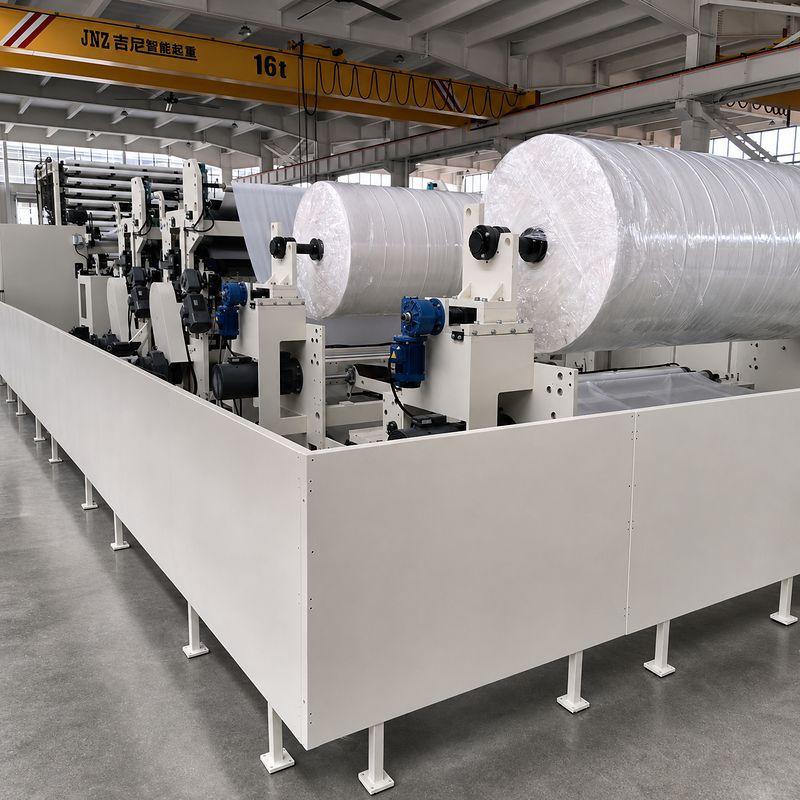
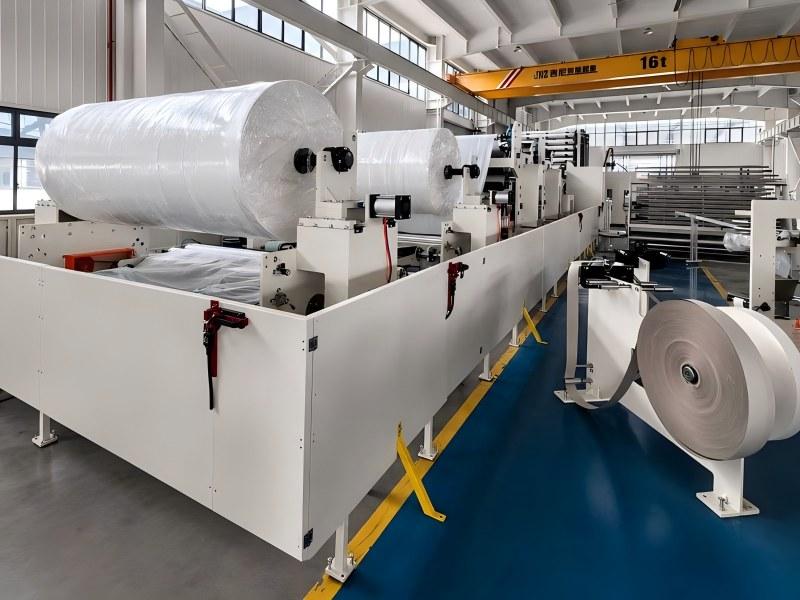
The DOUBLE DB-R500 product page describes servo control, web-break detection and integrated rewinding with log-saw cutting. It also lists embossing, lamination, printing and unwind options. These describe the available configuration; they do not set the acceptance criteria for a particular toilet roll. The trial plan should state which options are included and which are inactive or absent, so that the reference sample can be connected to the quoted machine.
The incoming parent paper belongs in the trial record alongside the finished roll.
Sample across the agreed run
Sample position
Record with the roll
What it helps distinguish
After the agreed setup period
Product specification and current settings reference
The approved starting condition from adjustment output
During continuous running
Time, run condition and accepted-output record
A repeatable result from a single selected sample
Following a planned interruption
Stop reason and restart sample identity
Recovery product from steady-state product
After log cutting and handling
Cut position and downstream route
Winding observations from changes introduced later
The sample quantity and acceptance range should be agreed for the order, rather than copied from an unrelated machine trial. If several paper grades are planned, identify which grade each sample represents. Do not pool all grades into one average result. Keep rejects visible in the record and explain any exclusions. A demonstration that discards difficult samples without recording them cannot show the buyer the conditions of accepted production.
Read the rate alongside accepted quality
Report the running condition with the sample set, but avoid using speed as a proxy for quality. Web speed, logs per minute and individual finished rolls per minute describe different quantities. The conversion depends on the finished product and cutting arrangement. Ask the supplier to state the units used in the proposed performance test and the quality criteria that define accepted output.
If a setting meets the output target while increasing rejected rolls, retain both results. Conversely, a slow sample run may establish a useful product condition without establishing the required production rate. These are separate findings. The test agreement should say how the product quality and output requirements are assessed together, including the treatment of ordinary stops and restart output. No single advertised rate answers those questions for every configuration.
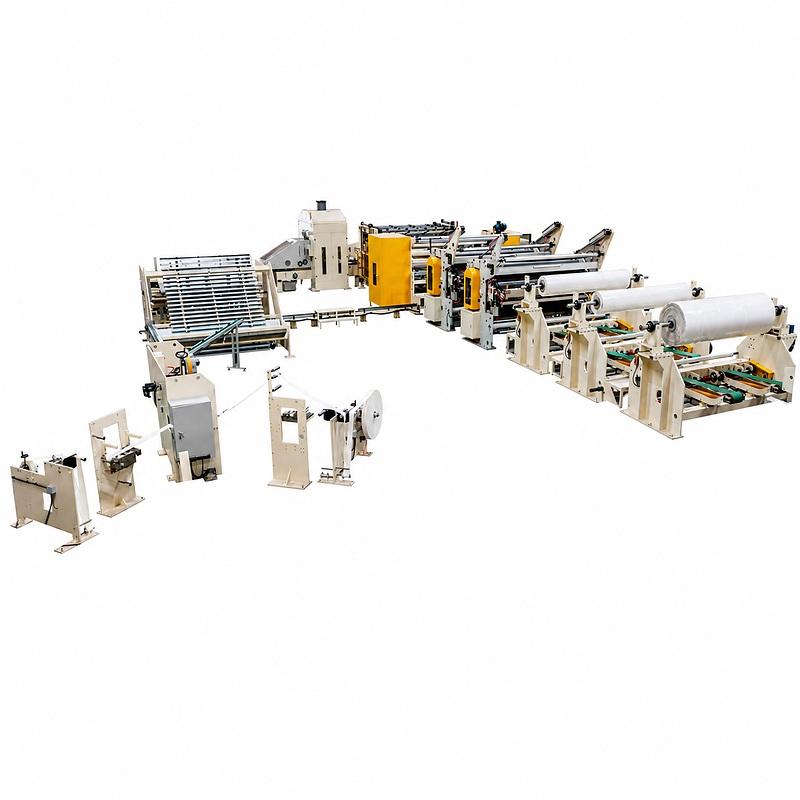
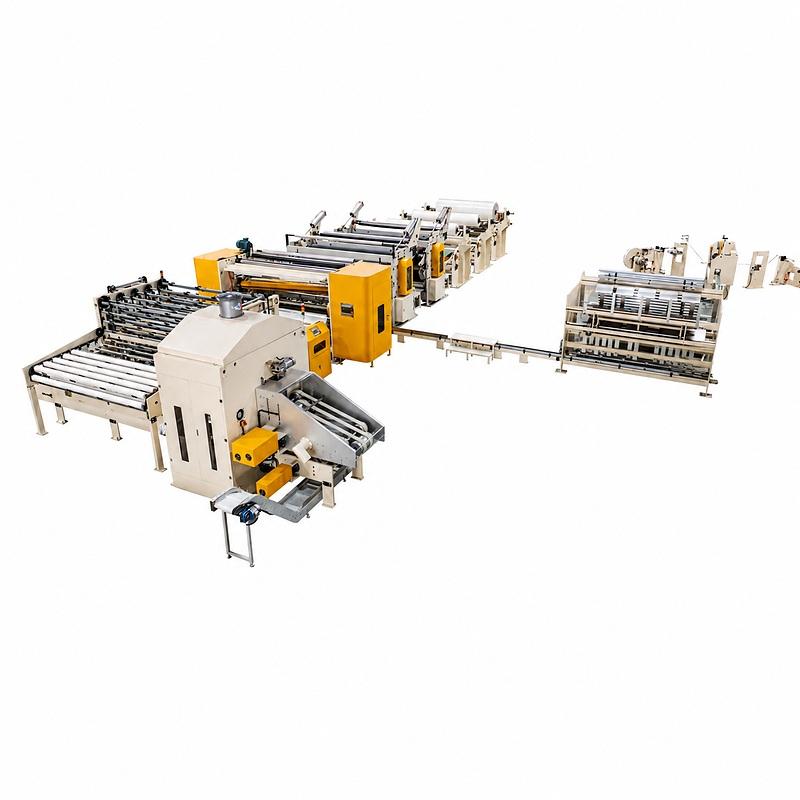
Equipment view published on DOUBLE’s DB-R300 page; this illustrates the wider roll-converting category rather than identifying the DB-R500 trial configuration.
Compare the log and the cut roll
Log cutting introduces another opportunity to change the product appearance. Compare the agreed winding sample with the individual cut roll and record the inspection position. Look for a difference in side-face condition, shape or layer alignment after cutting. Keep edge material and excluded rolls separate from accepted samples. Their disposition should be part of the cutting review rather than disappearing from the final count.
If the buyer's concern is a roll that deforms during later handling, retain a cut sample before that handling and another afterwards. Use the same intended format and record the route. This can show where the observed difference becomes visible without declaring a cause from appearance alone. The supplier can then review the relevant winding, cutting or transfer condition with evidence from the affected boundary.
Resolve conflicting product preferences
A buyer may want a roll to feel soft, retain its shape in packaging and tear consistently at the perforation. Those preferences need separate acceptance descriptions. Ask the purchasing and product teams to agree the reference sample before the trial so that one evaluator does not approve softness while another rejects the same sample for shape. Retain a written explanation of any approved compromise.
Where several settings produce acceptable samples, compare them under the same defined paper and output condition. A pleasing loose roll should also be reviewed in the intended package if package handling is in scope. Avoid selecting a condition solely because it improves one informal observation. The agreed roll specification should explain the combination being purchased and the method used to confirm it.
Keep the comparison reproducible
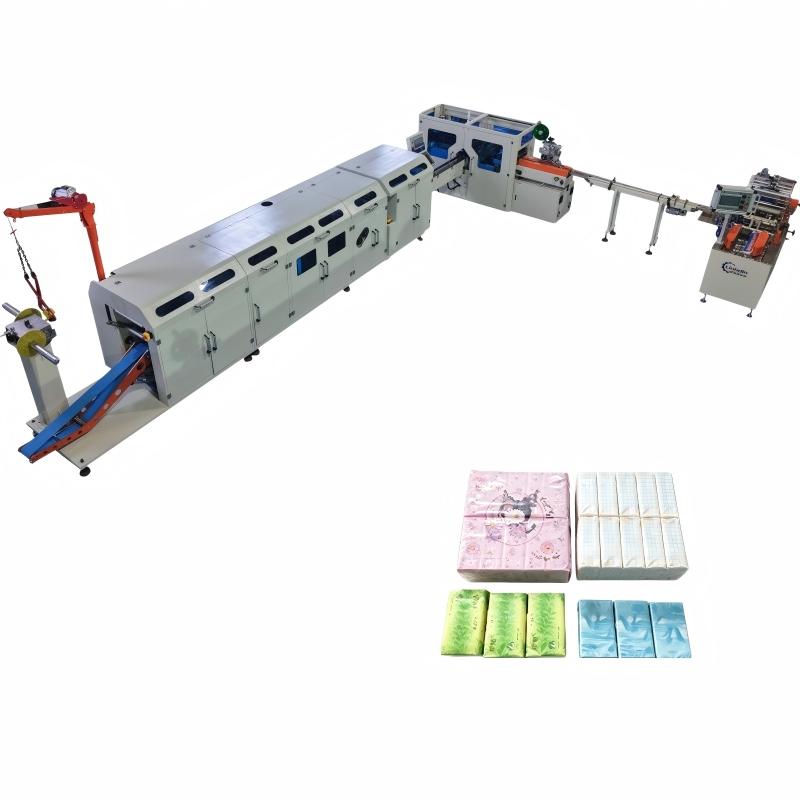
For the DB-R500 toilet and kitchen paper rewinder line, send the intended toilet-roll sample and ask for a trial record connecting paper, configuration, perforation, winding and cutting. Retain labelled rolls from the agreed sampling points, with photographs of any visible defects and the actual measuring method. Include unresolved differences from the reference roll in the review.
The acceptance discussion should end with a specific product condition and evidence that it can be repeated under the agreed trial conditions. A clean tear, acceptable roll firmness and consistent finished geometry each contribute a different part of that evidence. Keeping their records separate makes the final decision clearer and gives commissioning a defined reference when paper or operating conditions later change.



 Tel: +8613908196540
 Email: info@doubletissuemachine.com
 MP/WhatsApp: +8613908196540
 Manufacturer Address:Dongguan, Guangdong, China