An enquiry for embossed facial tissue leaves several equipment decisions open. A pattern along an edge, a repeated surface texture and a glue-laminated product do not describe the same scope. The roller arrangement is another choice that a picture cannot resolve. Tell the supplier which tissue result matters, then ask for the corresponding configuration to be named in the quotation. On the DB-IF-V, embossing is listed as optional. The availability of a decorative sample therefore gives a buyer a useful reference, but no basis for assuming that its producing equipment is included in the machine price.
Start with what the pattern is meant to do
Decide whether the request concerns a visible design, a defined edge area or the relationship between tissue plies. Those objectives can coexist, but writing them separately prevents the machinery supplier from choosing one interpretation of a broad phrase such as premium embossing. If appearance is the only requirement, show the preferred motif and the surfaces on which it should be visible. If the buyer also expects a particular product construction, explain that requirement independently.
A buyer might want a recognizable decorative mark while leaving most of the tissue plain. Another may be buying a textured appearance throughout the exposed paper. A third may need a defined relationship between the plies. Those priorities help decide which proposed scope is relevant. A more elaborate-looking sample does not answer a requirement that concerns a different part of the product.
Separate appearance from claims about softness, strength or absorbency. Those may be product requirements, but they need their own agreed methods of evaluation. A deeper-looking texture does not prove any of them. Keep the pattern brief focused on what can be seen and where it belongs, then list any functional property that the buyer intends to assess. This gives the supplier a concrete design request without turning a visual preference into an unsupported performance promise.
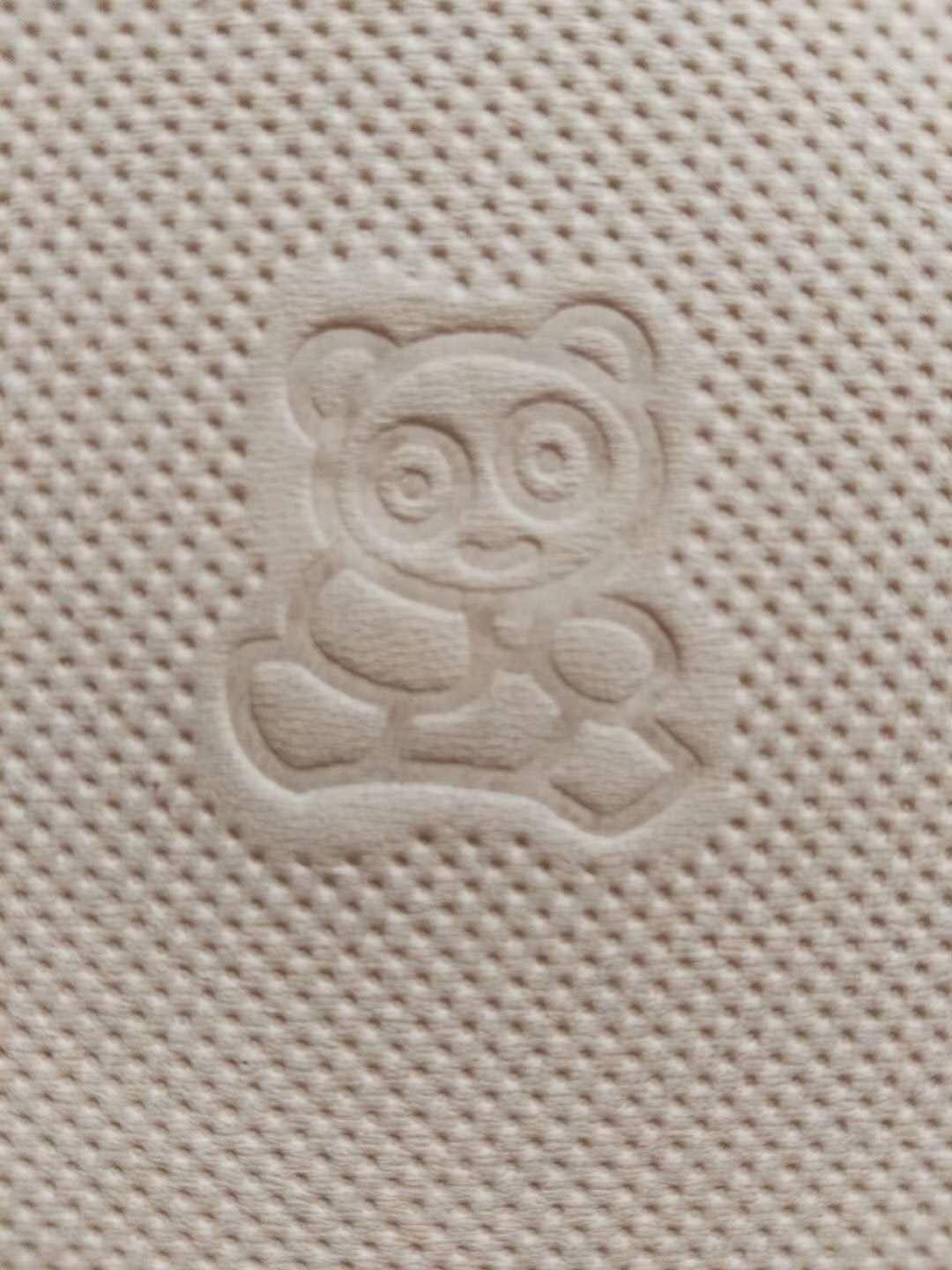
A published paper close-up makes the motif visible. Its paper grade and producing configuration are not established by the photograph.
Choose an edge requirement or request broader coverage
For an edge treatment, say whether the central paper should remain plain. This makes the limited coverage a deliberate product requirement, rather than something the buyer discovers in the quotation. Ask which region the proposed edge embossing system would treat on that tissue. The published option name does not establish that every finished-sheet edge receives a pattern, nor does it identify the width of the treated band.
If the requirement is a repeated texture across the usable sheet surface, request a configuration assessment for that coverage. Customized patterns are listed, but that wording does not establish full-area coverage for every paper width. The supplier should explain the proposed working area and any plain regions that would remain. A quote for an edge unit cannot be treated as an answer to this request merely because both proposals use the word embossing.
The buying decision is which untreated areas the product can accept. If the attraction is a small decorative border, paying for a different coverage concept may solve no useful problem. If the attraction is a continuous-looking texture, a border sample offers little evidence for it. Ask for alternatives against the same intended paper, so that a lower equipment price does not hide a change in the product being offered.
Give the supplier a short pattern reference with the finished tissue size, intended location and paper identity. Show the folded appearance only to clarify which region the user should see. Those details describe the requested coverage; the supplier still has to confirm its practical equipment scope.
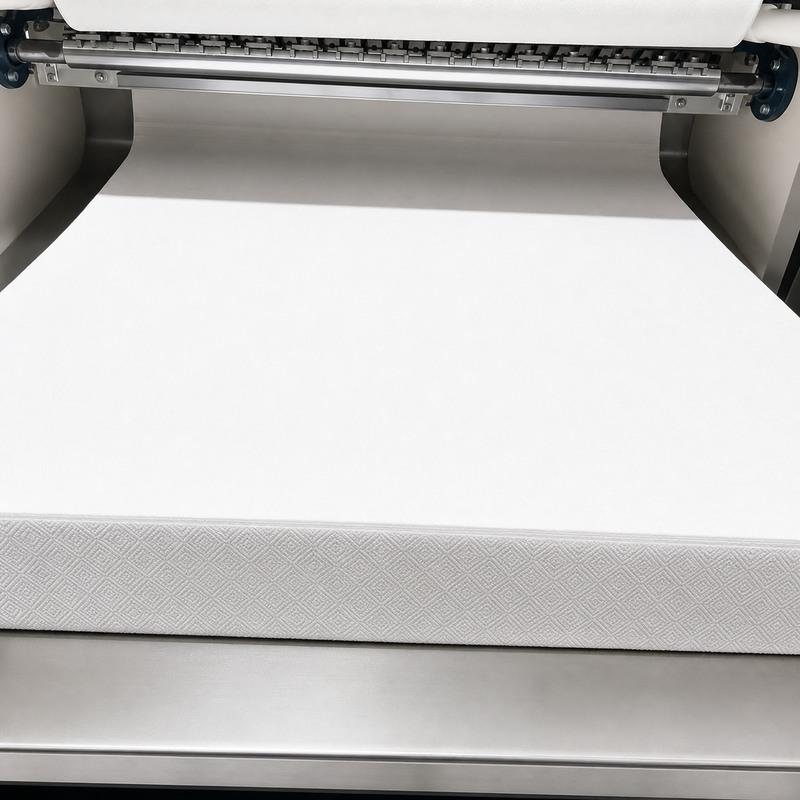
The textured paper edge is visible in this photograph. Its appearance does not identify the fitted unit or establish a working coverage width.
Read the option names without merging their scope
The DOUBLE DB-IF-V facial tissue folding machine description lists optional embossing, including edge embossing, steel-to-steel or steel-to-rubber arrangements, glue-laminated embossing and customized patterns. These are configuration choices for review. They are not a statement that one delivered machine contains every listed system or that changing the artwork alone changes the product construction.
Configuration decision
Published choice
Question left for the proposal
Area to be treated
Edge embossing; customized patterns
What coverage does the selected system offer on the requested tissue?
Roller arrangement
Steel-to-steel or steel-to-rubber
Which pairing and pattern components are included?
Ply construction
Glue-laminated embossing
Is the requested laminated product included in the proposed scope?
Steel-to-steel and steel-to-rubber identify different arrangements; neither name is a quality rating. Do not select one solely because a catalogue photograph looks softer or more deeply textured. Ask the supplier which arrangement it proposes for the stated paper and why. The technical response should identify the included pattern components and their counterparts, rather than leaving the buyer to assume what a single line called embossing roller covers.
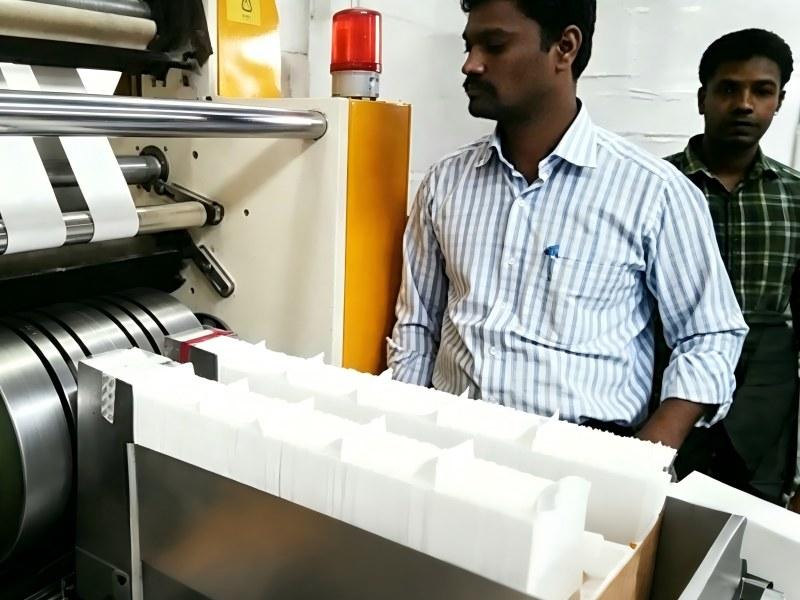
Do not carry an option from one model's page into another model's standard equipment list. An enquiry based on the DB-IF-V needs a DB-IF-V proposal identifying its selected arrangement. A photograph of another facial tissue machine can show a useful paper path without establishing equivalent embossing provision. The equipment name, the option and the product reference should appear together in the technical response.
Compare alternative prices only after those inclusions are clear. One offer may cover a selected system and its pattern components, while another still leaves pattern-specific items to be quoted. That is a scope difference to resolve, not evidence that one arrangement is more economical in use. Ask separately about replacement components and the supplier's service provisions; the option list supplies no basis for promising interchangeable parts or identical maintenance needs.
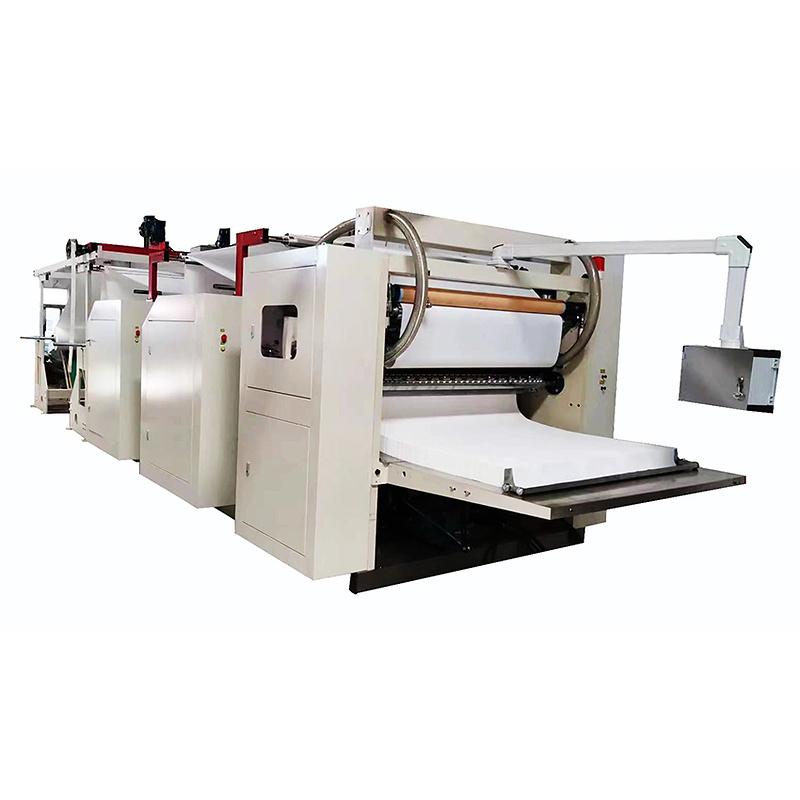
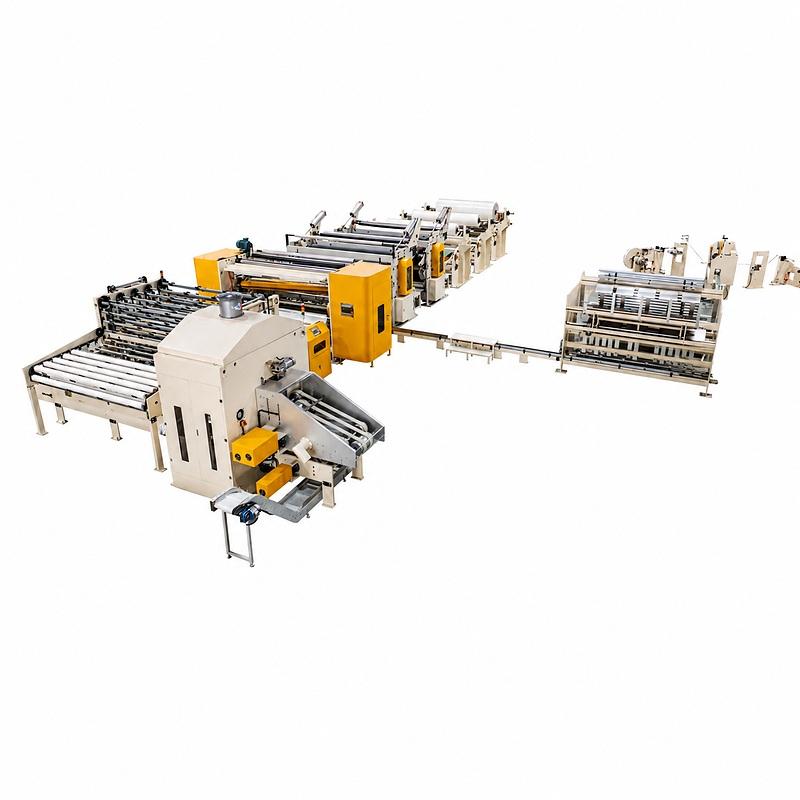
The machine overview gives equipment context. The selected embossing option belongs in the proposal, rather than being inferred from this view.
Compare the pattern on the paper that will be purchased
Provide the intended paper identity, basis weight and ply arrangement with the pattern request. Where the product will use several grades, say which grades actually belong to each finished tissue. A pleasing reference made with unspecified paper cannot settle the appearance on every proposed input. The supplier can identify which combinations need sample evaluation and what material is required for it.
When comparing proposed arrangements, distinguish a difference in the paper from a difference in the equipment. If the reference uses another grade or ply combination, it cannot isolate the effect of the proposed choice. Describe what concerns the buyer: a poorly defined motif, an unintended mark or damage around a particular element. Broad comments about one sample looking better leave the supplier guessing which result matters.
Use comparable viewing conditions for photographs intended to explain a sample difference. Lighting can make a shallow texture appear pronounced or conceal a visible mark. A picture is a useful record of the inspected sample, but it should not be used to infer embossing depth or roller settings. Retaining the physical paper allows the appearance discussion to return to the actual object.
Stack bulk is a separate observation. Keep the sheet count and measuring condition consistent when comparing embossed and alternative samples. If their heights differ, review what the downstream handling and pack require. That observation does not establish a universal increase in bulk from every embossing choice, and the blog does not supply a pressure recipe. Equipment adjustments and access to the unit belong to the supplier's operating procedure.
Decide whether glue-laminated construction belongs in the order
A decorative impression does not establish how the tissue plies relate to each other. If the product brief requires glue-laminated construction, state that requirement separately from the motif. If it requires only a visible texture, ask whether the proposed lamination provision serves an actual need. Its availability on the product page is not a reason to include it in every facial tissue enquiry.
Identify the intended number of plies and how the incoming paper is supplied. Ask the supplier to review that input against the requested finished construction. Do not let a photograph of patterned tissue substitute for this information. The supplier needs to explain what its proposed system would do with the specified material, and which aspect of the resulting ply relationship the buyer should evaluate.
Where the quotation includes glue-laminated embossing, clarify the associated supply boundaries. Ask what consumables are assumed, which preparation and cleaning provisions accompany the system, and what the buyer must supply separately. These are questions about the selected option, not claims that a particular adhesive or operating method is suitable. Leaving them unresolved can make a seemingly complete option price difficult to compare with another offer.
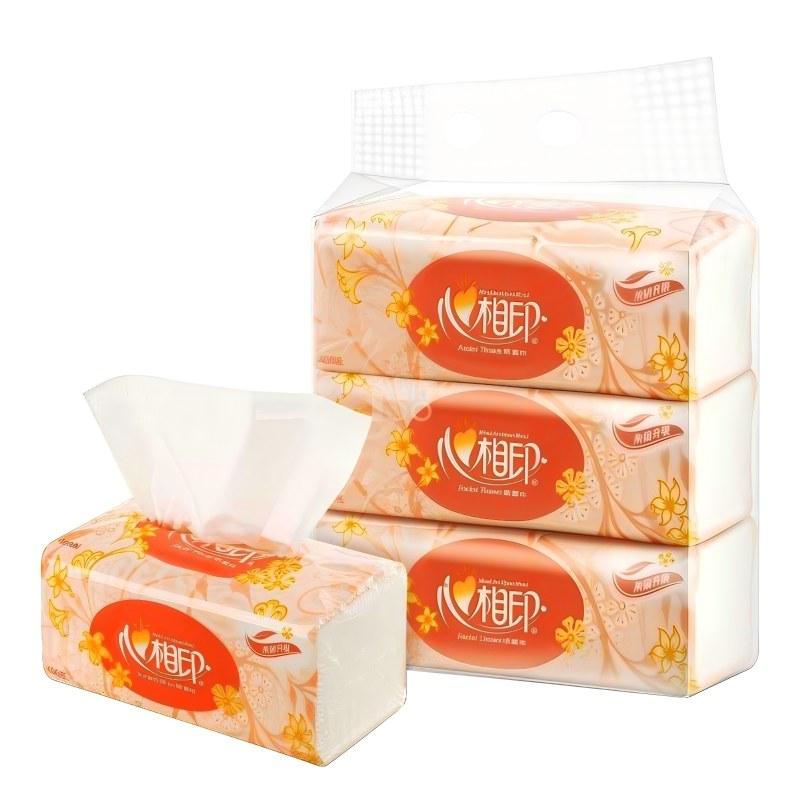
The retail packs below illustrate appearance at the packaging level. Their printed wrappers and the exposed tissue do not reveal an internal ply relationship. A pack photograph therefore cannot settle whether glue-laminated construction was used or should be part of the machinery order.
Retail packaging illustrates visible presentation, while leaving the tissue's internal ply construction unconfirmed. This is not a documented trial or customer delivery.
Coverage, roller arrangement and ply construction are separate decisions, rather than three interchangeable descriptions of an upgrade. Ask which combination the supplier actually offers for the DB-IF-V and the proposed paper. The useful quotation names that combination and its included components. It lets the buyer choose a defined scope without assuming that an edge system, a decorative pattern or a laminated product stands in for the others.



 Tel: +8613908196540
 Email: info@doubletissuemachine.com
 MP/WhatsApp: +8613908196540
 Manufacturer Address:Dongguan, Guangdong, China