Give a napkin's embossing artwork and its fold drawing separate revision numbers. The artwork defines the decoration; the fold drawing defines which parts of the sheet become visible, concealed or creased. Bring the two together in an agreed folded sample before releasing tooling. DOUBLE lists customized embossing patterns for its napkin machines, but that option does not establish exact logo placement, minimum detail size or an independent printing arrangement. Those points need confirmation for the selected paper and configuration. A clear artwork brief protects the intended appearance without asking a folding dimension to describe the decoration as well.
Give the artwork a scale and an origin
A decorative file can show a pleasing design while leaving its manufacturing size unresolved. Record the intended size of the motif, its orientation and the area it should occupy on the open napkin. Identify whether the request is for a border, a repeating texture or a distinct emblem. An enlarged screen preview should carry a stated scale so that it cannot become the only reference for a small embossed detail.
Use one marked corner and one reference edge on the unfolded drawing. Locate the artwork from those references, then show the fold lines on a separate overlay. This distinguishes a requested position from a decorative image pasted approximately into the centre of a page. If a motif must appear in a particular folded panel, label that panel and state the intended viewing direction. Keep lettering readable in that direction on the buyer's proposed mock-up.
Ask the supplier to identify which parts of that proposal can be reproduced by the quoted embossing arrangement. A requested location is an acceptance requirement to discuss, not proof that the machine provides controlled registration at that location. Where the supplier proposes a repeating pattern instead of a positioned emblem, record the difference before approving the tooling drawing.
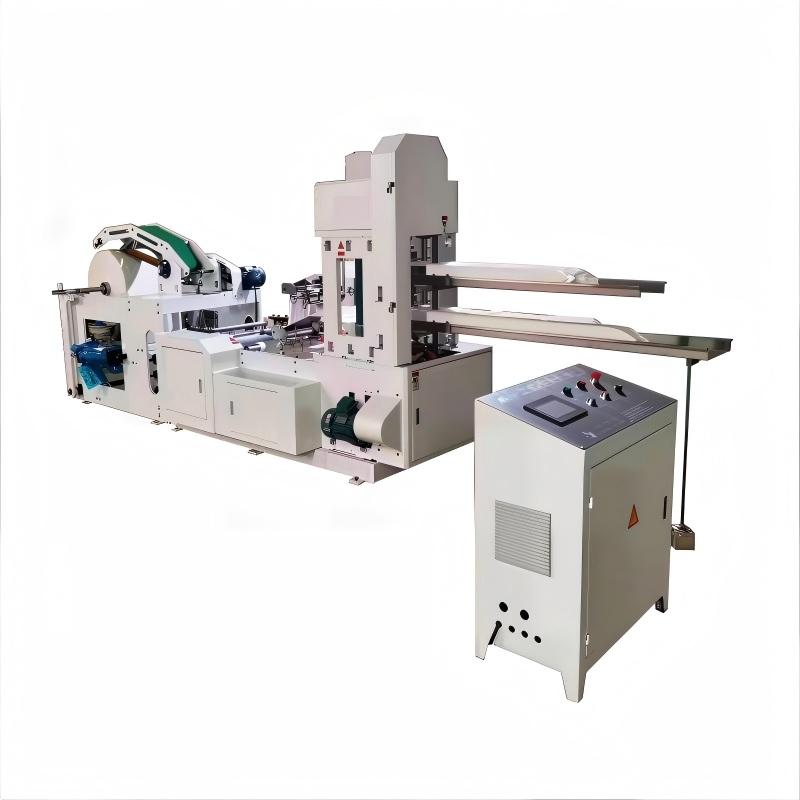
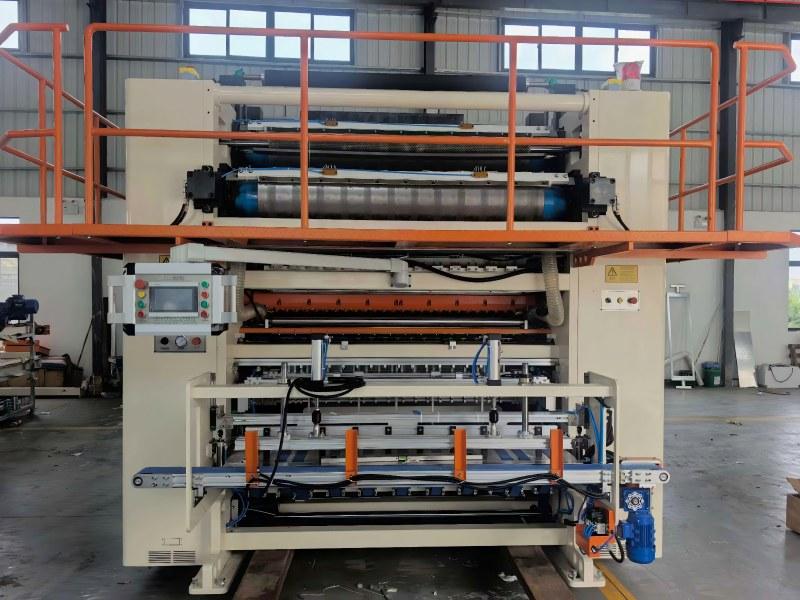
The DB-NK-260 product photograph shows the converting equipment; the approved artwork belongs in a separate order document.
Decide what the folded napkin should reveal
Make a paper mock-up using the proposed unfolded outline and fold arrangement. Mark the decorated surface and fold it into the intended presentation. The mock-up is a way to communicate visibility; it is not an embossed production sample. A motif placed attractively on the open sheet may be hidden, divided by a crease or presented upside down when the folded napkin is placed on a table.
Artwork sheet
Show motif scale, repeated areas, border shape and any blank region. Keep the decoration visible without folding marks being mistaken for part of the pattern.
Fold overlay
Show the panel that will face the user, the fold lines and the open edges. Reference the artwork revision without copying its dimensions into the folding specification.
Choose whether the decoration matters primarily on the folded face, on the opened napkin or in both states. A border may need to be judged around the whole open sheet, while an emblem may matter most on one displayed panel. Stating that priority helps resolve a proposed alternative. It also prevents the purchasing team from accepting an open-sheet appearance that the sales team would reject in the actual presentation.
A repeating decoration needs a different brief from a deliberately placed emblem. For the repeat, describe the motif and the intended relationship between adjacent motifs. Show whether a cropped motif at the sheet edge is acceptable. For a positioned emblem, define the desired relationship to the visible panel. The supplier must confirm the achievable arrangement for either request; the two should not share an approval that says only “custom pattern.”
Keep deliberately blank areas visible in that discussion. A buyer may want a clear central area on the open sheet or a plain region on the displayed panel. Mark the requested boundary and ask the supplier to return its proposed solution. If the offered repeat reaches into that area, it is a design difference to resolve, even when every individual motif looks correct. Approving the repeat tile alone would miss the sheet-level result the buyer actually wants.
Select the embossing arrangement after defining the result
The DB-NK-260 napkin paper machine listing describes quarter-fold production and lists steel-to-steel, steel-to-rubber and steel-to-wool embossing options. It also lists customized embossing patterns. These are available configuration choices to review with DOUBLE. Their names alone do not establish which choice will reproduce a fine line, a small letter or the desired border on a particular tissue grade.
Send the intended paper specification with the artwork. Include ply and grammage, and identify the physical paper sample when one is available. Ask for the proposed tooling arrangement and any limitations on the requested detail. If the supplier recommends changing the motif, preserve both versions so that the change is visible to the person who owns the design.
The DB-NK-230 page likewise lists these three embossing choices and customized patterns. That shared option list does not make the two machines' tooling interchangeable. A request covering both models needs confirmation of the supplied tooling for each. Nor does decorative embossing establish coloured printing capability: if colour is required, treat it as a separate technical enquiry rather than adding it silently to this artwork brief.
Judge detail on tissue, then judge it folded
A digital outline can define shape, but it cannot settle how the embossed feature will look on the selected tissue. Review the supplier's proposed physical sample in ordinary viewing conditions. Look at whether separate parts of the motif remain distinguishable and whether any lettering is recognizable at its actual size. Photograph the same detail with a scale reference when recording a disagreement; a close-up without scale can exaggerate an otherwise minor feature.
Open and refold that sample without changing its identifier. Inspect the face selected on the fold overlay and compare it with the buyer's mock-up. Record a difference in motif shape separately from a difference in its position or visibility. If the drawing was revised between the two samples, compare against the revised reference rather than treating the old sample as the standard.
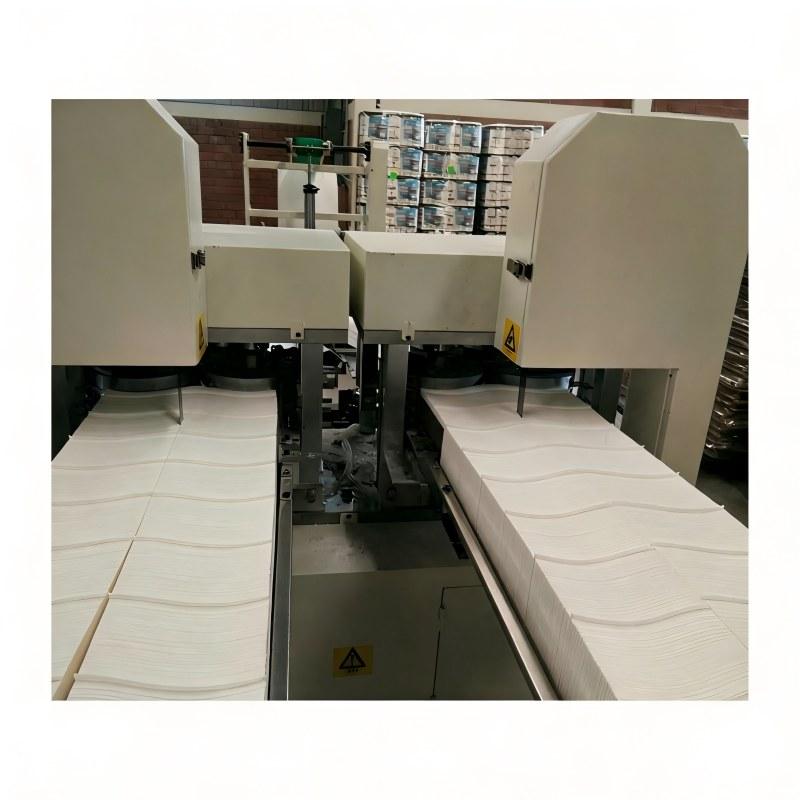
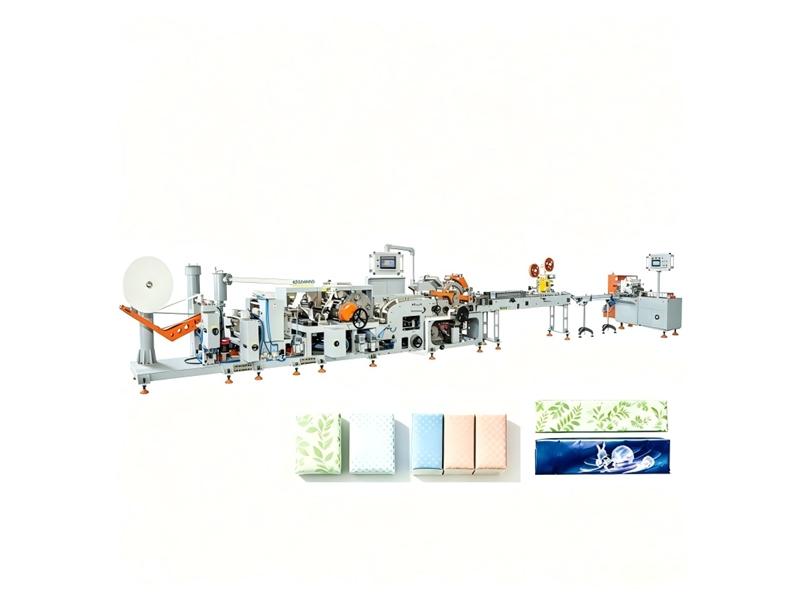
Folded stacks show the product presentation. They do not resolve fine artwork detail without an identified sample.
Keep appearance approval distinct from paper approval. A design owner can accept the motif while the production buyer still needs to confirm the tissue specification. Conversely, an acceptable paper grade does not authorize every version of the decoration. Record both decisions against the same sample when they are finally agreed.
Reopen the right document when something changes
Requested change
Review to reopen
A smaller emblem or finer lettering
Artwork detail and supplier tooling proposal; retain the existing fold drawing unless the presentation changes.
A different visible panel
Fold overlay and artwork position together; check the displayed orientation again.
A wider or differently shaped border
Decorated area, edge references and folded visibility.
A new paper grade or ply
Physical embossed appearance on the new paper, even if the artwork file is unchanged.
This separation is useful when a distributor requests a small branding change after the machine quotation has been prepared. The equipment offer may remain applicable, while new tooling or a different sample review is needed. Ask the supplier to state that scope explicitly. Avoid describing an artwork revision as a controller setting unless the technical proposal confirms how the change is supplied.
Keep tooling ownership and revisions visible
The quotation should identify the selected pattern, the tooling included and any additional pattern quoted separately. Agree who owns the released design file and who authorizes a replacement version. Where artwork is provided by the buyer, confirm the right to reproduce it before sending the manufacturing release. These decisions prevent a familiar logo from being used as an ambiguous instruction to copy whichever sample is nearest.
Retain the supplier's final drawing with the accepted sample reference. Ask how replacement tooling will be identified if it is ordered later, and whether the previous drawing remains valid for that order. A design filename such as “final new” is a weak reference once several revisions exist. A dated revision and a clear pattern identifier make subsequent enquiries easier to resolve.
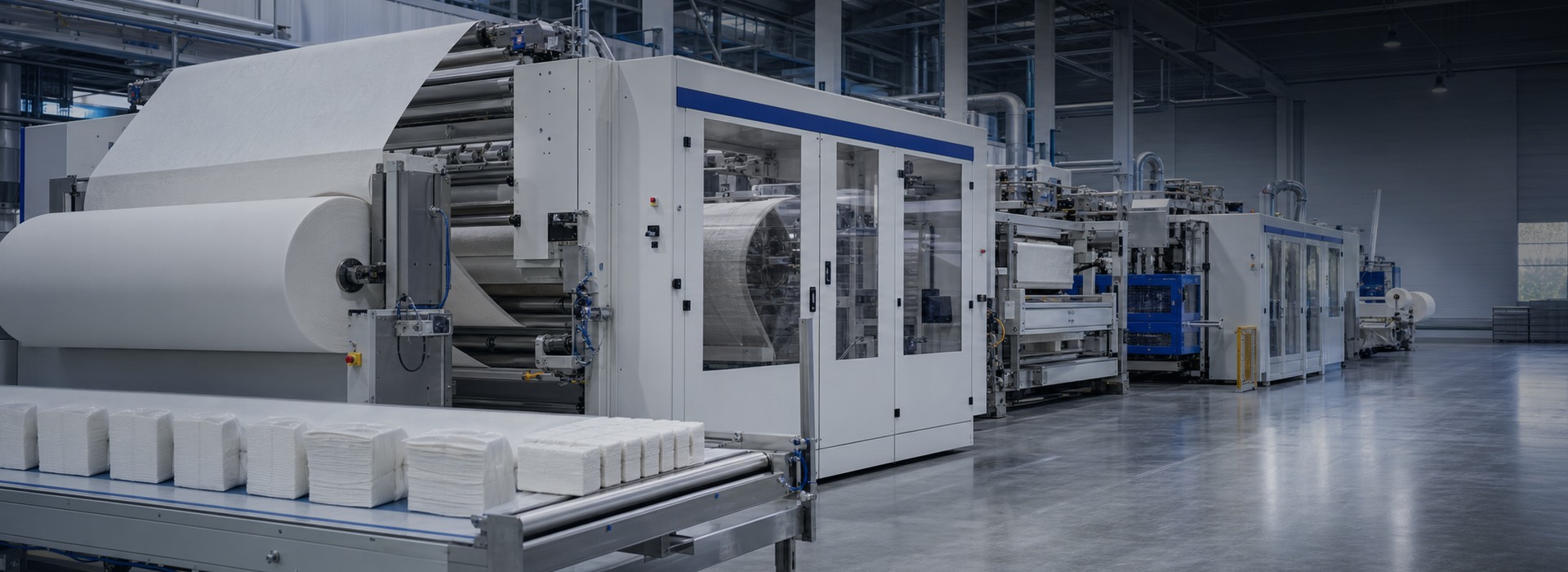
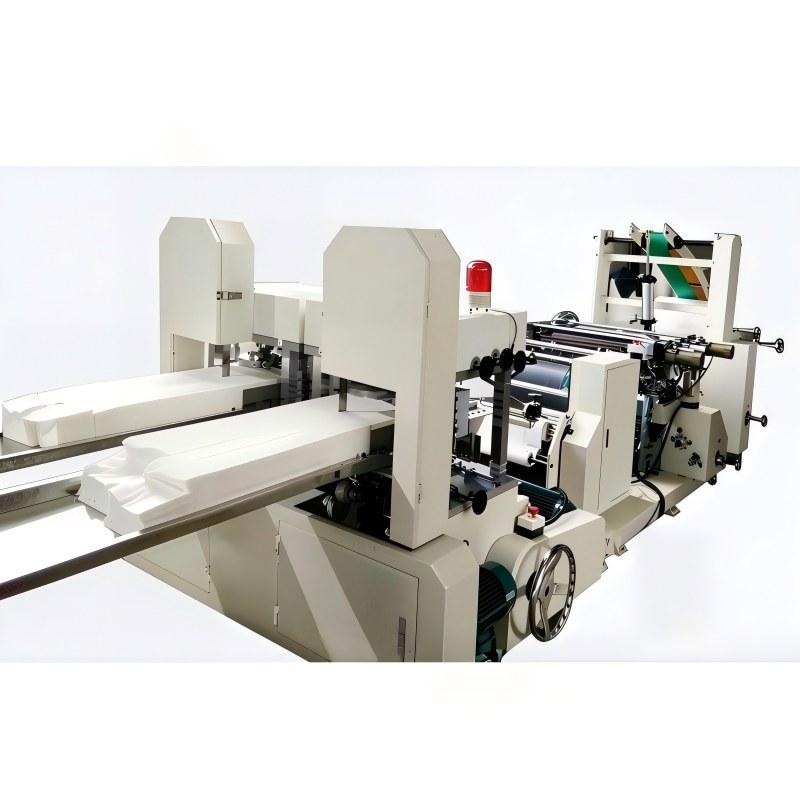
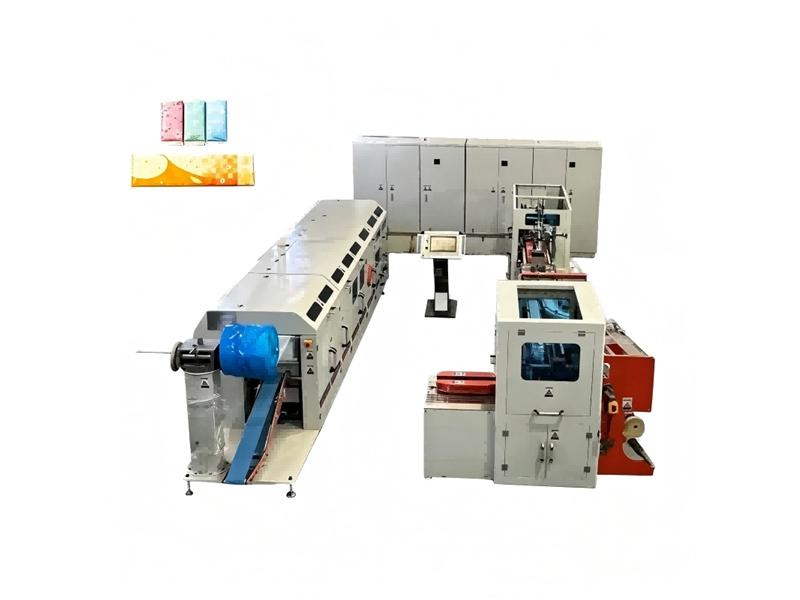
The machine view provides context for the chosen product. Pattern approval rests on the released drawing and the associated tissue sample.
Release the decoration and the fold together
Return the final artwork revision, fold overlay and sample identifier as a paired release. Name any limitation accepted by the buyer, such as a simplified motif or an alternative displayed position. Keep unresolved details outside that release. The useful result is a decoration that has been considered in its finished presentation, with the tooling scope traceable and the fold drawing still free to do its own job.



 Tel: +8613908196540
 Email: info@doubletissuemachine.com
 MP/WhatsApp: +8613908196540
 Manufacturer Address:Dongguan, Guangdong, China