A coloured design on toilet tissue is a printing requirement. A textured impression is an embossing requirement. Put both in the enquiry when the product needs both, and ask the quotation to name the supplied equipment separately. DOUBLE lists optional one- or two-colour printing for the DB-R300 and DB-R500, alongside their embossing choices. That statement establishes a printing option to discuss; it does not identify the printing method, ink specification or included design tooling. Choose the intended colours and paper first, then obtain a proposal that connects those requirements to an identified printing arrangement.
Specify colour on the tissue itself
Begin with the product the buyer expects to sell. A colourful wrapper around an unprinted roll does not define a tissue-printing requirement. Show whether the colour belongs on the tissue, its packaging or both. For this equipment enquiry, provide a reference showing the coloured tissue surface and identify which part of the decoration is to be printed.
An embossed motif can be visible through its relief and the way light falls across it, without carrying a coloured ink. A photograph may make that relief look darker. Describe the desired feature in words as well as supplying a picture, so that a shadowed pattern is not interpreted as a one-colour print. If a coloured motif and a textured surface are both required, keep those requirements distinct.
State which face of the paper is meant to show the colour in the finished product. Where the roll contains several plies, identify the intended printed layer and surface for technical review. The ply arrangement alone does not establish access to every requested face. Ask the supplier to explain the proposed paper route and printing location without prescribing an unverified module layout.
Read one- and two-colour options as supply choices
The DB-R500 toilet and kitchen paper rewinder line lists a printing unit with one or two colours under configuration options. Its steel-to-rubber and steel-to-steel embossing choices are listed separately. The DB-R300 page likewise lists a one- or two-colour printing unit as an optional configuration, alongside its own embossing selections.
Keep the printing choice attached to the actual machine offer. A product-range option does not establish that the photographed or quoted rewinder already includes it. A proposal should say whether printing is included, which colour arrangement is supplied and which product the arrangement has been selected to produce. Comparing a rewinder price with printing against one without it is a scope comparison before it is a price comparison.
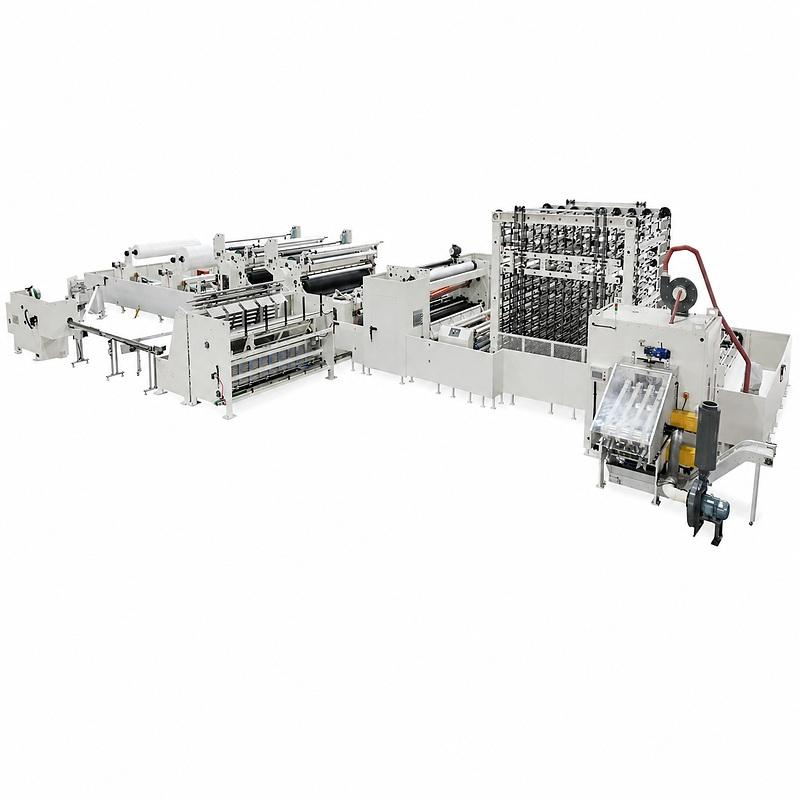
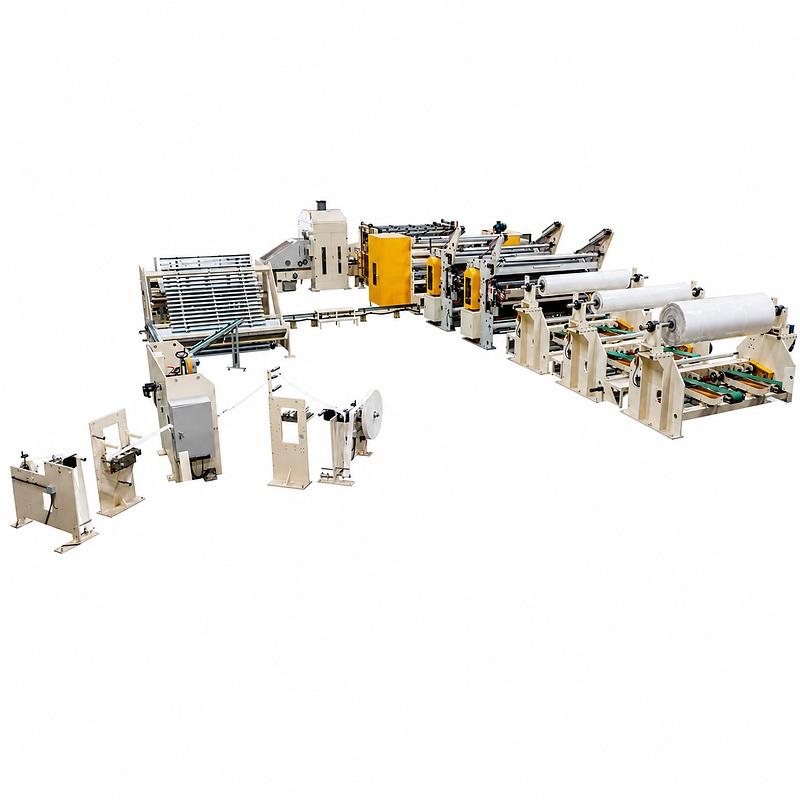
DB-R500 equipment overview from the product gallery. The selected printing unit must be identified in the equipment offer.
The two model pages do not provide enough information to declare their printing units identical. Request the relevant unit specification for the model being purchased. Keep any proposed alternative visible in the offer rather than carrying a printing description from another model into the selected machine's included equipment list.
Make the colour brief more precise than a logo file
Identify the actual printed colours needed. A single-colour design should name that colour and show its intended appearance on the tissue. A two-colour design should identify both colours and the elements assigned to each. The paper's own shade is a background condition, not an additional supplied printing colour. This helps the supplier understand what the requested colour count means.
A screen image is useful for communicating the design, but it is a weak colour standard by itself. Displays and photographs can show the same paper differently. Agree a physical reference or another supplier-supported colour definition, and state how the result will be viewed. Avoid approving a colour from an enlarged digital image while expecting a precise match on a different tissue surface.
Separate colour count from the way colour is distributed over the sheet. A small repeated mark and a broadly coloured area are different requests even when each uses one colour. Provide the intended coverage and design scale for review. The published one- or two-colour option does not confirm every coverage level or every graphic treatment that can be drawn using those colours.
For a design with shaded or overlapping elements, ask the supplier to describe which features its proposed arrangement can reproduce. Keep any simplification in the returned design proposal. An offer of two colours should not silently become a promise to reproduce an unrestricted photographic or multitone image.
Choose one reference for each approved colour and identify who can accept a proposed difference. A brand representative may judge the desired shade while purchasing needs the corresponding ink reference. Link those decisions. If the physical tissue sample and the digital artwork appear different, resolve which reference governs before approving the material order. Several informal phone photographs should not become competing standards for the same colour.
Agree the paper and ink responsibilities together
Give the machinery supplier the intended paper identity, ply construction and grammage information. Where different tissue grades are planned, distinguish them in the printing enquiry. The printed reference should state which paper it uses. A colour viewed on one paper cannot by itself approve the appearance on another grade with a different shade or surface.
Obtain the supplier's proposed ink specification for the identified printing unit and application. Ask who selects and supplies the initial inks, who provides their technical information and who approves replacements. The product page does not establish an ink chemistry or universal compatibility. Keep those details in the printing proposal rather than assuming that any ink carrying the right colour name can be substituted.
The selected tissue is part of the printing review. A paper change should remain visible in the colour and material record.
For any application-specific material requirement, have the responsible buyer and material supplier define the evidence needed. Do not infer suitability for the finished tissue's intended use from an equipment option alone. Likewise, colour appearance does not establish resistance to transfer or another material property. Those are separate requirements when the buyer needs them.
Keep delivery references for recurring ink orders. A colour description such as “blue” may identify the brand intention without identifying the material reviewed for the machine. The purchasing record should allow staff to order the specified material and recognize a proposed substitute before it enters routine supply.
Separate equipment, design items and recurring supplies
Ask the quotation to identify the printing unit, the selected colour configuration and the design-specific items included. The supplier should name the proposed printing method and any associated design components. Do not assign a method, such as flexographic printing, merely because the machine page says “printing unit.” The equipment specification should provide that information.
A useful offer names three things separately: the printing equipment supplied with the machine, the items needed for the selected design, and the materials the factory must replenish.
Request the scope for an additional design separately from the initial design. A second graphic can require a different supply discussion even when it uses the same colours. Ask which items are reused, which are replaced and who prepares the new design for manufacture. Keep supplier-confirmed inclusions visible instead of assuming that the first pattern purchase covers all later artwork.
The offer should also identify the supplied instructions and service information for the selected printing arrangement. Include references for relevant replacement items and routine materials. Where the buyer supplies part of the equipment or consumables, name that boundary clearly. Installation should not be the first time the factory learns that an essential item was excluded from the quoted package.
Read the printed result separately from the texture
For the proposed sample review, identify the paper, ink references and printing arrangement with the sample. Examine whether the specified design is present, whether each intended colour is distinguishable and whether the appearance matches the agreed reference. Record a missing printed element separately from a difference in embossing relief. A strong textured pattern cannot answer a colour discrepancy.
Keep the inspection conditions consistent when comparing alternatives. If a material property is also required, agree its evaluation with the responsible technical parties and record it separately from visual approval. A neatly printed sheet can satisfy the appearance requirement while leaving another requirement unconfirmed. The record should make that distinction easy to see.
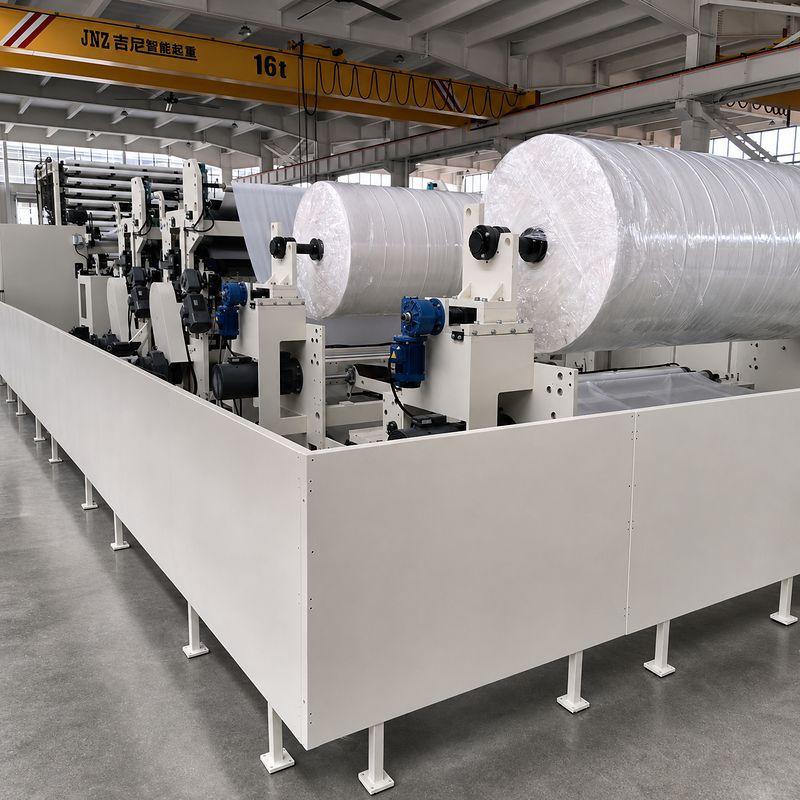
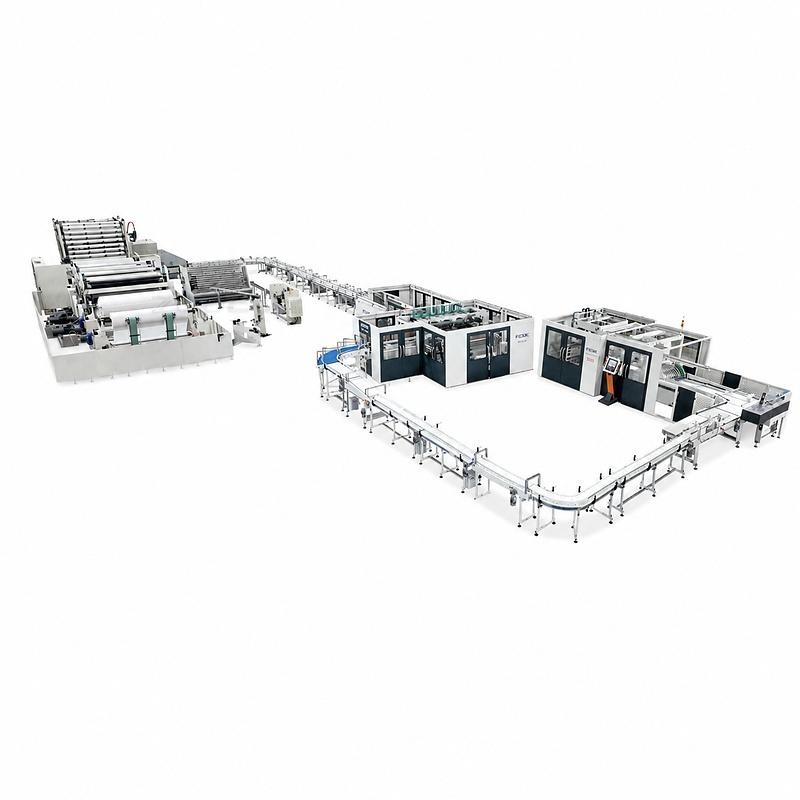
The gallery provides line context. It does not identify a fitted printing module or document a printed-product trial.
Include unprinted products in the configuration discussion
If the factory will also make unprinted rolls, state that product requirement when selecting the printing option. Ask how the supplier proposes to use the ordered arrangement for printed and unprinted products. Do not assume a particular bypass or inactive-unit procedure. Obtain the supplied operating scope for each planned product from the technical offer.
Return the enquiry with the tissue-printing requirement, one- or two-colour choice, paper references and material responsibilities resolved or explicitly open. Keep embossing as its own selected function. The resulting purchase describes what the factory receives and what it must continue to supply, with the colour appearance tied to an actual paper and ink combination rather than to the word “printing” in a catalogue.



 Tel: +8613908196540
 Email: info@doubletissuemachine.com
 MP/WhatsApp: +8613908196540
 Manufacturer Address:Dongguan, Guangdong, China