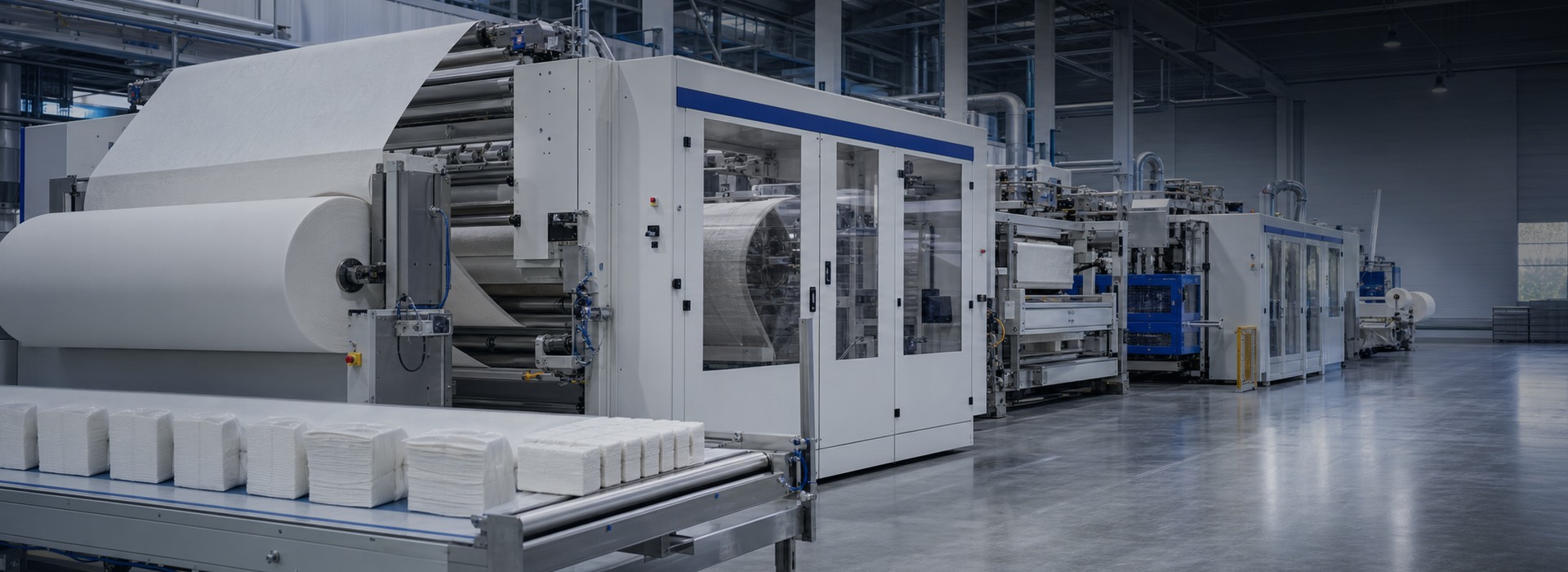
“One spare blade” is not a usable order description when a line cuts paper at more than one stage and also cuts packaging film. A parts list needs the machine position, item identity and applicable configuration. The tissue converting line described by DOUBLE connects interfolding, transfer, log cutting and individual soft-pack wrapping, with bundle packing optional. Build its cutting and sealing list around those supplied stages, then ask the supplier to identify the replacement items and commercial responsibilities. Photographs and general machine names cannot establish interchangeability.
Give every cutting item a stage address
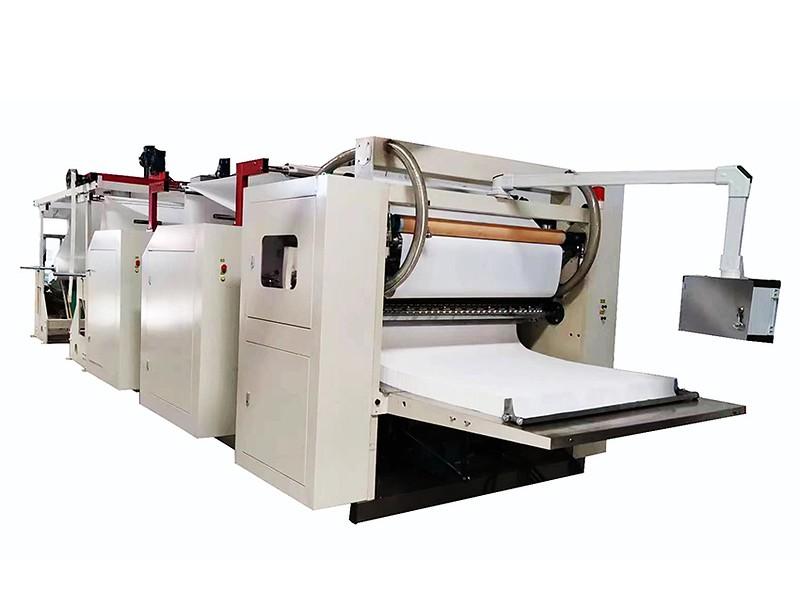
Begin with the confirmed equipment schedule for the ordered line. The DB-IF-V folding section and the DB-L-320C log saw work on different forms of tissue; the DB-IF-180P works with packaging film. A buyer should not combine their cutting items under a single description such as “tissue cutter blade.” Put the equipment model and its position in the line beside each proposed spare.
If several packing machines are supplied, give each its own equipment identifier. Two units may have the same model name without necessarily having the same final configuration or revision. Ask the supplier to state which item is common to both and which applies to a particular unit. A shared stock item should result from confirmed compatibility, rather than an assumption made while combining two purchasing lists.
Mark the optional bundle-packing section separately. Include its parts only when that equipment is actually selected, or label the list as an explicit future allowance. The published line describes DB-IF-30P bundle packing as optional; its presence in a catalogue does not put its replacement items into every order. A stage address keeps the parts schedule tied to the equipment being delivered.
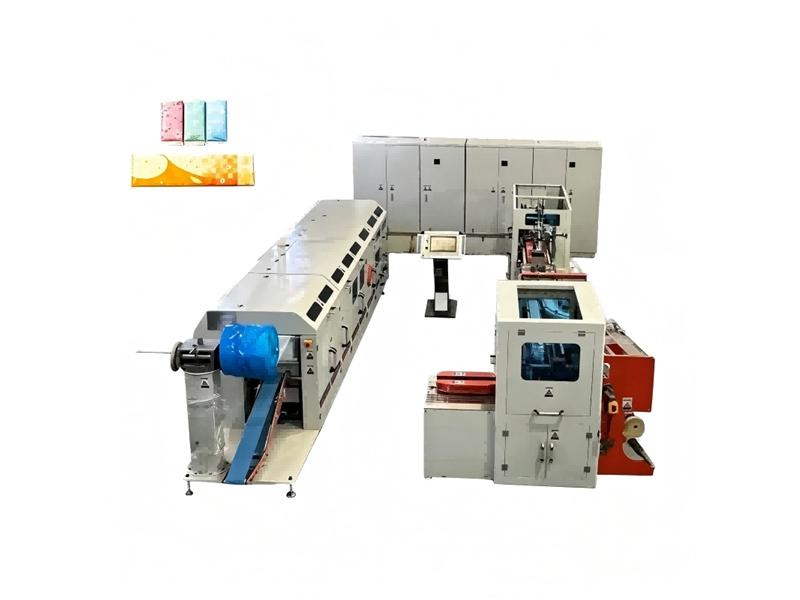
This equipment view is in the facial tissue line gallery. It provides stage context, not a replacement-part drawing or evidence that a cutting item fits another unit.
Replace a generic description with an identifiable item
Request the supplier's part number or other ordering reference, the assembly location and the drawing reference where available. Ask which drawing revision applies to the supplied machine. A part name helps the operator explain the need, but purchasing needs an identity that the supplier can resolve without guessing from a message such as “the round knife near the conveyor.”
Where the supplier uses a set rather than an individual component, ask for its contents and ordering unit. One set, one pair and one piece are different quantities. Identify whether necessary companion items are supplied with the replacement or ordered separately. This question defines what the buyer receives; it does not assume that every cutting assembly requires the same accessories.
Record field
Information to obtain
Problem it prevents
Equipment and location
Unit identifier, model and assembly position
Sending a request to the wrong stage
Ordering identity
Supplier reference and item description
Choosing a visually similar substitute
Configuration reference
Applicable drawing or assembly revision
Using an earlier version without confirmation
Supply unit
Piece, pair or set, with defined contents
Comparing unequal quantities or incomplete sets
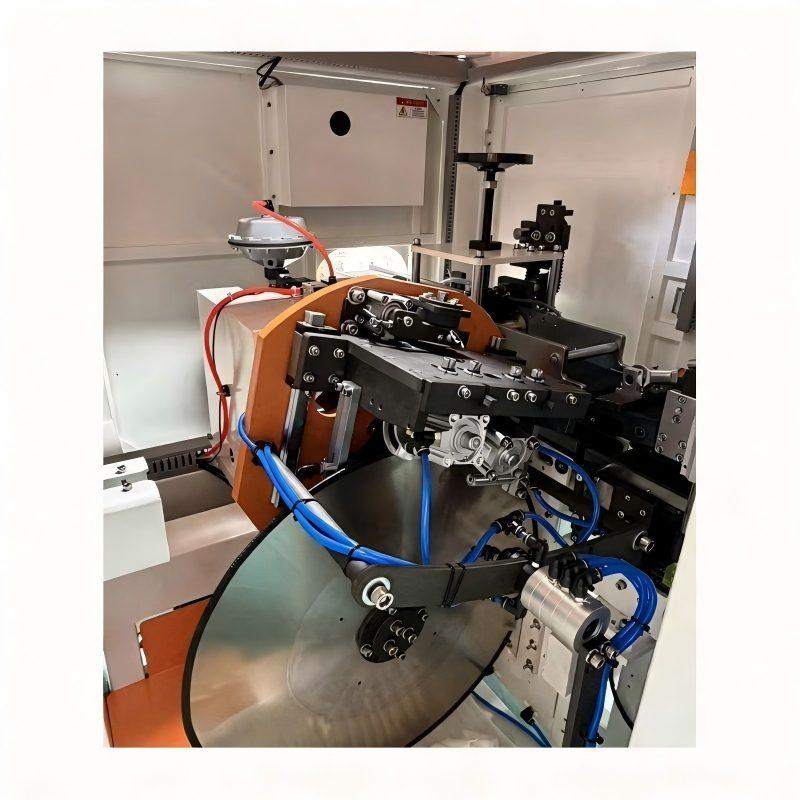
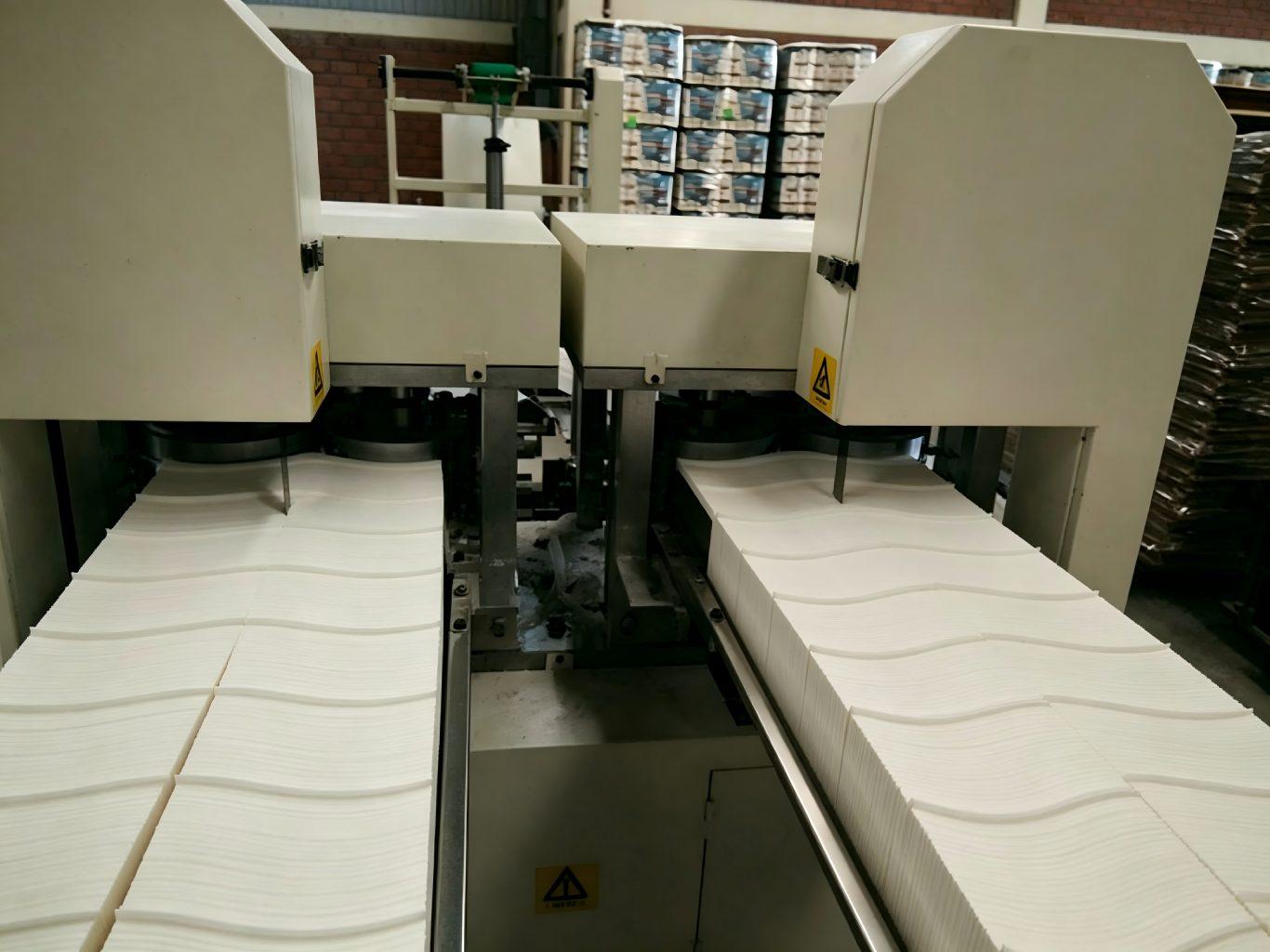
A photograph can help locate the area during an inquiry, but it should accompany an equipment identity rather than replace it. Take or obtain any identification image using the supplier's approved access procedures. Do not infer blade geometry, material, fastening details or suitability from a published gallery image. Ask the supplier for the controlled information needed to identify the actual item.
The line gallery shows a circular blade inside an enclosure. Its replacement specification, ordering reference and applicable assembly are not established by this photograph.
Build the sealing list from the selected packing process
The individual wrapping stage and an optional outer bundle stage should have separate records. The DB-IF-180P product information describes overlap and side sealing, while the bundle section has its own packaging arrangement. Ask the supplier to identify the replacement or wear items associated with the selected sealing operations. Do not copy an individual-wrapper list onto a bundle machine because both packages are heat sealed.
Separate the item that cuts film from the items involved in forming a seal. They serve different functions even if they appear near each other in an assembly. Have the supplier confirm whether an item is ordered independently or as part of a larger assembly. The list should reflect that answer, rather than naming a generic “sealing blade” and leaving its actual function unresolved.
Any description of a seal-contact component, covering or related item should remain conditional until the supplier identifies it for the supplied machine. The public line page recommends planning wear items for cutting and sealing, but it is not a detailed bill of materials. It does not establish a universal heater, coating or component design that a buyer can safely purchase from another machine's list.
Keep packaging material requirements beside the relevant stage without treating them as spare machinery. Film and pre-made bags are production inputs; a replacement machine component is a different purchase. Link the approved material specification to its process, then keep its consumption planning separate from the supplier's replacement-parts schedule. This avoids a combined “consumables” list concealing which items require machine-specific identification.
State what the machinery order actually supplies
Divide the commercial schedule into items included with the machinery, separately priced recommendations and items the buyer must source. Give unresolved items their own visible status. A supplier's recommendation is not evidence that an item is included, held in stock or available within a promised lead time. Request those answers before the purchasing team treats the recommendation as a completed supply arrangement.
Included supply
Record the item identity, agreed quantity and delivery scope against the machinery order.
Separate purchase
Request price, supply unit and delivery information for the specified configuration.
Buyer sourcing
Obtain the supplier's confirmed specification and responsibility boundary before selecting an alternative source.
Open identification
Keep the inquiry unresolved until the responsible supplier identifies the item and its application.
Ask who maintains the combined list when the line includes equipment from more than one source. The line integrator may coordinate the schedule, while a component supplier provides its ordering references. Have the order identify the contact responsible for resolving a mismatch between those records. A single spreadsheet is useful only when the parties can explain the items listed in it.
Delivery documents should distinguish the machinery's fitted components from the extra items supplied alongside it. Record the latter against their agreed identities and quantities. A component installed on the machine is not automatically an additional spare. This separation gives the buyer a clear receiving record without implying that DOUBLE includes a standard spare package in every line quotation.
Choose quantities from a documented supply decision
Ask the supplier to explain its recommended initial quantities for your selected equipment and product mix. Request the basis for the recommendation and the current procurement information. The public line description does not give replacement intervals or a universal stock quantity. Avoid converting a general suggestion to prepare wear items into a made-up number of blades or a fixed monthly replacement schedule.
The buyer can bring its planned operating pattern, existing stock records and acceptable purchasing arrangements to that discussion. Once production provides relevant records, review which items have actually been used and which remain unneeded. Keep that review linked to the specific equipment and part identity. Experience from a different factory or model should not silently become the expected life of an item on this line.
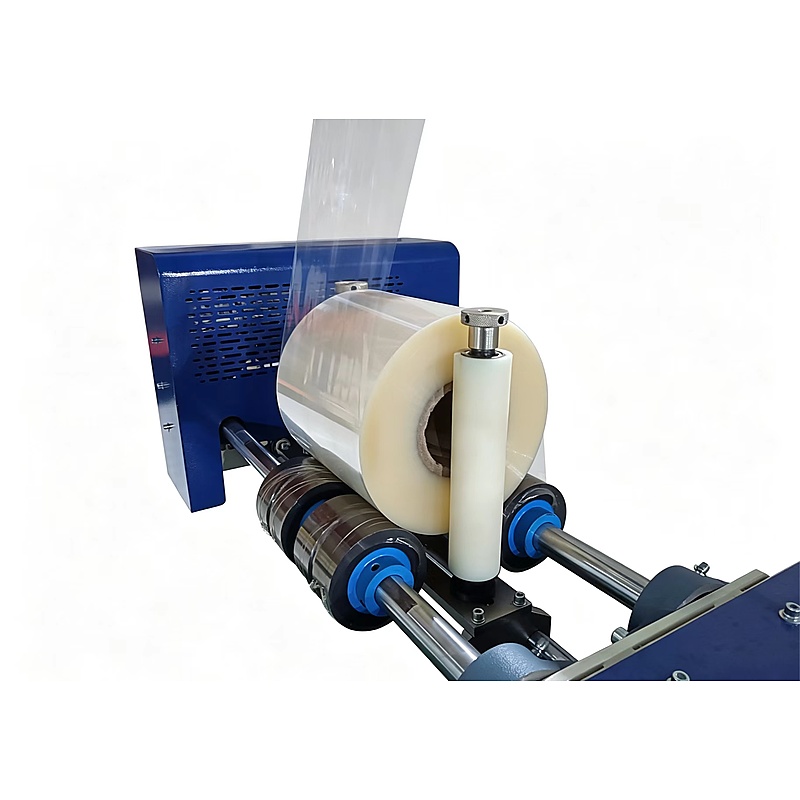
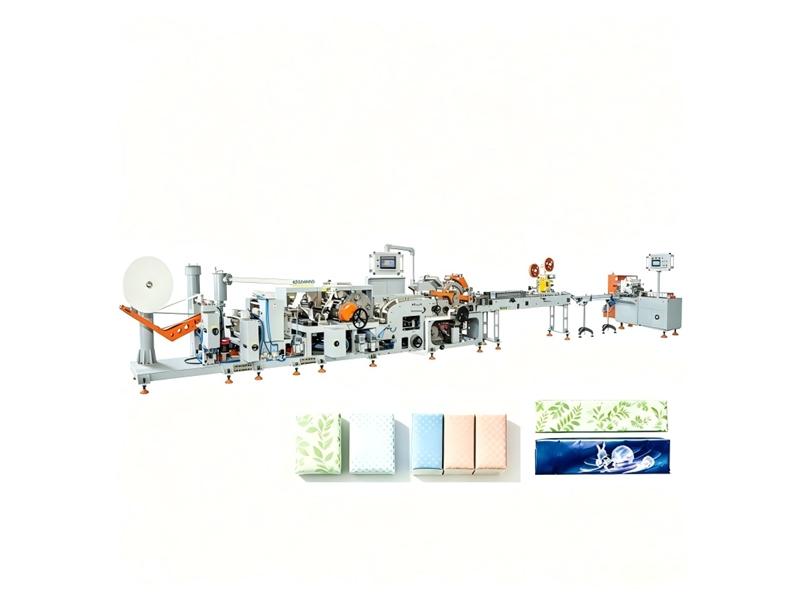
This DB-IF-180P gallery image shows packaging film, a production input. It does not identify a replacement sealing component or its service life.
Use a separate record for packaging-material stock. Its identity, supply unit and consumption belong to the confirmed pack specification. Do not use film usage to predict the life of a sealing component, or assume that ordering a spare machine item resolves a film shortage. Distinct records let purchasing recognize the actual reason a stage cannot continue producing.
Make the next order traceable to the current configuration
Before reordering, check that the equipment identifier and applicable revision still match the parts record. A later format change, revised assembly or supplier-approved modification may affect compatibility. Send the current reference with the inquiry and ask the supplier to confirm any superseding item. Do not assume that a newer-looking component or a matching catalogue name is an approved substitution.
Where a replacement reference changes, retain the earlier identity and record the supplier's stated relationship between the two. Keep instructions and companion-item requirements with that confirmation. Authorized maintenance personnel should follow the supplied replacement and isolation procedures; a procurement list is not an instruction to dismantle or operate a cutting or sealing assembly.
A useful line parts schedule ends with fewer ambiguities: each item has a stage, an ordering identity, an applicable configuration and a responsible supply route. Quantities and delivery promises remain explicit commercial decisions. That record supports future cutting and sealing purchases without inventing component lifetimes or extending the list to equipment that the buyer did not order.



 Tel: +8613908196540
 Email: info@doubletissuemachine.com
 MP/WhatsApp: +8613908196540
 Manufacturer Address:Dongguan, Guangdong, China